












































































Article Contents:
- Natural Wood: Eternal Classic in Modern Interpretation
- Oak: aristocrat of the furniture world
- Walnut: Refinement in Every Fiber
- Ash: Sporty Elegance
- Solid Wood Special Elements: Details That Create Perfection
- Panel Materials: Technological and Practical
- MDF: Ideal Balance of Quality and Price
- Plywood: Strength in Every Layer
- Laminated Board: Practicality in Everyday Use
- Soft Materials: Comfort in Every Touch
- Fillers: From Classic to Innovations
- Upholstery Materials: Beauty and Practicality
- Hardware: Invisible Heroes of the Furniture World
- Sliding Systems: Smoothness in Every Movement
- Hinges: Invisible Reliability
- Fastening Systems: Invisible Strength
- Where to Buy Furniture Materials: Strategy for Successful Selection
- Specialized Suppliers: Expertise and Quality
- Furniture Centers: Everything in One Place
- Online Platforms: Convenience and Wide Selection
- Furniture Manufacturers: Direct Access to Quality Materials
- Technological Innovations in the World of Furniture Materials
- Smart Materials: Functionality at a New Level
- Eco-Friendly Materials: Responsibility Toward the Future
- Digital Technologies: Personalization Without Limits
- Practical Tips for Choosing Furniture Materials
- Analysis of Usage Conditions: Foundation for Correct Selection
- Material Combinations: Harmony in Diversity
- Samples and Testing: Risk Minimization
- Conclusion: Materials as the Foundation of Furniture Perfection
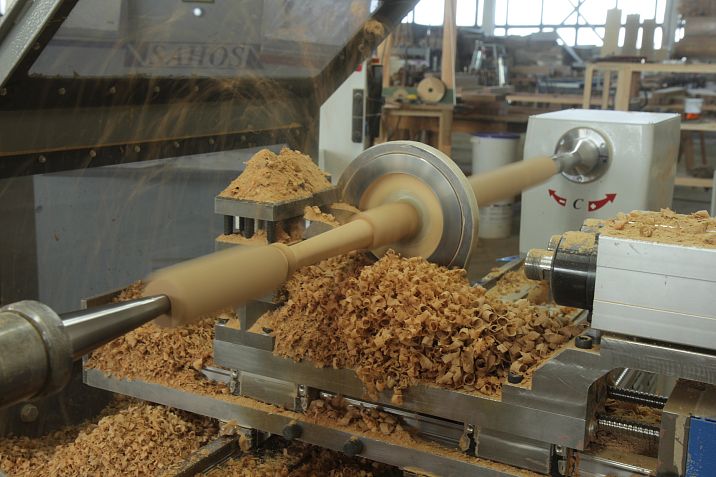
Where can you buy material for furniture?
where you can buy material for furniture where you can buy material for furniture of the highest quality.


Natural Wood: Eternal Classic in Modern Interpretation
Natural wood is the quintessence of natural beauty and practicality. Each species has a unique character, manifested in texture, color, density, and other characteristics.




Oak: aristocrat of the furniture world
Oak is rightfully considered the king among furniture species. Its exceptional strength (hardness on the Brinell scale of 3.7–4.5) allows creating furniture capable of serving generations. The honey-golden hue only becomes more noble over time, gaining depth and richness.
Radial oak cutting holds special value, where annual rings form a uniform, almost parallel pattern. Such material is not only aesthetically appealing but also exhibits enhanced dimensional stability — a critical quality for premium-class furniture.
If you are wondering, where you can buy material for furniture For high-quality oak, pay attention to specialized companies that control the entire process—from roughing to final finishing. The ideal moisture content for oak furniture blanks is 8–10%, ensuring optimal balance between strength and workability.
Our factory also produces:


Walnut: Refinement in Every Fiber
Walnut is the choice of true connoisseurs of luxury. Chocolate-brown with a purple undertone, it creates an atmosphere of noble restraint and refined taste. Walnut’s density (650–750 kg/m³) ensures an ideal balance between strength and workability.
Walnut’s unique feature is its ability to 'play' with light, changing shades from deep chocolate to warm honey depending on the angle of illumination. This quality makes walnut furniture alive, dynamic, capable of transforming a space.
For creating truly exclusive furniture, use walnut knots and swirls — rare natural formations with fantastic patterns resembling marble veining or exotic landscapes. The cost of such blanks can reach several thousand rubles per square decimeter, but the result justifies the investment.
Get Consultation
Ash: Sporty Elegance
Ash is often called the 'sporty wood' due to its exceptional elasticity and ability to withstand dynamic loads. With a density of 650–700 kg/m³, it possesses impressive impact resistance, making it ideal for furniture subjected to intensive use — dining tables, chairs, work surfaces.
Light ash wood with expressive grain patterns creates a sense of freshness and spaciousness. It pairs beautifully with modern Scandinavian or minimalist interiors, adding a touch of natural warmth.
Thermally treated ash holds special value — an innovative material obtained through high-temperature processing without chemical substances. Such wood acquires a deep caramel hue, increased resistance to moisture (water absorption decreases by 40–50%) and biological damage.
Specialized Solid Wood Elements: Details That Create Perfection
In creating truly high-quality furniture, specialized elements play a crucial role — beams, moldings, cornices, baseboards. These are not merely decorative details but functional components ensuring structural integrity, aesthetic completeness, and protection of main furniture elements.
Solid wood beam — this is the foundation of frame structures, the quality of which determines the longevity of the entire product. An ideal beam should be made from wood with a moisture content of 8–10%, precise geometric dimensions (tolerance ±0.5 mm), and free from defects that reduce strength — knots, cracks, resin pockets.
When choosing, where you can buy material for furniture of this type, pay attention to companies specializing specifically in furniture blanks. Unlike construction lumber, they are manufactured according to specific requirements of furniture production.
Panel Materials: Technological Efficiency and Practicality
Modern furniture production cannot be imagined without panel materials, which combine technological efficiency, dimensional stability, and economic effectiveness.
MDF: Ideal Balance of Quality and Price
MDF (Medium Density Fiberboard) is a material obtained by pressing wood fibers at high temperature with the addition of binding agents. With a density of 700–870 kg/m³, it has a uniform structure that ensures excellent workability and dimensional stability.
The key advantage of MDF is the ability to create complex routered facades with sharp, detailed profiles. Due to the absence of internal voids and aligned fibers, MDF does not chip during routing, enabling the realization of the most daring design solutions.
For kitchen furniture, moisture-resistant MDF with swelling less than 8% (compared to 15–20% for standard MDF) holds special value. Such material maintains dimensional stability even under high humidity, which is critically important for the longevity of kitchen facades.
Plywood: Strength in Every Layer
Plywood is a multi-layer material composed of thin veneer sheets glued together with fibers of adjacent layers arranged perpendicularly. This structure ensures exceptional bending strength and dimensional stability at minimal weight.
For furniture production, optimal plywood is grade FK (glued plywood) with face veneer grade not lower than 2/2. Sheet thickness ranges from 4 to 24 mm, allowing selection of the optimal variant for a specific furniture element.
Flexible plywood of 3-6 mm thickness occupies a special niche, allowing the creation of curved furniture elements without complex equipment. With a bending radius from 20 cm (for 3 mm) to 100 cm (for 6 mm), it opens up wide possibilities for realizing organic, smooth forms.
MDF: Practicality in everyday life
MDF (melamine-faced chipboard) is an economical solution for cabinet furniture. The melamine resin coating provides protection against moisture, mechanical damage, and UV radiation, while a wide color palette (modern manufacturers offer more than 200 finishes) allows for diverse design solutions.
For high-quality furniture, choose MDF with density of at least 650 kg/m³ and formaldehyde emission class E0.5 or E1. Such material is not only environmentally safe but also has increased resistance to fastener pull-out — a critical quality for the longevity of cabinet furniture.
An innovative solution are structural MDFs with synchronized embossing, where the surface relief precisely replicates the wood grain pattern. Such panels create a complete illusion of natural material — both visually and tactilely.
Soft materials: comfort in every touch
Soft furniture is a special world where comfort and aesthetics are inseparably linked. The choice of fillers and upholstery materials determines not only the appearance but also the ergonomic properties of the item.
Fillers: from classics to innovations
Polyurethane foam (PU) remains the most common filler for soft furniture due to its optimal price-to-quality ratio. Modern high-resilience PU with density 30-50 kg/m³ provides comfortable support and retains its shape for 7-10 years of intensive use.
For premium furniture, multi-layer constructions with combinations of different PU types are used: denser (45-50 kg/m³) at the base for support and softer (25-35 kg/m³) in upper layers for comfort. This solution ensures optimal load distribution and extends the furniture’s service life.
An innovative solution are memory foam fillers, which adapt to the body’s shape, providing ideal support. With density 50-85 kg/m³ and recovery rate 95-98%, they create unmatched comfort, especially valuable for people with musculoskeletal issues.
Natural fillers — horsehair, latex, coconut fiber — create a unique microclimate due to excellent breathability (200-400 L/m²·s vs. 10-50 L/m²·s for PU). They are ideal for eco-conscious consumers who value natural materials and durability.
Upholstery materials: beauty and practicality
The choice of upholstery material determines not only the aesthetics of soft furniture but also its practical properties — durability, ease of care, tactile comfort.
Natural leather remains the benchmark of luxury and durability. Full-aniline leather with a thickness of 1.2-1.4 mm and abrasion resistance exceeding 25,000 cycles according to the Martindale test creates an unparalleled tactile experience and develops a noble patina over time.
For everyday use, modern microfibers and velvets with wear resistance of 40,000 cycles are optimal. The Aquaclean technology, creating a molecular barrier around each fiber, allows removal of even complex stains with simple water, radically simplifying furniture care.
An innovative solution are 'smart' fabrics with thermoregulation, which absorb excess heat upon contact with the body and release it when temperature drops. These materials ensure optimal thermal comfort throughout the year.
Hardware: invisible heroes of the furniture world
Hardware is the technological heart of furniture, the quality of which determines the ease of use and longevity of the item. The modern market offers an impressive variety of solutions, enabling the realization of the most daring design ideas.
Extension systems: smoothness in every movement
Modern concealed mounting guides with soft-close mechanisms ensure smooth, silent drawer movement even when fully loaded (up to 60-80 kg). Full-extension systems with 110° opening angle provide easy access to all contents, while push-to-open mechanisms allow minimalist facades without handles.
For kitchen furniture, optimal systems have waterproof coatings and anti-corrosion protection, withstanding up to 100,000 open/close cycles. Such guides maintain flawless functionality for 15-20 years of intensive use.
Hinges: invisible reliability
Modern concealed hinges with integrated soft-close mechanisms ensure smooth door closure for weights up to 25-30 kg. Systems with 165-170° opening angle allow maximum space efficiency, while special hinges for non-standard facades (angled, beveled) expand design possibilities.
For humid environments, hinges with nickel or titanium coating are indispensable, providing 100% corrosion protection even with direct water contact. Such hinges retain flawless appearance and functionality throughout the furniture’s entire service life.
Fastening systems: invisible strength
Modern furniture connectors — eccentric bolts, dowels, and cam locks — provide secure jointing without visible fasteners. Rastex-type systems with breaking strength up to 1200 N create monolithic structures capable of withstanding significant loads.
An innovative solution are Lamello-type glue-free mounting systems, which allow furniture to be assembled and disassembled multiple times without loss of joint strength. This is especially valuable for modular furniture and items that may require transport in disassembled form.
Where to buy furniture materials: strategy for successful selection
The question of where you can buy material for furnitureThere are many answers — from specialized stores to online platforms. But how to make a choice that ensures optimal price-to-quality ratio?
Specialized suppliers: expertise and quality
Specialized companies focusing on specific types of materials not only offer higher-quality products but also expert support. Such suppliers typically have their own production facilities, enabling them to control the entire process—from raw material preparation to final processing.
Companies specializing in solid wood products - beams, moldings, cornices, skirting boards - are especially valuable. They ensure dimensional accuracy (tolerance ±0.5 mm), optimal moisture content (8-10%), and absence of defects critical for furniture production.
When choosing a supplier, pay attention to the presence of their own drying chamber - this guarantees that the wood has undergone proper thermal treatment, ensuring dimensional stability and protection against biological damage.
Furniture Centers: Everything in One Place
Furniture centers that bring together numerous suppliers under one roof offer the convenience of "one-stop shopping." Here, you can acquire all necessary materials—from solid wood to hardware—in a single visit, significantly saving time.
The advantage of such centers is the ability to visually compare different materials and consult with representatives from various companies. This is especially valuable for complex projects requiring the combination of different materials.
Online platforms: convenience and wide selection
Modern online platforms offer an impressive selection of furniture materials with doorstep delivery. This is especially convenient for those who value their time or are located in regions with limited availability of specialized stores.
When choosing an online supplier, pay attention to the detail of product descriptions (including technical specifications and quality certificates), the presence of real material photos, and the opportunity to obtain samples before large purchases.
Supplier reputation, reflected in customer reviews, is a key factor in selection. Special attention should be paid to comments regarding packaging and delivery quality—this is critically important for material preservation, especially for delicate materials such as veneer or solid wood decorative elements.
Furniture Manufacturers: Direct Access to Quality Materials
Many furniture manufacturers sell excess materials purchased for their own production. This can be an excellent opportunity to acquire high-quality materials at attractive prices.
The advantage of this approach is the guarantee that the materials are truly suitable for furniture production, since the manufacturer uses them themselves. Additionally, you can receive professional consultation regarding the specifics of working with particular materials.
Technological Innovations in the World of Furniture Materials
The world of furniture materials is constantly evolving, offering new solutions that expand design possibilities and enhance furniture functionality.
Smart materials: a new level of functionality
Modern technologies enable the creation of materials with unique properties that go beyond traditional notions of furniture.
Polyurethane-based self-healing coatings can "repair" minor scratches and scuffs under heat. Such surfaces maintain a flawless appearance throughout the furniture's lifespan, which is especially valuable for countertops and other heavily used elements.
Titanium dioxide-based photocatalytic coatings have the ability to break down organic contaminants and bacteria under light exposure. Such surfaces not only remain clean but also contribute to air purification in the room, which is especially important for children's and bedroom furniture.
Eco-Friendly Materials: Responsibility Toward the Future
Growing environmental awareness is driving the development of materials that minimize environmental impact without compromising quality or aesthetics.
Bio-composites based on plant fibers (linen, hemp, jute) combined with biodegradable binders offer an eco-friendly alternative to traditional panel materials. With a density of 700–800 kg/m³ and flexural strength of 20–25 MPa, they do not fall short of MDF in key characteristics, yet have a significantly smaller carbon footprint.
Recycled materials—from plastic to textiles—are finding increasingly wider application in furniture manufacturing. Modern technologies allow the creation of materials from secondary raw materials that match the quality and aesthetics of primary materials, yet require significantly fewer resources for production.
Digital Technologies: Personalization Without Boundaries
Digital technologies are transforming the process of selecting and using furniture materials, opening new opportunities for personalization and optimization.
Virtual material libraries with photorealistic visualization allow experimenting with various combinations without being limited to physical samples. This not only saves time but also expands creative possibilities, enabling consideration of options that might have been overlooked with a traditional approach.
Augmented reality technologies allow "trying on" materials in a specific interior, evaluating their interaction with lighting, existing furniture, and the overall atmosphere of the space. This minimizes the risk of errors and disappointments, especially when selecting materials for large-scale projects.
Practical Tips for Choosing Furniture Materials
Choosing materials for furniture is not only a technical but also a creative process, requiring an understanding of both functional requirements and aesthetic aspects.
Analyzing Usage Conditions: The Foundation of Correct Selection
Before selecting materials, clearly define the conditions in which the furniture will be used:
- For humid areas (bathrooms, kitchens), choose materials with enhanced moisture resistance—thermally treated wood, special moisture-resistant MDF, composite materials.
- For areas with intense sunlight, prefer materials with UV protection or natural species with high light resistance (oak, walnut).
- For children's furniture, ecological safety is critically important—choose materials with minimal formaldehyde content (E0.5 or E1 class) and non-toxic finishing materials.
Combining Materials: Harmony in Diversity
Modern furniture often combines various materials, allowing optimization of both functional and aesthetic aspects:
- Combining solid wood for facades and frame elements with panel materials for the body ensures a balance between naturalness and form stability.
- Combining different wood species creates visual interest and highlights the architectural features of the furniture.
- Integrating metallic, glass, or stone elements expands functional capabilities and creates a modern aesthetic.
Samples and testing: minimizing risks
Before large-scale procurement, always request material samples and conduct testing:
- For wood and veneer, check the reaction to different types of finishes — this will help avoid unpleasant surprises at the final stage.
- For upholstery materials, test resistance to stains and ease of cleaning — this is critically important for the long-term appeal of soft furniture.
- For hardware, conduct testing on full-scale mockups, especially if planning non-standard solutions.
Conclusion: materials as the foundation of furniture excellence
Choosing materials for furniture is a fundamental decision that determines not only aesthetics and functionality, but also durability, eco-friendliness, and economic efficiency of the final product.
In a world where mass production has become the norm, a conscious choice of materials is the opportunity to create furniture with character — furniture that not only serves its functional purpose but also tells a story, creates an atmosphere, and shapes space.
Regardless of whether you are a professional furniture maker or an enthusiast creating furniture for your own home, the question of where you can buy material for furnitureWorthy of your closest attention. For it is the quality of materials that determines whether your product will be merely a functional item or a work of art capable of enduring generations and telling a story about craftsmanship, taste, and attention to detail.
In a world where authenticity has become luxury and mass production the norm, choosing the right materials is not merely a practical decision — it is a philosophical choice in favor of quality, durability, and authenticity. And this choice begins with understanding where you can buy furniture materials that will serve as a worthy foundation for your creativity and self-expression.


