












































































Article Contents:
- 1. Introduction: The Significance of Natural Wood in Modern Production
- 2. Historical Overview: From Ancient Crafts to Modern Technologies
- 2.1 Ancient Traditions of Wood Processing
- 2.2 Medieval period and the Renaissance
- 2.3 Transition to Modernity: Tradition and Innovation
- 3.1 Selection and Preparation of Raw Materials
- 3.1.1 Selection of Wood Species
- 3.1.2 Drying Wood
- 3.1.3 Disinfection and Sorting
- 3.2 Cutting, Shaping, and Processing
- 3.2.1 Mechanized Cutting
- 3.2.2 Hand Carving and Polishing
- 3.2.3 Final Finishing
- 3.3 Assembly and Quality Control
- 4.1 Environmental Responsibility
- 4.2 Sustainable Forest Management
- 4.3 Social Responsibility and Support for Crafts
- 5.1 Innovative Technologies and Digitalization
- 5.2 Personalization and Customization
- 5.3 Eco-Design and Minimalism
- 5.4 Fusion of Tradition and Modernity
- 6.1 Furniture for Home and Office
- 6.2 Decorative Elements and Finishing
- 6.3 Industrial and Architectural Applications
- 7.1 Quality Control Systems
- 7.2 Certification and Standards
- 8.1 Cases from leading manufacturers
- 8.2 Prospects and innovative directions
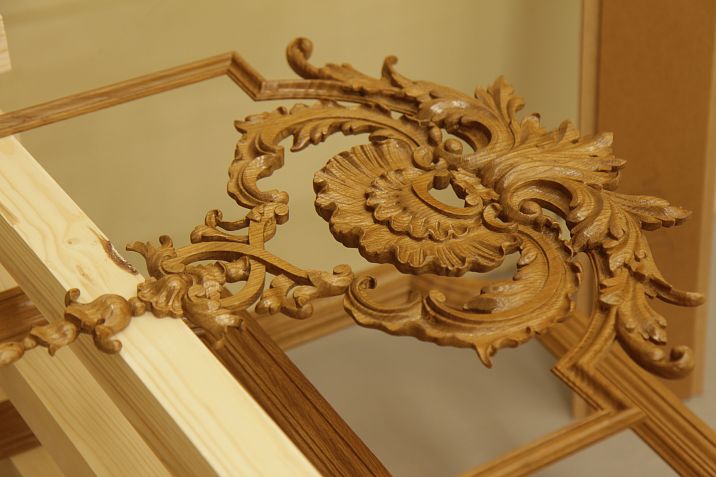
The production of wooden items is an art that has been passed down from master to master for centuries, refined and enriched by new technologies. Today, in the era of sustainable development and ecological awareness, natural wood is once again at the center of attention due to its unique properties, aesthetics, and durability. In this article, we will examine the history of wooden item production, technological processes, modern trends, and ecological aspects, as well as provide practical recommendations for manufacturers and consumers. Additional information and product catalog can be found onHomepage.


1. Introduction: The significance of natural wood in modern production
Natural wood has always been considered a symbol of quality, strength, and natural harmony. Its use in producing items for homes, offices, and public spaces is due to the following key characteristics:
● Ecological: Natural wood is a renewable resource, contains no synthetic additives, and does not emit toxic substances, ensuring a healthy microclimate.
● Strength and durability: Properly processed wood can serve for decades, remaining resistant to mechanical stress and environmental exposure.
● Unique aesthetics: Each wooden item has an unmistakable texture, natural grain pattern, and warm tone, making it an exclusive interior element.
● Thermal insulation and acoustics: Wood naturally retains heat and reduces noise levels, creating a comfortable atmosphere in rooms.
Modern production of natural wood combines ancient craft traditions with innovative technologies, enabling the creation of items meeting high standards of quality and design. Learn more about modern developments atHomepage.




2. Historical overview: From ancient crafts to modern technologies
Our factory also produces:


2.1 Ancient traditions of wood processing
The use of wood for utilitarian and decorative purposes is known to humanity since ancient times. Already in ancient times, craftsmen created simple yet functional items, paying attention to the natural grain of wood and its strength. In Egypt, Greece, and Rome, wooden items were an indispensable part of daily life and were often adorned with carving elements reflecting mythological scenes and symbolism.
Get Consultation
2.2 Middle Ages and the Renaissance
In the Middle Ages and the Renaissance, the art of wood processing reached new heights. Craftsmen created intricate carved ornaments, used inlays and polishing to highlight the natural beauty of wood. Dining tables, chairs, cabinets, and other interior items became not only functional objects but also works of art, passed down from generation to generation as family heirlooms.
2.3 Transition to modernity: Tradition and innovation
With the development of industry and the emergence of mechanized wood processing methods, craft traditions have not lost their relevance but have acquired a new sound. Today, modern technologies such as laser cutting, computer modeling (CAD/CAM), automated sanding, and finishing are used in the production of natural wood items. These methods allow achieving exceptional precision, preserving the natural grain, and ensuring the longevity of the items. Learn more about modern technologies by visitingWooden items .
3. Technology of producing wooden items
The process of creating wooden items consists of several stages, each playing an important role in the final product quality.
3.1 Selection and Preparation of Raw Materials
3.1.1 Selection of wood species
The quality of the finished item largely depends on the selected wood species. The most popular for production are:
● Oak: Known for its high strength, durability, and distinctive texture.
● Ash: Characterized by light color, elegant texture, and good flexibility, allowing the creation of items with graceful lines.
● Walnut: Valued for its rich color, beautiful grain pattern, and aesthetic appeal.
● Beech: A universal material suitable for creating items with smooth and uniform surfaces.
3.1.2 Drying wood
Proper wood drying is a key stage that prevents deformation, cracking, and warping of the finished item. Modern drying technologies allow achieving an optimal moisture level, which guarantees the stability and longevity of the items.
3.1.3 Disinfection and sorting
Before processing, the wood undergoes special disinfection procedures aimed at eliminating microorganisms and insects. Sorting allows selecting only premium raw material free of defects, which is a guarantee of high-quality final product.
3.2 Cutting, Forming, and Processing
3.2.1 Mechanized Cutting
Modern machines, such as CNC saws and laser cutters, provide precise wood cutting, minimizing waste and enabling the creation of items with ideal dimensions and shapes.
3.2.2 Hand Carving and Sanding
Despite the adoption of automated processes, manual work remains a crucial stage, especially for creating decorative elements. Experienced craftsmen impart individuality to items by performing delicate carving, which highlights the natural beauty of wood.
3.2.3 Final Processing
Final processing includes applying protective coatings: varnish, oil, or wax. These coatings not only accentuate the natural wood grain but also protect the item from moisture, contamination, and mechanical damage. The use of modern technologies ensures even coating distribution and long-lasting protection.
3.3 Assembly and Quality Control
After processing all components of the item, the assembly stage begins. Using high-quality fasteners, such as metal connectors or natural-based adhesives, guarantees structural strength and stability. Strict quality control is conducted at every production stage, allowing defects to be identified and eliminated before the item reaches the market.
4. Environmental and Social Aspects of Natural Wood Production
4.1 Environmental Responsibility
One of the key advantages of natural wood is its ecological purity. Using renewable resources, minimizing waste, and applying energy-efficient technologies help reduce negative environmental impact. Many manufacturers certify their products according to international environmental safety standards, guaranteeing the absence of toxic substances and sustainable production.
4.2 Sustainable Forestry
To ensure sustainable wood production, it is essential to use forestry methods that support the preservation of forest ecosystems. In collaboration with forestry enterprises and through certification systems (e.g., FSC or PEFC), manufacturers guarantee that wood comes from renewable sources and forests are restored in accordance with ecological standards.
4.3 Social Responsibility and Support for Crafts
Production of items from natural wood is closely linked to traditional crafts. Supporting small workshops and artisans helps preserve cultural heritage and develop local communities. Manufacturers focused on quality products often invest in training young specialists, enabling the preservation of unique wood processing techniques.
5. Modern Trends in Natural Wood Product Manufacturing
5.1 Innovative Technologies and Digitalization
In recent years, innovative technologies have been actively introduced into the production of natural wood items. Using CAD/CAM systems, laser cutting, and automated processing lines not only increases productivity but also ensures the highest product quality. These technologies enable the creation of complex geometric forms and exclusive designs, meeting even the most demanding customer requests.
5.2 Personalization and Customization
Modern consumers increasingly prefer unique items made to individual orders. Manufacturers offer a wide range of customization options: choice of wood species, custom carving, non-standard sizes, and original decorative elements. This approach allows creating products fully tailored to the customer’s needs and preferences.
5.3 Eco-Design and Minimalism
Current design trends focus on using natural materials and minimalist forms. The combination of eco-friendliness, simplicity, and functionality has become the main trend in interior design. Items made of natural wood in eco-design style fit perfectly into modern interiors, creating an atmosphere of naturalness and comfort. Learn more about current trends by visitingWooden items.
5.4 Fusion of Tradition and Modernity
Many designers and manufacturers strive to combine centuries-old craft traditions with modern technological achievements. The result is products that combine handcrafted work with the precision of digital technologies. This fusion allows creating items with a unique character while meeting high standards of quality and functionality.
6. Applications of Natural Wood Products: From Furniture to Decorative Elements
6.1 Furniture for Home and Office
Natural wood products are widely used in furniture manufacturing. From dining tables and chairs to cabinets, beds, and coffee tables — each detail is crafted with functionality and aesthetics in mind. Natural wood adds warmth and exclusivity to interiors, making spaces cozy and stylish.
6.2 Decorative Elements and Finishing
In addition to furniture, natural wood is used to create decorative panels, wall, floor, and ceiling claddings. Wooden finishing elements can add a natural charm to interiors, highlighting their individuality. Carved elements, decorative frames, and wooden installations become focal points in interiors, telling stories of craftsmanship and culture.
6.3 Industrial and Architectural Applications
Natural wood is used not only in the interiors of residential and commercial spaces, but also in architecture and industrial design. Structural elements, facades, decorative barriers, and even elements of urban infrastructure are created using natural wood, imparting elegance and ecological purity to the objects.
7. Quality and Standards: Quality Control at Every Production Stage
7.1 Quality Control Systems
Modern manufacturers pay special attention to quality control at every stage of production. From raw material selection to final inspection of the finished product, strict standards are applied to ensure the durability, safety, and aesthetic appeal of the products. Regular inspections, strength testing, and operational tests are an essential part of the production process.
7.2 Certification and Standards
Wooden products often undergo certification according to international quality and environmental safety standards. This guarantees that the products meet high requirements and that renewable resources are used in compliance with environmental norms. Such certification is an important factor for consumers choosing products that are safe for health and the environment.
8. Successful Projects and Development Prospects
8.1 Case Studies from Leading Manufacturers
There are numerous successful projects on the market demonstrating the capabilities of producing wooden items. Companies combining traditional craftsmanship with modern technologies create unique collections of furniture and decorative elements, gaining recognition both domestically and internationally. Details about the product range and latest developments can be found at %sWooden items.
8.2 Prospects and Innovative Directions
The future of wooden product manufacturing is linked to further digitization and integration of new technologies. Developing smart production management systems, using eco-friendly materials, and further optimizing technological processes will significantly expand capabilities and improve product quality. Innovative projects based on sustainable development principles are already setting new standards in the furniture and decorative industries.
9. Conclusion: Investing in Traditions, Quality, and the Future
Wooden product manufacturing is not just a technological process — it is the embodiment of culture, art, and sustainable development. From ancient crafts to modern high-tech lines, each product carries history, individuality, and ecological responsibility. Choosing wooden products means investing in quality, durability, and natural beauty that can transform any interior.
If you wish to learn more about products and innovative solutions in wooden manufacturing, as well as explore a wide range of items, visit %sWooden itemsHere you will find the best examples of combining traditional craftsmanship with modern innovations, making each item a unique work of art.
Natural wood continues to inspire designers, manufacturers, and consumers, remaining a symbol of warmth, comfort, and ecological purity. May your choice of wooden products become a guarantee of creating a harmonious, stylish, and ecologically safe space for living and working.


