Article Contents:
- Evolution of Design Thinking: From Utility to Art
- Historical Perspective on Wooden Shelves
- Modern Interpretation of Classical Forms
- Variety of Wood Species: The Character of Each Tree
- Oak: Monumentality and Nobility
- Walnut: Refinement and Luxury
- Ash: Dynamism and Modernity
- Cherry: Warmth and Elegance
- Technological Innovations: Craftsmanship Meets Science
- Modern processing methods
- Precision mechanical processing
- Constructive Features: Engineering Behind Beauty
- Traditional joinery
- Wall Mounting Systems
- Stylistic Directions: Harmony of Form and Content
- Classic style: Eternal elegance
- Modern minimalism: beauty of simplicity
- Scandinavian style: comfort and functionality
- Functional Capabilities: More Than Storage
- Space zoning
- Storage and Display System
- Ergonomic Aspects: Comfort of Use
- Anthropometric parameters
- Structural safety
- Finishing and Protective Coatings: Beauty and Durability
- Natural finishes
- Modern Protective Formulations
- Ecological aspects: Responsibility to nature
- Certified wood
- Forest Restoration Programs
- Maintenance and servicing: preserving beauty
- Regular maintenance
- Professional Maintenance
- Integration into Interior: Harmony of Styles
- Color coordination
- Compositional solutions
- Innovative solutions: technologies of the future
- Smart Shelves
- Adaptive Structures
- Economic aspects: investment in quality
- Cost of Ownership Analysis
- Impact on property value
- Trends in development: looking into the future
- Design personalization
- Ecological innovations
- Psychological Aspects: Wood and Human
- Biophilic Connection
- Impact on Creativity
- Conclusion: The Art of Living Beautifully
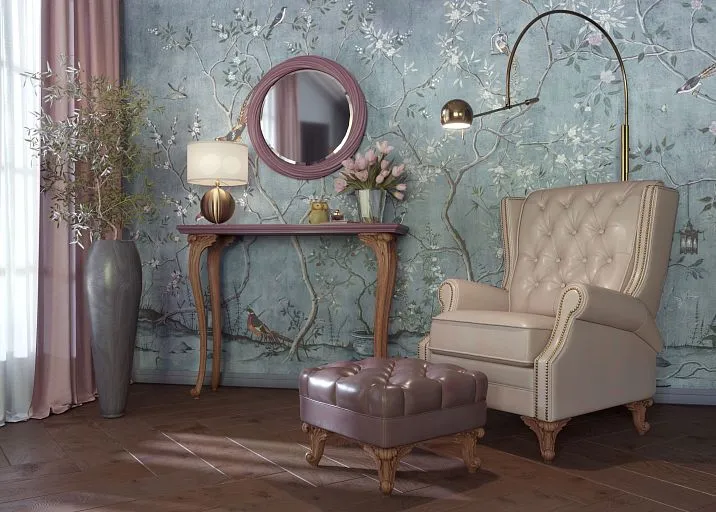
In the space of a modern home, there are elements that simultaneously serve practical purposes and are true works of art. Wooden Shelf embodies this remarkable duality — it does not merely organize space for storage, but becomes a central decorative element, a source of warmth and coziness in the home.
Each wooden shelf carries the history of the tree from which it was made. Annual rings tell of the seasons the plant experienced, wood texture creates unique patterns, and natural aromas remind us of forests and nature. This is not merely a functional item — it is a living embodiment of natural beauty in crafted form.
In a world of synthetic materials and mass production, choosing natural wood becomes a philosophical statement. It is a choice in favor of authenticity, longevity, and harmony with the environment.


Evolution of Design Thinking: From Utility to Art




Historical Perspective on Wooden Shelves
The history of wooden shelves begins with the moment when humans recognized the need for organized storage. Early examples were roughly shaped boards attached to the walls of caves and dwellings. Yet even then, people intuitively understood the special energy of wood, its ability to create a sense of home and security.
Medieval masters transformed a simple shelf into a work of art. Carved elements, inlays, complex joints without a single nail demonstrated not only functionality but also the owner's status. Each shelf became a reflection of the craftsman's skill and the client's taste.
Our factory also produces:


Modern interpretation of classical forms
Today's designers reinterpret traditional approaches, creating shelves that balance heritage with modern demands. Minimalism combines with functionality, and natural forms find new expression in geometric solutions.
Woodworking technologies allow creating shapes that were inaccessible to craftsmen of the past. At the same time, the main thing is preserved — respect for the material and the desire to highlight its natural beauty.
Get Consultation
Variety of wood species: The character of each tree
Oak: Monumentality and nobility
Oak shelves embody strength and constancy. The dense wood structure with pronounced radial rays creates a distinctive pattern that deepens over time. High tannin content provides natural protection against moisture and pests.
The color palette of oak ranges from light honey tones of young wood to deep brown hues of ancient trunks. Each Wooden Shelf oak slab becomes a unique work of natural art.
Walnut: Refinement and luxury
Walnut wood is traditionally considered premium-grade material. Its rich color palette, ranging from light brown to dark chocolate tones with distinctive grain patterns, turns each shelf into an exclusive interior element.
American black walnut demonstrates remarkable variety — from creamy-white sapwood to rich dark heartwood. This natural color play creates dynamic compositions impossible to replicate artificially.
Ash: Dynamism and modernity
Ash wood attracts with its light tone and expressive texture. Clearly defined annual rings form a dynamic pattern, especially striking with certain cutting methods. Ash’s high strength and elasticity allow creating slender, elegant structures without compromising reliability.
Cherry: Warmth and elegance
Cherry wood is renowned for its noble reddish-brown color and silky surface. A unique feature of cherry is its ability to age beautifully. Over time, the color deepens and becomes more saturated, giving shelves a distinctive appeal and value.
Technological innovations: Craftsmanship meets science
Modern processing methods
Creating a quality wooden shelf begins with careful material selection. Modern technologies enable non-destructive wood testing, revealing hidden defects and determining optimal processing methods.
Kiln drying under controlled conditions reduces wood moisture to an optimal level of 8–12%. This ensures dimensional stability of the finished product and prevents deformation during use.
Precision mechanical processing
CNC machines ensure precision in processing unattainable by hand. This is especially important when creating complex joints and decorative elements. Each part is manufactured to an accuracy of tenths of a millimeter.
Milling complex profiles, creating grooves and joints, final sanding — all operations are performed using specialized equipment under the control of experienced craftsmen.
Structural features: Engineering behind beauty
Traditional joinery
A quality shelf is built on time-tested joinery techniques. Dovetail, mortise-and-tenon, and wedge joints provide exceptional strength without using metal fasteners.
Special attention is paid to load distribution. The structure is designed to withstand not only static but also dynamic loads that occur during placement and rearrangement of items.
Wall mounting systems
Modern mounting systems provide secure shelf fixation while preserving aesthetic appeal. Hidden brackets allow creating a 'floating' shelf effect, where mounting elements are not visible.
For heavy shelves, reinforced mounting systems capable of supporting loads up to 50–80 kg are used. This allows shelves to be used not only for light decorative items but also for books, electronics, and other heavy objects.
Stylistic directions: Harmony of form and content
Classic Style: Eternal Elegance
Classic wooden shelves are characterized by strict proportions and refined restraint in decoration. Carved elements, cornices, pilasters create a sense of grandeur and respectability. Each detail is carefully crafted and carries a specific semantic meaning.
Finishing is performed using traditional techniques — multi-layer lacquer coating creates depth of color and flawless surface smoothness. Patination adds an effect of noble antiquity.
Modern minimalism: beauty of simplicity
Minimalist shelves are characterized by clean lines and absence of excessive decoration. Emphasis is placed on material quality, perfection of proportions, and functionality. Each structural element has a practical purpose.
The natural beauty of wood becomes the main decorative element. Matte finishes highlight the tactile qualities of the material, creating a desire to touch the surface.
Scandinavian style: Coziness and functionality
The Scandinavian approach to shelf design emphasizes the connection between humans and nature. Light wood species, simple forms, and eco-friendly finishes create an atmosphere of northern coziness.
The philosophy of hygge finds expression in ergonomic solutions and thoughtful functionality. Each shelf becomes not just a storage space, but a source of positive emotions.
Functional capabilities: More than storage
Space Zoning
Shelves made of natural wood play an important role in organizing space. They help create visual boundaries between functional zones without compromising the overall sense of openness.
Different shelf heights allow for a dynamic composition that directs the gaze and shapes the perception of the room. Properly placed shelves can visually increase ceiling height or expand the space.
Storage and display system
Modern Wooden Shelf This is not just a horizontal surface for placing items. It is a thoughtfully designed system that allows simultaneous storage and display of collections, books, and decorative objects.
Different shelf depths allow for placing items of various sizes. Hidden compartments provide additional storage options while maintaining the visual purity of the composition.
Ergonomic aspects: Comfort of use
Anthropometric Parameters
When designing shelves, anthropometric data of users are taken into account. The optimal height for placing shelves is calculated based on average human height and the intended use of the shelf.
Shelves for daily use are placed at a height of 120–160 cm, ensuring easy access without additional aids. Decorative shelves can be placed higher, creating visual accents in the upper part of the room.
Structural safety
All sharp edges and corners are rounded, eliminating the risk of injury from accidental contact. Special attention is paid to the strength of fastening — each shelf is tested with a multiple safety factor.
Shelf surfaces are treated to eliminate burrs and roughness. This is important not only for safety but also for preserving the items placed on them.
Finishing and protective coatings: Beauty and durability
Natural coatings
Oil-based finishes using linseed and tung oil penetrate the wood structure, highlighting its natural beauty. They create a breathable coating that allows wood to regulate humidity in the room.
Wax finishes give surfaces a silk-like texture and create pleasant tactile sensations. Natural beeswax provides protection against moisture and dirt while preserving the wood’s ability to 'breathe'.
Modern protective compositions
Polyurethane coatings provide high resistance to mechanical damage and moisture. They form a durable protective film that retains its properties for many years.
UV-resistant components prevent wood from fading under sunlight exposure. This is especially important for shelves placed near windows or in rooms with abundant natural lighting.
Ecological aspects: responsibility toward nature
Certified Wood
Using wood certified by FSC (Forest Stewardship Council) guarantees that it originates from responsibly managed forests. This means that wood harvesting was conducted in accordance with ecological, social, and economic standards.
Each shelf comes with documentation confirming the legality of the material’s origin. This is important not only from an ecological standpoint but also for consumers who make conscious choices in favor of sustainable development.
Forest restoration programs
Many manufacturers participate in reforestation programs, planting new trees to replace those used. The ratio of planted to harvested trees is 3:1, ensuring not only restoration but also expansion of forest resources.
Modern forestry methods include selective breeding to develop fast-growing varieties with improved wood characteristics. This allows reducing the growth cycle without compromising material quality.
Maintenance and care: preserving beauty
Regular Maintenance
Wooden shelves require minimal but regular maintenance. Weekly cleaning with a soft dry cloth removes dust and maintains the natural sheen of the surface. Microfiber effectively collects dirt without leaving scratches.
Wet cleaning is performed as needed with slightly damp cloth, followed by thorough drying. Use of aggressive cleaning agents is prohibited, as they may damage the protective coating.
Professional Maintenance
Periodic renewal of protective coatings extends the lifespan of shelves and maintains their appearance. Oil-based finishes are renewed every 2–3 years, varnish-based ones every 5–7 years depending on usage conditions.
Minor damage can be locally repaired using special restorative compositions. Deep scratches and chips require professional repair with partial surface sanding.
Integration into interior: Harmony of styles
Color coordination
The choice of wood tone should harmonize with the overall color scheme of the interior. Light wood species visually expand the space and create a sense of airiness. Dark wood species add solidity and elegance to the interior.
Contrasting solutions can become eye-catching accents, drawing attention to specific areas. At the same time, it is important to maintain balance so that shelves do not deviate from the overall design concept.
Compositional Solutions
Grouping several shelves creates dynamic compositions that can become the central element of the interior. Asymmetric placement adds modernity, while symmetric placement emphasizes the classic character of the space.
Combining shelves of different lengths and depths allows creating a multi-level storage system adapted to various items. This is especially relevant in small rooms, where every centimeter of space must be used as efficiently as possible.
Innovative solutions: technologies of the future
Smart Shelves
Integrating electronic systems into wooden shelves opens up new possibilities. Built-in LED lighting not only highlights the beauty of the wood but also provides functional illumination for the items placed on them.
Presence sensors automatically turn on the lighting when a person approaches. This is not only convenient but also energy-efficient. Wireless technologies allow controlling the lighting via smartphone or voice commands.
Adaptive constructions
Modular shelf systems allow easily changing the configuration according to needs. Adjustable brackets enable changing the placement height without dismantling the entire structure.
Transformable elements expand the functionality of shelves. Folding sections, pull-out drawers, and rotating mechanisms turn a simple shelf into a multifunctional storage and display system.
Economic Aspects: Investment in Quality
Analysis of ownership cost
Quality Wooden Shelf Represents a long-term investment. Initial costs are offset by exceptional durability and the possibility of restoration.
Unlike shelves made of synthetic materials, which require replacement every 5-10 years, wooden shelves last for decades. With proper care, they not only retain their functional qualities but also become more aesthetically appealing over time.
Impact on property value
Quality wooden furniture and interior elements increase the overall property value. Potential buyers are willing to pay extra for homes with thoughtful design and quality finishes.
Wooden shelves create a sense of permanence and stability, which is especially important in the premium real estate segment. They demonstrate the owner’s taste and attention to detail.
Trends in development: looking toward the future
Design Personalization
Modern technologies allow creating shelves according to individual sketches, taking into account the specific needs of the client. 3D modeling enables visualizing the future product and making necessary adjustments before production begins.
Laser engraving allows applying personal images, ornaments, text onto the wood surface. This makes each shelf unique and irreplaceable, reflecting the owner’s individuality.
Ecological Innovations
The development of biotechnology opens new possibilities in wood processing. Enzymatic methods allow changing wood properties without using chemicals, making the production process more eco-friendly.
Using wood processing waste to create composite materials contributes to rational resource use. Modern technologies allow creating materials that do not fall short of solid wood in terms of properties.
Psychological Aspects: Wood and Human
Biophilic Connection
On a genetic level, humans are inclined toward contact with nature. The presence of wooden elements in interior spaces activates this innate need, creating a sense of comfort and security.
Tactile contact with wooden surfaces stimulates the production of oxytocin — a hormone responsible for social bonding and feelings of well-being. This explains the particular appeal of wooden furniture to humans.
Influence on Creativity
Natural shapes and textures of wood stimulate creative thinking. Placing wooden shelves in work areas contributes to increased productivity and generation of new ideas.
Contemplating natural wood grain patterns activates the right hemisphere of the brain, responsible for intuition and artistic perception. This makes wooden shelves an ideal choice for creative spaces.
Conclusion: the art of living beautifully
In a world where technology often distances us from nature, Wooden Shelf it becomes a bridge connecting us to the natural world. It reminds us of the importance of authenticity, quality, and beauty in everyday life.
Each wooden shelf is not just a functional interior element, but a work of art created through the joint creativity of nature and humanity. The years of tree growth, the craftsmanship of the artisan, and modern processing technologies — all come together in a single item capable of serving generations.
Choosing natural wood is a conscious decision reflecting the values and priorities of modern people. It is a choice of quality over quantity, durability over short-term economy, beauty over functionality.
Wooden shelves create a special atmosphere in the home — an atmosphere of warmth, coziness, and harmony. They contribute to creating a space that is not only functionally useful but also emotionally comfortable. In such a home, one wants to spend time, host guests, and create family traditions.
Modern manufacturing technologies allow combining traditional craftsmanship with innovative solutions. The result is products that meet the strictest requirements for quality, functionality, and aesthetics.
The ecological aspect of choosing natural wood takes on special significance in the context of global environmental challenges. Each shelf made from certified wood is a contribution to sustainable development and preserving natural resources for future generations.
Investing in quality wooden furniture is an investment in the future. Such items do not lose their value over time; instead, they gain unique appeal and character. They become family heirlooms passed down from generation to generation.
The psychological impact of natural materials on a person is difficult to overestimate. Wooden shelves contribute to creating a harmonious living environment that positively affects the physical and emotional well-being of all family members.
When selecting shelves made of natural wood, it is important to consider not only their appearance but also the quality of the material, craftsmanship, and compatibility with interior style. Every detail matters—from the type of wood to the method of assembly.
STAVROS embodies the best traditions of working with natural wood, creating shelves of exceptional quality for the most discerning clients. Years of experience, deep understanding of the properties of various wood species, and the use of advanced technologies enable STAVROS to create items that become true works of art.
STAVROS masters understand that each shelf is not merely a piece of furniture but an important element of a person’s living space. Therefore, every item is crafted with special care, taking into account the individual preferences of the client and the specific features of the interior.
By choosing STAVROS, you receive not just quality furniture, but a unique piece created with soul and attention to every detail. STAVROS is a guarantee that your wooden shelves will not only be functional elements of the interior but also sources of aesthetic enjoyment for many years.
By trusting STAVROS, you choose quality proven over time, design created with an understanding of modern trends, and service oriented toward long-term relationships. STAVROS is synonymous with craftsmanship, reliability, and innovation in the world of wooden furniture and interior solutions.