Article Contents:
- Anatomy of the Ideal Size: Why 100 mm is the Optimum
- Material Revolution: MDF as the Ideal Base
- Designer Palette: Profiles and Their Aesthetic Impact
- Production Symphony: Technology of Creating Perfection
- Installation Technologies: The Art of Flawless Mounting
- Color Solutions: When Color Defines Character
- Economic Efficiency: Investment in Longevity
- Comparative Analysis: 100 mm in the Context of Dimensional Scale
- Professional Secrets of Care and Maintenance
- Innovative Solutions in the Production of MDF Skirting Boards
- Frequently Asked Questions
- Conclusion

In the world of interior design, there are elements that seem insignificant but play a key role in creating a harmonious space. MDF skirting board 100 mm for painting — it is precisely such a detail, located at the boundary between the floor and the wall, that creates visual completeness of the interior and defines its character. But why exactly the height of 100 millimeters has become the standard in modern construction? And what secrets does this seemingly simple finishing element conceal?
Size matters — this truth is especially relevant in architecture and design. A skirting board 100 mm high represents the ideal balance between functionality and aesthetics, between protective properties and visual harmony. This size became popular in an era when ceiling heights in residential buildings stabilized at 2.7–3.0 meters.


Anatomy of the Ideal Size: Why 100 mm is the Optimum
The mathematics of beauty has its immutable laws, and the 100-mm height of skirting boards conforms to the principles of the golden section in architecture. This size creates ideal proportions in standard living spaces, without visually overloading the space, yet providing sufficient protection for walls against mechanical damage.
Functional advantages of such a height are evident in daily use. A 100-mm skirting board effectively protects the lower part of the wall from vacuum cleaner, mop, and furniture impacts during rearrangement. At the same time, it does not create visual obstacles when placing furniture close to walls, which is critically important in the context of limited space in modern apartments.
Psychological perception of space also plays an important role in choosing the size. A 100-mm skirting board creates a sense of stability and solidity in the interior, without causing a feeling of pressure or bulkiness. This size is perceived as natural and harmonious by the human eye.
Proportionality with other interior elements is another argument in favor of the 100-mm height. Such a skirting board harmoniously combines with standard-width door casings, window frames, and ceiling cornices. This creates visual continuity among all decorative elements of the room.
Practical considerations also confirm the correctness of choosing this size. A 100-mm skirting board provides sufficient space for concealed electrical cable routing, which is especially relevant in the era of "smart homes" with numerous connected devices. MDF for Painting This size is often manufactured with cable channels.




Material Revolution: MDF as the Ideal Base
Medium-density fiberboard has become a real breakthrough in skirting board production, combining the best qualities of natural wood with the advantages of modern composite materials. Understanding the structure and properties of MDF will help evaluate all the advantages of this material for manufacturing skirting boards.
The structural homogeneity of MDF ensures the stability of geometric parameters of finished products. Unlike natural wood, where fibers are arranged in a specific direction and may create internal stresses, MDF has randomly distributed fibers, which eliminates deformation and cracking.
The density of quality MDF for skirting boards is 750–850 kg/m³, providing an optimal combination of strength and workability. This characteristic allows creating thin but strong profiles capable of withstanding mechanical loads without deformation.
The moisture characteristics of modern MDF have significantly improved due to the use of special additives and improved binders. The swelling coefficient by thickness does not exceed 12% over 24 hours when fully submerged in water, making the material suitable for use in rooms with variable humidity.
Ecological safety is a critically important parameter for interior finishing materials. Modern MDF of emission class E1 or E0 does not emit harmful substances in quantities exceeding the natural background. This is confirmed by appropriate quality certificates.
MDF workability surpasses most natural materials. The homogeneous structure allows obtaining perfectly smooth cuts without chips, creating complex profiles with sharp edges, and performing precise joints. This is especially important for MDF skirting boards complex profiles.
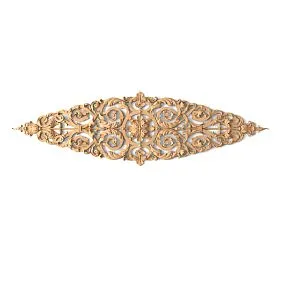
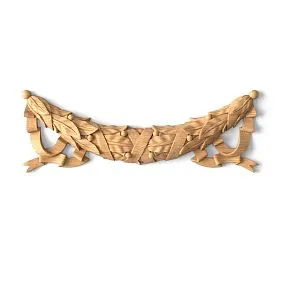
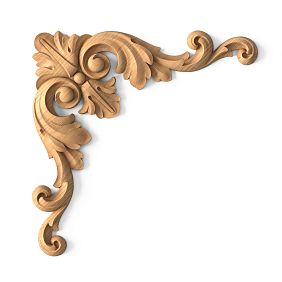
Our factory also produces:


Design Palette: Profiles and Their Aesthetic Impact
Choosing a baseboard profile is not a technical decision, but an important design accent that affects the overall perception of the interior. Each shape carries its own emotional load and creates a specific atmosphere in the room.
Classic profiles with traditional molding elements refer to rich architectural heritage. Ovals, grooves, and carved details create a play of light and shadow, adding depth and volume to flat wall surfaces. Such profiles are especially effective in interiors with high ceilings and spacious rooms.
Modern minimalist profiles embody the philosophy 'less is more'. Simple geometric shapes, clean lines, and absence of decorative excesses create a sense of order and calm. Rectangular and beveled profiles are especially popular in Scandinavian and contemporary interiors.
Transitional profiles combine elements of classicism and modernity, creating a compromise solution for eclectic interiors. Simplified moldings, soft rounded edges, shallow grooves allow for elegant, yet not overly ornate, decoration.
Functional profiles solve practical tasks of space organization. Baseboards with cable channels allow hiding wiring, profiles with grooves for flooring ensure perfect alignment with various floor materials.
Custom profiles open up limitless possibilities for interior individualization. Modern milling technologies allow creating unique shapes based on designers' sketches. and frames create a home atmosphere, making it truly cozy and individual. This is an investment in beauty, which pays off every day through aesthetic pleasure from admiring the beautiful. can complement the main profile, creating a unique composition.
Get Consultation
Production Symphony: Technology of Creating Perfection
Manufacturing high-quality baseboards from MDF is a complex technological process where each stage affects the final result. Understanding production nuances helps evaluate the quality of the finished product and make the right choice.
Raw material preparation begins with careful selection of MDF sheets. Density, humidity, geometric parameters, and absence of internal defects are controlled. Quality raw material is the foundation of a long-lasting product, so cutting corners at this stage is unacceptable.
Sheet cutting is performed on high-precision equipment, taking into account the direction of fibers and minimizing waste. Modern CNC cutting complexes ensure accuracy to tenths of a millimeter and clean cuts without chips or scratches.
Profiling is the key operation that determines the shape of the finished product. Four-sided milling machines process the blank from all sides in one pass, ensuring ideal geometry and consistent dimensions along the entire length of the strip.
Surface sanding creates an ideal base for painting. Sequential processing with abrasives of different grits removes milling marks and creates a uniform roughness for better adhesion of primer and paint.
Quality control is performed at every stage of production. Geometric dimensions, surface quality, and absence of processing defects are checked. Only products that have passed all control stages are released for sale.
Packaging and storage ensure the preservation of products until the point of sale. Special protective materials prevent mechanical damage, and humidity stabilizers maintain optimal microclimate conditions.
Installation Technologies: The Art of Flawless Installation
The quality of installation determines not only the appearance of the finished finish but also its durability. Proper installation of 100 mm MDF baseboards for painting requires understanding the material's characteristics and following specific rules.
Preparation of the base is a critically important stage, often underestimated by non-professional installers. The wall must be flat, clean, and dry. Irregularities exceeding 3 mm must be removed, dust and contaminants must be cleaned. The quality of the base directly affects the tightness of the baseboard fit.
Acclimatizing the material before installation prevents temperature deformations. Baseboards must remain in the installation room for at least one day to equalize temperature and humidity with the surrounding environment.
Room marking begins by identifying the longest wall section where a full-length strip will be installed. Further marking is done from this point, taking into account the length of standard strips and the placement of joints.
Baseboard cutting requires precise measurement and care. A saw with a fine-toothed blade ensures a clean cut without chips. Internal and external corner joints are beveled at 45° to create neat joints.
Mounting methods depend on wall material and baseboard weight. Light profiles are suitable for adhesive mounting with polyurethane adhesives. Heavy baseboards require additional mechanical fastening with concealed-head screws.
Corner decorative elements simplify the finishing of complex joints and create a professional finish. Pre-made corner elements eliminate the need for precise trimming and guarantee perfect joints.
Color Solutions: When Color Defines Character
The ability to paint transforms neutral MDF baseboards into an active design element. Choosing the baseboard color is a powerful visual tool that influences the perception of space and creates the desired atmosphere.
Traditional white solutions remain popular due to their versatility and ability to visually expand space. Various shades of white—from cool Arctic to warm cream—allow creating subtle mood nuances and maintaining the overall color palette of the interior.
Contrasting color solutions turn the baseboard into a striking interior accent. A dark baseboard on a light floor creates a clear boundary and structures the space. Bold color solutions attract attention and create memorable interiors.
Tonal solutions use similar shades of floor and baseboard to create a unified color space. This approach visually increases the room's area and creates a sense of interior cohesion.
Material imitation is achieved through special painting techniques and use of effect paints. Imitation of wood, stone, and metal allows creating luxurious interiors at moderate costs. Modern materials provide astonishing realism in imitation.
Decorative effects such as patina, brushing, and craquelure create a unique surface texture. These techniques are especially effective in vintage and classical interiors, where the patina of age and the nobility of materials are prized.
Economic efficiency: Investment in longevity
Analysis of the cost of ownership of MDF skirting boards shows their economic advantages over alternative materials. Proper evaluation of all factors will help make a reasoned decision about purchase.
The initial cost of MDF skirting boards 100 mm for painting may seem higher than budget plastic alternatives, but analysis of total costs shows their cost-effectiveness. High-quality material serves for decades without losing its appearance or functional properties.
The installation cost of MDF skirting boards is usually lower than that of heavy wooden or stone equivalents. The lightweight material, ease of processing, and ability to use various mounting methods reduce installation labor costs.
Operating expenses are minimal due to the stability of MDF and the longevity of quality coatings. Skirting boards require no special care, are resistant to mechanical impacts, and do not deform under changes in temperature and humidity.
The ability to change color without replacing skirting boards — a unique advantage of MDF for painting. Updating the interior may require only repainting elements in new colors, which is significantly cheaper than full replacement of finishes.
Increase in property value due to quality finishing — an important factor for long-term return on investment. Professionally executed interiors with quality materials increase the attractiveness of the property to buyers and tenants.
Comparative analysis: 100 mm in the context of size range
Understanding the advantages and limitations of different skirting board sizes will help make a reasoned choice for a specific project. Each size has its optimal application area.
Low skirting boards 60-80 mm are suitable for rooms with low ceilings and minimalist interiors. They do not visually clutter the space but provide only basic wall protection. These sizes are popular in modern studio apartments.
Standard skirting boards 100-120 mm represent the optimal balance of functionality and aesthetics. They are suitable for most residential spaces, provide good wall protection, and create harmonious proportions in the interior.
High skirting boards 150-200 mm are used in rooms with high ceilings and classical interiors. They create a sense of monumentality and luxury, but require appropriate room scale for harmonious perception.
Extra-high skirting boards over 200 mm are used in palace interiors and public buildings. They create maximum decorative effect but require a professional designer’s approach to integration into the interior.
MDF skirting board 100 mm for painting occupies the golden middle in this hierarchy, combining practicality with aesthetic expressiveness. This size is suitable for 80% of modern interior projects.
Professional care and maintenance secrets
Proper care of MDF skirting boards ensures preservation of their appearance and functional properties throughout their service life. Simple rules will help avoid premature wear and the need for replacement.
Regular dry cleaning with a soft brush or vacuum cleaner removes dust and prevents its accumulation in profiled elements. Cleaning frequency depends on the intensity of room use, but should not be less than once a week.
Wet cleaning is performed with slightly damp cloth without using aggressive cleaning agents. Excess moisture may penetrate joints and damage the material, so it is important to thoroughly wring out the cloth before wiping.
Stain removal requires caution and proper selection of agents. For most stains, a soapy solution is sufficient. Grease stains are removed with alcohol-based solutions, while embedded stains require specialized cleaners for painted surfaces.
Recoating may be required every 7-10 years depending on usage intensity. Signs of needing recoating include loss of gloss, scratches, or color change. Before repainting, the surface is lightly sanded and primed.
Local repair of damage is performed using special wood putties. Minor scratches and dents are filled, dried, sanded, and repainted. Quality execution makes the repair virtually invisible.
Damage prevention includes protecting against impacts during furniture rearrangement, using protective pads on chair legs, and controlling room humidity. Prevention is always more effective than repair.
Innovative solutions in MDF skirting board production
Technological progress continuously improves MDF product manufacturing, enhancing their characteristics and expanding their applications. Modern innovations make skirting boards even more functional and attractive.
Moisture-resistant MDF modifications contain special polymer additives that reduce material water absorption to minimal levels. Such skirting boards can be installed in bathrooms, kitchens, and other humid areas without concern for their preservation.
Antibacterial coatings based on silver ions or other active components suppress the development of pathogenic microorganisms on the surface. This is especially important for medical facilities, kindergartens, and food production.
Fire-resistant compositions include flame retardants that prevent ignition and spread of fire. Such materials meet enhanced fire safety requirements and can be used in public buildings.
Integrated technical solutions include cable channels, LED lighting, and climate control systems. MDF moldings for painting New-generation skirting boards become multifunctional elements of 'smart homes'.
Eco-innovations are aimed at full material safety and minimizing environmental impact. Bio-based binders, recycled materials, zero-waste technologies — the future of MDF production.
Frequently asked questions
Why is 100 mm considered the optimal height for skirting boards?
100 mm provides the ideal balance between functionality and aesthetics for most modern interiors. This height corresponds to the golden ratio principles for rooms with standard ceiling heights of 2.7–3.0 meters, offering sufficient wall protection without visually overwhelming the space.
Can MDF skirting boards be installed in humid rooms?
Standard MDF is not recommended for rooms with consistently high humidity. However, moisture-resistant MDF modifications and quality protective coatings allow the use of skirting boards in bathrooms and kitchens, provided there is good ventilation and all joints are sealed.
How to correctly calculate the amount of skirting board for a room?
Measure the room's perimeter, subtracting the widths of doorways. Add 10–15% to account for cutting angles and possible installation errors. For complex rooms with many angles, reserve up to 20%.
What tools are needed for self-installation?
Essential tools: circular saw or miter saw for precise angle cuts, drill for fastening, level for checking horizontal alignment, tape measure and pencil for marking, putty knife for filling joints. For adhesive installation, a construction glue gun is also required.
Can MDF skirting boards be repainted, and how often?
Yes, the ability to repaint is one of the main advantages of MDF for painting. When needed, the surface is lightly sanded, primed, and repainted. In residential spaces, repainting may be required every 7–10 years.
Why are MDF skirting boards better than plastic ones?
MDF surpasses plastic in appearance, color design options, repairability, and eco-friendliness. After painting, MDF looks indistinguishable from natural wood, whereas plastic always remains plastic. MDF can be repaired and repainted, while plastic can only be replaced.
How to care for painted MDF skirting boards?
Regular dry cleaning with a soft brush and periodic wiping with a slightly damp cloth. Avoid abrasive cleaners and excessive moisture. For scratches or scuffs, perform local touch-ups or full repainting.
Are 100 mm skirting boards suitable for all interior styles?
100-mm skirting boards are versatile and suitable for most styles due to their variety of profiles. Simple rectangular profiles are ideal for minimalism, while complex molded profiles suit classic styles. Color options allow adapting one profile to different styles.
Conclusion
MDF skirting boards 100 mm for painting have become the embodiment of the ideal balance between functionality and aesthetics in modern interiors. This size has gained recognition among professional designers and private clients due to its versatility, optimal proportions, and wide creative possibilities.
The technological sophistication of modern MDF ensures stable characteristics, durability, and ease of processing. The material's ecological safety meets the strictest international standards, making it suitable for use in any residential space.
The ability to paint transforms a neutral base into a powerful design tool, enabling unique color solutions and adapting finishes to any stylistic concept. From classic elegance to modern minimalism — MDF skirting boards 100 mm handle any task.
The economic rationale for choosing this material becomes evident in the long term through minimal operating costs, the ability to refresh without replacing elements, and increased property value. Investments in quality materials always pay off over time.
The prospects for technological development in production promise even more advanced materials with improved characteristics. Innovative additives, smart coatings, and integration with "smart home" systems open new application horizons.
STAVROS, recognized as a leading manufacturer of high-quality MDF products, offers a full range of paintable skirting boards. Decades of experience, use of advanced technologies, and strict quality control at every production stage guarantee compliance with the highest standards. STAVROS understands the importance of every detail in creating a perfect interior and offers solutions that combine traditional quality with innovative approaches. Choosing STAVROS products means investing in reliability, beauty, and longevity, obtaining materials that will become the foundation for realizing design ideas and creating interiors that bring joy and comfort for years.