












































































Article Contents:
- 1. Why is baseboard needed and why is selection so important?
- 1.1. Functions of baseboard
- 1.2. What makes wooden baseboard particularly good?
- 2. Factors determining the price of wooden baseboards
- 2.1. Wood species
- 2.2. Quality of raw material and degree of processing
- 2.3. Manufacturing technology and profile complexity
- 2.4. Brand or manufacturer level
- 2.5. Order volume and purchase conditions
- 2.6. Seasonal factors
- 3.1. Price ranges
- 3.2. Additional costs
- 3.3. Cost-saving vs. quality
- 5. How to check baseboard quality on-site
- 6.1. On self-tapping screws
- 6.2. On adhesive ("liquid nails")
- 6.3. With clips
- 8. Designer’s recommendations: how to match baseboard with overall style
- 9. Answers to frequently asked questions about the price of wooden baseboards
- 10. Step-by-step algorithm for selecting the optimal option
- 11. Summary
- 12. Conclusion

the price, as well as discuss nuances of selection, installation, and care of a product made from natural solid wood. Our goal is to help you make an informed decision and invest in a truly worthy product that will delight you and serve for many years.Price of wooden floor skirtingWe will also discuss the nuances of selecting, installing, and caring for a natural solid wood product. Our goal is to help you make an informed decision and invest in a truly worthy product that will delight you and serve for many years.


1. Why is baseboard needed and why is selection so important?




1.1. Functions of baseboard
- Protective. The baseboard "covers" the lower part of the wall and prevents damage during cleaning or furniture rearrangement. Without baseboard, walls may get dirty faster, accumulate dust, and during wet cleaning, water and cleaning agents can seep into gaps, damaging materials.
- Decorative. The finishing line of the baseboard helps visually "frame" the space, creating a harmonious transition between the floor and the wall. For classic interiors, decorative, carved profiles are often chosen, emphasizing luxury or the owner's status, while minimalist styles prefer strict and minimalist forms.
- Communicative. Modern models often have special channels where you can neatly hide internet, TV, and audio system cables. This is especially relevant in the era of technology, when cables become more numerous, and there is often nowhere to hide them.
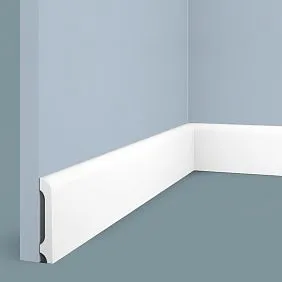
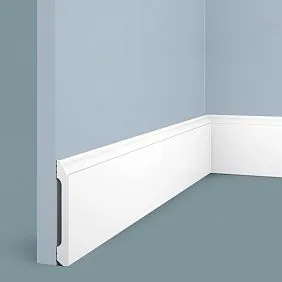
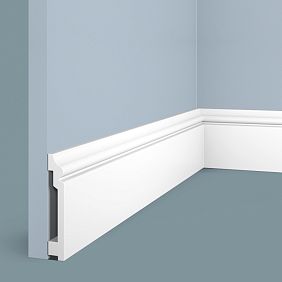
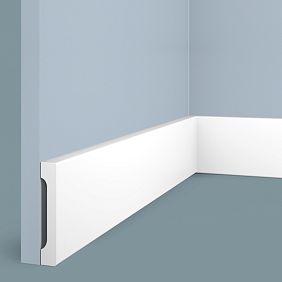
Our factory also produces:
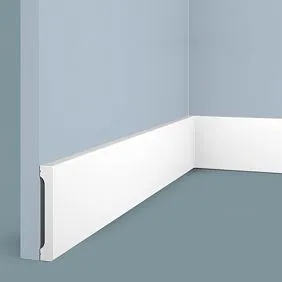
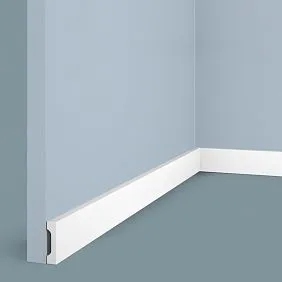
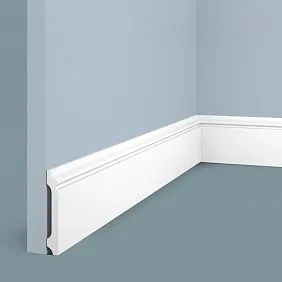

1.2. What makes wooden baseboard particularly good?
● Ecological. Wood is a natural material that does not emit harmful substances and is safe for health.
● Durability and longevity. With proper processing and care, a wooden skirting board will last for decades without losing its beauty or functional properties.
● Ease of restoration. If scratches or chips appear on a wooden skirting board, they are often easily sanded down or repainted — and it will look brand new again.
● Wide selection of textures and shades. Each wood species has its own unique texture, and the use of stains, oils, and varnishes opens up vast possibilities for stylistic experimentation.
Therefore, if you plan to create a quality, beautiful, and long-lasting interior, a skirting board made from solid natural wood becomes an obvious choice for purchase. But what about the price? How is it formed and what factors influence it? We’ll discuss this further.
Get Consultation
2. Factors determining the price of wooden skirting boards
2.1. Wood species
- Exotic and expensive. These include species such as walnut, teak, wenge, and merbau. They possess high hardness, unique texture, and a prestigious appearance, but their price will correspondingly be higher. Such a skirting board is often chosen for luxury interiors.
- Classic European (oak, beech, ash). These are the most in-demand species on the market. They offer the optimal balance of "price – quality" and enjoy deserved popularity due to their strength, variety of shades, and noble appearance.
- Budget-friendly (pine, spruce). Products made from coniferous species, although less durable, have low cost and a wide range of color options. However, it is important to note that softwood is more susceptible to mechanical damage.
The more valuable the wood species, the higher the cost. Additionally, the geography of raw material origin and harvesting conditions play a significant role.
2.2. Quality of raw material and degree of processing
● Wood selection. For high-quality products, wood with minimal knots, cracks, and other defects is selected. Such wood is more expensive, but it has uniform texture and superior performance characteristics.
● Moisture content. Properly dried wood (usually 8–12% moisture) does not shrink or warp after installation. If the skirting board is made from raw or poorly dried material, deformation and cracking may occur over time.
● Surface treatment. Sanding, priming, oiling, varnishing, or painting — all these operations increase the cost. However, the buyer receives a fully ready-to-install and use product.
2.3. Manufacturing technology and profile complexity
● Simple profile. A minimalist "rectangular" skirting board without unnecessary curves is cheaper, as its production is technically simpler.
● Complex decorative shapes. Carved details, decorative protrusions, and rounded edges increase labor intensity and require more expensive equipment. This affects the final price.
● Presence of cable channels. Complex models with recesses for wires usually cost slightly more, but many consider this feature extremely convenient.
2.4. Brand or manufacturer level
Many well-known woodworking factories have a solid reputation, but also higher prices. Small local manufacturers often offer budget options, though it is difficult to guarantee consistent quality. On the other hand, some private workshops specialize in exclusive solutions. Thus, a brand does not always guarantee high or low price, but it provides a certain assurance regarding product characteristics and service level.
2.5. Order volume and purchase conditions
Many companies reduce retail prices for large wholesale purchases. If you are buying skirting boards for several rooms or a large project, it is worth checking for discounts in advance. Additional savings may be possible with self-pickup or using various promotions.
2.6. Seasonal factors
Sometimes, like everywhere else, the construction materials market exhibits seasonality. Demand for repair and finishing materials is usually higher in summer, so prices may slightly increase. In winter, demand decreases and discounts appear. This rule is not always strictly followed, but planning the timing of purchases can also influence the cost.
3. How to navigate the variety of prices
3.1. Price ranges
Conditionally, wooden skirting boards can be divided into several categories by cost (per linear meter):
- Economy (approximately 100–300 rubles/m). Often this is pine or spruce, sometimes simple oak variants with many knots and non-ideal geometry. May be sold without final finish. Suitable for budget renovations, cottages, technical spaces.
- Mid-range segment (from 300 to 800 rubles/m). The most popular option, dominated by oak, beech, and larch. The profile can be simple or complex. Here, sanding and even final finishing are usually present.
- Premium (from 800 rubles/m and above). Includes high-grade products made from expensive or exotic species, may feature complex carved profiles and exclusive finishes. This category also includes some custom designer solutions.
3.2. Additional Costs
When planning the budget, remember that purchasing skirting alone does not limit expenses:
- Fastening materials (screws, clips, glue, etc.).
- Installation. If you hire professionals, you will have to pay for installation. The cost of the service may depend on the profile's complexity and the condition of the walls.
- Delivery. Some stores offer free delivery only within the city for orders above a certain amount; delivery outside the city or over long distances may be charged separately.
3.3. Economy vs. Quality
Can you choose the cheapest option and still be satisfied with the result? Possibly, if it's for a country house, utility rooms, or temporary solutions. However, for main living rooms, offices, or restaurants, consider more durable and aesthetically pleasing skirting made from quality wood. Remember, longevity, appearance, and overall interior concept directly depend on quality.
4. Where to Look and Buy Wooden Skirting
If you are consideringPrice of wooden floor skirting and want to find the optimal cost-to-quality ratio, there are several options:
- Construction hypermarkets. Here you'll find a wide selection and can quickly assess prices. However, there's a risk of encountering mediocre options or limited series. Moreover, consultants may not always provide detailed information about the origin and characteristics of the wood.
- Specialized stores. These often feature certified models, allow you to feel samples, and offer professional consultation. In this case, there's a high likelihood you'll select the perfect quality skirting for your project.
- Direct suppliers / online stores. This is convenient, as it allows you to compare prices and features without unnecessary trips around the city. Some reputable brands offer detailed catalogs, online consultations, delivery services, and even installation.
- Private woodworking workshops. Suitable for enthusiasts of exclusive, designer solutions. Here you can order a custom profile or even skirting from rare species. Prices may be high, but the result will be unique.
5. How to Check Skirting Quality On-Site
- Inspect the surface. It should be smooth, without dents, cracks, or rough scratches. Knots, if present, should not be loose or falling out.
- Clarify information about the finish. Is there a factory-applied lacquer or oil, or are you buying 'raw' skirting requiring self-application? Proper factory finishing increases the price but saves you from extra hassle.
- Smell it. Natural wood has a pleasant aroma; chemical odors (sharp and unpleasant) may indicate poor-quality lacquers or stains.
- Examine the geometry. Place several boards next to each other and ensure they don't warp and show no noticeable curvature.
6. Installation Methods and Their Impact on Price
6.1. Using Screws
● Pros: secure fastening, suitable even for uneven walls, allows for disassembly and reinstallation.
● Cons: you must cover screw heads, which may require additional work and materials (putty, caps).
6.2. Using Adhesive ('Liquid Nails')
● Pros: quick and easy installation, perfect outer side (no holes).
● Cons: not always suitable for curved walls, harder to remove if repair or replacement is needed. Aggressive removal may damage both the skirting and the wall.
6.3. Using clips
● Pros: easy to remove and install, convenient for hiding wires. Suitable for those who frequently change the interior or fear damaging finishes during removal.
● Cons: walls must be flat, and clip prices often add to the total budget.
Installation costs may vary significantly depending on the chosen fastening method, wall characteristics, presence of complex areas (external and internal corners, protrusions, niches), and the region where the renovation is taking place.
7. Care for Wooden Skirting
To ensure your skirting board maintains an ideal appearance and lasts long, follow simple recommendations:
- Regular cleaning: wipe it with a dry or slightly damp cloth. Avoid using excessive water to prevent wood swelling.
- Gentle cleaning agents: aggressive chemicals may damage the varnish or oil. Choose mild universal cleaners or specialized wood surface cleaners.
- Maintaining optimal microclimate: if the room is too dry, wood may crack. If too humid, it will swell. Ideal humidity for most species is around 40–60%.
- Preventing mechanical damage: avoid impacts, and try not to scrape or scratch the skirting board when moving furniture.
- Restoration if needed: if local scratches or chips appear, they can be carefully sanded or filled and covered with the same finish material originally used.
8. Designer’s recommendations: how to match skirting with overall style
- Color matching the floor. The most common solution, allowing the floor covering to 'continue' and create a cohesive impression. This option suits classic and modern styles where harmony without bright contrasts is important.
- Contrast with the floor. If you want to add visual expressiveness, the skirting can be dark on a light floor or vice versa. The key is to choose a shade that appears in other interior elements to avoid disrupting the overall concept.
- Skirting in wall color. This technique is often used in minimalism or Scandinavian style, where the skirting 'blends' with the wall and visually increases the room’s height.
- High skirting. An excellent choice for rooms with high ceilings, where you want to emphasize 'monumentality' and create a more prestigious atmosphere. A high decorative profile looks especially striking in classic interiors.
- Matching doors and door frames. Sometimes designers recommend choosing skirting of the same shade and texture as the door structures. This solution looks cohesive and well-coordinated.
9. Answers to frequently asked questions about the price of wooden skirting boards
Question: Why is there such a price difference between skirting boards of the same color but from different manufacturers?
Answer: Factors include wood species, drying method, grade (number of knots, texture uniformity), profile complexity, and finish type. Each manufacturer may have its own pricing policy and production costs.
Question: Can I save money by buying an unfinished skirting board and finishing it myself with varnish?
Answer: Partially yes, but you must consider the cost and consumption of materials (varnish, primer, brushes) and your own time. The result will largely depend on your skills. Factory finishes are often smoother and more consistent.
Question: How much does the repair season affect the price of skirting boards?
Answer: Overall, price fluctuations are not significant enough to change your repair schedule. However, during peak demand periods (spring-summer), prices may slightly increase. In winter, some companies run promotions and sales.
Question: Is it worth buying the most expensive skirting board from exotic wood species?
Answer: It depends on your budget and stylistic goals. Exotic species may look very striking, but they may require more demanding care. If you want to save money, there are always compromise options like oak or ash.
10. Step-by-step algorithm for selecting the optimal option
- Determine your budget. Decide whether you are willing to invest in a high-quality category or if you need a mid-range or budget option.
- Align with style. Match your planned skirting with floor, door, and wall colors, and consider ceiling height and lighting.
- Choose the wood species. If your space has high foot traffic or constant humidity, choose more durable species (larch, oak). For simpler rooms, pine may be suitable.
- Decide on profile and height. High decorative or low and minimalist? The choice should logically fit the interior and meet technical parameters (e.g., presence of a channel for wires).
- Compare offers. Study several stores, manufacturers, and online catalogs. Look not only at price, but also at delivery conditions and warranty availability.
- Check availability of required quantity. Skirting is often sold in limited batches, and early 'pre-ordering' may lead to color and texture discrepancies.
- Plan installation. Decide whether you will install it yourself or hire a crew. Clarify the estimate, including all additional materials (adhesive, self-tapping screws, caps).
- Buy with a small surplus. It is recommended to purchase 5–10% more than measurements to account for cutting defects, flaws, or calculation errors.
● The price of wooden skirting board is determined by the species, grade, finish, and brand.
● The optimal choice is a combination of quality wood, reliable processing, and suitable design.
● Cheap does not always mean beneficial, as renovations will cost more. Try to purchase skirting board from verified materials with good reviews.
● Installation and maintenance are important components. Without proper installation, even an expensive skirting board will not look ideal, and improper care will damage the wood.
● Installation and maintenance are crucial. Without proper installation, even an expensive skirting board won't look perfect, and improper care will damage the wood.
If you have any doubts, do not hesitate to seek professional advice. Specialists will help you find the optimal solution within your budget and aesthetic preferences.
12. Conclusion
Choosing wooden skirting board can be a real find for those who value quality, eco-friendliness, and beauty in interior design. But before heading to the store or browsing catalogs, determine your criteria: what appearance you desire for your skirting board, your budget, and the conditions of use in the room. Then it will be easier to understand what you are paying for and why one model may cost significantly more than another. Understanding pricing factors is the key to rational choice, ensuring your money is spent wisely.
Remember thatPrice of wooden floor skirting — this is not just a number from the price list, but a combination of features, functions, and possibilities you receive with the purchase. A properly selected and professionally installed wooden skirting board not only protects walls from damage but also becomes a full-fledged design element, highlighting the status and taste of the home’s owners.
Do not be afraid to compare, ask questions, request samples, study reviews, and consider technical details. In the end, you will find the perfect skirting board that will decorate your interior and bring joy for many years. Because natural wood is always living beauty, warm energy, and a confident step toward creating comfort and coziness in your home.
Finally, remember that renovation is not only hustle and expense, but a creative process. Installing quality wooden skirting board will make the space more expressive, striking, and harmonious. That means your money and effort will not be wasted if, as a result, you get an interior where it is pleasant to spend time and proudly invite guests.


