Article Contents:
- What is Wooden Ornament?
- History of Wooden Ornament
- Role of Wooden Ornament in Culture
- Development of Carving Techniques
- Symbolism and Meaning of Patterns
- Traditions and Modernity
- Wooden Patterns on Door Headers: Traditions and Style
- Role and Significance of Wooden Door Headers
- Stylistic Features of Carved Door Headers
- Application of Wooden Door Headers in Modern Interiors
- Tips for Choosing Door Headers
- Wooden Patterns on Houses
- Role of Patterns in Architecture
- Variability of Styles
- Wooden Patterns on Windows
- Historical and Modern Interpretations
- Russian Wooden Patterns: Embodiment of Traditions and Craftsmanship
- Symbolism of Russian Patterns
- Examples of Regional Patterns
- Modern Use of Russian Patterns
- Delivery, Purchase, and Cooperation with Stavros
- Delivery Across Russia
- Individual approach to each order
- Cooperation with Individuals and Organizations
- Why choose STAVROS?
- Conclusion
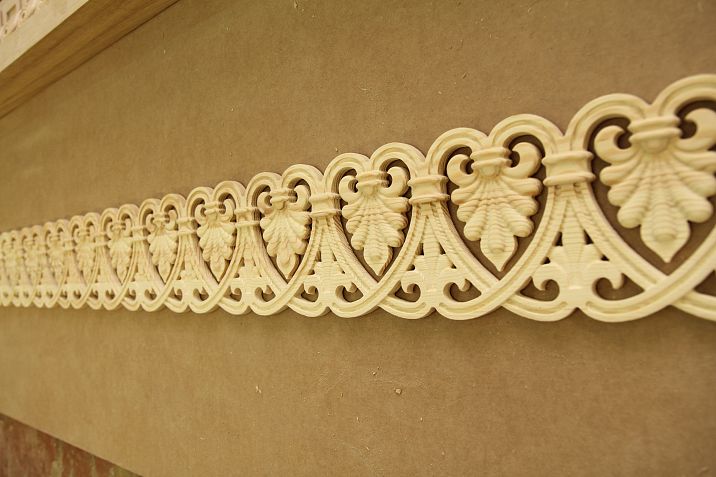
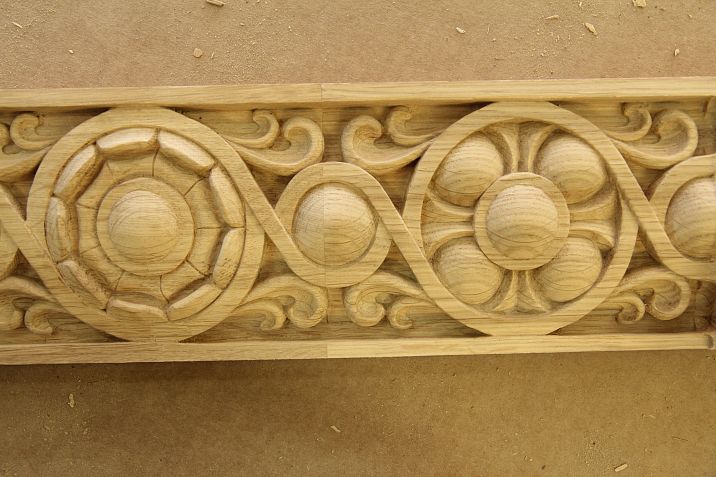
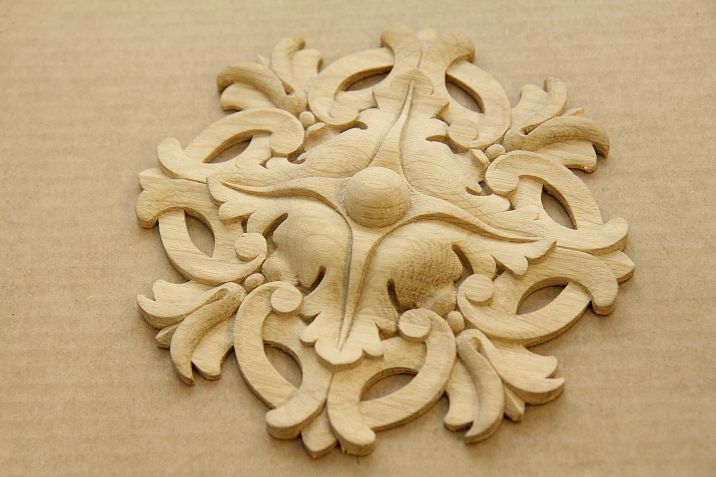
Wooden ornaments on houses are a living history that conveys cultural heritage and woodworking craftsmanship. Decorating facades, windows, doors, and other building elements, they not only give the house a distinctive character but also reflect a connection to ancestral traditions. In modern design, carved elements remain relevant, combining aesthetics and functionality. In this article, we will thoroughly examine the features of wooden patterns on door headers, facades, and windows, their types, and methods of application in interior and exterior spaces.






What is Wooden Ornament?
Wooden ornament is decorative detailing executed on a wooden base, which adds aesthetic and functional value. Such patterns can be created using carving, pyrography, or other techniques. They can be large and complex compositions or small details that emphasize specific architectural or interior elements.
Traditionally, wooden ornaments were used to decorate houses and churches. Depending on the region and historical period, patterns could have various forms, styles, and symbolism. Wooden house ornaments often include geometric shapes, plant motifs, depictions of animals or mythological figures. In modern times, ornaments are used both to preserve traditional style and to create unique decorative solutions.
Example of application: On the facades of wooden houses, ornaments can frame windows, doors, cornices, highlighting architectural features of the building and creating a finished look. In modern interiors, carved elements are used to create accent zones and add depth and individuality to the space.
Significance of Wooden Ornament
Wooden patterns symbolize harmony with nature, family values, and the endurance of traditions. They add refinement to a space, emphasize individuality, and create accent zones that attract attention. Craftsmen use various carving techniques and styles to create ornaments that can be either classic or modern.
Our factory also produces:


History of Wooden Ornament
Wooden ornaments Wooden ornamentscarved patterns You could see elements of nature, symbols of protection, prosperity, and the strength of the family hearth. Each pattern had its own meaning and carried deep symbolism.
Get Consultation
Role of wooden ornaments in culture
InitiallyCarved Ornaments were used to decorate houses, homes, and churches. They served not only a decorative purpose but also had a protective function. People believed that carved elements on facades and entrances to homes protected them from evil spirits, misfortune, and bad luck. Especially important was decorating window and door openings, as they symbolized "entry" into the dwelling and required special protection.
carved patterns mullionswhere it symbolized light and protection of the home.
Development of carving techniques
carving techniquewood carving improved over time, evolving from simple geometric patterns to complex, detailed compositions. Masters increasingly focused on details and artistic beauty of ornaments, creating true works of art from wood. Patterns became more refined and elegant, reflecting the skill of carvers and the richness of regional cultural heritage. Each master contributed their own elements and symbolism to the ornament, making every house unique.
Symbolism and meaning of patterns
wooden patterns often reflected natural motifs — leaves, flowers, birds, animals, and mythological creatures. They symbolized harmony with the surrounding world and indicated family values and religious beliefs. Each pattern contained a message passed down from generation to generation. For example, floral patterns symbolized prosperity and health, while bird images represented protection and well-being.
Application example:Carved Mouldings with plant and flower motifs emphasized the connection of the house to nature, giving it harmony and vitality. In modern interpretations, such elements can be combined with new materials and decorative elements, creating unique compositions.
Traditions and modernity
Today traditionalwooden carving elements beautifully complement modern design, creating unique compositions that highlight the individuality of each home. Wooden ornaments are used to decorate facades, doors, window openings, furniture, and interiors, bringing warmth, aesthetics, and a connection to history. Modern masters often adapt traditional patterns to meet the requirements of new styles, creating a harmonious blend of past and present.
If you want to add touches of traditional architecture to your interior or exterior, pay attention toCarved Wooden Elements. Combine them with other natural materials to emphasize the uniqueness and harmony of your home.
Wooden patterns on mullions: traditions and style
Wooden mullions with patterns are a hallmark of wooden houses and reflect the richness of cultural heritage. They frame windows, giving facades expressiveness, elegance, and a distinctive appearance. The art of carving wood on mullions originated in Russia many centuries ago and developed under the influence of regional characteristics, creating unique styles and patterns that still impress with their refinement and craftsmanship.
Role and significance of wooden mullions
In Russian culture, mullions performed not only a decorative but also a symbolic function. They served as protective charms, safeguarding homes from evil spirits and negativity. Carvings on mullions could include elements of the sun, floral patterns, symbols of prosperity and abundance, emphasizing the connection to nature and spiritual values. Carved patterns were executed with special attention to detail, highlighting the skill and talent of carvers.
Stylistic features of carved mullions
Unique styles of carved mullions developed in different regions of Russia, reflecting the traditions and characteristics of local architecture.
● Vologda style
Vologda cornices are distinguished by intricate carving with delicate ornaments resembling lace. They often feature floral patterns, complex geometric forms, and lacy inserts. This style adds refinement and elegance to the house, making the facade resemble a work of art. Vologda carvers were renowned for their skill and ability to create delicate patterns that still impress today.
Example of application: Wooden cornices with lacy carving and floral motifs on the facade of a house in Vologda emphasize the building's traditional appearance and give it a unique charm. In modern interiors, such cornices can be used as decorative elements to create accent zones.
● Archangel Style
Archangel cornices are characterized by greater massiveness and simplicity of form. Here, geometric patterns, straight lines, and strict forms prevail. This style emphasizes the solidity and durability of the house, adding a solemn and monumental appearance. Often, carving is combined with colorful painting, making the patterns even more expressive.
Example of application: Cornices with large geometric patterns and simple carving on the facade of a wooden house in Archangel create an effect of monumentality and reliability. In modern constructions, such elements can be used to give buildings a strict and minimalist style.
● Kostroma Style
Cornices in this region were often adorned with elegant carving featuring solar symbols and floral ornaments. The patterns were diverse and complex, adding expressiveness and liveliness to the house.
Application of wooden cornices in modern interiors
Todaycarved wooden casings do not lose their relevance. They can be adapted for modern interiors while preserving their historical value and aesthetics. In modern homes, cornices are used not only to frame windows but also as decorative elements on walls, furniture, and doors. They can be styled in minimalism with simple lines or used in classic style, preserving traditional ornaments.
Example of application: In a modern home, wooden cornices with minimalist carving can serve as accent elements, highlighting the style and individuality of the interior. For those who appreciate traditions, cornices with patterns in Russian style will add a touch of originality and uniqueness.
Tips for choosing cornices
● Consider the style of the house
Classic cornices with detailed patterns are ideal for wooden buildings with rich decoration and intricate carving. In modern homes, it is better to use simple and minimalist forms that maintain a restrained elegance.
● Pay attention to the quality of processing
The carving should be clear and neat, and the surface smooth. Quality cornices will highlight the aesthetics of your home and last for many years.
● Combine with other decorative elements
Use cornices in combination with moldings, decorative panels, and carved inserts to create a harmonious and cohesive design.
Wooden patterns on houses
Wooden patterns on house facades are a way to highlight architectural elements and emphasize the uniqueness of the building. Such patterns can be executed as carved inserts, decorative panels, overlays on cornices, gables, and window sills. In traditional architecture, wood carving served not only as decoration but also as a symbol reflecting the history, traditions, and aesthetic preferences of the craftsman and homeowner. In modern interiors and exteriors, carved wooden patterns remain popular, combining elements of classicism and modernism.
Role of patterns in architecture
Carving on house facades carries not only decorative but also symbolic meaning. Wooden decorations may include geometric figures, floral motifs, and symbols that highlight certain aspects of culture and traditions. For example, carving on gables may include sun motifs symbolizing protection and prosperity. Cornices adorned with carved patterns emphasize the solidity and completeness of the structure.
Example of application: Decorative wooden patterns on the facade of a house can be presented as carved panels or inserts that create accent zones. Decorating the entrance zone with carved overlays gives the house expressiveness and status. Cornices with carving or decorative window frames highlight the harmony of the building, creating a finished and stylish appearance.
Variety of styles
Wooden patterns on houses can be executed in various styles, from traditional to modern. In classic style, complex floral ornaments, details, and curved lines prevail, highlighting the richness and refinement of the house. Modern interpretations include geometric patterns and minimalist forms that impart restraint and elegance.
● Classic style: Patterns including floral motifs, vines, flowers, and mythological images create an elegant and rich appearance. Such elements are often used to decorate window frames, window sills, and entrance doors.
● Modern style: Geometric patterns and strict lines add restraint and modernity to facades. They combine well with other materials such as metal and glass.
Decoration tip: Combinecarved patterns with natural materials such as stone, metal, or glass to create expressive and contrasting compositions. This allows you to highlight the uniqueness of the house and give it character.
Wooden patterns on windows
Window frames with carved patterns are not only decorative elements but also an important part of the architectural ensemble of the house. They add elegance to the facade and emphasize the style of the building, making it more expressive and unique. Carved patterns can be executed as frames, decorative inserts, or overlays that highlight the shape of the window opening and create an accent on this facade element.
Historical and modern interpretations
In traditional Russian architecture, window patterns often had symbolic meaning, protecting the house and its inhabitants from evil spirits. Such frames could include complex ornaments, plant and mythological motifs, emphasizing the uniqueness of the house. Today, window patterns are also popular and used in both classical and modern styles.
Application example: Window frames with patterns in a traditional style highlight Russian architecture and create a sense of cozy home ambiance. Modern interpretations of carved windows can be minimalist, emphasizing the facade's restraint and adding a touch of elegance.
Decor tip: Use carved window frames to create accent zones that highlight harmony with other decorative elements, such asCasings and cornices. This will help create a cohesive and finished look for your home, emphasizing its style and uniqueness.
Russian wooden patterns: embodiment of traditions and craftsmanship
can decorate cornices, window sills and other interior elements, emphasizing their decorative value. — this is a heritage of multi-century culture, passed down from generation to generation, inspiring with its beauty and deep symbolism. Their foundation lies in natural motifs, geometric shapes, symbols of the sun, and mythological images. Wood carving served not only as decoration for houses and churches but also as a unique language through which masters expressed their connection with the surrounding world, nature, and cultural values. Each item adorned with patterns had its own meaning and added a special refinement and uniqueness to facades or interiors.
Symbolism of Russian patterns
Russian patterns are a combination of symbols reflecting natural forces, family values, and belief in home protection. You often encounter images of the sun, vines, leaves, and birds, each with its own meaning. The sun, for example, symbolizes warmth and light that protect the home from evil forces. Leaves and vines are symbols of prosperity, fertility, and vital energy. Birds depicted on window sills represent protection and family well-being.
Regional pattern examples
Russia is a country with a rich cultural heritage, and each region contributed its unique elements and motifs to wood carving. Let’s consider some of them to understand how diverse and remarkable Russian wooden patterns are.
● Vologda carving
Vologda is known for its exquisite wood carving. Local carvers create patterns resembling delicate lace. Such ornaments decorate house facades, window sills, and cornices, adding elegance and lightness to the building. Plant motifs, intricate interweavings, and scrolls are characteristic elements of Vologda carving, making it recognizable and truly magnificent.
Application example: DecorativeCasings with lace-like patterns on the facade of a house in Vologda transform it into a fairy-tale work of art. In modern interiors, such elements can be used for accent zones, bringing a sense of lightness and sophistication to the space.
● Archangel carving
Arkhangelsk is renowned for its massive and expressive carving, where geometric forms and strict lines dominate. Masters often use relief elements to emphasize the solidity and strength of the house. Geometric patterns combine with bright painting, adding expressiveness and character to building facades.
Application example: Window sills with large geometric ornaments on the facade of a wooden house in Arkhangelsk emphasize its monumentality and strength. This style can be adapted for modern constructions, creating a restrained and powerful appearance.
● Kostroma carving
Kostroma masters create carved patterns often featuring solar symbols, plant motifs, and complex scrolls. Patterns can be executed as intricate compositions decorating cornices, entrance doors, and window openings. Kostroma carving brings a special charm to buildings and highlights the richness of cultural heritage.
Application example: Window sills with Kostroma-style carving on the facade of a house add expressiveness and uniqueness to it. Their use in interiors allows creating an atmosphere of a traditional Russian estate, emphasizing refinement and elegance.
● Siberian carving
In Siberia, patterns reflecting the harsh nature of the region are common. Siberian masters often use bold and simple forms, creating massive patterns that emphasize the solidity and reliability of houses. A distinctive feature of Siberian carving is the combination of large elements with detailed work, which gives the ornament depth and strength.
Application example: Carved wooden patterns on the facades of houses in Siberia emphasize their resilience to harsh conditions. In interiors, such patterns can be used for space zoning or decorating wooden furniture.
Modern use of Russian patterns
Today, Russian wooden patterns find application not only in traditional architecture but also in modern interiors. They can be used to decorate furniture, walls, decorative panels, creating accent zones and highlighting the uniqueness of the space. Masters adapt traditional motifs, preserving their deep meaning and adding contemporary touches.
Application example:Carved Wooden Patterns on furniture or walls can become a central decorative element, adding sophistication and national character to the interior.
Decor tip: Use Russian patterns in combination with natural materials — wood, stone, and metal — to create expressive compositions. This will highlight the harmony and uniqueness of your home.
Delivery, purchase, and cooperation with the company Stavros
Company Stavros takes pride in offering a wide range ofcarved wooden window sills and other elements of wooden carving that help bring to life unique and stylish interior solutions. We strive to preserve the traditions of Russian architecture, combining them with modern production technologies and high-quality standards. Our products are created with care for each client and meticulously crafted down to the smallest details to adorn your home and highlight its uniqueness.
Delivery throughout Russia
By partnering with Stavros, you gain access to high-quality products that can be delivered to any point in Russia. We work with major cities such as Moscow, Saint Petersburg, Novosibirsk, Kazan, and Yekaterinburg, as well as smaller towns, ensuring delivery to remote regions. Our clients can be assured of prompt and reliable delivery, enabling us to meet the most diverse needs in the shortest possible time.
Individual approach to each order
We understand that every project is unique, and we strive to offer individual solutions for each client. By partnering with us, you gain not only access to a wide range of carved wooden elements but also the opportunity to order custom-made items. The masters of Stavros are ready to bring your ideas to life, creating decorative elements that will highlight the style of your home and add elegance and harmony.
Example of application: Our carved door casings and wooden carvings can be used to decorate facades, window and door openings, adding elegance to your home and emphasizing its style. We also offer a variety of decorative elements for interiors that will give your space a unique atmosphere.
Cooperation with individuals and organizations
We are pleased to cooperate with both private clients and organizations, including construction companies, design studios, architects, and furniture manufacturers. Our company is open to long-term, mutually beneficial partnerships. We are ready to offer flexible cooperation terms and assist in implementing any projects — from individual orders to large-scale construction and design solutions.
Why choose STAVROS?
● High-quality products: We use only the best materials and modern technologies to create carved elements that will serve for many years.
● Wide range: You will find a variety of carved items — from door casings to decorative inserts — suitable for any style and project.
● Individual approach: We take into account all our clients' preferences and offer personalized solutions for each project.
● Delivery to any point in Russia: Regardless of your location, we ensure prompt and reliable delivery of our products.
Conclusion
Choosing carved elements from Stavros, you get not only quality items, but also the opportunity to create an interior that will impress with its elegance and harmony. We preserve the traditions of wood carving and will help you bring to life the boldest design ideas, combining them with modern approaches. Join our satisfied clients and create unique spaces together with us!