












































































Article Contents:
- Why pay attention to ceiling decoration?
- Style selection: how the ceiling affects the perception of the interior?
- How to use polyurethane elements in ceiling decoration?
- Mistakes to avoid when decorating the ceiling
- 3. Ignoring lighting: when the ceiling remains in shadow
- Conclusion: how to avoid mistakes and make the ceiling flawless?
- Conclusion: why choose polyurethane elements for ceiling decoration?
- Why polyurethane elements are the ideal choice?
- How to choose the ideal decoration for the ceiling?
- Final thoughts
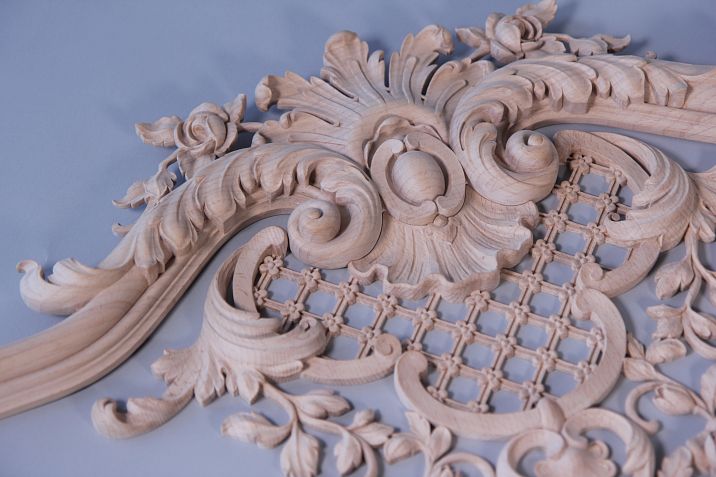
Why pay attention to ceiling decoration?
When it comes to interior design, attention is often focused on furniture, walls, and floors, while the ceiling remains in the shadows. But it is precisely the ceiling that completes the space, unifies all decorative elements, and makes the room cohesive. Poorly designed ceiling can make even the most stylish interior dull and unfinished. How to achieve harmony?
ceiling — it is not just a flat surface above your head, but a powerful tool that can influence the perception of space. For example, properly selectedcornices and moldings will help visually expand the room or make the ceiling appear higher. And properly placedpolyurethane rosettes will become a central accent for a classic interior.
But how to choose decor that not only decorates the ceiling but also makes it expressive? Which elements suit modern and classic styles? What mistakes should be avoided? Let's examine everything in detail.




Style selection: how the ceiling affects the perception of the interior?
Each style of ceiling decoration can change the perception of space. Let's consider a few examples:
- Here, indispensable elements will beCapitalssuch as rosettes, decorative cornices, and moldings. They add grandeur to the room, creating an atmosphere of palace luxury. Imagine a living room with a large chandelier in the center, complemented by elegant moldings — this immediately gives the interior an elegant look.
- In this style, it is important to maintain minimalism, but here it is also appropriate to usePolyurethane appliqués and baseboards. They will help emphasize the geometry of the room without overloading it with details. This approach is ideal for small apartments, where every square centimeter of space is important.
- Scandinavian style. Light shades, natural materials, and simplicity — key features of Scandinavian interior. Here you can use wooden beams or light moldings to add coziness and texture.
- Brutalist concrete ceilings and exposed utilities can be effectively styled by adding contrastingMoldings and cornices. This will help create a balance between industrial roughness and refined design.
Our factory also produces:
How to use polyurethane elements in ceiling decoration?
Decorating the ceiling with polyurethane decor is a unique way to add elegance, highlight its style, and create a striking accent. Modern manufacturing technologies allow producing elements of various shapes and textures, making them suitable for decorating ceilings in any style — from strict minimalism to luxurious classic interiors. It is important to understand that ceiling decor not only serves an aesthetic function but can also conceal surface imperfections, visually correct room proportions, and even alter its perception.
Which polyurethane elements will help achieve harmonious ceiling decoration? How to use them properly to highlight the room's strengths and create a cohesive interior? Let's examine the main solutions.
1. Cornices and moldings: elegance, harmony, and smooth transitions
Cornices and moldings made of polyurethane — one of the most popular and versatile ways to decorate a ceiling. These elements not only emphasize the boundaries of the ceiling surface but also create smooth transitions between walls and ceiling, giving the interior a finished and harmonious look.
Polyurethane cornices can be minimalist or richly decorated. Simple, strict forms are perfect for modern interiors, while intricate ones with sculpted ornaments fit beautifully into classic styles. Moreover, cornices help conceal wall and ceiling imperfections, as well as hide engineering utilities such as wiring or air conditioning components.
Tip: If the ceiling in the room appears too low, choose narrow cornices with upward-facing lines. This technique visually "raises" the ceiling and makes the space feel more spacious. Additionally, cornices can be used to install hidden lighting, creating a "floating" ceiling effect and adding coziness to the interior.
2. Rosettes: central accent, highlighting the ceiling’s luxury
polyurethane rosettes — decorative elements that help draw attention to the central part of the ceiling, especially in the area of chandeliers and ceiling lights. They create a striking and elegant accent, emphasizing the interior’s style.
Rosettes come in various sizes and designs: from minimalist and restrained to complex patterned compositions with relief and ornamentation. In a classic interior, a rosette becomes an essential part of the composition, adding elegance. In modern styles, you can use minimalist models with geometric patterns.
Tip: To avoid a bare ceiling, use several rosettes of different diameters, placing them symmetrically or asymmetrically around the main chandelier. This creates a layered effect and adds depth to the interior. For an additional effect, you can gild or silver-plate the rosettes.
3. Polyurethane appliqués: striking decoration and volumetric accents
Polyurethane appliqués — a universal decorative element that can be used both as standalone accents and in combination with moldings and rosettes. They give the ceiling an elegant look, add volume, and artistic expressiveness.
Polyurethane appliqués can imitate stucco, wood carving, or plaster reliefs. They are perfect for decorating both classic and modern interiors, creating stylish accents. For example, in neoclassical style, appliqués can be used to create ornamental compositions, while in modern minimalism — as geometric patterns.
Tip: Want to achieve a more striking effect? Install appliqués with shallow relief and complement them with built-in lighting. This will create an interesting interplay of shadows and volumetric effects, especially in dark or saturated ceiling color schemes.
4. Ceiling trim: expressiveness of lines and artistic zoning
Trim Polyurethane trim — elements used to create decorative borders and contours on the ceiling. They help to more clearly and expressively define the space, emphasizing design lines.
Trim elements are ideal for creating coffered ceilings, framing compositional arrangements, or simply for visually dividing zones on the ceiling. They can be smooth and minimalist or have decorative patterns that match the style of other decorative elements.
Tip: If you want to emphasize a classic style, use trim in combination with moldings and rosettes, creating a volumetric stucco ceiling effect. In modern interiors, you can decorate the ceiling with thin trim lines, highlighting the room’s geometry.
5. Capitals: elegance and monumentality of the interior
Capitals are decorative elements traditionally used to decorate columns and arches. However, in ceiling decoration, they can also play an important role, adding touches of classical luxury and monumentality to the interior.
Capitals can be used to decorate corner zones of the ceiling, connect columns to the ceiling, or create striking arches in spacious rooms. Combined with moldings and cornices, capitals form complex and expressive ceiling compositions.
Tip: If you have a high ceiling and want to emphasize architectural elements, use capitals in combination with decorative columns. This looks especially impressive in living rooms, hallways, and offices, creating an atmosphere of majestic interior design.
Using polyurethane elements in ceiling decoration is a stylish and practical solution that allows you to create an expressive and harmonious interior. Cornices and moldings add smooth lines and completeness, rosettes highlight central zones, appliqués make the ceiling striking, trim helps zone the space, and capitals give the interior a majestic feel.
Choose high-quality polyurethane products from STAVROS and create an interior that will delight you for years!
Get Consultation
Mistakes to avoid when decorating the ceiling
Ceiling decoration is an important stage in creating a stylish and harmonious interior. However, even the most beautiful and expensive decorative elements can spoil the overall look of the room if applied incorrectly. Poorly executed ceiling decoration can visually reduce the room’s size, make the interior overloaded or disharmonious. To avoid such problems, it is essential to plan the decoration concept in advance and consider key factors.
What mistakes are most commonly made when decorating the ceiling and how to avoid them? Let’s examine the most common oversights that can ruin even the most thoughtfully designed interior.
1. Overloading with details: when decoration turns into chaos
One of the most common mistakes is excessive obsession with decorative elements. Of course,cornices and moldings, Outlets, applique and other polyurethane decorative elements can add elegance to the ceiling. But it is important to maintain balance!
What happens if there are too many elements?
- The space becomes overloaded, and attention becomes scattered. In the end, the interior may lose its harmony and elegance.
- In small rooms, an abundance of decorative details can visually reduce the room, making it heavy and cramped.
- Using complex ornaments and large elements on low ceilings creates a feeling of pressure from above.
How to avoid this mistake?
● In small rooms, choose minimalistMoldings with a simple pattern and light shades.
● In spacious rooms, you can use more expressive elements, but it's important to combine them so that the overall design remains balanced.
● If you want to add more details, try highlighting one ceiling zone, for example, around the chandelier, usinga polyurethane molding, and leave the rest more restrained.
2. Wrong color choice: how not to 'eat' space?
The color of the ceiling plays a key role in perceiving the interior. Many make the mistake of choosing too dark shades, especially in small rooms. Dark colors visually reduce space, making it gloomy and oppressive.
On the other hand, overly bright shades can attract too much attention, distracting from the overall room design. Red, orange, saturated blue, or acid green on the ceiling can quickly tire the eyes and cause irritation.
How to choose the color correctly?
- For low ceilings, it's better to use light shades such as white, cream, pastel tones. They visually raise the ceiling and make the room appear more spacious.
- In high rooms, you can use more saturated colors, but it's better to combine them with light-colored moldings or trim for balance.
- Glossy surfaces help create an effect of depth and airiness by reflecting light. But it's important to remember that imperfections and flaws are more noticeable on them.
Tip: If you want to use dark shades, try painting the ceiling in deep blue or gray, but definitely complement it with white or beige trim. This will create an elegant contrast and preserve visual spaciousness.
3. Ignoring lighting: when the ceiling remains in shadow
Even the most beautiful ceiling will lose its expressiveness if lighting is chosen incorrectly. Many people make the mistake of choosing only central lighting in the form of a chandelier, without considering additional light sources.
What mistakes are most commonly encountered?
- Lack of spotlights – if the ceiling is decorated with moldings or trim, and lighting comes only from the chandelier, the relief elements disappear into shadow.
- Too bright lighting – white ceilings with glossy finishes can create unpleasant glare if overly powerful lamps are used. This makes the space feel cold and unwelcoming.
- Incorrect placement of light sources – if there are many decorative elements on the ceiling, it's important to position the lighting so that it highlights the relief, rather than hiding it.
How to avoid this mistake?
● Use spotlights along the trim to create soft, diffused lighting.
● Add hidden LED lighting in the structure of a multi-level ceiling to emphasize shape and depth.
● Choose warm white light for a cozy atmosphere and neutral white for modern interiors.
Conclusion: how to avoid mistakes and make the ceiling flawless?
Ceiling decoration is not just an interior embellishment, but an important tool that affects the perception of space. Mistakes such as over-decorating, incorrect color or lighting choices can ruin even the most expensive renovation.
To avoid problems:
✔ Choose trim and moldings according to the room's size.
✔ Use outlets and moldings in moderation, especially in small spaces.
✔ Choose colors that visually expand the space.
✔ Position lighting to highlight ceiling decor, not hide it.
Properly decorating the ceiling will help create a harmonious and stylish interior that will delight you for years!
Conclusion: Why choose polyurethane elements for ceiling decoration?
Ceiling decoration is a true art, requiring careful attention to every detail. The ceiling completes the interior composition, uniting walls, furniture, and lighting into a harmonious whole. However, to truly look impressive, it is important to correctly select materials and decorative elements. In this sense, using polyurethane moldings, cornices, outlets, trim, and moldings is one of the best solutions, offering you vast design possibilities.
Why are polyurethane elements the ideal choice?
Firstly, they are incredibly versatile. Whether you want to create a luxurious classical interior with rich moldings or a modern minimalist design with clean lines and geometry, polyurethane elements will help you bring your vision to life. They suit any style—from palace classicism and art deco to Scandinavian minimalism and high-tech.
Secondly, quality and durability. Unlike traditional plaster moldings, polyurethane does not fear moisture, does not crack over time, and does not add weight to structures. This is especially important for modern ceilings, where ease of installation and material longevity are crucial. For example, moldings retain their shape and elegance even in high-humidity rooms, while cornices can hide joints and add elegance to the ceiling.
Thirdly, ease of installation and maintenance. Previously, ceiling decoration used exclusively heavy plaster elements requiring complex installation, but now everything is much simpler. Polyurethane elements easily attach with adhesive, require no additional processing, and can be painted any color. For example, if you want to add classic symmetry and expressiveness to your interior, you can use trim to create framed compositions.
Moreover, polyurethane ceiling decor can visually alter the proportions of a room. With its help, you can:
✔ Visually 'raise' the ceiling using narrow and tall cornices.
✔ Create a luxurious palace interior effect by adding a molding to the center of the ceiling.
✔ Add lightness to the space using light moldings and combining them with soft backlighting.
✔ Zone the space using decorative elements combined with modern lighting solutions.
But most importantly— aesthetics. In interior design, practicality and durability are important, but so is emotional perception. A ceiling decorated with quality decor becomes a work of art. It emphasizes the style and character of the room, making it unique and atmospheric.
How to choose the ideal decor for the ceiling?
Before starting decoration, ask yourself several questions:
● What interior style do you want to create?
● What is the ceiling height in the room?
● Do you want to hide utilities or highlight architectural features of the room?
● Will ceiling decor match furniture and lighting?
By answering these questions, you can select optimal elements that will highlight your interior’s strengths. For example, in classical spaces, capitals look great, creating elegant transitions between columns and ceilings, while in modern spaces, minimalist moldings work well, emphasizing clean lines.
Final words
Ceiling decoration is not just a decorative element, but a crucial touch that makes the interior complete and expressive. Polyurethane moldings, cornices, outlets, trim, and moldings allow you to create incredibly stylish, harmonious, and long-lasting solutions for any type of ceiling.
Which decorative elements do you like the most? What ceiling decoration styles would you like to use in your interior? Share your ideas, experiment with design, and find inspiration together with STAVROS—your reliable partner in creating stylish interiors!


