












































































Article Contents:
- 1. What is composition in interior design?
- Conclusion
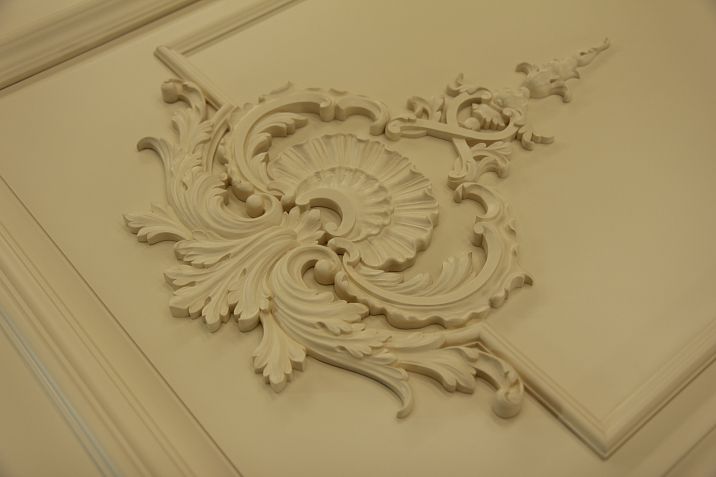
Interior design with compositions is a unique approach that allows any space to achieve completeness, harmony, and aesthetic appeal. Compositions are not merely arranged items or decorative elements; they are carefully thought-out combinations of different objects that work together to create a unified image. This approach not only enhances the appearance of the interior but also fills it with a unique atmosphere that reflects the personal style of the owners. In this article, we will thoroughly examine what interior design with compositions entails, how to properly combine elements, and how to create unique compositions for each room.
1. What is composition in interior design?
Composition in interior design is the art of selecting and placing objects to create visual harmony and emphasize the stylistic concept of the space. Unlike random placement of items, compositions require careful attention and thorough planning so that each element occupies its proper place and supports the overall idea.
Composition consists of various elements such as furniture, decor, lighting, color accents, and textures, which must function within a unified context. This is not merely arranging items, but creating spatial interaction where each object enhances the influence of another.
2. Types of compositional solutions for interior design
There are several main types of compositional solutions that can be applied to interior design:
● Symmetrical composition. In this case, elements are arranged symmetrically relative to a central axis. Symmetry creates a sense of order and harmony, ideally suited for classical interiors. For example,Polyurethane moldings and moldings can be used to create symmetrical patterns on ceilings or walls, adding grandeur and completeness to the room.
● Asymmetrical composition. Here, elements are arranged to create balance without strict symmetry. Asymmetry adds dynamism and interest to the interior, which works particularly well for modern, minimalist styles. This can involve playing with different decorative elements, such as various polyurethane cornices or moldings, which make the space more expressive without overloading it.
● Central composition. This is a composition where one main element attracts attention, and the other objects serve as support. The central element may be, for example, a painting on the wall or furniture in the center of the room, while the other elements are accents that emphasize it. This approach helps create a focal point and adds coziness to the room.
● Group composition. Here, several objects form a group that attracts attention. These may be decorative vases, lamps, books, or paintings grouped on a shelf or table. Such a composition allows creating interesting accents and adding variety to the interior.
3. Principles for creating harmonious compositions in interior design
To ensure that compositions in interior design appear harmonious and stylish, it is important to follow several key principles:
● Balance. Each element in the composition should be balanced. This does not necessarily mean symmetry, but it is important that objects visually support each other without overcrowding the space.
● Proportions and scales. It is important that the elements of the composition are proportional to the size of the room and to each other. For example, large items should not overwhelm small ones, and vice versa. Moldings and cornices selected in the appropriate scale will look harmonious and emphasize the style.
● Color harmony. Color plays a key role in composition. To create a harmonious combination, it is important to use color accents that will complement the main color palette of the room. ChoosePolyurethane Decorthat matches in color and texture with the rest of the finishing materials.
● Texture and materials. Variety of textures and materials makes the composition interesting and multi-layered. Fabrics, wood, metal, stone — all these materials can be used in combinations to create a sense of depth and variety.
● Accents and focal points. There should always be an element in the composition that attracts attention. This may be a large painting, a decorative element, or unusual furniture. Such an accent helps create a focal point in the composition, which will become the main focus in the interior.
4. How to use compositions for decorating different rooms
● Living room. In the living room, the composition can be created around the main element — the sofa or fireplace. Accents can be arranged using decorative cushions, rugs, and wall paintings. It is also advisable to usePolyurethane moldings to add light textural accents on the ceiling or walls.
● Bedroom. In the bedroom, the composition is often built around the bed. Here, soft, calming accents are important, such as curtains, bedspreads, and decorative elements like bedside lamps or paintings. Accents from polyurethane molding on the ceiling can add softness and completeness.
● Kitchen. In the kitchen, compositions can be created using polyurethane moldings for furniture, backsplashes, and accent details. It is important that the decor is practical and harmonizes with the functionality of the room.
● Bathroom. The composition in the bathroom should combine functionality with decorative elements. It is important to create harmonious accents using ceramics, tiles, andpolyurethane appliquéswhich will add light decorative elements to walls and ceilings.
5. The role of decorative elements in interior composition
Decorative elements play a key role in creating interior composition. These are the very details that bring space to life, highlight the style, and give it individuality. Paintings, vases, lamps, cushions, polyurethane moldings and stucco — all these elements help create accents and harmoniously complete the interior.
● Polyurethane Decor allows adding texture and interesting accents to the interior, especially in classical and modern styles.
● Paintings and mirrors can be used to create a focal point, as well as to visually expand the space.
● Textiles such as rugs, curtains, and cushions not only add coziness but also help create compositional accents.




Conclusion
Decorating interiors with compositions — this is not simply arranging furniture and decorative elements in a room, but an art form that helps create a unique atmosphere and harmony in space. Compositions are the interaction of different objects, materials, and textures that work together to create visual balance and harmony. Each element in the composition, whether furniture, lighting, textiles, or decorative accents, plays an important role in creating a cohesive image. Applying a compositional approach helps not only improve the appearance of the room but also make it functional, comfortable, and cozy for living.
When we talk about decorating interiors with compositions, it is important to understand that this is not a random arrangement of items, but a carefully thought-out process. Each decision should be aimed at creating a space that will be convenient for daily life, while also reflecting the owner's style and highlighting the uniqueness of the room. Compositions are a means to emphasize certain accents and visually divide space, creating different zones that serve both functional and aesthetic purposes. Using composition, you can highlight important elements such as paintings, decorative moldings, central furniture, or accents on walls and ceilings, while everything will harmoniously fit into the overall interior style.
Correct combination of elements in the composition helps create an atmosphere that not only pleases the eye but also supports the functionality of the room. For example,Polyurethane Decor can be used to decorate ceilings and walls, creating textural accents that attract attention without overwhelming the space. This decorative solution will harmonize with other elements such as furniture, textiles, and lighting, creating a harmonious atmosphere that will make your home truly cozy and stylish.
Moreover, it is important to understand that an interior is not just visual decoration — it is a space where you spend a significant part of your time. Comfort, coziness, and functionality are indispensable elements that make your home a true 'home,' a place for rest, work, and meetings with loved ones. Decorating interiors with compositions allows you to create a space that is not only visually appealing but also supports your emotional state, providing you with peace and inspiration. This is a space that supports your individuality and suits your daily needs, ensuring harmony between functionality and aesthetics.
By decorating interiors with compositions, you are not just creating a beautiful space, but also working on its energy. Every detail matters, and it is important that these details work together to create not only a stylish but also a comfortable space. In this process, you can demonstrate your creativity, experiment with shapes, colors, and textures to create an atmosphere that will inspire you and bring joy every day.
Thus, decorating interiors with compositions is not just a way to beautify space, but a whole process in which every detail matters. It allows you to create a unique atmosphere that will support your harmony, coziness, and comfort in every corner of your home.


