Article Contents:
- 1. Choosing a Style for Living Room Design
- 2. Color Palette: Creating Atmosphere in the Living Room
- 3. Choosing Furniture for the Living Room
- 4. Decor and Accessories for the Living Room
- Conclusion
The living room is the heart of any home, the place where the family gathers, guests are received, and the warmest moments of life take place. Designing the living room interior is not just about choosing furniture and decor, but creating a space that reflects your style and creates an atmosphere of comfort and warmth. Every detail, from wall color to lighting and decorative elements, plays an important role in forming the unique atmosphere of the living room.
Moreover, when we talk about interior design, a common question arises: how to make a space simultaneously stylish, functional, and comfortable? In this article, we will examine key aspects of living room interior design and share ideas on how to transform it into a harmonious and cozy space that will delight the eye every day.
1. Choosing a Style for Living Room Design
Before beginning to design the living room interior, it is important to choose a style that matches your taste and creates the desired atmosphere. The style determines not only the choice of furniture, but also the color palette, textures, shapes, and decorative elements that will be used in the space. Here are several popular living room design styles:
● Classic style. This style uses elegant and refined decorative elements. Furniture with curved lines, rich fabrics, and decorative elements such as Polyurethane moldings and cornices help create an atmosphere of luxury and comfort.
● Modern style (modern). Modern style is characterized by simplicity and minimalism. Here, furniture with straight lines, neutral colors, and sleek forms are used. Polyurethane Decor In this style, it will be light and functional, while harmoniously blending with other interior elements.
● Scandinavian style. A style that values light colors, natural materials, and coziness. For Scandinavian interiors, simple yet expressive decorative elements such as moldings and ceiling outlets create an atmosphere of warmth and comfort.
● Loft. This style is ideal for large, open spaces. Brick walls, metal elements, and exposed ceilings are often used in lofts. Elements polyurethane molding can add softness and coziness, contrasting with industrial accents.




2. Color Palette: Creating Atmosphere in the Living Room
Color is a crucial tool in interior design. It can alter the perception of space, making it feel more spacious, warm, or, conversely, strict and elegant. For the living room, it is recommended to use colors that promote relaxation and communication.
● Warm colors (beige, tan, terracotta, brown) create an atmosphere of coziness and harmony. They are ideal for making the space feel warmer and more welcoming.
● Cool tones (blue, gray, green) give the space freshness and calmness. These colors are well-suited for creating a more tranquil atmosphere.
● Neutral colors (white, gray, cream) create harmony and visually expand the space. They are universal and perfectly complement any bright accents.
Moreover, an important decorative element is the use of polyurethane decorwhich adds texture and elegance. For example, moldings and cornices can visually highlight walls and ceilings, while ceiling outlets add a sense of completion to the room.
Our factory also produces:
3. Choosing Furniture for the Living Room
Furniture is the foundation of any interior. In the living room, furniture must be not only beautiful but also comfortable, as this is the room where the most important moments with family and friends take place. The style and functionality of furniture are determined by the chosen interior style.
● Classic furniture is characterized by elegant lines, expensive fabrics, and finishes. Items such as upholstered sofas with carved legs and wooden cabinets add sophistication to the interior.
● Modern furniture is characterized by simple, functional forms, high-quality materials, and universal shades. It is important to remember that in modern style, furniture should not overwhelm the space, but rather complement it.
● Furniture in the Scandinavian style is often made from light wood species, with elements of lightness and simplicity. In a Scandinavian living room, emphasis is placed on functionality and coziness.
Get Consultation
4. Decor and Accessories for the Living Room
Decor is the final touch that turns your living room into a place you want to return to. decorative polyurethane elementssuch as moldings, cornices, and stucco, can play a key role in decorating your living room.
● Ceiling moldings are an ideal way to highlight chandeliers and lighting fixtures.
● Cornices will not only create harmony but also visually enlarge the space, especially when used in combination with high ceilings.
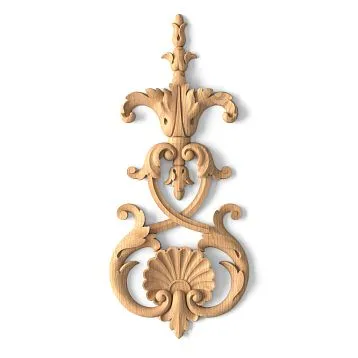
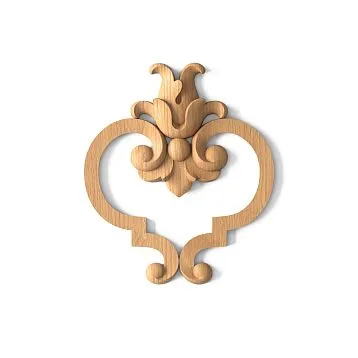
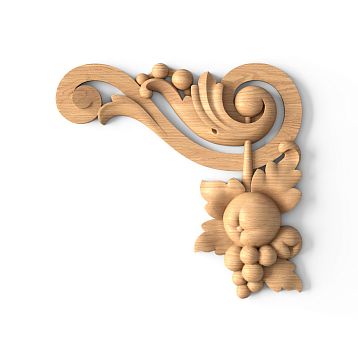
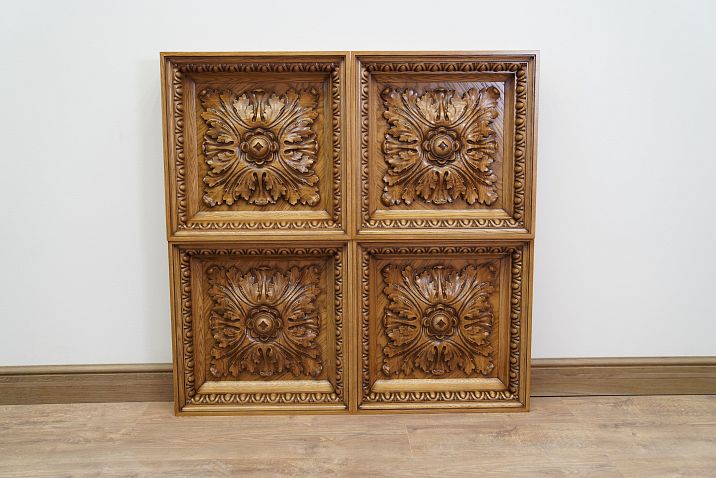
● Carved appliqués and decorative panels for furniture will give the room uniqueness and elegance.
Don't forget about accessories: paintings, rugs, decorative cushions, and vases will help complete the look and add coziness to the space.
5. Interior design photos: inspiration for your home
For those seeking inspiration, you can look at photos of interiors in various styles and adapt the ideas you like to your preferences. These images show how accents are properly arranged, how relaxation zones are designed, and how decor and furniture create a harmonious atmosphere.
Interior photos are not only a visual example of how your home can look, but also a source of ideas for adapting the style to your needs and preferences. You can use Polyurethane Decorto add elements that will make your interior more interesting and complete.
Conclusion
Decorating a living room is much more than just choosing furniture and decor. It is a whole process that involves careful consideration of every element and accent to create a space perfectly suited to your needs, personality, and lifestyle. After all, the living room is not only a room for rest, but also a place for communication with loved ones, hosting guests, pursuing hobbies, and even working. It is precisely in this room that many important moments of life become reality, and its decoration plays a key role in creating the desired atmosphere. It is important that the interior is not only beautiful but also functional, comfortable, and conducive to harmony in your home.
Choosing a style for decorating the living room is the primary task that determines everything else: from color palette to textures and finishes. Which style best reflects your personality? Classic, modern, Scandinavian, minimalism, or eclectic? This determines how your living room will look, what decorative elements will be present, and how they will combine with each other. Choose a style that truly resonates with you and feels comfortable. Remember that the style of your home should create an atmosphere of coziness, tranquility, and inspiration, where you will enjoy spending time. Do not be afraid to experiment and seek new approaches, as interior design is a creative process.
Color palette is not just a set of shades, it is a crucial tool for creating the desired atmosphere. Warm colors can give the room coziness, cool tones — calmness and freshness, while neutrals help unify all elements. It is important that the color scheme not only matches the style but also harmonizes with lighting, furniture, and decor. Thoughtful color combinations will help create a space that pleases the eye and evokes a sense of calm.
Not less important decorative elements are Polyurethane moldingsmoldings, cornices, and ceiling moldings, which serve not only as aesthetic embellishments but also help give the living room elegance and completeness. These decorative elements can transform any space, adding expressiveness and style, highlighting architectural features of the room. Thanks to them, harmony is created between walls, ceilings, and furniture, and the space becomes more structured and aesthetically pleasing. Even in a simple interior, such elements can become striking accents, giving it uniqueness.
An important aspect of decoration is also functionality. When choosing furniture for the living room, it is important not only to pay attention to its style but also to its practical aspect. The furniture should be comfortable, suitable for the size of the room, and not overcrowd the space. Think about how to organize the space so that it meets your daily needs. This applies to both furniture and other decorative elements — each item should have its function and contribute to the overall harmony of the room.
Do not forget that lighting affects how the living room is perceived. Light can highlight decorative elements, emphasize certain zones, and create an atmosphere of coziness or, conversely, dynamism. Proper lighting, whether ceiling fixtures, wall sconces, or LED strips, creates not only visual accents but also shapes the overall perception of the interior. Divide lighting into general and accent lighting to set the desired atmosphere depending on the time of day and situation.
Finally, remember that decorating the living room is not only about appearance but also about creating an atmosphere that will inspire you every day. An atmosphere filled with light, coziness, and harmony is created through the right details: from textiles and rugs to exquisite decorative elements made of polyurethanewhich give the room uniqueness and charm. All of this together creates a space where you want to spend time with your family, entertain guests, and enjoy every moment.
Transform your living room with stylish and functional solutions, choosing elements and accents that resonate with you. It is important that every detail of the interior, whether furniture, decor, or lighting, matches your taste and is created with attention to detail. May your living room become a place where you always feel comfortable, where you enjoy inviting friends and relatives, and where you feel fully in harmony with yourself.