Article Contents:
- Basic Principles of Hotel Interior Design
- Lobby Zone: First Impression
- Lighting
- Color Palette
- Furniture
- Decor and Accents
- Space zoning
- Common Areas
- Rooms
- Restaurants and Bars
- Conference Rooms and Business Zones
- SPA and Fitness Zones
- Finishing Materials: Combination of Aesthetics, Durability, and Practicality
- Wall Materials: Wear Resistance and Decorativeness
- Main Wall Finishing Options in Hotels
- Ceiling Materials: Design and Functionality
- Popular Ceiling Finishing Solutions
- Floor Materials: Durability and Longevity
- Best Floor Finishing Options
- Room Design: Harmony of Comfort, Functionality, and Aesthetics
- Color Palette: Influence of Tones on Atmosphere
- Popular Color Solutions for Hotel Rooms:
- Furniture: Comfort and Ergonomics
- Main Furniture Elements in Hotel Rooms:
- Textiles: Coziness and Warmth in Interior
- Main Textile Elements:
- Lighting: Proper Light Balance
- Main Types of Lighting:
- Decorative Elements: Completeness of Interior
- Best Solutions for Decorating Rooms:
- Conclusion
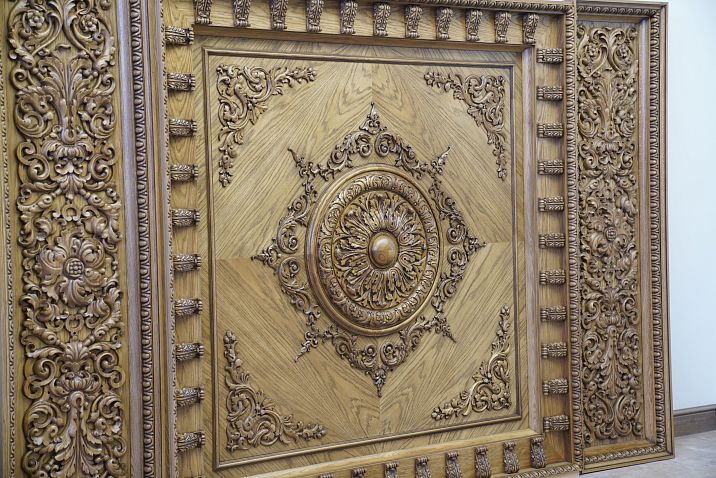
Hotel interior design is a complex and multifaceted task that requires consideration of many factors. It is not only aesthetics, but also functionality, creating comfort and convenience for guests. Every element of the interior — from overall style to small decorative details — plays a role in forming the impression that remains with visitors. Lobbies, rooms, restaurants, and relaxation areas must be thought out in detail to ensure a harmonious blend of practicality and attractiveness.
Basic principles of hotel interior design
Hotel interior design is a comprehensive process where every detail matters. A hotel is not just a place to sleep, but a space that should evoke positive emotions in guests, leave lasting impressions, and encourage them to return. A successful design combines aesthetics, functionality, and a well-thought-out concept that matches the hotel's level and guests' expectations.
Each hotel is oriented toward its target audience, whether business travelers, families with children, tourists, or guests of the premium segment. Accordingly, the interior must reflect the hotel's philosophy and meet the needs of those staying in the rooms. For this, special attention must be paid to several key aspects: properly design the entrance area, logically divide the space, select appropriate finishing materials, furniture, and decorative elements.




Lobby zone: first impression
The lobby is the first thing a guest sees upon entering the hotel. This spacious area should not only be convenient but also stylish and presentable. It is here that the first impression is formed, which largely determines the level of trust in the hotel.
Hotels of different levels and concepts offer various lobby design solutions: some choose strict classicism with luxurious chandeliers and massive columns, others focus on minimalism with simple furniture and light tones. Regardless of the style, key elements of lobby design must be carefully considered.
Lighting
Main lighting — ceiling chandeliers, pendant or recessed lights, providing even illumination.
-
Accent lighting — wall sconces, floor lamps, or lighting of individual zones, creating coziness and visual accents.
-
Decorative lighting — LED lighting of furniture, panels, and decorative elements, which adds depth and individuality to the space.
-
Decorative lighting — LED lighting for furniture, panels, and decorative elements that add depth and individuality to the space.
Color palette
The color scheme of the lobby interior sets the atmosphere of the entire hotel. The right choice of shades allows creating a cozy, inviting ambiance.
-
Neutral tones — beige, gray, cream, pastel shades create a sense of spaciousness and elegance.
-
Luxurious dark tones — deep blue, burgundy, dark green add status and refinement to the interior.
-
Accent colors — gold, bronze, copper elements add luxury, while bright details make the interior dynamic and modern.
Furniture
Furniture in the lobby should not only be stylish but also comfortable, since guests often spend time here waiting for check-in or meetings.
-
Sofas and chairs — soft, ergonomic, durable, harmonizing with the overall style.
-
Reception desk — a stylish yet functional element that should be convenient for staff and intuitive for guests.
-
Coffee tables and decorative consoles — provide additional convenience for guests, allowing them to place personal items, drinks, or magazines.
Decor and accents
Decorative elements complete the lobby's image, making it memorable.
-
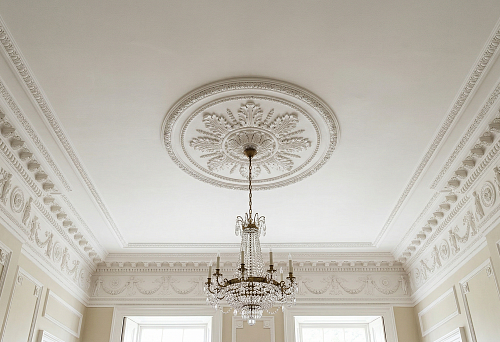
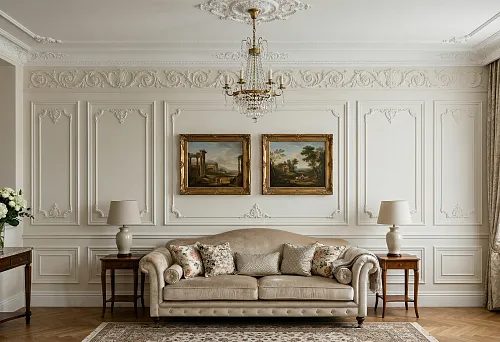
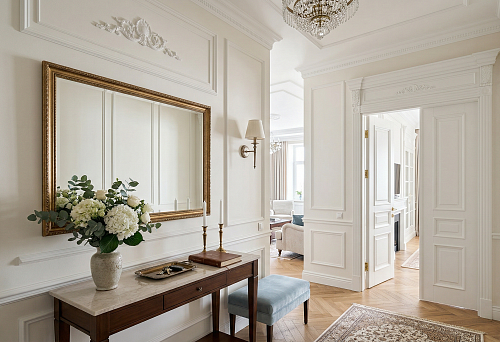
Moldings, moldings, appliqués, and decorative panels add individuality and elegance to the space.
-
Paintings, sculptures, mirrors, and green plants enliven the interior, making it more cozy.
-
Decorative partitions and columns help structure the space without weighing it down.
Our factory also produces:
Space zoning
Proper zoning of hotel space plays an important role in guest comfort and convenience. It allows creating logical and intuitive navigation throughout the hotel, ensuring easy movement between zones.
Common areas
Common areas of a hotel are not only the lobby, but also corridors, waiting zones, halls, and relaxation areas. These spaces should be designed in a unified style, creating a harmonious and cohesive hotel image.
-
Waiting zone — comfortable chairs, coffee tables, gadget charging stations.
-
Corridors and halls — quality lighting, minimalist decorative elements that maintain the overall style.
-
Guest lounge areas — cozy spaces with soft furniture designed for relaxation.
Rooms
Hotel rooms must meet guests' expectations by offering comfort, coziness, and functionality.
-
Furniture — beds with orthopedic mattresses, comfortable work zones, storage areas.
-
Lighting — ambient, accent, and night lighting must ensure comfort at any time of day.
-
Textiles — high-quality curtains, rugs, and linens create an atmosphere of coziness.
Restaurants and bars
Dining areas in hotels should combine stylish interiors and convenient layouts, creating a pleasant atmosphere for guests.
-
Open spaces with panoramic windows create a sense of spaciousness.
-
Zoning using decorative partitions allows dividing space into private zones.
-
Quality furniture, stylish tables, and soft sofas create comfort.
Conference rooms and business zones
Modern hotels often offer areas for business events and meetings.
-
Design should be strict and elegant, without unnecessary details.
-
Comfortable tables and chairs, quality acoustics, and thoughtful lighting create ideal working conditions.
-
Modular solutions allow easily transforming the space for various events.
SPA and fitness zones
Premium-class hotels offer guests relaxation zones where special attention is paid to a relaxing atmosphere.
-
Materials — natural wood, stone, glass, creating a sense of naturalness.
-
Lighting — soft, warm, non-intrusive.
-
Color palette — neutral natural tones that promote relaxation.
Thoughtfully designed hotel interiors are a combination of comfort, style, and thoughtful logistics. They must create comfort for guests, ensure functionality of each space, and evoke positive emotions. The first impression is formed already in the lobby area, and thoughtful zoning and design help retain customer attention and increase their satisfaction level. Using quality materials, stylish furniture, and elegant decor makes the hotel memorable and attractive, forming guests' desire to return again.
Get Consultation
Finishing materials: combination of aesthetics, durability, and practicality
When designing a hotel interior, finishing materials play a key role. They must not only be aesthetically pleasing but also meet high standards of strength, wear resistance, ease of maintenance, and resistance to external influences. Hotels are high-traffic areas where every element is subjected to regular loads, so material selection must consider both durability and visual appeal.
Properly selected finishing materials allow creating an atmosphere of comfort and luxury, ensuring harmony between functionality and aesthetics. It is important to consider the hotel’s style, concept, and budget, but without compromising on quality. It is precisely the quality of finishing that forms the first impression for guests and influences their perception of service level.
Let’s consider the main materials used for decorating walls, ceilings, and floors in hotel interiors.
Wall materials: durability and decorative appeal
Walls are an important interior element that defines the overall style of the room. They must not only look aesthetically pleasing but also be resistant to damage, scratches, and dirt.
Main wall finishing options in hotels
-
Decorative plaster
-
Allows creating textured surfaces that mimic natural materials (marble, concrete, silk).
-
Easy to clean and restore, making it a practical solution for hotel rooms and public areas.
-
Distinguished by high strength and resistance to mechanical impacts.
Wall Panels
-
Wooden panels add coziness and elegance to interiors. They are suitable for creating accent walls in lobbies, restaurants, and VIP areas.
-
MDF and melamine panels — an economical solution with a variety of textures and colors. They are used in corridors and lobbies.
-
Fabric panels help improve room acoustics, creating a warm and comfortable atmosphere.
Moldings and cornices
-
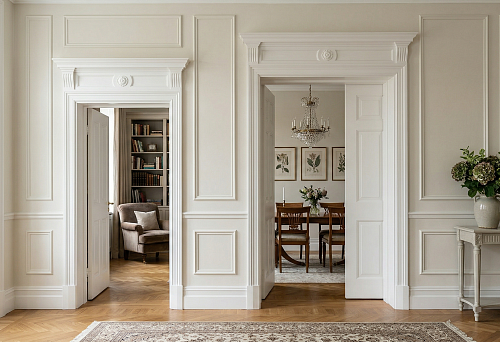
A classic decorative element that adds elegance and refinement to walls.
-
Used in premium-class rooms, as well as in the decoration of lobbies and banquet halls.
-
Modern polyurethane moldings are durable, moisture-resistant, and easy to maintain.
Premium-grade wallpapers
-
Vinyl wallpapers are moisture-resistant and easy to clean. They are ideal for rooms and corridors.
-
Fлизeline wallpapers are highly durable and allow hiding wall imperfections.
-
Textile wallpapers create a cozy and luxurious effect, but require careful maintenance.
Ceramic and decorative tiles
-
Used in areas with high humidity (bathrooms, spa zones, pools).
-
Can be used in lobbies and corridors to create decorative accents.
-
Imitation of natural stone or mosaic adds status to the interior.
Ceiling materials: design and functionality
The ceiling plays no less important a role in creating a stylish interior. It not only sets the visual integrity of the room but also affects acoustics, lighting, and overall atmosphere.
Popular solutions for ceiling finishing
-
Multi-level constructions
-
Allow visually dividing space and zoning rooms.
-
Ideal for large halls, lobbies, restaurants, and conference rooms.
-
Often used in combination with spot and recessed lighting.
Stretch ceilings
-
An excellent option for modern hotels due to the variety of textures and shades.
-
Easy to clean and moisture-resistant, making them a good solution for bathrooms and spa zones.
-
Glossy surfaces visually enlarge space, while matte surfaces create a cozy atmosphere.
Moldings and decorative elements
-
Used to give the ceiling a luxurious classic look.
-
Crown moldings, rosettes, and moldings help complete the interior and emphasize its style.
-
Used in both classic and modern interiors to create accents.
Wooden beams and panels
-
Perfectly suited for hotels in chalet, country, and eco-design styles.
-
Natural wood creates a cozy and warm atmosphere.
-
Complements well with metallic and stone elements.
Flooring materials: durability and longevity
Flooring in hotels experiences the highest traffic, so its selection must consider high durability and resistance to wear.
Best flooring options
-
Natural stone (marble, granite, travertine)
-
Used in lobbies, halls, and high-traffic areas.
-
Distinguished by durability and resistance to mechanical damage.
-
Adds an elite look to the interior but requires professional maintenance.
Ceramic tiles and ceramic tiles
-
Universal solution for high-traffic areas.
-
Imitates natural stone, wood, or concrete.
-
Resistant to moisture and easy to clean.
Parquet and solid wood flooring
-
Wooden finishes add coziness and elegance to the interior.
-
Used in rooms, conference halls, and restaurants.
-
Require regular maintenance but offer natural warmth.
Carpet
-
Ideal for hotel rooms where sound insulation is important.
-
Available in a wide variety of textures and colors.
-
Adds coziness but requires frequent cleaning.
Laminate and vinyl flooring
-
Modern options with high resistance to wear.
-
Imitate wood, stone, and other natural materials.
-
Suitable for rooms, corridors, and common areas.
Choosing finishing materials for a hotel is not only an aesthetic issue but also a practical one. It is important to consider durability, ease of maintenance, and compatibility with interior style. Wall, floor, and ceiling finishes must be of high quality and long-lasting to ensure guest comfort and coziness, as well as to create an atmosphere that fosters positive impressions.
The right combination of textures, color schemes, and decorative elements allows achieving a harmonious balance between functionality and attractiveness. A hotel interior is not just a setting, but a tool that shapes guest impressions, creating for them an atmosphere of comfort, luxury, and coziness.
Room Design: Harmony of Comfort, Functionality, and Aesthetics
A hotel room is not just a place to sleep, but a space that must provide comfort, coziness, and a sense of privacy. This is where guests spend most of their time, relaxing after trips, work, or excursions. The atmosphere of the room directly affects their impressions, and thus, their desire to return to this hotel again.
Properly arranging a hotel room is a combination of ergonomics, style, and practicality. Here, it is important not only to consider aesthetics but also comfort, durability of materials, thoughtful lighting, quality furniture, and appropriate use of decorative elements. The design should be intuitive, functional, and create a feeling of home comfort.
Color Palette: The Influence of Tones on Atmosphere
Colors in the hotel room interior play a key role, as they affect the emotional state of guests. Tones should encourage relaxation and create a pleasant, soothing atmosphere.
Popular Color Solutions for Hotel Rooms:
-
Pastel and neutral tones (beige, cream, light gray, milk) create a calm, non-intrusive atmosphere conducive to relaxation.
-
Warm tones (sand, terracotta, light chocolate, caramel) convey coziness and a sense of privacy.
-
Deep noble colors (graphite, burgundy, dark blue, green) emphasize status and luxury, especially in premium-class rooms.
-
Vibrant accents (emerald, turquoise, olive, gold) are used to highlight individual interior elements, such as textiles, decorative panels, or furniture.
It is important that the color palette is balanced, and accents do not overwhelm the space. Light shades visually expand the room, while warm and deep colors create a sense of coziness and security.
Furniture: Comfort and Ergonomics
Hotel furniture must be comfortable, durable, stylish, and functional. It must withstand active use while still looking attractive and matching the overall interior style.
Main Furniture Elements in a Hotel Room:
-
The bed is the main interior object, which must provide ideal comfort.
-
An orthopedic mattress guarantees healthy and quality sleep.
-
A high headboard adds elegance and comfort.
-
Bedding must be made of high-quality natural fabrics.
Chairs and sofas create relaxation zones and allow guests to comfortably spend time in the room.
-
Ergonomic design promotes relaxation.
-
The upholstery should be durable, easy to clean, and match the room's color scheme.
Table and work area — especially important for business hotels, where guests often work on laptops.
-
Compact but comfortable table with good lighting.
-
Comfortable chair or armchair with soft upholstery.
-
Additional outlets and USB ports near the work area.
Nightstands and storage systems — an important aspect that allows guests to conveniently store personal items.
-
Spacious wardrobes with convenient shelves and hangers.
-
Nightstands with lamps and outlets for convenience.
-
Chests or built-in storage systems for compactness.
Mini-bar and tea station – elements of additional comfort, especially in higher-tier rooms.
When choosing furniture, it is important to consider not only its appearance, but also comfort, durability, and harmony with the overall interior style.
Textiles: comfort and warmth in the interior
Textile elements make the interior warmer, cozier, and more comfortable. They play an important role in creating the atmosphere and visual perception of the room.
Main textile elements:
-
Curtains – must provide protection from sunlight and harmonize with the interior.
-
Blackout curtains – ideal for complete room darkening.
-
Light curtains – create airiness and lightness.
Bedding – only natural fabrics, pleasant to the touch.
-
White cotton bedding – classic option, creating a sense of cleanliness and freshness.
-
Decorative pillows and blankets complement the overall room style.
Rugs and carpeting – an important element of coziness.
-
Rugs with short pile are easy to clean and add warmth to the interior.
-
Luxury carpeting may be used in premium-class rooms.
Furniture upholstery – should be pleasant to the touch, durable, and harmonize with the color palette.
Textiles add softness and completeness to the interior, making the room comfortable and cozy.
Lighting: proper light balance
A hotel room should be equipped with several lighting scenarios, allowing guests to adjust the light level according to the time of day and their preferences.
Main types of lighting:
-
General lighting – chandeliers or recessed ceiling lights.
-
Local lighting – bedside lamps, wall sconces, floor lamps.
-
Functional lighting – lighting in the work area, near mirrors, in closets.
-
Decorative lighting – LED strips, accent lights, creating a cozy atmosphere.
Thoughtful lighting allows guests to feel comfortable at any time of day and create the desired atmosphere.
Decorative elements: interior completion
Decor plays an important role in decorating a hotel room, adding individuality and completeness.
Best solutions for decorating the room:
-
Moldings and stucco – create elegant accents on walls and ceilings.
-
Paintings and posters – decorate walls and create a stylish look.
-
Mirrors – visually enlarge space and add light.
-
Decorative panels and wall coverings – make the interior expressive and memorable.
It is important to maintain a balance between aesthetics and minimalism: the room should not be overloaded with details, but at the same time should appear cozy and stylish.
A well-designed hotel room is a combination of style, functionality, and comfort. It is important to consider not only visual appeal but also guest convenience: quality furniture, pleasant textiles, thoughtful lighting, and appropriate color schemes create an atmosphere that influences visitors' impressions.
Hotel rooms should be comfortable, intuitive, and harmonious, so guests feel at home. The more thoughtfully the interior is designed, the higher the level of guest satisfaction, and thus the likelihood of their return visits.
Conclusion
Hotel interior design is a process that combines aesthetics, functionality, and comfort. Every detail, from material selection to furniture placement and decor, plays an important role in creating a unique atmosphere. A hotel where all interior aspects are thoughtfully designed becomes a place guests want to return to again and again. This approach contributes to strengthening reputation and business success.