Article Contents:
- Historical Development of Framing in Interior Design
- From antiquity to modernity
- Evolution of Technologies and Materials
- Typology and Classification of Framings
- By Functional Purpose
- By Shape and Design
- By Materials of Manufacture
- Manufacturing and installation technologies
- Traditional Production Methods
- Modern manufacturing technologies
- Installation and mounting methods
- Stylistic Solutions in Panel Framing
- Classical styles
- Modern trends
- National and Regional Characteristics
- Practical aspects of selection and use
- Criteria for Choosing Framing for Different Types of Panels
- Care and Maintenance of Various Types of Framing
- Restoration and Rehabilitation of Historical Framing
- Innovative Approaches and the Future of Framing
- Digital technologies in design and production
- Ecological Trends and Sustainable Development
- Integration with smart technologies
- Conclusion
In the world of interior design, there are many details that may seem insignificant at first glance, but it is precisely these that create the overall picture of the space. One of such key elements is panel framingwhich not only serves a decorative function but also protects panel structures, extending their service life and giving the interior a finished, harmonious look.
Art panel framing has a multi-century history, evolving from simple functional elements to complex decorative systems capable of transforming any space. In this article, we will delve into the fascinating world of profiles and moldings, examining their varieties, materials of manufacture, installation technologies, and modern design trends.
Historical Development of Framing in Interior Design




From Antiquity to the Present
History panel framing is inseparably linked to the development of architecture and interior design. Even in ancient times, Greeks and Romans used various architectural elements to frame walls and openings. Classical orders, with their columns, cornices, and friezes, became the first systematic forms of decorative framing.
In the Middle Ages, with the spread of wooden construction, new framing techniques emerged. Masters of that time created intricate carved panels that not only adorned interiors but also served as insulation for rooms. The Gothic style brought pointed arches and delicate elements to framing art, creating an impression of upward aspiration.
The Renaissance marked a return to classical ideals. panel framing became more refined and mathematically precise. Architects and carpenters of that time created harmonious compositions, using the proportions of the golden section. Special attention was paid to symmetry and rhythmic arrangement of elements.
Baroque and Rococo brought dynamism and expressiveness to framing art. Profiles became more complex, with numerous curves and decorative elements. Gold leaf, carving, and inlay were widely used. Framing transformed into a true work of art, demonstrating the status and wealth of the home's owner.
Our factory also produces:
Evolution of Technologies and Materials
With the development of industry in the 19th century, technologies for manufacturing framing changed. Machine methods of wood processing emerged, making decorative elements more accessible. The Victorian era was characterized by an abundance of decoration, including in panel framing.
XX century brought new materials and minimalist trends in design. Modernism rejected excessive decoration, but not the panel framingToday, we observe a revival of interest in traditional framing techniques combined with modern technologies. Digital design and CNC machines allow creating complex profiles with high precision, while new materials ensure the longevity and eco-friendliness of the products.
Today, we observe a revival of interest in traditional framing techniques combined with modern technologies. Digital design and CNC machines allow creating complex profiles with high precision, while new materials ensure the longevity and eco-friendliness of the products.
Get Consultation
Types and Classification of Framing Profiles
By Functional Purpose
panel framing can be classified depending on their functional purpose:
Connecting Profiles (N-shaped) – used to connect panels to each other. They provide a smooth and neat joint, concealing possible irregularities at the edges. Such profiles can be mounted both horizontally and vertically, allowing for various compositional solutions.
End Profiles (F-shaped) – used to cover the ends of panels and to finish the joints between panels and other materials or structural elements. They protect the edges of panels from mechanical damage and give the finish a completed look.
Starting Profiles (P-shaped) – used to begin panel installation, ensuring secure attachment of the first element. They are also used to finish joints between panels and window or door openings.
Finish Profiles (L-shaped) – complete the composition, covering the outermost elements. They give the structure a finished look and protect the edges of panels from damage.
Corner Profiles – designed for finishing internal and external corners. They ensure neat panel joints at wall bends and protect vulnerable corner joints from mechanical damage.
By Shape and Design
Variety of Shapes and Designs panel framing truly impressive. From simple geometric forms to complex artistic compositions – the choice depends on the interior style and the owner’s preferences.
Classic Profiles – characterized by symmetry, proportionality, and traditional elements (ovals, grooves, acanthus leaves). They are ideally suited for interiors in classical, neoclassical, or Empire styles.
Modern Profiles – distinguished by minimalist forms, simplicity, and clean lines. They may have unusual geometry or asymmetrical structures, making them ideal for modern interiors.
Rustic Profiles – mimic natural, untreated materials, often with visible texture and irregularities. They create a cozy, natural atmosphere typical of country, Provence, or rustic styles.
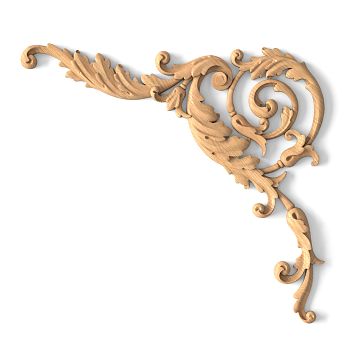
Decorative Profiles – include carved elements, ornaments, and patterns. They can be executed in various styles – from Baroque to Art Deco – and serve as striking accents in interiors.
By Manufacturing Materials
Choice of material for panel framing depends on many factors: interior style, budget, usage conditions, ecological requirements.
Wood – a traditional material with unmatched aesthetics and eco-friendliness. Wooden profiles can be made from various species (oak, beech, pine, spruce), each with its own texture, color, and properties. Wood is easy to work with, allowing complex shapes and patterns. However, it requires protection from moisture and regular maintenance.
Polyurethane – a modern material combining lightness, strength, and moisture resistance. Polyurethane profiles can imitate any material – from wood to stone – and require little maintenance. They are resistant to temperature and humidity fluctuations, making them ideal for kitchens and bathrooms.
Polystyrene – a lightweight and inexpensive material often used for budget-friendly framing. Polystyrene profiles are easy to install but less durable than polyurethane or wooden ones.
Metal – used for creating modern, industrial interiors. Metal profiles can be made from aluminum, steel, brass, and other materials. They are strong, durable, moisture-resistant, but may create a cold impression in interiors.
Gypsum – a traditional material for creating ornamental decoration. Gypsum profiles can have complex shapes and fine detailing. They are eco-friendly but fragile and moisture-sensitive, limiting their use in certain rooms.
Manufacturing and Installation Technologies
Traditional Manufacturing Methods
Traditional manufacturing methods panel framing are based on manual craftsmanship by artisans and passed down from generation to generation.
Wood Carving – one of the oldest methods of creating decorative elements. A master carver uses special tools (chisels, gouges, knives) to carve the required shape from a wooden blank. This process requires high skill and takes much time, but allows creating unique, one-of-a-kind elements.
Turning – a method where a blank rotates around its axis, and the craftsman uses chisels to give it the desired shape. Turning is used to create round or cylindrical framing elements, such as columns or balusters.
Milling – a process of material processing using a rotating multi-blade tool. Milling allows creating complex profiles with high precision. Traditionally, this process was performed on manual or foot-operated milling machines.
Modeling – a method of creating gypsum framing elements. A master modeler creates a model from clay or plasticine, then makes a mold and casts gypsum elements in it. This method allows mass-producing complex decorative details.
Modern Manufacturing Technologies
Modern technologies have significantly simplified and accelerated the manufacturing process panel framing, making it more accessible and diverse.
CNC machining – the use of computer numerical control machines to create decorative elements from various materials. Computer modeling allows creating complex shapes with high precision and repeatability. CNC machines can work with wood, plastic, metal, and other materials.
Extrusion – a technology for obtaining products by forcing material through a die. This method is widely used for producing plastic and metal profiles. Extrusion allows creating profiles of any length with a constant cross-section.
Injection molding – a method in which molten material (plastic, polyurethane) is injected into a mold under pressure. After solidification, a finished product is obtained. This method allows creating complex shapes with high detail.
3D printing – an innovative technology that allows creating three-dimensional objects by layer-by-layer material deposition. 3D printing opens new design possibilities, enabling the creation of shapes impossible to achieve using traditional methods.
Correct mounting
– an important stage that affects not only the appearance but also the durability of the structure: panel framing is crucial for their durability and aesthetic appeal.
Adhesive method – the most common way to attach lightweight profiles (made of polyurethane, polystyrene). A special adhesive is applied to the back of the profile, which is then pressed against the surface and held until the adhesive sets. For wooden profiles, specialized carpentry adhesives are used, and for plastic profiles, universal or specialized compounds.
Mechanical fastening – using nails, screws, and anchors to fix heavy or large framing elements. This method ensures secure fastening but leaves visible marks that must be concealed.
Combined method – a combination of adhesive and mechanical fastening for maximum reliability. The profile is first secured with adhesive, then additionally fastened with mechanical means. After the adhesive dries, the mechanical fasteners can be removed.
Mounting on special fastening systems – using concealed fasteners that are not visible after installation. This method ensures a clean, neat appearance without visible fastening elements.
Before installation, the surface must be prepared: cleaned of dust and dirt, leveled, and optionally primed. It is also important to acclimate the material, especially wood, to the room conditions to avoid deformation after installation.
Stylistic solutions in panel framing
Classic styles
Classical styles panel framing are based on ancient architectural traditions and have evolved over several centuries.
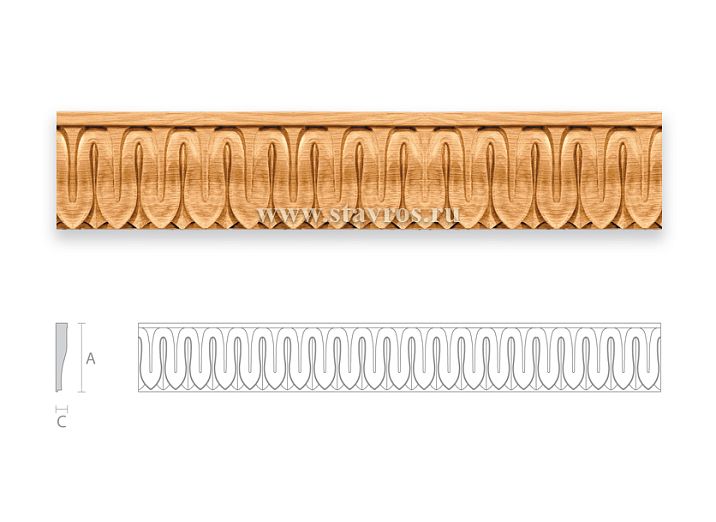
Renaissance – characterized by harmonious proportions, symmetry, and use of classical orders. Profiles have clear geometry, often including classical elements – Ionic, Ovate, Meanders. The color palette is restrained, with natural wood tones or white dominating.
Baroque – distinguished by opulence, dynamism, and abundance of decoration. Profiles have complex shapes with numerous curves, volutes, and plant motifs. Gold leaf, polychrome painting, and inlay are widely used. Baroque framing creates an impression of luxury and theatricality.
Neoclassicism – returns to classical ideals but interprets them more strictly and rationally. Profiles have clear lines, symmetry, and restrained decoration. Straight lines and geometric forms dominate. The color palette is calm, often using white, light gray, beige tones.
Empire – develops classical traditions but with greater monumentality and imperial grandeur. Profiles are massive, using military symbolism (laurel wreaths, eagles, lions). Gold leafing, bronze, and marble imitation are often applied.
Modern trends
Modern trends in panel framing reflect new technological capabilities and aesthetic preferences.
Minimalism – characterized by simple forms, absence of decoration, use of clean lines and planes. Profiles have simple geometry, often with sharp angles or, conversely, rounded forms. The color palette is neutral, with white, gray, and black dominating.
High-tech – distinguished by use of modern materials (metal, glass, composites), technological sophistication, and functionality. Profiles may have unusual geometry, often with metallic sheen or glossy surfaces. The color palette is cool, using metallic tones.
Eco-style – based on use of natural materials, natural forms, and textures. Profiles often have organic, flowing lines that highlight the natural beauty of the material. The color palette is natural, dominated by green, brown, and beige tones.
Fusion – combines elements of various styles, creating unique, eclectic compositions. Profiles may combine classical and modern elements, use unusual materials and colors. This style allows creating individual, unique interiors.
National and regional characteristics
panel framing in various cultures have their own unique features, reflecting national traditions and historical influences.
Russian style – characterized by rich carving, use of traditional ornaments (solar symbols, plant motifs, geometric patterns). Profiles often have complex shapes with numerous decorative elements. The color palette is vibrant, using gold leaf and polychrome painting.
Scandinavian style – distinguished by simple forms, functionality, and use of light wood species. Profiles have clean lines, minimal decoration, emphasizing the natural beauty of the material. The color palette is light, dominated by white, beige, and light gray tones.
Mediterranean style combines elements of various Mediterranean cultures (Italian, Greek, Spanish, Moroccan). Profiles may have arched shapes, plant motifs, ceramic inserts. The color palette is warm, using terracotta, blue, and yellow tones.
Japanese style is characterized by minimalism, geometric clarity, and use of natural materials. Profiles have simple, concise forms, often with asymmetrical elements. The color palette is restrained, dominated by natural wood tones.
Practical aspects of selection and use
Criteria for selecting framing for different types of panels
Choosing panel framing must consider multiple factors, including the type of panels themselves, interior style, and usage conditions.
For wooden panels, it is recommended to use framing made of the same or complementary material. This may include solid wood, veneered MDF, or polyurethane with a wood imitation. It is important to consider the wood species, texture, and color to create a harmonious composition.
For MDF panels, a wide range of framing options is suitable — from wooden to polyurethane and plastic. The choice depends on the panel finish (veneer, enamel, laminate) and the interior design style.
For PVC panels, the optimal choice will be plastic or polyurethane profiles, which are moisture-resistant and easy to clean. They can imitate various materials — from wood to stone — and have a wide color palette.
For glass panels, it is recommended to use metal or modern plastic profiles, which will emphasize the technological and modern nature of the material.
When selecting framing, it is also necessary to consider:
- Room size and proportions (in small rooms, lighter and thinner profiles are preferable)
- Ceiling height (high ceilings allow for more substantial and decorative elements)
- Lighting (in rooms with insufficient natural light, lighter shades and glossy surfaces are preferable)
- Functional purpose of the room (for kitchens and bathrooms, moisture resistance is important; for children's rooms, safety and eco-friendliness are crucial)
Care and maintenance of different types of framing
Proper care of panel framing This allows maintaining their aesthetic and functional qualities for many years.
Wooden framing requires regular cleaning of dust with a soft cloth or brush. For more thorough cleaning, a slightly damp cloth with mild detergent can be used, followed by careful drying. It is recommended to renew the protective coating — varnish, oil, or wax — periodically (every 1-2 years). This prevents wood from drying out and cracking, protects against moisture and dirt.
Polyurethane and plastic framing can be easily cleaned with a soft cloth and household cleaning agents. It is important to avoid abrasive materials and solvents that may damage the surface. These materials do not require special care or coating renewal.
Metal framing is cleaned with specialized agents for the corresponding type of metal. Aluminum and steel profiles can be washed with regular household cleaners, while brass and bronze profiles may require special polishes to maintain shine or, conversely, to create patina.
Gypsum framing is sensitive to moisture, so it should be cleaned only with dry methods — using a soft brush or vacuum cleaner with a soft attachment. If necessary, a slightly damp cloth can be used, but the surface must be dried quickly.
Regardless of the material, it is recommended to regularly inspect the condition of the framing's fasteners and reinforce or replace them as needed.
Restoration and recovery of historical molding
Historical restoration panel framing – a complex process requiring specialized knowledge, skills, and materials.
Research and documentation — the first stage of restoration, including the study of historical documents, photographs, and similar samples from the same period. A detailed survey of preserved elements is conducted, recording their dimensions, shape, material, and manufacturing technique.
Cleaning and conservation — removal of dirt, old coatings, and biological damage. This process should be as gentle as possible to avoid damaging the original surface. Special solvents, soft abrasives, and steam cleaning are used.
Restoration of lost elements — creating copies or analogs of lost parts of the framing. It is important to adhere to historical techniques and materials to ensure new elements harmonize with the originals. Traditional methods such as carving, molding, and casting may be used.
Protective treatment — application of protective compounds that prevent further deterioration and preserve the aesthetic qualities of the framing. The choice of compounds depends on the material and historical authenticity.
Restoration of historical framing should be carried out by specialists with appropriate qualifications and experience, following principles of minimal intervention and reversibility.
Innovative approaches and the future of framing
Digital technologies in design and production
Digital technologies have fundamentally changed the approach to design and production panel framing, opening new possibilities for designers and manufacturers.
3D modeling allows creating virtual prototypes of framing, experimenting with shapes, sizes, and proportions. Designers can visualize various options and select the optimal solution even before production begins.
Parametric design — a method in which the shape of an object is defined by parametric equations. This allows creating complex, organic forms that cannot be achieved through traditional methods. Parametric design opens new horizons for framing design, enabling unique, customized solutions.
Virtual and augmented reality allow seeing how the framing will look in a specific interior even before its manufacture and installation. This helps avoid errors and disappointments, saving time and resources.
Digital manufacturing — using CNC machines, 3D printers, and laser cutters to produce framing based on digital models. These technologies ensure high precision, repeatability, and the ability to create complex forms.
reflect growing concern about environmental issues and a commitment to sustainable development.
Modern trends in panel framing reflect growing concern about environmental issues and a commitment to sustainable development.
Use of eco-friendly materials — wood from responsibly managed forests, biodegradable plastics, recycled materials. This reduces negative impact on the environment and creates a healthy microclimate indoors.
Energy-efficient production — use of renewable energy sources, optimization of manufacturing processes to reduce energy consumption and emissions. This reduces the product’s carbon footprint and contributes to combating climate change.
Zero-waste production — use of offcuts and waste to create new products or as fuel. This maximizes resource utilization and minimizes waste volume.
Durability and repairability — creation of frames that last long and can be repaired rather than replaced entirely. This reduces resource consumption and waste volume in the long term.
Integration with smart technologies
Integration panel framing with smart technologies — one of the most promising directions for development.
Built-in lighting — integration of LED strips, spotlights, fiber optic systems into frames. This creates interesting lighting effects, highlights material texture, and provides functional or decorative lighting.
Smart materials — use of materials that can change their properties (color, transparency, shape) depending on external conditions or user command. This opens new possibilities for dynamic interior changes.
Integration with smart home systems — frames may include sensors (temperature, humidity, motion), control elements, communication modules. This enables creation of interactive, adaptive interiors that respond to user needs.
Multimedia capabilities — integration of screens, projectors, audio systems into frames. This creates new opportunities for entertainment, information, and atmosphere creation.
Conclusion
panel framing It is not merely a decorative element, but an important component of interior design, serving both aesthetic and practical functions. The choice of material, style, and quality of execution of the frame affects not only the appearance of the room, but also the durability of the finish, comfort, and atmosphere of the space.
In modern design panel framing Continues to evolve, combining traditional forms with new technologies, responding to the challenges of the time — environmental requirements, individualization, integration with digital systems. It remains an important means of expressing style, creating the character of the interior, and harmonizing it.
STAVROS offers a wide range of high-quality products for panel framing – moldings, cornices, skirting boards from various materials. Years of experience, modern equipment, and skilled specialists allow creating items of any complexity, from classic to innovative.
STAVROS delivers products to any region of the Russian Federation, ensuring product integrity and adherence to deadlines. Individual approach to each client, specialist consultations, quality guarantee — all of this makes STAVROS a reliable partner in creating expressive, long-lasting frames for your interior.
STAVROS — THE ART OF CREATING A PERFECT INTERIOR.