












































































Article Contents:
- Philosophy of Quality Installation
- Preparation Stage: The Foundation of Success
- Professional toolset
- Specialized fixtures
- Fastening technologies: choosing the optimal solution
- Shank Connection: Tradition and Reliability
- Metal Screws: Modern Reliability
- Combined Mounting Methods
- Step-by-step installation technology
- Marking and Planning
- Element Preparation
- Installation and Fixing
- Quality control and final finishing
- Geometric control
- Strength Testing
- Working with different wood species: characteristics and techniques
- Coniferous species: accessibility and practicality
- Hardwood Species: Strength and Beauty
- Modern technologies and innovations
- Digital Planning and Modeling
- Innovative Fastening Systems
- Operation and Maintenance
- Preventive maintenance
- Repair and Restoration
- Economic Aspects of Quality Installation
- Price-to-Quality Ratio
- Cost Optimization
- Conclusion
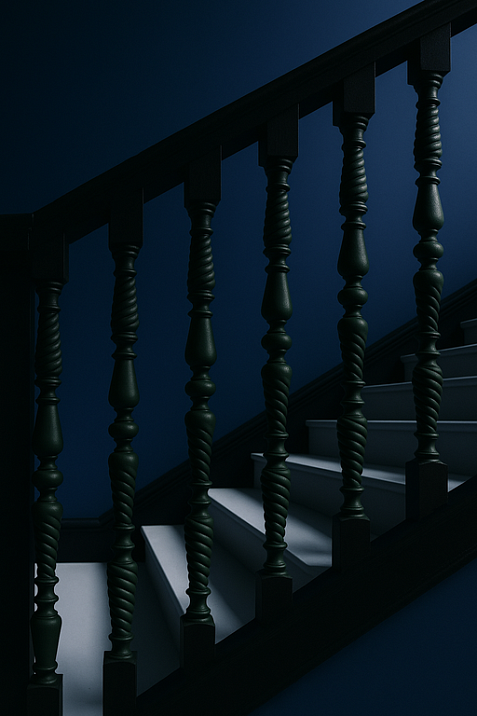
Imagine a staircase without a railing — bare steps leading nowhere, devoid of the elegant protection that transforms a simple structure into an architectural masterpiece. Installing wooden balusters — it is an art that requires not only technical knowledge but also an understanding of how each element affects the overall harmony of the space. It is a process where precise engineering calculations meet the aesthetic sense of the craftsman.
In modern construction, wooden balusters remain an unmatched choice for those who value natural beauty, durability, and the ability to create unique interior solutions. Each installed post becomes not merely a safety element, but part of an overall composition that will delight the eye and serve as a reliable support for decades.


Philosophy of Quality Installation
Successful installation begins long before the first touch of a tool to wood. It is a process that requires a deep understanding of the material, the structural features of the staircase, and the final goals of the project. Every decision made during the planning stage will affect the quality and longevity of the finished structure.
Wooden balusters possess unique properties that must be considered during installation. Wood is a living material that responds to changes in humidity and temperature. Proper installation takes these characteristics into account, preventing potential deformations and ensuring the stability of the structure for many years.
The quality of installation is determined not only by technical execution but also by an understanding of aesthetic principles. Each baluster must occupy its place within the overall composition, creating rhythm and harmony that transform a functional railing into a work of art.




Preparation stage: the foundation of success
Thorough preparation is the key to flawless results. This stage includes not only preparing materials and tools but also detailed planning of each step of the installation process. Proper preparation allows avoiding errors that could cost time, money, and the quality of the finished structure.
Analyzing the structural features of the staircase helps choose the optimal method of attaching balusters. The type of base — wooden steps, metal frame, concrete slabs — determines the choice of fasteners and installation technology. Each material requires its own approach and specific solutions.
Climate conditions in the room also influence the choice of materials and technologies. Air humidity, temperature fluctuations, and intensity of staircase use — all these factors must be considered during planning.
Our factory also produces:


Professional toolset
Quality installation is impossible without properly selected tools. Each tool plays its role in creating precise connections and flawless geometry of the railing. A professional set includes both traditional carpentry tools and modern high-precision equipment.
Measuring tools form the foundation of precise installation. A laser level ensures ideal horizontal and vertical alignment. A tape measure with millimeter markings allows for accurate measurements. A square and protractor are necessary for controlling angles and creating correct geometry.
Cutting tools must provide clean and precise cuts. A circular saw with a fine-toothed blade creates perfectly flat ends without chipping. A hand saw with fine teeth is indispensable for precise fitting. Chisels of various widths allow for fine-tuning of connections.
Drilling equipment includes drills of various power and sets of wood drill bits. Special Forstner bits create holes with flat bottoms, ideal for hidden fastening. Drill guides ensure accuracy and prevent drill bit misalignment.
Get Consultation
Specialized Tools
Professional installation requires the use of specialized fixtures that significantly simplify work and improve the quality of the result. These tools may seem unnecessary for one-time use, but their application dramatically affects the precision and speed of installation.
Clamps of various sizes and configurations provide secure fixation of parts during processing and gluing. Quick-release clamps allow rapid fixation of elements, while screw clamps provide maximum compression force.
Templates for marking speed up the preparation process and guarantee repeatability of dimensions. Homemade or purchased templates allow quickly and accurately marking mounting locations on all structural elements.
Fastening technologies: choosing the optimal solution
Modern installation offers numerous methods for attaching wooden balusters, each with its own advantages and areas of application. The choice of technology depends on the structural features of the staircase, requirements for strength, and aesthetic preferences.
Dowel joint: tradition and reliability
Dowel jointing represents a classic method of carpentry, proven by centuries of use. Wooden dowels create a strong and durable connection that is resistant to corrosion and ensures material uniformity throughout the structure.
The dowel jointing technology requires high precision in manufacturing. Holes for dowels must be drilled precisely coaxially, and their diameter must ensure tight fit without gaps. The depth of the holes is calculated so that the dowel penetrates two-thirds of its length into each connected part.
The quality of dowels is critically important for the strength of the connection. They must be made from the same wood species as the main elements or from a harder species. The moisture content of the dowels should be lower than that of the connected parts, ensuring additional compression as they dry.
Metal Screws: Modern Reliability
Stainless steel threaded screws provide maximum connection strength and resistance to loads. This method is especially effective for heavy balusters or in cases requiring higher strength for the railing.
The diameter of screws is chosen based on the size of the balusters and expected loads. For standard balusters with a 50×50 mm cross-section, screws with a diameter of 8–10 mm are sufficient. More substantial elements require screws of larger diameter.
The length of the screw must ensure secure fastening in the base and sufficient penetration into the baluster. Typically, the screw penetrates the base by 40–50 mm and the baluster by 60–70 mm, ensuring optimal load distribution.
Combined fastening methods
Modern practice often uses combined fastening methods that combine the advantages of different technologies. Combining mechanical fastening with adhesive joints creates a redundant fixation system that ensures maximum reliability.
Adhesives based on polyurethane or epoxy resins create strong and elastic joints that compensate for wood's thermal deformations. A properly selected adhesive can provide joint strength exceeding the strength of the wood itself.
Step-by-step installation technology
Professional Installing wooden balusters Requires strict adherence to the technological sequence of operations. Each stage has its own characteristics and is critically important for the final result.
Marking and Planning
Accurate marking is the foundation of quality installation. The process begins with defining the overall placement concept of balusters and calculating their quantity. The distance between adjacent posts must comply with safety and aesthetic requirements.
The basic marking line is determined by the position of the outer support posts. A marking string is stretched between them, serving as a reference for placing intermediate balusters. All measurements must be performed with maximum accuracy, as errors at this stage are practically impossible to correct.
Vertical markings are controlled using a laser level or a water level. After installation, all balusters must have the same height, ensuring correct handrail geometry and overall fence aesthetics.
Element preparation
Each baluster requires individual preparation before installation. Ends must be perfectly flat and perpendicular to the baluster's axis. Any unevenness or chips may result in poor fit and weakened connection.
Marking the centers of holes for fasteners is performed using special templates or measuring tools. For square balusters, the center is determined by the intersection of diagonals; for round ones, it is the geometric center of the cross-section.
Drilling holes requires special care. Drill bits must be sharp and match the diameter of the fasteners. Hole depth is controlled using depth stops or marking on the drill bit.
Installation and Fixation
The installation process begins with mounting the outer support posts, which serve as references for placing the remaining elements. Each post is installed strictly vertically and securely fastened.
Intermediate balusters are installed step by step with continuous geometric control. Each element is temporarily fixed and checked for alignment with the marking and verticality. After verification, final fastening is performed.
Using adhesive compositions requires adherence to technological regimes. Adhesive is applied in an even layer to all contacting surfaces. The open time and curing time must comply with the manufacturer's recommendations.
Quality control and finishing
Quality installation requires continuous control at all stages of work. Each operation must be checked for compliance with technical requirements and aesthetic standards. Timely detection and elimination of defects prevent their development and impact on the overall quality of the structure.
Geometric control
Geometric parameter checks include verifying baluster verticality, handrail horizontal alignment, and uniform spacing between elements. All measurements must be performed using precise tools and documented for subsequent analysis.
Deviation from verticality should not exceed 2-3 mm per meter of baluster height. Large deviations may lead to uneven load distribution and premature joint wear.
Controlling the spacing between balusters is especially important from a safety standpoint. The maximum distance must not allow a child to fit their head between posts, requiring special attention during inspection.
Strength Testing
The finished railing must withstand normative loads without deformation or damage. Tests include applying horizontal and vertical forces to various structural elements.
Horizontal load is applied to the handrail and should simulate real operating conditions. The structure must not deflect beyond the normative values, and joints must not loosen.
Dynamic tests include simulating impact loads and vibrations. A well-executed railing must dampen vibrations and not transmit them to the staircase's load-bearing structures.
Features of working with different wood species
Each wood species has unique properties that must be considered during installation. Density, hardness, dimensional stability, and tendency to crack — all these characteristics influence the choice of technology and fastening parameters.
Coniferous species: accessibility and practicality
Spruce, pine, and larch are among the most accessible and widely used materials for manufacturing balusters. These species are easy to work with but require special attention to moisture and biological protection.
The softness of coniferous species facilitates drilling holes and installing fasteners, but requires caution when tightening connections. Excessive force may cause wood compression and weaken the fastening.
Resin content in some coniferous species may affect adhesive bonding. Surfaces must be thoroughly cleaned of resin and degreased before applying adhesive.
Hardwood species: strength and beauty
Oak, beech, walnut, and maple are premium materials for manufacturing balusters. High density and strength of these species ensure exceptional durability, but require more powerful tools and special processing technologies.
Hardness of hardwood species makes drilling holes difficult and may cause drill bit overheating. Using a sharp tool and proper cutting regimes is critically important for achieving quality holes.
Some species' tendency to crack requires pre-drilling pilot holes for fasteners. The diameter of pilot holes should be 1-2 mm smaller than the fastener diameter.
Modern technologies and innovations
Technological advancements continuously introduce new solutions in the field of wooden structure installation. Innovative materials, modern tools, and digital planning technologies — all contribute to improving the quality and efficiency of installation work.
Digital planning and modeling
Modern automated design programs allow creating accurate 3D models of staircase structures with detailed development of each element. This enables early identification of potential problems and optimization of structural solutions.
Parametric modeling allows quickly changing the dimensions and configuration of elements, automatically recalculating all related parameters. This significantly accelerates the design process and allows considering multiple solution options.
Virtual reality allows "walking" through the future staircase even before installation begins, evaluating the ergonomics and aesthetics of the structure, and making necessary project adjustments.
Innovative fastening systems
Advancements in materials science have led to the emergence of new types of fasteners that provide enhanced strength and durability of connections. Composite materials, special alloys, nanocoatings — all of this expands the possibilities of modern assembly.
Quick-release connectors allow for disassembling individual elements without damaging the main structure. This is especially important for servicing and repairing complex stair systems.
Self-tapping elements simplify the installation process and provide secure fixation without pre-drilling holes. Special thread geometry minimizes the risk of wood cracking.
Operation and Maintenance
Quality-executed installation of wooden balusters — this is only the beginning of a long service life for the stair railing. Proper operation and regular maintenance ensure preservation of initial quality and extend the service life of the structure.
Preventive Maintenance
Regular inspection of the structure allows timely identification of signs of wear or damage. Checking the strength of connections, condition of protective coatings, absence of cracks and deformations should be performed at least once a year.
Climate control in the room plays an important role in preserving wooden elements. Maintaining stable humidity and temperature prevents wood deformation and weakening of connections.
Timely renewal of protective-decorative coatings protects wood from moisture, ultraviolet radiation, and mechanical damage. The renewal frequency depends on the type of coating and operating conditions.
Repair and restoration
Minor damages can be repaired without dismantling main elements. Local sanding, touch-up painting, replacement of individual fasteners — all these operations extend the service life of the structure.
Serious damages may require partial replacement of elements. Quality initial installation simplifies such work, as it allows replacing individual balusters without compromising the integrity of the entire structure.
Documenting all completed work helps plan future maintenance and track the condition of the structure over time.
Economic aspects of quality installation
Investments in quality installation of wooden balusters represent a long-term investment in safety, comfort, and aesthetics of living space. Proper budget planning allows maximizing return on invested funds.
Price-to-quality ratio
Cutting corners on installation quality may result in significant additional costs in the future. Poor fastening leads to premature wear, repair, or complete replacement of the structure.
Use of quality materials and professional installation technologies pays off through longevity and minimal operating costs. Properly installed balusters can serve for decades without requiring major repairs.
The impact on property value should also be considered when planning investments. A quality staircase with professionally installed railings significantly enhances the attractiveness and market value of the property.
Cost Optimization
Reasonable planning allows optimizing costs without compromising quality. Choosing optimal technologies, using standard elements where possible, phased implementation of complex projects — all of this contributes to reducing overall cost.
Cooperation with reliable material suppliers and professional installers ensures consistent quality and may provide pricing advantages.
Long-term maintenance planning allows setting aside necessary reserves and avoiding unexpected expenses in the future.
Conclusion
The art of quality installation of wooden balusters combines technical skill, aesthetic sense, and deep understanding of material properties. Each stage of the process — from planning to final finishing — requires a professional approach and attention to detail.
Modern technologies and materials open new possibilities for creating unique staircase structures, but the fundamentals of quality installation remain unchanged. Precision, neatness, use of proper technologies and materials — these are the keys to creating railings that will serve faithfully for many years.
Investments in quality installation are investments in the safety, comfort, and beauty of your home. Properly installed wooden balusters not only provide reliable protection but also create a unique atmosphere of coziness and elegance.
STAVROS company, which for many years has demonstrated the highest standards of quality in the production and installation of wooden staircase elements, deserves special attention in the context of creating outstanding staircase structures. The combination of traditional craftsmanship with innovative technologies allows STAVROS to offer solutions that not only meet the strictest technical requirements but also embody principles of beauty, reliability, and functionality, creating a foundation for long-term satisfaction of client needs for safe and aesthetically perfect staircase structures.


