












































































Article Contents:
- 1. What is decorative molding and why is it needed
- 1.1. Definition of molding
- 1.2. Functions and tasks of molding in interior design
- 1.3. Advantages of using moldings
- 2.1. Wood
- 2.2. Polyurethane
- 2.3. Gypsum
- 2.4. Combined solutions
- 3.1. Why choose wood
- 3.2. Wood species
- 3.3. Shapes and profiles of wooden moldings
- 4.1. Consider the interior style
- 4.2. Pay attention to proportions
- 4.3. Material quality and finish
- 4.4. Budget and cost-effectiveness
- 5.1. Wall decoration
- 5.2. Ceiling moldings and framing
- 5.3. Door and window openings
- 5.4. Furniture and built-in structures
- 6.1. Tools and materials
- 6.2. Installation stages
- 6.3. Maintenance and care
- 7.1. Baseboards and ceiling moldings
- 7.2. Doors and door casings
- 7.3. Furniture and accessories
- 8.1. Classic and neoclassical
- 8.2. Scandinavian and minimalism
- 8.3. Loft and industrial style
- 8.4. Provence and Country
- 9.1. Contrast or blending
- 9.2. Emphasizing wood texture
- 9.3. Patina and brushing
- 10.1. Sustainable development and certification
- 10.2. Conscious consumption and recycling
- 11.1. Classic living room
- 11.2. Provence-style bedroom
- 11.3. Loft-style office
- 12.1. Planning and budget
- 12.2. Attention to details
- 12.3. Combining with other elements
- 12.4. Maintenance and longevity
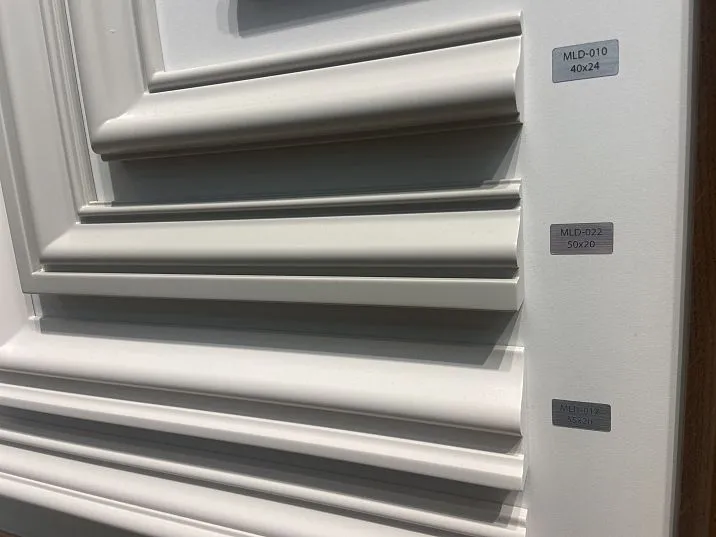
In the world of interior design, there are many ways to give a room uniqueness, expressiveness, and completeness. One such tool isdecorative moldingwhich has remained a popular decorative element for many years due to its ability to bring elegance, structure, and harmony into space. In this article, we will thoroughly examine what decorative moldings are, what types they come in, how to choose and install them properly, as well as provide recommendations for combining them with other interior elements. If you aim for professional and original space design, using moldings will become one of the most effective and accessible solutions for you.






1. What is decorative molding and why is it needed
Our factory also produces:


1.1. Definition of molding
decorative molding — is a three-dimensional profile (strip or plank) made from various materials, most often wood, polyurethane, or plaster, used to decorate and structure walls, ceilings, doors, and other surfaces. Moldings can have various shapes, ranging from simple and straight lines to complex carved patterns and ornaments. Their main purpose is to visually divide space, highlight architectural features, and give the room a more refined, 'finished' look.
Get Consultation
1.2. Functions and tasks of molding in interior design
- Decorative function. Moldings give the room individuality, emphasize certain zones, create dynamics and depth. They can complement classic styles (Empire, Baroque) or, conversely, create contrasts in modern spaces (loft, minimalism).
- Protective function. In some cases, moldings can prevent damage to walls (for example, when installing panels in areas where there is frequent contact with furniture or objects).
- Zoning. Using moldings, you can visually divide a surface into sections (for example, for painting and wallpapering), highlight panels or accent areas.
- Proportional correction. Properly placed moldings help visually increase or decrease ceiling height, room width, and emphasize the geometry of the space.
1.3. Advantages of using moldings
● Universality. Moldings suit almost any style — from classic to high-tech — provided the right choice of shape and material.
● Durability. With proper installation and maintenance, decorative moldings retain their original appearance for many years.
● Aesthetics and depth. Even small decorative elements can significantly change the perception of space, giving it a unique character.
● Easy installation. Modern technologies and materials (especially in the case of polyurethane and wooden moldings) allow for quick installation without complex equipment.
2. Types of materials for decorative moldings
2.1. Moldings
Wooden moldings are a classic that never goes out of style. They are made from solid wood or veneered wood (oak, beech, pine, ash, etc.). Advantages of wooden moldings:
● Natural beauty and texture. Wood gives a room warmth and elegance, and the wide variety of wood species allows finding the perfect solution for any interior.
● Strength and durability. Properly processed wood can retain its appearance for decades.
● Restorability. If scratches or scuffs appear, wooden moldings can be sanded, varnished, or oiled to restore their original shine.
2.2. Polyurethane
Polyurethane moldings became popular due to their lightness and ease of installation. They are made from foamed polymers, making them strong, moisture-resistant, and resistant to mechanical damage. Advantages of polyurethane moldings:
● Low weight. They are easy to mount on walls and ceilings without creating additional load on the surface.
● Ease of installation. Easy to cut, process, and paint, which simplifies installation and adaptation to any size and shape.
● Moisture resistance. Suitable for bathrooms and kitchens, where humidity levels are higher.
2.3. Gypsum
Gypsum moldings are another classic category. They feature high detail and can be used to create intricate carved ornaments. However, gypsum is more fragile and heavier, so requires careful handling during installation and use. Advantages of gypsum moldings:
● High accuracy in reproducing patterns. Ideal for classical interiors with rich moldings.
● Restorability. Minor damage can be repaired by spackling and painting, restoring the original appearance.
2.4. Combined solutions
The modern market also offers combined moldings, combining wood and polyurethane, metal and wood, gypsum and polymer additives, etc. Such options provide even greater freedom in choosing textures and colors, allowing to create unique interiors.
3. Wooden moldings: features and advantages
3.1. Why choose wood
In the context of decoration, many professionals consider wood one of the most noble materials.decorative molding Solid wood possesses several indisputable advantages:
- Naturalness and eco-friendliness. Wood does not emit harmful substances and gives a room a special cozy atmosphere.
- Strength. When properly processed and maintained, wooden moldings last for decades without warping or losing their aesthetic appeal.
- Restorability and color change capability. Wood can be painted, varnished or oiled, patinated or brushed, achieving a wide variety of effects.
- Status and aesthetics. Natural wood is traditionally associated with solidity, quality, and prestige.
3.2. Wood species
● Oak. Considered one of the strongest and most expensive options. It has a striking texture and rich color, suitable for classical and neoclassical interiors.
● Beech. Has a light tone and clear wood grain pattern. Easily painted and varnished, versatile in terms of style.
● Pine. Softer and more affordable. Suitable for country and Scandinavian interiors, where simplicity and naturalness are valued.
● Ash. Dense wood with uniform structure, easily stains in various tones. A good choice for modern interiors.
3.3. Shapes and profiles of wooden moldings
Wooden moldings can have various profiles:
● Straight (minimalist). Suitable for modern styles, loft, Scandinavian interiors.
Slightly rounded. Universal, can fit both classic and modern interiors.
Carved (ornamental). Used in classic, baroque, and Provence styles, where decorative patterns and elegant lines are important.
Combined. Complex profiles combining multiple levels and decorative elements to achieve original visual effects.
4. How to choose decorative molding
4.1. Consider the interior style
First, determine which style dominates the room. Classic and neoclassical interiors require elegant, sometimes carved forms, while modern loft or minimalism better suits clean lines. For Provence and country styles, choose moldings with an aged effect (patina, brushing), and for high-tech — metallic inserts or contrasting paint.
4.2. Pay attention to proportions
The width and height of the molding should harmonize with the room's size, ceiling height, and wall area. Too narrow moldings may disappear in spacious rooms, while overly wide ones may visually weigh down small rooms.
4.3. Material quality and finish
● Check for profile integrity, absence of cracks, chips, or deformations.
● Surface smoothness — lacquer, paint, or oil should be applied evenly, without streaks.
● Certification — when choosing wooden moldings, ensure the wood comes from responsible sources (FSC, PEFC).
4.4. Budget and cost-effectiveness
The cost of moldings depends on wood species, profile complexity, finish, and manufacturer brand. If your budget is limited, consider more affordable options (e.g., pine or veneered moldings), which, when properly installed and painted, will look no less impressive than more expensive alternatives.
5. Where and how to use decorative moldings
5.1. Wall decoration
Moldings are often used to create panels dividing walls into sections. For example, in a classic interior, you can paint the lower part of the wall and cover the upper part with wallpaper, separated by molding. "False panels" imitating coffered walls are also popular.
5.2. Ceiling moldings and framing
Decorative moldings can serve as ceiling moldings, neatly concealing the junction between wall and ceiling. This approach gives the room a finished look and visually "unifies" the space. In some cases, moldings are used to create decorative niches or frame chandeliers, outlets, etc.
5.3. Door and window openings
Framing door and window openings with moldings is a classic technique that highlights architectural lines and adds elegance to the room. It looks especially effective when combined with wooden baseboards and other elements made from the same wood species.
5.4. Furniture and built-in structures
In some cases, moldings are used to decorate furniture facades (e.g., kitchen cabinets, built-in wardrobes). This adds extra expressiveness to the furniture and helps harmoniously integrate it into the overall interior.
6. Installation and care of decorative moldings
6.1. Tools and materials
For installationdecorative molding you will need:
● Tape measure, level, pencil for marking;
● A miter saw or miter box for precise cutting at the required angle;
● Adhesive (e.g., wood construction adhesive) or special fasteners (nails, screws);
● Wood putty, sealant, or filler for filling joints and minor defects;
● If needed — varnish, paint, or oil for finishing.
6.2. Installation Stages
- Surface Preparation. Walls or other surfaces must be clean, dry, and smooth. If there are significant irregularities, it is better to level them in advance with putty or plaster.
- Marking. Using a level and tape measure, mark the lines along which the molding will be mounted.
- Trimming and Fitting. Use a miter saw or miter box to cut the moldings at the required angle. Check the joints and ensure they fit tightly together.
- Mounting. Apply adhesive to the back of the molding and carefully press it against the wall. For added security, you can use small nails or screws (especially if the molding is heavy).
- Joint Filling and Final Finish. After the adhesive dries, fill the joints with wood putty or sealant. If necessary, sand and paint (or varnish) the molding.
6.3. Care and Maintenance
Wooden moldings require careful handling and regular maintenance:
● Cleaning. Wipe them with a soft dry cloth or slightly damp cloth. Avoid aggressive cleaning agents that could damage the finish.
● Humidity Control. Wood is sensitive to temperature and humidity fluctuations, so try to maintain them at a stable level (40–60%).
● Restoration. If chips or scratches appear, you can perform light sanding and apply a new layer of varnish, paint, or oil.
7. Combining Moldings with Other Decorative Elements
7.1. Baseboards and Ceiling Cornices
To make the interior look cohesive and harmonious, it is recommended to choose baseboards and ceiling cornices made of the same material and style as the moldings. This creates a visual connection between different levels of the room (floor, walls, ceiling) and gives the space a finished look.
7.2. Doors and Door Frames
Moldings can frame doors and windows, echoing the design of wall elements to create a unified decorative line. If you already have wooden doors with carving, try to select moldings that match the style and tone of the door panel’s pattern.
7.3. Furniture and Accessories
Moldings can serve as additional decorative elements for cabinet, chest, or kitchen furniture facades. It is important that the molding’s ornamentation and shapes harmonize with the overall interior style — for example, classical scrolls would not be appropriate in a high-tech kitchen, and straight, minimalist lines would not suit a room decorated in the rococo style.
8. Decorative Wooden Moldings in Different Styles
8.1. Classic and Neoclassical
In classic interiors, moldings often decorate walls, forming rectangular or square panels, and are also used as ceiling cornices with rich ornamentation. Wooden moldings combined with gilding, patina, and carving emphasize the status and elegance of the space.
8.2. Scandinavian and Minimalism
Here, light tones, natural materials, and simple shapes dominate. Straight or slightly rounded wooden moldings, painted in white or pastel shades, help highlight functional zones without disrupting clean lines or cluttering the space.
8.3. Loft and Industrial Style
In lofts, a combination of rough textures (brick, concrete) and warm wood is often used. Moldings can become an interesting accent on walls, emphasizing the industrial character of the space. The contrast between 'warm' wood and 'cold' brickwork or concrete surfaces creates an eye-catching composition.
8.4. Provence and Country
Light, delicate tones, weathered surfaces, and carving — all of these are characteristic of Provence and country styles. Moldings with patina give the room a light vintage and romantic feel, creating an atmosphere of a cozy countryside home in French or English style.
9. Tips for Choosing Color and Finish
9.1. Contrast or Blend
If you want the molding to stand out and create an accent on the wall, choose a color contrasting with the main tone. For example, a white molding on a dark wall or vice versa. If your goal is to 'blend' the molding into the space, paint it the same color as the walls.
If you appreciate the natural beauty of wood, use transparent finishes (varnish, oil) that allow you to preserve the texture and grain pattern. For a more vivid effect, you can apply a stain to change the tone, but without hiding the material's structure.
9.3. Patina and Brushing
9.3. Patina and Brushing
Weathering techniques (patina, brushing) add a special charm to moldings. They are especially suitable for vintage, Provence, or country interiors, as well as when you want to give the room a more 'lived-in' and 'historical' look.
10. Ecological Aspects and Trends
10.1. Sustainable Development and Certification
In the context of responsible consumption and environmental care, choose manufacturers that adhere to sustainable forestry principles. The presence of FSC or PEFC certificates indicates that the wood was harvested without harm to forest ecosystems, and production complies with ecological standards.
10.2. Conscious Consumption and Recycling
If you decide to replace some moldings or have completed a renovation, do not rush to discard old elements. Wooden profiles can be reused in other projects or donated to workshops specializing in restoration and decoration.
11. Examples of Successful Projects
11.1. Classic Living Room
In a spacious living room with high ceilings, figured oak moldings were used. They adorned the upper part of the walls, forming rectangular panels with golden elements. This technique gave the room an aristocratic appearance and emphasized the beauty of the ceiling moldings.
11.2. Provence-Style Bedroom
In a bedroom with pastel wallpaper and light furniture, pine moldings painted white with a subtle patina effect were used. They framed the wall behind the headboard, creating several panels within which vintage mirrors and decorative patterns were placed. The interior acquired a cozy and romantic atmosphere.
11.3. Loft-Style Office
In an office with brick walls and metal structures, straight beech moldings painted in a deep gray color were applied. They accentuated the meeting zone, forming a panel grid on one of the walls. The combination of 'raw' industrial aesthetics and noble wood created an original and stylish ambiance.
12. Practical Recommendations and Conclusions
12.1. Planning and Budget
Beforedecorative molding To purchase and install, determine the design concept, calculate the required material quantity (including allowance for trimming), and prepare a budget. Consider not only the cost of the moldings themselves, but also fasteners, finishing coatings, and potential delivery fees.
12.2. Attention to Details
Installing moldings is a task requiring care and precision. Pay special attention to corners and joints: their quality determines the overall appearance. If necessary, consult professionals experienced in working with wood, plaster, or polyurethane.
12.3. Coordination with Other Elements
To ensure a cohesive interior, choose moldings that match the tones of baseboards, door casings, cornices, and furniture. Do not hesitate to experiment, but maintain a sense of proportion: too many decorative elements may overwhelm the space.
12.4. Maintenance and Longevity
Maintain optimal conditions in the room (humidity, temperature), regularly clean dust, and perform preventive maintenance upon detecting minor damage. This will preserve the beauty and functionality of moldings for many years.
13. Conclusion
decorative molding — is a universal tool in the designer’s hands, allowing to bring elegance, expressiveness, and harmony into the interior. Regardless of whether you choose classic wooden moldings with intricate carving, minimalist profiles for modern spaces, or aged effects for Provence, the result will not disappoint: the room will acquire completeness and a unique character.
Wooden moldings, possessing natural beauty and durability, harmonize well with any style—from classic to minimalism, from loft to country. When selecting material and finish, consider the room’s characteristics, overall design concept, as well as the product’s quality and eco-friendliness. Careful planning, precise installation, and regular maintenance are three key components that ensure the aesthetic and functional longevity of moldings for many years.
In an era of growing interest in natural materials and conscious consumption, wood has become one of the most sought-after solutions. Choosingdecorative molding from solid wood, you not only obtain a reliable and beautiful decorative element, but also contribute to creating a healthy atmosphere in your home, where every detail reflects your taste, style, and respect for natural resources.
Thus, using decorative moldings is an opportunity to add depth, structure, and originality to the interior, highlight its architectural features, and visually correct shortcomings. If you want the space to look professionally designed and reflect your individuality, confidently choose moldings made of natural wood—they will become a worthy frame for your ideas and inspiration for new design experiments.


