Article Contents:
- Introduction: The Significance of Decorative Elements in Interior Design
- History of Decorative Elements in Furniture Art
- From Antiquity to the Renaissance
- Classicism and Modernism
- Decorative overlays and moldings
- Decorative Hardware
- Carving and Inlay
- Modern Decorative Inserts
- Traditional Crafts
- Modern Digital Technologies
- Innovative materials
- Creating Focal Points and Accents
- Harmony and Cohesion of Space
- Functional Transformation of Furniture
- 1. Define the Interior Design Concept
- 2. Study the assortment
- 3. Compare Offers from Different Suppliers
- 4. Consult with Experts
- 5. Consider Budget and Quality
- Traditional Stores and Specialized Centers
- Online stores and e-commerce platforms
- Recommendations for Choosing a Reliable Supplier
- Minimalism and Clean Lines
- Eco-Friendly Materials and Natural Finishes
- Innovative Technologies and Digital Design
- Customization and Personalization
- 1. Define the Overall Interior Style
- 2. Study the assortment
- 3. Compare Prices and Purchase Conditions
- 4. Consult with Experts
- 5. Stay Updated with Modern Trends
- Traditional Stores and Specialized Centers
- Online stores and e-commerce platforms
- Recommendations for Choosing a Supplier
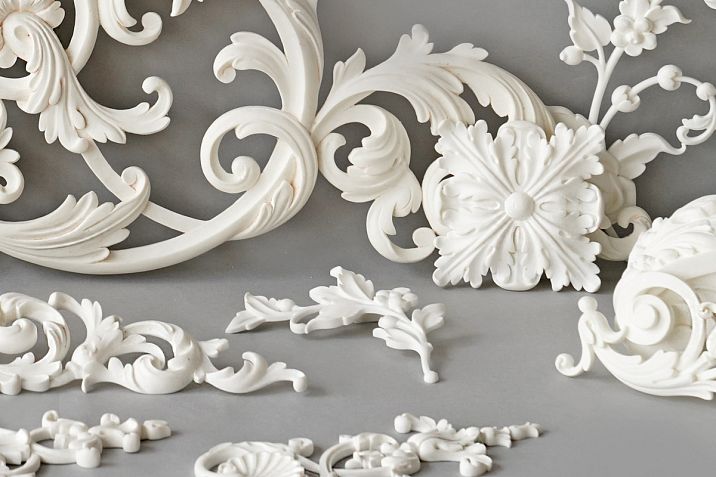
Furniture is not just functional interior items, but a true canvas for creativity, where every detail plays a decisive role. From elegant carved inserts to modern decorative overlays –plastic decorative furniture elements can transform even the most ordinary furniture, giving it uniqueness and individual style. In this article, we will examine the history, classification, modern trends, and manufacturing technologies of decorative elements, as well as provide practical recommendations for their selection and application.


Introduction: The Significance of Decorative Elements in Interior Design
Today's interior design world demands a harmonious blend of functionality and aesthetics. It is precisely decorative elements that help create an atmosphere of comfort, add elegance, and highlight the uniqueness of the space.plastic decorative furniture elements – these are the small details that make furniture an indispensable part of a designer’s concept. They can serve purely decorative purposes, or they can conceal joints, improve the appearance, and sometimes even enhance the functionality of the item.
Modern consumers increasingly seek individuality in interior design, and that is why choosing decorative elements becomes so important. Thanks to a wide variety and the possibility of ordering according to individual specifications, everyone can select exactly the details that highlight their taste and style.




History of Decorative Elements in Furniture Art
Our factory also produces:


The history of furniture decoration begins with ancient civilizations, where furniture was used not only for utilitarian purposes but also as a symbol of status. In ancient Egypt and Greece, furniture was adorned with carving, inlays, and gilding, giving the pieces a majestic and solemn appearance. These first decorative elements were intended to highlight the owner's wealth and social standing.
With the arrival of the Middle Ages and the subsequent Renaissance, the art of decorating furniture reached new heights. Masters used hand-carving, molding, and inlay to create refined shapes and patterns. Each piece became the result of meticulous labor, where every detail held significance.
With the arrival of the Middle Ages and the subsequent Renaissance, the art of decorating furniture reached new heights. Masters used hand-carving, molding, and inlay to create refined shapes and patterns. Each piece became the result of meticulous labor, where every detail held significance.
Get Consultation
Classicism and Modernism
In the era of classicism, furniture embodied ideals of symmetry and harmony. Decorative elements acquired refined forms: delicate moldings, carved inserts, and elegant handles. These solutions remain a style benchmark and continue to influence modern design.
Classification of Furniture Decorative Elements
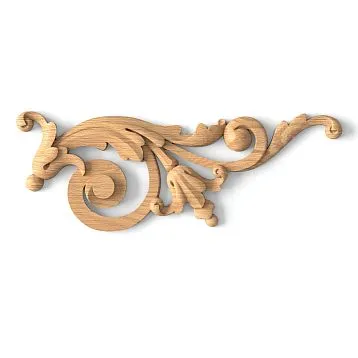
Decorative Appliqués and Moldings
Decorative Appliqués and Moldings
One of the most popular categories is decorative appliqués and moldings. They are used for:
● Hiding joints. Appliqués can conceal seams between furniture parts, making the piece appear unified and complete.
● Creating accents. Moldings with refined patterns can become a central design element, giving furniture a distinctive character.
● Improving appearance. Decorative appliqués allow easily refreshing the look of old furniture, giving it a modern style.
To see examples of such items, you canvisit the website.
Decorative Hardware
Hardware is an indispensable part of furniture, serving not only a practical function but also becoming an important decorative element. This includes:
● Handles and locks. They can be made from various materials: metal, wood, plastic. Properly chosen handles can transform the facade of furniture, adding individuality.
● Hinges and closers. Although their main function is to ensure smooth opening and closing, modern models also feature stylish appearances.
● Decorative appliqués and inserts. They can be used to create additional accents on doors, drawers, and other furniture elements.
Carving and Inlay
Traditional decorative methods such as wood carving and inlay remain popular. These techniques require high skill and allow creating unique patterns that become true works of art. Decorative elements made using these methods give furniture an unmistakable charm and historical value.
Modern Decorative Inserts
With the emergence of new materials and technologies, new opportunities for decorating furniture have appeared. Composite materials, high-quality plastics, and innovative coatings allow creating decorative inserts that mimic natural textures, add vibrant accents, and enable the realization of the boldest design ideas.
Technologies for Manufacturing Decorative Elements
Traditional Crafts
Handcrafting has always held special significance in the world of furniture decoration. Carving, inlay, and molding — these techniques are passed down from generation to generation and allow creating items imbued with a unique soul. Masters using traditional methods pay attention to every detail, making each piece unique.
Modern digital technologies
With the development of digital technologies, furniture decoration has undergone significant changes. Modern methods include:
● 3D modeling. Programs for creating three-dimensional models allow designers to experiment with shapes and patterns before production begins.
● Laser cutting. This technology ensures the highest precision in material processing, enabling the creation of complex decorative patterns.
● CNC machines. Automated machines allow achieving perfect symmetry and uniformity in products, which is especially important for mass production.
Innovative materials
Modern manufacturers actively introduce new materials that expand design possibilities. High-quality composites, plastics, and eco-friendly coatings allow creating decorative elements that are not only beautiful but also durable. Natural wood and MDF remain favorite materials due to their warmth and natural beauty, but new materials open additional opportunities for experimenting with shape and color.
Role of decorative elements in interior design
Creating Accents and Focal Points
Decorative elements often become the central accent in interior design. They attract attention, set the tone for the entire space, and help create a sense of completeness. Usingfurniture decorative elements Allows highlighting individual furniture parts, making them visually interesting and emphasizing the uniqueness of the interior.
Harmony and Unity of Space
Properly chosen decorative elements create visual harmony. They help unite various interior items into a cohesive whole, making the space more balanced and pleasant to perceive. Each element, whether an elegant overlay or a refined handle, contributes to an overall composition free of unnecessary details.
Functional transformation of furniture
decorative elements can not only adorn furniture but also perform practical functions. For example, decorative overlays can conceal panel joints, while decorative hardware can improve ergonomics and usability. Thus,plastic decorative furniture elements they combine aesthetics and functionality, turning ordinary interior items into works of art.
Practical tips for choosing decorative elements
1. Define the interior concept
Before choosing decorative elements, it is important to clearly define the overall interior concept. Consider which style suits you best: classic, modernist, minimalism, or eclecticism. This determines the selection of shape, color, and material of decorative elements. If you wantbuying furniture decorative elementsfirst, determine the overall style of your space.
2. Study the assortment
The modern market offers a vast selection of decorative elements — from classic overlays to innovative composite inserts. Pay attention to technical specifications, materials used, and finishing methods. This will help you choose items that not only meet your aesthetic requirements but also possess high durability and longevity.
3. Compare offers from different suppliers
Do not settle for just one option. Compare assortments, prices, and delivery terms across various stores. Reliable suppliers always provide detailed product descriptions, quality certificates, and warranties. This will help you make an informed choice andbuying furniture decorative elementswhich will serve you for many years.
4. Consult with experts
If you have questions or doubts, do not hesitate to seek professional advice. Designers and furniture specialists will help you select optimal solutions, suggest decoration ideas, and provide recommendations for installing decorative elements. A professional approach helps avoid mistakes and achieve maximum effect from the chosen items.
5. Consider budget and quality
When choosing decorative elements, it is important to find a balance between price and quality. Investing in quality items pays off through longevity and aesthetic value, so do not cut corners on materials and finishes. Evaluate offers, compare costs, and ensure that selected items meet your requirements for functionality and style.
Where to buy furniture decorative elements
Traditional Stores and Specialized Centers
Many designers and furniture makers prefer to turn to specialized centers, where a wide range of decorative elements is assembled. Such stores allow you to see products in person, assess the quality of finishes, and receive consultations from experts. This is an excellent option for those who want to ensure the reliability and longevity of the items.
Online stores and online platforms
Modern technologies allowbuying furniture decorative elements online. Online stores provide detailed descriptions, photos, customer reviews, and technical specifications of items, making the selection process convenient and fast. You can compare different models, take advantage of promotions and discounts, and order custom solutions delivered directly to your doorstep.
Recommendations for choosing a reliable supplier
When choosing a supplier, pay attention to:
● Reputation and experience. Reliable companies with a long history of operation and positive reviews guarantee high product quality.
● Assortment and customization options. A good supplier offers a wide range of standard and custom solutions, allowing you to select optimal items for your interior.
● Warranty obligations and service. The presence of a warranty, prompt delivery, and professional support are important factors that will help you make the right choice.
If you wantbuying furniture decorative elementsAlso, pay attention to reputable online stores that offer a wide range of products and guarantee high product quality.
Modern trends in furniture decorative elements
Minimalism and Clean Lines
Modern interiors often strive for simplicity, minimalism, and functionality. Minimalist decorative elements in neutral tones create a sense of space and lightness. Such solutions are especially popular in high-tech and Scandinavian design styles, where every detail plays its role without overloading the overall look.
Ecological materials and natural finishes
With growing attention to ecological issues, more consumers prefer natural materials. Wood, MDF, natural fabrics, and eco-friendly paints have become the basis for creatingfurniture decorative elementsthat not only look beautiful but are also safe for health. Natural textures and warm tones contribute to creating a cozy and harmonious atmosphere.
Innovative Technologies and Digital Design
Modern digital technologies allow creating unique decorative patterns and complex geometric shapes that were previously impossible to realize. Laser cutting, 3D modeling, and CNC machines open new creative possibilities, enabling the realization of the most daring design ideas.plastic decorative furniture elements Such innovative creations become true works of art capable of transforming any interior.
Customization and personalization
Individual approach is becoming increasingly in demand. The ability toorder decorative furniture elements to order according to individual parameters allows creating unique solutions that reflect the owner's personal style. Customization includes selecting sizes, shapes, finishes, and even unique patterns, making each item exclusive.
Practical tips for choosing decorative furniture elements
1. Define the overall interior style
Before choosing decorative elements, it is important to understand what style dominates your interior. If you aim for a classic look, prefer items with traditional carving, elegant inlays, and natural materials. For a modern interior, minimalist and sleek solutions with clean lines and neutral colors will be suitable.
2. Study the assortment
Conduct market research and study available options. Pay attention to the materials used, processing technologies, and decorative features of the items. Modernplastic decorative furniture elements can vary significantly in style and quality, so it is important to compare several offers.
3. Compare prices and purchase conditions
Price is an important factor when choosing decorative elements. Compare offers from different suppliers, considering not only cost but also quality, warranty obligations, delivery terms, and the possibility of customization. Find the optimal price-to-quality ratio so thatbuying furniture decorative elementswill delight you for many years.
4. Consult with experts
If you have questions or doubts, do not hesitate to consult professionals. Designers, furniture makers, and repair specialists will help you choose optimal solutions, taking into account the specifics of your interior and preferences. Professional advice will help you avoid mistakes and make the right choice.
5. Follow modern trends
The world of interior design is constantly changing, and new trends may open up unexpected opportunities for you. Stay up to date with novelties, visit exhibitions, study the works of renowned designers. This will help you stay current with modern trends and chooseplastic decorative furniture elementsthat will remain relevant and stylish.
Where to buy furniture decorative elements
Traditional Stores and Specialized Centers
Many professionals prefer to purchase decorative elements from specialized stores and centers, where a wide range of products is available. Such places allow you to see the products in person, assess the quality of finishes, and receive consultation from experts. If it is important for you to personally familiarize yourself with the product before purchasing, traditional stores may be an excellent choice.
Online stores and online platforms
Modern technologies allowbuying furniture decorative elements online. Online stores offer a convenient interface, detailed descriptions, photos, customer reviews, and the ability to compare different options. This saves time and allows you to make a choice without leaving home. You can use filters by price, material, and style, which will help you quickly find the ideal solution.
Supplier Selection Recommendations
When choosing a supplier, pay attention to the following aspects:
● Reputation and experience. Reliable companies with a long history and positive reviews guarantee high product quality.
● Product range and customization options. A good supplier offers a wide selection of standard items, as well as the ability to order items according to individual specifications.
● Warranty obligations and service. The presence of a warranty and prompt after-sales service are important indicators of reliability.
● Delivery conditions. Fast and convenient delivery will help you start updating your interior more quickly.
If you wantbuying furniture decorative elementsVisit verified online stores and specialized centers, where a wide range of products is available and all necessary conditions for a successful purchase are provided.
Conclusion: Art in Every Detail
plastic decorative furniture elements – this is more than just furniture accessories. These are small but significant details that can transform your interior, giving it uniqueness, style, and elegance. Properly selected decorative elements create a harmonious space, where every detail contributes to forming a unified, inspiring image.
Using modern technologies, high-quality materials, and an individual approach, you can create an interior that will delight the eye and serve as a source of inspiration for many years. Whether you are updating old furniture or creating a completely new design,plastic decorative furniture elements will help bring your boldest ideas to life.
If you want to learn more about modern trends, get professional advice andbuying furniture decorative elementsvisit the sitestavros.ru. Here you will find a wide range of products, detailed descriptions, and the opportunity to order components that will become the key to creating the perfect interior.
Remember: true art lies in the details. Every small element, whether an elegant applique, decorative handle, or unique pattern, can transform your space and make it truly unique. Invest in quality, experiment with ideas, and create an interior that reflects your taste, style, and pursuit of perfection.
Thus, decorative furniture elements are an indispensable part of modern design, combining aesthetic expressiveness and practicality. From traditional craftsmanship to modern digital technologies, from classic to minimalism – every detail plays an important role in creating a harmonious interior. Visitstavros.ru today and discover the world of refined solutions that will help you turn your dream of a beautiful and cozy home into reality.