












































































Article Contents:
- Trim: The Language of Architectural Elegance
- Definition and Essence of Trim
- Historical Tradition and Modernity
- Classification of Oak Trim: Variety of Forms and Functions
- Baseboards: Foundation of Stylistic Integrity
- Moldings: Artistry of Wall Decoration
- Crown mouldings: the crown of architectural composition
- Door Frames: Framing Openings
- Technological Features of Oak Trim Production
- Raw Material Preparation: From Rough Cut to Semi-Finished Product
- Profile Milling: Precision and Quality
- Final Processing: From Sanding to Finishing
- Design Possibilities of Oak Trim
- Stylistic versatility
- Color Solutions and Textures
- Combining with other materials
- Installation and Mounting: Professional Secrets
- Preparatory work
- Fastening technology
- Joints and Connections
- Operation and Maintenance: Preserving Beauty for Decades
- Daily Care
- Preventive maintenance
- Economic aspects: investment in quality
- Pricing factors
- Long-Term Economic Efficiency
- Impact on property value
- Trends and innovations
- Technological Innovations
- Ecological innovations
- Design trends
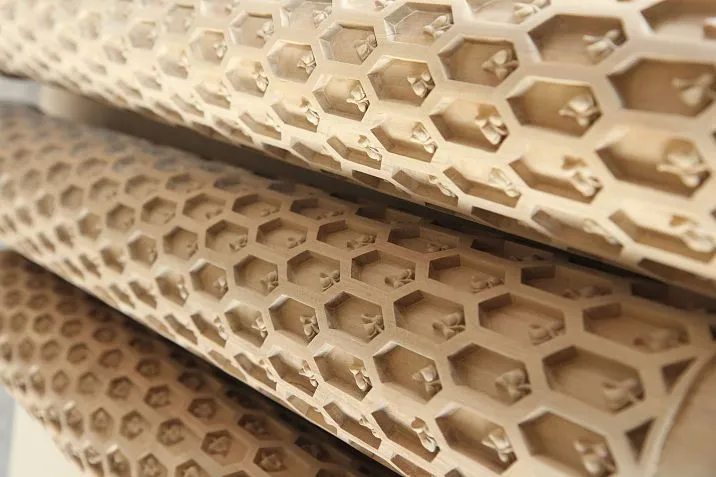
Architectural beauty is composed of many details, among which special place is occupied by joinery products from oak – those very elements that transform an ordinary room into a work of art. These refined interior details not only complete the designer’s composition but also create a unique atmosphere of nobility and sophistication, which characterizes truly high-quality interiors.


Trim: The Language of Architectural Elegance
In the world of modern design, where every detail matters, trim items play the role of the artist’s finest brushstrokes, creating a finished image. But what exactly lies behind this professional term, and why is oak wood considered the ideal material for their production?




Definition and Essence of Trim
Trim refers to architectural-decorative elements manufactured and sold by the linear meter. These are moldings, baseboards, cornices, window casings, and picture frames – all those details that create the architectural logic of space and give it a finished look. Oak trim represents the pinnacle of this art due to the unique properties of the material.
Oak wood possesses ideal characteristics for creating decorative elements. Its density of 750–950 kg/m³ allows for the creation of the thinnest details without the risk of cracking or deformation. Its hardness on the Brinell scale of 3.8–4.2 units enables the execution of the most intricate carving while preserving the clarity of contours for decades.
The structural feature of oak wood – the presence of medullary rays – creates a unique play of light on the surface of finished products. These natural reflectors impart oak trim with a special depth and expressiveness unattainable with other materials.
Our factory also produces:


Historical Tradition and Modernity
The tradition of using oak trim elements dates back thousands of years. Ancient temples were adorned with oak cornices and capitals, medieval castles amazed with carved moldings, and Baroque palaces demonstrated the pinnacle of craftsmanship in creating complex decorative compositions.
Modern technologies have not abolished traditions but have expanded the possibilities for craftsmen. High-precision milling machines allow reproducing historical profiles with mathematical accuracy, as well as creating new forms inaccessible to hand tools. Laser engraving opens up boundless opportunities for applying ornaments of any complexity.
Computer modeling allows to visualize in advance how they will look like joinery products from oak in a specific interior. This eliminates errors in profile and size selection, guaranteeing perfect harmony of all elements.
Get Consultation
Classification of Oak Trim: Variety of Forms and Functions
The world of oak molding products is astonishing in its variety of shapes, sizes, and purposes. Each element fulfills its own unique role in creating an architectural composition, and understanding these roles is critically important for creating a harmonious interior.
Baseboards: the foundation of stylistic integrity
A baseboard is not merely a decorative element covering the junction between wall and floor. It is the foundation upon which the entire stylistic concept of the interior is built. Oak molding products in the baseboard category offer an extensive range of profiles and sizes.
The height of oak baseboards varies from classic 80 millimeters to impressive 200 millimeters. The choice of height depends not only on aesthetic preferences but also on the proportions of the room. Tall baseboards visually increase ceiling height and create a sense of monumentality.
The profile of a baseboard can range from a simple rectangular shape to complex multi-level profiles with grooves, moldings, and rounded elements. A classic European profile includes a base, torus, and cornice, creating a play of light and shadow. Modern minimalist profiles are characterized by their simplicity while preserving the nobility of the material.
Functional features of oak baseboards include the ability to accommodate cable channels for concealed wiring. A removable front panel allows easy maintenance of utilities without compromising the interior's aesthetics.
Moldings: the art of wall decoration
Moldings represent the most diverse and creatively rich category of molding products. These elements can radically transform the perception of space, create an illusion of greater height, divide walls into zones, and emphasize architectural features.
Simple rectangular or semi-circular moldings are used to create strict geometric compositions in modern interiors. Their simplicity highlights the beauty of natural oak texture without distracting decorative elements.
Complex profiled moldings include numerous elements: grooves, ovals, beads, and pearls. Each element creates its own play of light and shadow, and their combination forms a rich textured surface. Such moldings are ideally suited for classical interiors.
Carved moldings represent the pinnacle of craftsmanship. Vegetal ornaments, geometric patterns, and stylized motifs are executed by hand or with high-precision equipment. Each meter of such molding is a work of art.
Crown Molding: The Finishing Touch of Architectural Composition
A cornice completes the wall and creates a transition to the ceiling. It is one of the most prominent elements of the interior, largely defining its stylistic character and emotional impact. Oak molding products in the cornice category are astonishing in their variety and refinement.
Ceiling cornices create a smooth transition from the vertical plane of the wall to the horizontal plane of the ceiling. Their profile can vary from a simple quarter-circle to complex multi-tiered compositions with numerous decorative elements.
Crowning cornices are located at the top of the wall and serve as a base for decorative friezes or panels. Their purpose is to complete the wall composition and prepare perception for the transition to the ceiling.
Window cornices, although less common in modern architecture, play an important role in classical interiors. They emphasize window openings and create a horizontal line that unifies the interior.
Casing: framing openings
Casings frame door and window openings, creating an architectural frame for these important interior elements. Well-executed joinery products from oak as casings can transform an ordinary opening into an architectural accent.
Simple rectangular casings are suitable for minimalist interiors. Their purpose is to clearly define the opening boundaries without drawing excessive attention to decorative elements.
Profiled casings include various decorative elements: bevels, grooves, and moldings. Such casings create a play of light and shadow, emphasizing the importance of the framed opening within the overall interior composition.
Carved casings represent the highest level of decorative quality. Vegetal motifs, geometric ornaments, and stylized compositions transform ordinary framing into applied art.
Technological features of oak molding production
Creating high-quality oak molding products requires not only a deep understanding of material properties but also mastery of specific technologies that account for the characteristics of processing hardwoods.
Raw material preparation: from log to semi-finished product
The production of oak molding begins with careful selection of raw material. The wood must be harvested from trees at least 80-100 years old, when density and hardness reach optimal values. The diameter of the trunk at the base must exceed 60 centimeters to obtain boards of sufficient width.
Drying oak molding blanks requires special attention to the uniformity of the process. The final moisture content should be 8-10 percent with a deviation of no more than 1 percent throughout the entire volume of the blank. Uneven moisture leads to warping of finished products and distortion of the profile geometry.
Wood stabilization includes storing dried blanks in climate-controlled chambers with controlled temperature and humidity parameters. This process may last several weeks and ensures complete removal of internal stresses.
Sorting blanks by wood quality allows directing the best material to the production of visible surfaces, while lower-quality material is used for concealed structural parts. Special attention is paid to the absence of knots, cracks, sap stains, and other defects.
Profile milling: precision and quality
Creating profiles of oak molding products is performed on specialized four-sided milling machines, allowing processing of all surfaces of the blank in a single pass. This ensures ideal geometry and eliminates deviations inevitable with multi-pass processing.
Cutting heads are made from high-quality steel and sharpened to an accuracy of hundredths of a millimeter. The profile of the cutter must precisely match the required shape of the product, taking into account the allowance for final processing.
The feed rate is adjusted depending on the hardness of the wood and the complexity of the profile. For oak, the optimal speed is 8-12 meters per minute at spindle speeds of 6000-9000 rpm.
The chip removal system must ensure complete cleaning of the working area. Residual chips may cause scratches and unevenness on the finished surface, which is unacceptable for the visible surfaces of trim items.
Final finishing: from sanding to coating
Sanding of oak trim items is performed on specialized equipment that allows processing complex profiles without altering their geometry. Flexible abrasive materials, conforming to the shape of the surface being processed, are used.
The sanding sequence includes rough sanding with grit 120-150 to remove milling marks, intermediate sanding with grit 180-220, and final sanding with grit 280-320.
Dust removal prior to coating is critically important for the quality of the finished product. Special high-efficiency filtration vacuum cleaners and anti-static cloths are used.
Application of protective-decorative coatings is performed under controlled conditions with maintenance of optimal temperature and humidity. For oak trim products both transparent varnishes, which highlight the natural beauty of the wood, and tinting compounds, which create specific color effects.
Design possibilities of oak trim
Using oak trim items opens up boundless possibilities for designers to create unique interior solutions. The richness of profiles, finishing options, and installation methods allows for the realization of any creative concept.
Stylistic Universality
Oak trim items possess an amazing ability to seamlessly integrate into interiors of various stylistic directions. From strict classicism to modern minimalism — oak trim finds application everywhere.
Classic interiors utilize the full decorative potential of oak trim. Complex multi-profile cornices, carved moldings, high baseboards with rich ornamentation create an atmosphere of grandeur and elegance. Gilding, patination, and artificial aging add historical character to the items.
Modern interiors prefer minimalist forms and natural textures. Simple linear profiles, matte finishes, and preservation of the natural wood color emphasize connection with nature and create a sense of calm.
Eclectic interiors boldly combine elements from different eras and styles. Oak trim serves as a unifying element, creating stylistic coherence amid apparent chaos.
Color solutions and textures
The natural color of oak wood varies widely, from light yellow to dark brown. However, modern technologies allow significantly expanding the color palette without compromising the material's natural beauty.
Tinting with water-based and spirit-based stains allows changing the wood's color while preserving its texture. Light tones create a sense of lightness and airiness, while dark tones add solidity and sophistication.
Whitening oak with special compounds allows achieving nearly white color while preserving the characteristic structure. Such items are ideal for Scandinavian and Provençal interiors.
Brushing highlights the natural texture of oak, removing soft fibers and revealing the grain of annual rings. The surface treated in this way acquires special expressiveness and tactile appeal.
Combining with other materials
Oak trim items combine beautifully with various materials, creating interesting visual and tactile contrasts.
Combining with metal creates a modern effect while preserving natural warmth. Brass or bronze inserts in oak cornices, steel elements in moldings add elegance and emphasize the interior's status.
Combining with stone emphasizes connection with nature and creates a sense of fundamentality. Oak baseboards combined with stone floors, moldings against marble walls create luxurious compositions.
Inlaying with glass or ceramic transforms ordinary trim items into works of decorative-applied art. Stained glass inserts in cornices, ceramic medallions in moldings create unique accents.
Installation and mounting: professional secrets
The quality of installation of oak trim items largely determines the final result. Even the most exquisite items may lose their appeal due to improper installation.
Preparation Work
Surface preparation for installing oak trim items requires special attention to flatness and cleanliness. Walls must be leveled and plastered with deviation no more than 2 millimeters per linear meter.
Marking installation locations is performed using a laser level to ensure perfect horizontal or vertical alignment of lines. Even minor deviations will be noticeable on the finished item and spoil the overall appearance.
Acclimatization of items in the installation room must continue for at least 48 hours. During this time, the wood adapts to the room's humidity and temperature, preventing deformation after installation.
Tool preparation includes checking the sharpness of saws, accuracy of measuring instruments, and functionality of fastening equipment. Dull tools may damage expensive items or reduce the quality of connections.
Fastening Technology
Methods of attaching oak trim items depend on their size, weight, and purpose. Lightweight moldings can be attached with adhesive, while heavy cornices require mechanical fastening.
Adhesive attachment is used for small decorative elements. Special wood adhesives are used, ensuring strong and durable connections. The setting time must be sufficient for adjusting the item's position.
Mechanical fastening with screws or nails is used for large items. The fasteners must be long enough for secure fixation but should not protrude from the surface. Fastener heads are countersunk and covered with wood-colored putty.
Combined fastening combines adhesive and mechanical connections, ensuring maximum reliability. This method is used for critical structures where element displacement is unacceptable.
Joints and connections
The quality of joints largely determines the appearance of the finished structure. Properly executed joints are almost invisible, whereas joint defects are immediately noticeable.
Joints at corners are mitered at a 45-degree angle. Cutting should be done with a sharp saw with fine teeth to achieve a clean cut. Using a miter gauge or a circular saw ensures angular accuracy.
Straight joints along the length are made with a slight interference fit to prevent gaps from forming as the wood dries. Joint locations should be placed in the least visible areas.
Joint gaps are filled with special putties matched to the wood color. After drying, the putty is sanded to a smooth surface and stained to match the item’s tone.
Operation and maintenance: preserving beauty for decades
Proper care of oak trim items ensures preservation of their original beauty and functionality for many years. Oak wood, despite its strength, requires certain attention and careful handling.
Daily care
Regular cleaning of oak trim items should be done using soft materials incapable of scratching delicate surfaces. Microfiber cloths are ideal for dust removal without risking damage to the finish.
Wet cleaning is permitted only with special care products for natural wood. Ordinary cleaning agents may damage the protective coating or alter the wood’s color. Excess moisture must be immediately removed to prevent wood swelling.
Control of the indoor microclimate is critically important for preserving oak items. The optimal relative humidity is 45-55 percent at a temperature of 18-24 degrees Celsius. Sudden fluctuations in these parameters may lead to cracking or deformation.
Protection against mechanical damage includes preventing impacts, scratches, and chips. Particularly vulnerable are protruding profile edges and joint corners. Furniture and other items should be placed at a sufficient distance from decorative elements.
Preventive Maintenance
Periodic inspection of the condition of oak trim items allows timely detection of initial damage and taking measures to eliminate it. Special attention should be paid to joints, where the first signs of problems often appear.
Checking fastening includes verifying the reliability of element fixation to the base. Loosening of fasteners may cause displacement of items and disruption of the entire composition’s geometry. Upon detecting loosening, fasteners should be tightened or replaced.
Renewal of protective coating may be required after 5-10 years of use, depending on the intensity of room usage. Signs of coating wear include loss of gloss, appearance of matte spots, and color change.
Professional restoration may be required for severe damage or to change the appearance of items. Qualified restorers can restore the original appearance even of severely damaged elements.
Economic Aspects: Investment in Quality
Purchasing oak trim items represents a significant investment that pays off through longevity, functionality, and aesthetic value. Understanding economic aspects helps make a reasoned purchase decision.
Pricing Factors
The cost of oak trim items is determined by multiple factors, each influencing the final product price.
The quality of the raw material significantly affects the cost. First-grade wood without defects, with attractive grain and uniform color, costs considerably more than lower-grade wood. The origin of the material is also important — oak from old-growth forests is valued higher.
Profile complexity directly correlates with manufacturing cost. Simple rectangular profiles are cheaper than complex multi-element compositions. Hand-carved elements cost several times more than milled ones.
The type of finish affects the final cost. A simple lacquer finish is inexpensive, while multi-layer finishes with patina, gilding, or inlay require significant expenses.
Order volume affects unit cost. Large orders allow optimizing the production process and reducing per-unit cost. Small orders require individualized approaches and cost more.
Long-term economic efficiency
High initial cost oak trim products compensated by their exceptional longevity and minimal maintenance costs.
The service life of quality oak items is measured in decades. With proper care, they can retain their original appearance for 50-100 years, which is unattainable for items made from other materials.
Minimal maintenance costs are associated with oak wood’s high resistance to various influences. Regular cleaning and periodic coating renewal are the only necessary measures.
Restorability allows extending the service life of items practically indefinitely. Even severely damaged elements can be restored by professional restorers.
Price increase over time is characteristic of quality items made from natural materials. Oak trim elements do not lose value and often become more expensive, especially antique samples.
Impact on property value
Quality oak trim enhances property value and market appeal.
Property classification increases due to use of premium finishing materials. An apartment or house with oak finish automatically moves into a higher price category.
Appeal to buyers is linked to the prestige of natural materials and their durability. Buyers are willing to pay extra for quality finishes, understanding their value.
The uniqueness of the interior created using oak trim pieces distinguishes the object from competitors and can become a decisive factor in selection.
Trends in development and innovation
The industry producing oak trim pieces is constantly evolving, adopting new technologies and following modern design trends.
Technological Innovations
Digital technologies are revolutionizing the design and production process of oak trim pieces.
3D modeling allows creating accurate virtual models of items before production begins. Clients can see how elements will look in their interiors and make necessary adjustments.
CNC equipment ensures the highest precision in manufacturing while preserving the individuality of each item. Complex profiles are reproduced with mathematical accuracy.
Laser technologies open new possibilities for decoration. Engraving, perforation, and creating complex ornaments—all become accessible with laser equipment.
Automation of production improves quality and reduces product cost. Robotic lines ensure consistent quality while increasing productivity.
Ecological Innovations
Rising consumer environmental awareness stimulates the development of more eco-friendly production technologies.
Forest management certification guarantees that the wood originates from responsibly managed forests. Buyers increasingly demand proof of product eco-friendliness.
Zero-waste technologies allow using all production waste. Sawdust and shavings are used to produce fuel briquettes, and offcuts are used to make small items.
Water-based eco-friendly coatings replace traditional high-solvent varnishes. This reduces environmental impact and improves working conditions.
Design Trends
Modern design trends influence the shape and finish of oak trim pieces.
Minimalism requires simplification of forms and rejection of excessive decoration. Modern oak trim pieces become more restrained while preserving material quality.
Naturalness implies preserving the natural beauty of oak wood. Transparent finishes that highlight texture are becoming more popular than tinted coatings.
Individuality is achieved through creating unique profiles and non-standard solutions. Clients increasingly demand exclusivity, stimulating the development of custom production.
Oak trim pieces represent the pinnacle of decorative-applied art, where the natural beauty of the material combines with human craftsmanship. These items can transform any interior, giving it nobility, elegance, and unique individuality.
Choosing oak trim means investing not only in the beauty of your home, but also in its longevity, eco-friendliness, and status. Quality items will serve for decades, retaining their original appeal and even improving with age, acquiring a noble patina of time.
Modern production technologies allow creating items of any complexity, bringing the most daring design concepts to life. At the same time, traditional woodworking methods are not forgotten, but carefully preserved and passed on to new generations of craftsmen.
In a world of mass production and artificial materials, oak trim pieces remain an island of authenticity, quality, and beauty. They create a special atmosphere in the home, where every detail speaks of the owner’s taste and wealth.
Company STAVROS understands the special role played by joinery products from oak in creating the ideal interior. Combining decades of experience working with natural wood and modern production technologies, STAVROS creates items that become an integral part of a space’s architectural appearance. Every STAVROS item is a harmony of oak’s natural beauty and the perfection of human craftsmanship, embodied in forms that delight the eye and serve for generations.


