Article Contents:
- Anatomy of perfection: what makes a wooden kitchen special
- Living breath of natural material
- Uniqueness of each piece
- Wood species: choosing the ideal companion for the kitchen
- Oak — aristocrat among trees
- Ash — harmony of strength and elegance
- Beech — European classic of reliability
- Spruce — accessible beauty of coniferous forests
- Technological solutions: from concept to implementation
- Modern Wood Processing Methods
- Joinery connections: art of reliability
- Finish coatings: protection and beauty
- Design solutions: styles and directions
- Classic approach: eternal elegance
- Scandinavian minimalism: purity of form
- Modern style: Innovations in traditions
- Functional aspects: ergonomics and convenience
- Layout solutions
- Storage and organization systems
- Appliance integration
- Ecological aspects: responsible choice
- Sustainable forestry
- Durability as an ecological value
- Care and maintenance: preserving beauty for years
- Daily care for wooden surfaces
- Protection against damage
- Restoration and renewal
- Economic considerations: investment in the future
- Ownership cost
- Pricing factors
- Psychology of space: how wood affects mood
- Color therapy of natural tones
- Tactile comfort
- Trends and innovations in wooden furniture design
- Modern Processing Technologies
- Ecological innovations
- Digital solutions
- Choosing a manufacturer: what to pay attention to
- Reputation and Experience
- Warranty Obligations
- Conclusion: investment in quality of life
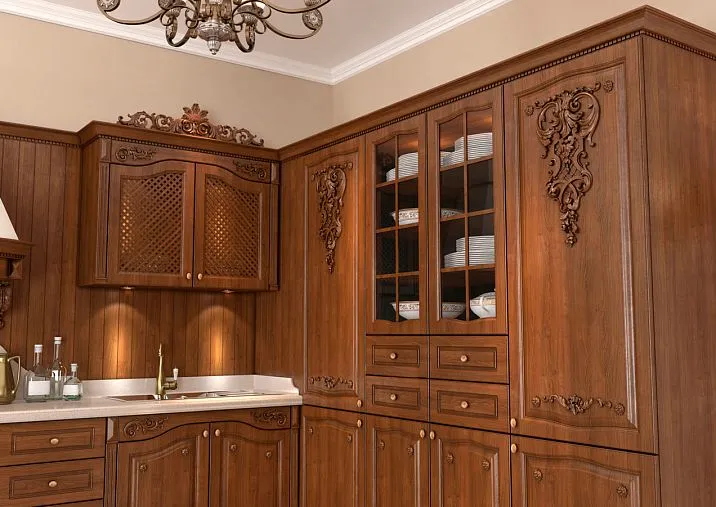
Imagine morning, when the first rays of sunlight penetrate your kitchen, touching the warm surface of wooden facades. Every grain of wood tells the story of decades of growth, creating an irreplaceable atmosphere of coziness and harmony. It is precisely these sensations that a properly chosen kitchen made of solid natural wood offers — a space where culinary masterpieces are born and the whole family gathers.
Solution buy a kitchen made of natural wood goes far beyond simple interior renewal. It is a philosophical choice of a person who values authenticity, durability, and connection with nature. In an era of synthetic materials and fleeting trends, a wooden kitchen becomes an oasis of stability and timeless values.


Anatomy of perfection: what makes a wooden kitchen special




Living breath of natural material
The microclimate created by wooden surfaces positively affects the health and well-being of household members. Wood naturally regulates air humidity, absorbing excess moisture during periods of high humidity and releasing it when necessary.
The microclimate created by wooden surfaces positively affects the health and well-being of household members. Wood naturally regulates air humidity, absorbing excess moisture during high humidity periods and releasing it when necessary.
Our factory also produces:


Uniqueness of each piece
Unlike mass-produced furniture made of artificial materials, each solid wood kitchen has unique characteristics. The pattern of growth rings, wood tones, surface texture — all of this creates an irreplaceable character of the item.
Natural features of wood transform the kitchen set into a work of art. Knots, fiber interweavings, color transitions — each detail tells its own story and adds character to the interior.
Get Consultation
Wood species: choosing the ideal companion for the kitchen
Oak — the aristocrat among trees
Oak kitchens embody concepts of luxury and durability. The density of oak wood reaches 700 kg/m³, ensuring exceptional strength and structural stability. High tannin content provides natural protection against moisture, fungi, and insects.
The color palette of oak ranges from light golden to deep brown tones. Staining and toning allow achieving almost any desired color while preserving the characteristic texture of noble wood.
Oak facades harmonize beautifully with classic interiors, creating an atmosphere of solidity and respectability. Over time, oak develops a noble patina, becoming even more beautiful.
Ash — harmony of strength and elegance
Ash wood combines high strength with an attractive appearance. Light tones with a distinct contrasting pattern of growth rings create a dynamic visual texture, ideally suited for modern interiors.
The distinctive feature of ash is exceptional impact resistance and flexibility. These qualities make it an ideal material for manufacturing kitchen facades with complex geometric shapes. Ash accepts various finishes well — from natural wax to colored stains.
Beech — European classic of reliability
Beech wood features a uniform structure and a beautiful pinkish hue. Beech density (650-680 kg/m³) ensures excellent strength at a more democratic price compared to oak.
Beech readily accepts thermal treatment, which changes its color to a rich red-brown. Such wood is called 'red beech' and is especially prized in the production of luxury furniture.
Spruce — accessible beauty of coniferous forests
Spruce kitchens are an excellent choice for those who dream of wooden furniture but are budget-constrained. Soft spruce wood is easy to work with, allowing the creation of items with delicate carving and decorative elements.
High resin content gives spruce natural antiseptic properties and creates a characteristic pine aroma. Light spruce tones visually expand space and fill the kitchen with a sense of freshness.
Technological solutions: from concept to implementation
Modern wood processing methods
The quality of wooden kitchen is established during the raw material preparation stage. Kiln drying under controlled temperature and humidity parameters reduces wood moisture to optimal 8-10%. This prevents cracking, warping, and other deformations of the finished product.
Wood stabilization includes removing internal stresses in the material using special technological regimes. Modern methods allow preserving all valuable properties of natural wood while simultaneously enhancing its operational characteristics.
Joinery connections: art of reliability
The strength and durability of wooden kitchen largely depend on the quality of joinery connections. Traditional methods — mortise and tenon, dovetail, and peg joints — provide maximum reliability without using metal fasteners.
Modern production uses high-precision equipment to create perfectly fitted joints. CNC routers ensure processing accuracy down to tenths of a millimeter, guaranteeing tight fitting of parts without gaps.
Finish coatings: protection and beauty
Choosing a finish coating is critically important for the longevity and appearance of wooden kitchen. Natural oils and waxes highlight the natural beauty of wood, preserving its ability to 'breathe' and regulate humidity.
Modern polyurethane varnishes create a durable protective film resistant to moisture, stains, and mechanical damage. Matte finishes conceal minor scratches and fingerprints, maintaining an attractive appearance for longer.
Design solutions: styles and directions
Classic approach: eternal elegance
Classic wooden kitchens are characterized by strict proportions, symmetrical compositions, and traditional decorative elements. Carved facades with raised panels, ornate moldings, and patinated surfaces create an atmosphere of aristocratic luxury.
For classic interiors, dark noble woods — oak, walnut, mahogany — are preferred. A golden or silver patina highlights the relief of carving and adds status to the piece.
Scandinavian minimalism: purity of form
Scandinavian style in wooden kitchens implies minimalist forms, light wood tones, and functionality of each element. Simple geometric lines, absence of excessive decoration, and emphasis on material quality — these are the main principles of the direction.
For Scandinavian kitchens, light woods — birch, pine, beech — with minimal processing are used. Matte finishes preserve the natural wood texture and create a sense of closeness to nature.
Modern Style: Innovations in Tradition
Modern wooden kitchens combine the latest technologies with the natural beauty of the material. Integration of built-in appliances, hidden storage systems, innovative hardware — all this is organically incorporated into wooden casework.
Bold color solutions, non-standard forms, combining different wood species in one set create unique custom projects tailored to the client's individual needs.
Functional aspects: ergonomics and convenience
Layout solutions
Wooden kitchens can be made in any configuration — from compact single-row to spacious island compositions. The flexibility of wood processing allows creating elements of non-standard shapes and sizes, ideally adapted to a specific room.
Corner kitchens maximize space usage, L-shaped kitchens provide optimal ergonomics for the working triangle, island kitchens create additional work surfaces and storage areas.
Storage and organization systems
Modern wooden kitchens are equipped with thoughtful storage systems that maximize every centimeter of space. Drawer units with soft-close mechanisms, carousel systems for corner sections, built-in organizers for dishes and spices — all this makes kitchen work comfortable and efficient.
Internal cabinet fillings may include adjustable shelves, special bottle holders, pull-out baskets for vegetables, built-in trash bins, and other functional elements.
Appliance integration
If you decided buy a kitchen made of natural woodIt is important to plan appliance placement in advance. Modern wooden kitchens allow integrating almost any equipment — from compact dishwashers to professional cooking surfaces.
Built-in appliances are concealed behind wooden facades, preserving the design integrity. Special technical solutions ensure necessary ventilation and protect wood from overheating.
Ecological aspects: responsible choice
Sustainable Forestry
Choosing wooden furniture made from responsibly sourced wood contributes to preserving planetary forest resources. FSC certification guarantees that the wood comes from managed forests adhering to ecological standards.
Local wood species have a smaller carbon footprint due to reduced transportation costs. Preferring domestic manufacturers is not only economically beneficial but also a contribution to environmental protection.
Durability as an ecological value
A quality wooden kitchen can serve for decades without losing functionality or appeal. This is fundamentally different from furniture made of composite materials, which requires replacement after a few years of use.
The possibility of repairing and restoring wooden furniture extends its lifespan and reduces the need to produce new items. Even serious damage can be repaired, restoring the kitchen to its original appearance.
Maintenance and care: preserving beauty for years
Daily care for wooden surfaces
Maintaining the beauty of a wooden kitchen requires simple but regular procedures. Daily cleaning with a soft dry cloth removes dust and prevents its accumulation in wood pores.
For wet cleaning, use a slightly damp cloth and immediately dry the surface. Avoid aggressive cleaning agents containing alcohol, ammonia, or abrasive particles.
Protection against damage
Using trivets for hot items, cutting boards, protective mats protects wooden surfaces from damage. Placing the kitchen away from direct sunlight prevents fading and drying out of the wood.
Maintaining stable humidity in the room (40-60%) contributes to the longevity of wooden furniture. In dry rooms, humidifiers are recommended, especially during the heating season.
Restoration and renewal
One of the main advantages of wooden furniture is the possibility of restoration. Minor scratches are removed with special wax pencils, and faded finishes are refreshed with polishing compounds.
Serious damage requires professional intervention, but even in such cases, a wooden kitchen can be fully restored, often gaining additional uniqueness in the process.
Economic considerations: investment in the future
Ownership cost
When assessing the cost of a wooden kitchen, it is important to consider not only the initial price but also the total expenses over the entire period of use. A quality solid wood kitchen can last 20-30 years, making it a worthwhile investment.
If the cost of a wooden kitchen is divided by its service life, annual expenses will be comparable to the price of budget furniture, which must be replaced every 5-7 years.
Pricing Factors
The cost of a wooden kitchen depends on many factors: wood species, complexity of construction, quality of hardware, type of finish, size of the set. Premium species (oak, walnut, beech) cost more than mass-market ones (pine, birch), but offer superior performance characteristics.
Custom-made production increases the cost, but allows obtaining a unique item perfectly adapted to specific needs and room dimensions.
Psychology of space: how wood affects mood
Color therapy of natural shades
Natural wood colors positively affect a person's psychological state. Warm tones create a sense of coziness and security, light shades — lightness and freshness. Dark noble colors add solidity and respectability.
The absence of bright synthetic dyes in natural wood eliminates eye strain and irritation of the nervous system. A wooden kitchen becomes a place where one wants to spend time, cook, and spend time with family.
Tactile Comfort
Touching a wooden surface activates tactile receptors and creates positive emotional associations. The warmth of wood and its natural texture are perceived subconsciously as safe and comfortable.
Regular contact with natural materials reduces stress levels and contributes to overall improved well-being. This is especially important for kitchens — places where we begin and end our day.
Trends and innovations in wooden furniture design
Modern Processing Technologies
The development of technologies opens new possibilities for wood processing. Thermomodification changes the wood structure at the molecular level, increasing its stability and resistance to moisture. Vacuum impregnation with polymer compositions creates material with improved characteristics.
CNC machines allow creating complex three-dimensional surfaces with perfect accuracy. Laser engraving opens up limitless possibilities for decorating wooden facades.
Ecological Innovations
Growing ecological awareness stimulates the development of "green" technologies in furniture manufacturing. Water-based lacquers without volatile organic compounds, adhesives based on natural resins, recycling wood waste into biofuel — all this makes production more eco-friendly.
The use of renewable energy sources in production, implementation of closed water circulation systems, certification according to international ecological standards have become standard practice for responsible manufacturers.
Digital solutions
The introduction of digital technologies revolutionizes the design and manufacturing process of wooden kitchens. 3D modeling allows seeing the future kitchen before production begins, making necessary adjustments, and evaluating different finish options.
Virtual and augmented reality allow "trying on" a kitchen in a real interior, assessing proportions, color combinations, and layout functionality.
Choosing a manufacturer: what to pay attention to
Reputation and experience
When choosing a manufacturer of wooden kitchens, it is important to study its history, portfolio of completed projects, and customer reviews. Companies with long-standing histories and positive reputations typically offer higher quality products and reliable service.
Experience working with various wood species, mastery of modern processing technologies, and having an in-house production facility are important factors influencing the final product quality.
Warranty obligations
Serious manufacturers provide extended warranties on their products, indicating confidence in the quality of the furniture they produce. The warranty should cover not only structural defects but also the quality of materials, hardware, and finishes.
The presence of a service department for post-warranty maintenance, availability of spare parts and components are additional advantages to consider when choosing a manufacturer.
Decision on where to best order a solid wood kitchenrequires careful study of market offers and comparison of different options.
Conclusion: Investment in quality of life
Choosing a wooden kitchen is a decision that affects the quality of life for the entire family. Natural materials create a healthy atmosphere, promote psychological comfort, and offer aesthetic pleasure. Every day spent surrounded by the natural beauty of wood becomes more harmonious and joyful.
Quality wooden kitchen made to order is not an expense, but a long-term investment. It retains and even increases its value over time, becoming a family heirloom passed down to future generations.
Modern manufacturing technologies make wooden kitchens not only beautiful but also functional, durable, and tailored to the needs of contemporary living. The integration of innovative solutions with traditional craftsmanship creates a product that meets the most demanding requirements.
Ecological responsibility, family health, aesthetic perfection, functionality, durability — all these aspects converge in a wooden kitchen, creating a space that serves not only for food preparation but also for strengthening family bonds and creating warm memories.
STAVROS embodies the best traditions of furniture art in every project. Decades of experience working with natural wood, deep understanding of the material, use of advanced technologies, and individual approach to each order make STAVROS the ideal partner for creating your dream kitchen.
STAVROS masters understand that the kitchen is the heart of the home, the place where culinary traditions are born and family history is passed down. That’s why each kitchen is created with special care, attention to detail, and understanding of the importance of this space for family life.
Choosing STAVROS, you get not just furniture, but a work of art crafted from noble natural wood by skilled artisans. Every element is thought out in detail, every detail is executed with love for the craft. The result — a kitchen that will delight you and your loved ones for many years, preserving beauty, functionality, and creating a unique atmosphere of home comfort.