Article Contents:
- Advantages of solid wood doors: why natural wood remains in trend
- 1. Natural Beauty and Uniqueness
- 2. Strength and Durability
- 3. Ecological Purity and Safety
- 4. Thermal and Sound Insulation
- 5. Aesthetic Universality
- 1. Selection of raw material and choice of wood species
- 2. Drying and initial processing
- 3. Assembly and finishing
- 4. Quality control and final inspection
- Classic style
- Modern minimalism
- Eco-style and Scandinavian direction
- Loft and Industrial Design
- Custom orders and exclusive solutions
- Budget determination
- Manufacturer Selection
- Attention to detail
- Maintenance and care
- Durability as the Foundation of Investment
- Comparison with alternative materials
- Improving Quality of Life and Enhancing Interior Value
- Conclusion
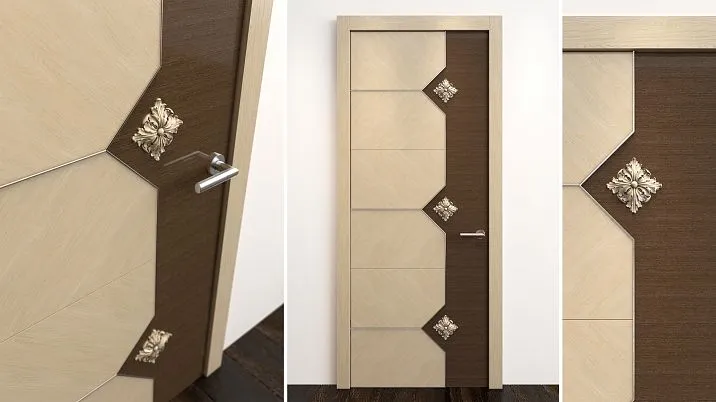
Solid wood interior and entrance doors have always been considered a sign of good taste, respectability, and a commitment to eco-friendly solutions. This is not just an interior element performing the function of space division and ensuring privacy, but also a key feature capable of transforming the appearance of the entire house or apartment. If you decided to buy a solid wood door, it means you value the natural beauty, durability, and comfort that natural material can offer. In this article, we will thoroughly examine the advantages of solid wood doors, their manufacturing technology, stylistic solutions, as well as practical tips for choosing and maintaining them.


Advantages of solid wood doors: why natural wood remains in trend




1. Natural Beauty and Uniqueness
Natural wood possesses an unparalleled texture, depth of tones, and expressive grains that cannot be replicated by any artificial materials. Each solid wood door is a unique work of art, where every board has its own story and distinctive pattern. Such a door can become an accent in the interior, highlight the owner's status, and bring a special atmosphere of coziness and warmth to the space.
In addition to its visual component, natural wood is also pleasant to the touch: its surface remains warm and 'alive,' creating a unique tactile sensation. This adds additional charm to the interior and emphasizes the individuality of the owners.
Our factory also produces:


2. Strength and Durability
The main advantage of solid wood doors is their incredible strength and ability to withstand external influences. Solid wood doors made from a single piece of wood are resistant to mechanical damage, do not crack or warp under proper care. Due to their dense structure, solid wood doors can serve for decades, maintaining their original appearance and not losing their functional properties.
Unlike composite materials or MDF, solid wood does not have glue joints that may delaminate over time, making such a door more reliable. This is especially important for entrance doors, which require increased resistance to break-ins and adverse weather conditions.
Get Consultation
3. Ecological Purity and Safety
Natural wood is an eco-friendly material, free from harmful chemical additives. The manufacturing process of solid wood doors typically involves minimal use of adhesives and artificial coatings, making such doors safe for the health of all family members. Moreover, wood 'breathes,' regulating the humidity level in the room and contributing to the creation of a favorable microclimate.
By choosing natural wood, you not only care for your own health but also support the sustainable use of natural resources. A solid wood door manufactured according to ecological standards allows you to enjoy aesthetics and quality without harming the environment.
4. Thermal and Sound Insulation
Due to its dense structure and natural properties, solid wood doors have high thermal and sound insulation. This means they effectively retain heat in the room, helping to save on heating during cold seasons, and also reduce noise levels penetrating from outside. This effect is especially important for entrance doors in apartments on the first floors or in houses located near busy streets, as well as for interior doors in rooms where additional quietness and privacy are required.
5. Aesthetic Universality
Solid wood doors easily adapt to various interior styles. They can emphasize a classic setting by adding elements of solidity and tradition, or, conversely, become a striking accent in a modern minimalist interior, adding a touch of warmth and naturalness. The versatility of natural wood allows it to be combined with metal, glass, textiles, and other materials, opening up wide possibilities for design experiments.
Technology of manufacturing solid wood doors
1. Selection of raw material and choice of wood species
The quality of solid wood doors largely depends on the chosen wood species. Various options are available on the market, among which oak, beech, ash, walnut, and spruce are the most popular. Each of these species has its own advantages and characteristics:
● Oak – symbol of strength, durability, and nobility. Its rich tones and expressive texture give the door a classic and solid appearance.
● Beech – features a light, even texture, making it ideal for modern interiors in a minimalist style.
● Ash – has a soft, warm tone and attractive texture, creating an atmosphere of coziness and tradition.
● Walnut – a luxurious material with rich color transitions, giving doors a special elegance and exclusivity.
● Spruce – known for its increased resistance to moisture and beautiful texture, which looks great in eco-style and traditional interiors.
Raw material selection includes checking the wood for defects, knots, cracks, and inconsistencies. Only high-quality blanks, possessing a uniform structure and minimal defects, become the basis for future solid wood doors.
After selection, the wood undergoes careful drying to reduce moisture content to optimal levels. Modern drying technologies (vacuum, infrared, etc.) allow avoiding deformations and cracking of the wood in the future. This stage plays a key role in ensuring the stability and longevity of the finished door.
After drying, the blanks proceed to the initial processing stage, where planing, sanding, and shaping are performed. Modern computer-controlled machines ensure precise cutting, allowing for ideal geometry of parts and a perfectly smooth surface.
After drying, the blanks proceed to the initial processing stage, where planing, sanding, and shaping are performed. Modern computer-controlled machines ensure precise cutting, allowing for ideal geometry of parts and a perfectly smooth surface.
3. Assembly and Finishing
During assembly, parts are joined into a single panel according to all technical specifications. It is important that the joints are even and strong, and the panel elements fit together perfectly. After assembly, the door undergoes additional sanding, polishing, and preparation for applying protective coatings.
Depending on the style and preferences, solid wood doors may be finished with varnish, oil, or wax. Varnish gives the item a glossy finish and protects it from moisture and mechanical damage, oil preserves the natural appearance of wood and allows it to 'breathe', and wax provides a soft, velvety sheen while maintaining the natural texture. Some manufacturers combine different finishing methods to achieve an optimal balance between aesthetics and durability.
4. Quality Control and Final Inspection
After completing all processing stages, the door undergoes thorough quality control. The flatness of the panel, reliability of joints, dimensional accuracy, and absence of defects are checked. Only after this is the item considered ready for installation and use, ensuring compliance with high standards of strength, safety, and appearance.
Styles and Design Solutions
Classic style
Solid wood doors in a classic style typically feature bold forms, elegant carving, and rich wood tones (oak, walnut). Such doors emphasize the dignity and nobility of the interior. Carved panels, decorative elements, and rich hardware create an atmosphere of tradition and refinement. Classic solid wood doors fit perfectly into spacious apartments, country houses, and mansions where history, luxury, and attention to detail are valued.
Modern minimalism
In modern interiors designed in minimalist or high-tech styles, solid wood doors can look unexpectedly stylish. Here, emphasis is placed on simplicity of lines, smooth surfaces, and absence of unnecessary details. Natural wood combined with glass, metal, or black accents adds originality and sophistication. Light-colored woods (beech, ash) are often chosen as they visually expand the space and make the interior feel lighter and more airy.
Eco-style and Scandinavian Direction
Eco-style and Scandinavian direction are based on the use of natural materials, light tones, and eco-friendly technologies. Solid wood doors in such interiors retain the natural appearance of wood, often with minimal processing and light shades. This creates an atmosphere of natural harmony, purity, and spaciousness. In eco-style, woods with expressive textures and soft shades are preferred, while in Scandinavian style, lighter and neutral tones are favored, which complement white walls and minimalist decor.
Loft and industrial design
In industrial design, where concrete, metal, and brick dominate, solid wood doors can become a striking contrast, softening the harshness of the surrounding environment. Rough forms are often chosen, emphasizing the natural grain of the wood. Such doors pair well with black hardware, metal inserts, or glass elements, creating a striking effect of combining industrial rigidity with natural warmth.
Custom Orders and Exclusive Solutions
For those who wish to obtain a unique door perfectly matching their tastes and interior, individual ordering options are available. Manufacturers offer a wide selection of wood species, finishes, decorative elements, and hardware, allowing the realization of the most daring design ideas. Exclusive solid wood doors become a reflection of the owner's personality and can be adorned with carving, inlays, glass inserts, or other custom details.
Practical Tips for Choosing and Maintaining
Budget Definition
Before purchasing a solid wood door, it is important to determine your budget. The cost of such doors depends on the wood species, design complexity, finish level, and custom orders. Although natural wood may be more expensive than alternative materials, it pays for itself due to its longevity, unique appearance, and eco-friendliness. Define your priorities — are you seeking an exclusive design or reliable classicism — and plan your expenses accordingly.
Choosing a Manufacturer
The quality of production affects not only the appearance but also the longevity of the door. Study the market, read reviews, and pay attention to the presence of quality certificates and warranties. A reliable manufacturer provides full information about the manufacturing process, from raw material selection to final finishing. This approach ensures you receive a truly high-quality product meeting high standards.
Attention to Details
When choosing a solid wood door, pay attention to the quality of sanding, flatness of the panel, reliability of joints, and neatness of decorative elements. Any defects or unevenness may become a problem in the future. Pay special attention to hardware: locks, hinges, and handles must be strong and match the overall door style. Details make all the difference — if each element is crafted with care, the final impression will be perfect.
Care and maintenance
To ensure a solid wood door retains its beauty and functionality, regular maintenance is required:
● Cleaning. Wipe the door with a soft cloth, avoiding aggressive cleaning agents that may damage the protective coating.
● Reapplying finish. Periodically perform light sanding and renew varnish, oil, or wax to maintain color saturation and wood protection.
● Monitoring microclimate. Monitor humidity and temperature levels in the room. Excessively dry or humid air may negatively affect the condition of the solid wood.
Despite the higher initial cost, solid wood doors justify themselves due to their longevity. They do not require frequent replacement or major repairs, significantly reducing long-term expenses. A high-quality solid wood door can serve for decades, maintaining its strength and attractiveness. Thus, purchasing such a door becomes a worthwhile investment, as it pays for itself over time by eliminating repair and replacement costs.
Economic Efficiency and Long-Term Benefits
Durability as the foundation of investment
Despite their higher initial cost, solid wood doors justify themselves due to their durability. They do not require frequent replacement or major repairs, significantly reducing long-term expenses. A high-quality solid wood door can last for decades, maintaining its strength and attractiveness. Thus, purchasing such a door becomes a worthwhile investment that pays off over time through the absence of repair and replacement costs.
Comparison with Alternative Materials
When choosing between solid wood doors and MDF, laminate, or composite materials, it is important to consider not only price but also durability, eco-friendliness, and aesthetics. Natural wood possesses a unique texture, depth of tones, and warmth that cannot be replicated with synthetic materials. This makes solid wood an ideal choice for those who value authenticity, durability, and craftsmanship traditions.
Eco-friendly and aesthetically pleasing solid wood doors positively influence the overall perception of the interior and quality of life. They create a cozy and harmonious atmosphere, contribute to improving the microclimate, and visually enrich the space. Such a door not only highlights your style but also increases the value of your property in the eyes of potential buyers if you decide to sell your property in the future.
Improvement of Quality of Life and Increase in Interior Value
Choosing a solid wood door is a choice in favor of timeless beauty, reliability, and eco-friendliness. Such doors can transform any room, making it warmer, cozier, and more stylish. The natural wood used in production not only pleases the eye but also ensures high strength, long service life, and a favorable microclimate in the home.
Conclusion
A solid wood door is the result of skilled craftsmanship, combining centuries-old artisan traditions with modern technologies. Selection of quality raw materials, precise drying, mechanical processing, application of protective coatings, and final assembly — all these stages guarantee that the product meets the highest standards. Classic or modern styles, custom projects, or eco-solutions — solid wood doors easily adapt to any interior, adding elegance and individuality.
A solid wood door is the result of skilled craftsmanship that combines centuries-old artisan traditions with modern technologies. Careful selection of quality raw materials, precise drying, mechanical processing, application of protective coatings, and final assembly—all these stages ensure the product meets the highest standards. Whether classic or modern styles, custom projects or eco-solutions, solid wood doors easily adapt to any interior, adding elegance and individuality.
Proper care, including regular cleaning, reapplying protective coatings, and monitoring the microclimate, will help preserve the door's original appearance and functionality for many years. Due to their longevity and aesthetic appeal, solid wood doors become not just interior elements, but true family heirlooms passed down from generation to generation.
150.28 $ р.