Article Contents:
- Anatomy of a Reliable Connection: Understanding the Basics
- Physics of loads in stair structures
- Material Science in the Context of Fastening
- Technological arsenal: methods of attaching balusters
- Anchor fixation: maximum reliability
- Chemical anchoring: innovative approach
- Threaded connections: classic reliability
- Specifics of working with different bases
- Concrete bases: working with monolith
- Wooden floors: preserving material integrity
- Composite and poured floors: modern solutions
- Tooling: professional arsenal
- Measuring tools: foundation of accuracy
- Drilling equipment: power and precision
- Fastening tools: reliability of connections
- Step-by-step installation technology
- Preparation stage: planning for success
- Drilling holes: accuracy and neatness
- Installing fastening elements: reliability for centuries
- Quality Control and Testing
- Visual inspection: first line of verification
- Mechanical tests: checking strength
- Operation and Maintenance
- Regular inspections: prevention of problems
- Preventive maintenance: extending service life
- Modern Trends and Innovations
- Smart fastening systems
- Ecological Aspects
- Economic aspects of quality fastening
- Lifecycle Cost Analysis
- Cost Optimization
- Conclusion
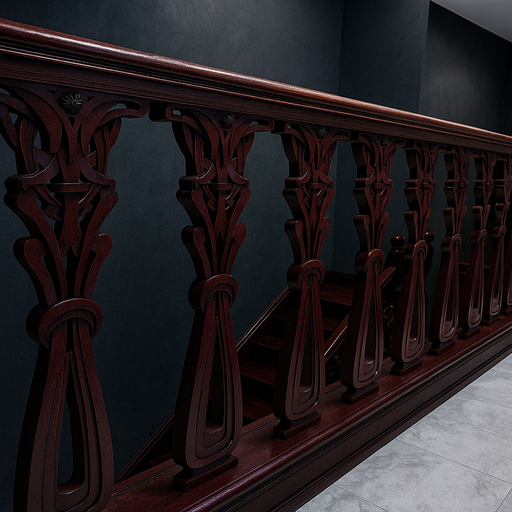
The safety of stair structures begins at the foundation — with how securely and professionally it is executed attaching balusters to the floorThis critical installation stage determines not only the stability of the entire railing, but also the longevity of the structure, its ability to withstand daily loads and ensure user safety for decades.
In modern construction, quality baluster mounting has become an art requiring deep knowledge of materials, understanding of loads, and mastery of advanced installation technologies. Each fixation method has its own characteristics, advantages, and areas of application, and the choice of the optimal method depends on multiple factors — from the type of flooring to interior style.
Correctly executed baluster mounting transforms a stair railing from a simple functional element into a reliable support that serves as a guarantee of safety for all family members. Modern technologies allow creating connections that not only ensure maximum strength but also remain practically invisible, preserving the aesthetic appeal of the structure.


Anatomy of a Reliable Connection: Understanding the Basics
The strength of the stair railing is established during the design phase but realized through the quality of installation. Each baluster must withstand not only static loads but also dynamic impacts — from accidental bumps to emergency support during loss of balance.




Physics of loads in stair structures
Modern building codes require stair railings to withstand a horizontal load of at least 100 kilograms per linear meter. This figure may seem impressive, but in reality, loads often exceed normative values. Imagine a situation where a person, slipping on a step, leans their full weight on the railing — at that moment, the balusters experience a force many times greater than normal operational loads.
The point where the baluster is attached to the floor becomes a critical node through which all forces are transmitted. An improperly executed connection may not only loosen the railing but also cause serious injuries. That is why professional builders pay special attention to selecting fasteners and the technology of their installation.
Load distribution in a stair structure is uneven. Support posts located at the beginning and end of the stair run experience maximum loads, as handrails are attached to them. Intermediate balusters primarily work under bending, but their role in the overall rigidity of the system cannot be underestimated.
Our factory also produces:


Material Science in the Context of Fastening
The choice of baluster material directly affects the technology of their attachment to the floor. Wooden elements require one approach, while metal ones require a completely different one. Each material has its own characteristics of behavior under load, coefficient of thermal expansion, and requirements for the type of fasteners.
Wood, as a living material, is subject to seasonal changes in size. Air humidity affects the geometry of wooden balusters, which must be considered when selecting the attachment method. A rigid connection may lead to cracking of the wood as it dries, while an overly flexible connection will not provide the necessary strength.
Metal balusters differ in dimensional stability but require protection against corrosion at the attachment points. Contact between dissimilar metals may lead to electrochemical corrosion, which over time weakens the connection. Modern technologies offer various protection methods — from special coatings to insulating washers.
Get Consultation
Technological arsenal: methods of baluster attachment
The modern construction industry offers numerous ways to reliably attach balusters to various types of foundations. Each method has its specific application and requires specialized skills for proper execution.
Anchor mounting: maximum reliability
Anchor bolts represent the most reliable method of attaching heavy support posts to concrete or stone foundations. The principle of anchor operation is based on mechanical expansion in a drilled hole, creating a strong connection capable of withstanding both axial and transverse loads.
The installation process of anchor mounting requires high precision. The hole in the foundation must match the anchor's diameter to the nearest tenth of a millimeter. The drilling depth is calculated based on expected loads and foundation type. For residential staircases, a depth of 80–100 millimeters is usually sufficient, but under intensive use, this value may increase.
The quality of the anchor connection largely depends on the cleanliness of the drilled hole. Concrete dust and debris must be carefully removed using compressed air or a specialized vacuum cleaner. Residual dust may prevent proper anchor expansion and reduce connection strength.
Chemical anchoring: innovative approach
Chemical anchors represent a modern alternative to mechanical fasteners. Their principle of operation is based on the use of special compounds that, after curing, create a strong connection between the fastener and the foundation.
The main advantage of chemical anchoring is the ability to work with various foundation materials — from dense concrete to porous brick. The chemical composition fills all irregularities and pores in the material, creating maximum contact area and, consequently, high connection strength.
The installation technology of chemical anchors requires strict adherence to temperature regimes and curing times. Most compounds work effectively at temperatures between +5 and +40 degrees Celsius. Violating the temperature regime may result in incomplete curing of the compound and reduced connection strength.
Threaded connections: classic reliability
Threaded rods remain one of the most popular methods of attaching balusters due to their ease of installation and adjustability. Modern rods are made from high-quality stainless steel or galvanized metal, ensuring long-term connection durability.
attaching balusters to the floor Threaded rods allow creating detachable connections, which is especially important when repair or replacement of individual elements is needed. The ability to tighten the connection during operation is an additional advantage of this method.
The quality of threaded connections largely depends on the accuracy of thread manufacturing and the correct torque applied. Insufficient tightening will result in play, while excessive tightening may damage the thread or the baluster material. Using a torque wrench allows controlling the tightening force and ensuring optimal connection strength.
Specifics of working with different foundations
The type of floor covering and foundation material significantly affects the choice of baluster attachment technology. Each material requires an individual approach and the use of specific fasteners.
Concrete foundations: working with monoliths
Concrete floors represent an ideal foundation for attaching stair railings due to their high strength and stability. However, working with concrete requires special tools and knowledge of the material's characteristics.
Drilling holes in concrete must be performed using a hammer drill and special drills with carbide-tipped bits. Drilling speed and feed force must correspond to the density of the concrete. Excessive speed may cause drill bit overheating and reduce hole quality.
The age of the concrete also affects the attachment technology. Fresh concrete (less than 28 days old) may have uneven strength, making it difficult to achieve a quality connection. In such cases, chemical anchors are recommended, as they better adapt to the non-uniform structure of the material.
Wooden floors: preserving material integrity
Wooden floors require a special approach when attaching balusters, as wood is prone to cracking if drilled incorrectly. Pre-drilling guide holes is a mandatory condition for quality installation.
The diameter of the guide hole should be 70–80% of the fastener's diameter. This ensures secure fixation without risking wood cracking. Drilling depth is calculated based on the thickness of the floor covering and load-bearing structures.
The moisture content of the wood at the time of installation should match the operational moisture level. Attaching balusters to damp wood may weaken the connection as the wood dries. Using a moisture meter allows controlling this parameter and selecting the optimal time for installation.
Composite and poured floors: modern solutions
Modern flooring made of composite materials and poured compounds require a special approach when mounting balusters. These materials often have a layered structure, complicating the selection of fasteners.
Polymer poured floors have high compressive strength but may be brittle under dynamic loads. Mounting balusters to such bases requires using special anchors with increased bearing area, which distribute the load over a larger surface.
Composite coverings based on wood fibers and polymer binders combine the properties of wood and plastic. Mounting to such materials can be done using wood screws or special composite anchors, depending on the specific material composition.
Toolset: professional arsenal
Quality attaching balusters to the floor It is impossible without using professional tools. Each installation stage requires specific fixtures that ensure precision and quality of work.
Measuring tools: foundation of accuracy
A laser level is an indispensable tool for marking the installation positions of balusters. Modern models allow projecting both horizontal and vertical lines, significantly simplifying the marking process and ensuring high positioning accuracy.
A tape measure with millimeter divisions is necessary for accurately measuring distances between balusters. Even spacing of railing elements not only ensures aesthetic appeal but also guarantees even load distribution.
Drilling equipment: power and precision
Boring equipment: power and precision
A drill with a hammerless drilling function is necessary for working with various base materials. The ability to disable the hammer mechanism allows drilling holes in delicate materials without risking damage.
A set of drills and bits of various diameters ensures the ability to work with any type of fastening element. High-quality bits with carbide inserts last significantly longer and provide cleaner holes.
A depth gauge or drilling depth limiters help control hole depth and avoid damaging hidden utilities. This is especially important when working with floors under which heating pipes or electrical cables are laid.
Fastening tools: reliability of connections
A torque wrench ensures controlled tightening of threaded connections. The correct tightening torque is critically important for the longevity of the fastening — insufficient tightening leads to play, while excessive tightening may damage the threads.
A pneumatic or electric drill significantly speeds up the installation of screws and other fastening elements. Torque adjustment allows avoiding damage to baluster material during tightening.
Special wrenches for anchor bolts ensure proper installation and tightening of anchor connections. Each type of anchor requires using the corresponding tool to achieve optimal connection strength.
Step-by-step installation technology
Professional baluster installation requires strict adherence to the technological sequence of operations. Each stage has its own characteristics and is critically important for the final result.
Preparation stage: planning for success
Marking the installation positions of balusters begins with determining the positions of the end support posts. These elements serve as reference points for placing intermediate balusters and must be installed with maximum accuracy.
Calculating distances between balusters is done considering safety requirements and aesthetic considerations. The maximum distance between adjacent elements should not exceed 120 millimeters to prevent children from slipping.
Base inspection includes checking floor flatness, identifying hidden utilities, and assessing material strength. Using a hidden wire detector helps avoid damaging electrical cables during drilling.
Drilling holes: precision and care
The drill bit diameter depends on the type of fastener used. For anchor bolts, the hole diameter must exactly match the anchor diameter; for anchors, it should be 1-2 millimeters smaller than the anchor diameter.
Drilling depth is controlled using depth limiters or markings on the drill. Insufficient depth may result in incomplete anchor expansion, while excessive depth may damage hidden utilities.
Holes are cleaned of dust and debris using compressed air or a special vacuum cleaner. Residual material may interfere with proper fastener installation and reduce connection strength.
Installing fastening elements: reliability for centuries
Installation sequence depends on the type of fastener. Anchor bolts are installed into drilled holes and tightened until the anchor fully expands. Torque control ensures optimal connection strength.
Chemical anchors require pre-filling the hole with a special compound. The compound's curing time must be strictly followed according to the manufacturer's instructions.
Threaded studs are installed using special adhesive or mechanical anchors. The protruding part of the stud must ensure reliable fastening of the baluster, taking into account the thickness of its base.
Quality control and testing
The final stage of installation includes a comprehensive quality check of all connections and a strength test of the structure. This stage is critically important for ensuring the safety of the stair railing during operation.
Visual inspection: first line of checking
Inspection of all connections allows identifying visible installation defects — incorrectly installed fasteners, material damage, uneven gaps. Special attention is paid to the condition of threaded connections and the correct tightening of bolts.
Verticality of balusters is checked using a construction level. Deviations from verticality must not exceed 2-3 millimeters per meter of height. Large deviations may lead to uneven load distribution.
Control of distances between balusters ensures compliance with safety requirements. Using special templates allows quickly checking all gaps and identifying possible violations.
Mechanical tests: strength check
Load tests include applying horizontal and vertical forces to various elements of the railing. Test load is usually 150% of the calculated operational load.
Vibration testing reveals possible resonant frequencies of the structure. The railing must not enter resonance under normal conditions — walking on the stairs, closing doors, operating household appliances.
Fatigue testing simulates long-term operation of the railing. Cyclic loads allow identifying potential weak spots in the structure before operation begins.
Operation and Maintenance
Correctly executed attaching balusters to the floor Ensures the longevity of the structure, but requires regular technical maintenance to maintain initial characteristics.
Regular inspections: problem prevention
Monthly visual inspection allows identifying signs of connection weakening at an early stage. Special attention is paid to the condition of threaded connections, which may weaken under vibration.
Strength of fastening is checked by gently rocking the balusters. The appearance of play or unusual sounds indicates the need to tighten or replace fastening elements.
Monitoring the condition of protective coatings helps prevent corrosion of metal elements. Timely renewal of coatings significantly extends the service life of fastening elements.
Preventive maintenance: extending service life
Tightening threaded connections should be performed using a torque wrench to ensure the correct tightening torque. Excessive tightening may damage the threads and weaken the connection.
Lubrication of moving parts prevents sticking and facilitates maintenance. Using special lubricants resistant to moisture and temperature fluctuations ensures long-term protection.
Replacement of worn elements should be carried out using original spare parts or equivalents meeting technical specifications. Using unsuitable elements may compromise the strength of the entire structure.
Modern trends and innovations
Technological advancements bring new solutions to the field of stair railing fastening. Innovative materials and installation methods open up new possibilities for creating reliable and aesthetically pleasing structures.
Smart fastening systems
Self-monitoring fastening elements are equipped with sensors that monitor the condition of the connection in real time. Such systems can warn of the need for maintenance before critical problems arise.
Adaptive fasteners automatically compensate for thermal deformations and material shrinkage. This is especially important for wooden structures, which are subject to seasonal size changes.
Wireless monitoring systems allow controlling the condition of multiple fastening nodes from a single control panel. Such solutions are particularly relevant for large facilities with numerous stair structures.
Ecological aspects
Biodegradable fastening elements made from composite materials based on natural fibers represent an environmentally friendly alternative to traditional metal fasteners. Such elements have sufficient strength for most applications and fully degrade in nature.
Recycled materials are increasingly used to manufacture fastening elements. Modern technologies allow producing products from secondary raw materials that do not fall short in quality compared to those made from primary materials.
Energy-efficient production of fastening elements reduces the carbon footprint of construction projects. Using renewable energy sources in production has become an important factor in selecting suppliers.
Economic aspects of quality fastening
Investments in quality baluster fastening pay off through reduced operational costs and increased structure longevity. Proper selection of installation technology allows optimizing costs without compromising quality.
Life Cycle Cost Analysis
Initial costs for quality fastening elements constitute only a small portion of the total ownership cost of the stair structure. Saving on fasteners may lead to significant repair and replacement costs in the future.
The cost of maintenance depends directly on the quality of the initial installation. Properly installed fasteners require minimal maintenance and rarely need replacement.
The impact on property value should also be considered when planning investments. High-quality balustrades increase the attractiveness and market value of a property.
Cost Optimization
Choosing the optimal fastening technology allows achieving the required quality at minimal cost. Using standardized solutions reduces material costs and simplifies installation.
Planning purchases based on the volume of work ensures obtaining wholesale prices for fasteners. Centralized procurement for multiple projects can significantly reduce overall costs.
Training staff in modern installation technologies improves work quality and reduces the number of reworks. Qualified specialists work faster and make fewer mistakes.
Conclusion
The skill of properly attaching balusters to the floor combines deep technical knowledge, practical experience, and understanding of modern construction trends. Each connection must be executed with jewel-like precision, as this directly affects the safety of people and the longevity of the entire structure.
Modern technologies provide builders with a wide range of tools for creating reliable fastenings, but selecting the optimal solution requires a professional approach and consideration of multiple factors. From the type of base to operating conditions — every detail affects the final result.
Investing in quality baluster fastening is an investment in safety and comfort. Properly executed installation ensures decades of reliable service without the need for major repairs or replacement of components.
The future of the industry is linked to the development of smart technologies, eco-friendly materials, and automated control systems. These innovations will make stair railings even safer, longer-lasting, and more convenient to use.
In the context of creating high-quality stair constructions, special attention deserves the company STAVROS, which has demonstrated the highest standards in the design and installation of stair railings for many years. The combination of traditional craftsmanship with innovative technologies enables STAVROS to offer solutions that not only meet the strictest safety requirements but also embody principles of beauty and functionality, creating a foundation for long-term satisfaction of the most demanding clients in the field of quality stair element fastening.