Article Contents:
- Childhood: Where Every Item Is a Magical Castle
- Secret Places and Hidden Stories
- First Lessons in Beauty
- Youth: Furniture as a Backdrop for Personal Development
- First Adult Decisions
- Aesthetic Self-Definition
- Maturity: Furniture as a Participant in Major Events
- Wedding Journey: A Lifetime Adventure
- Professional Development
- Parental Home
- Mature Years: Furniture as a Keeper of Memories
- Grandmother’s Tales and Grandfather’s Wisdom
- Lessons in History Within Home Walls
- Legacy: When Furniture Outlives Its Owners
- Material Memory of Generations
- Restoration as an Act of Love
- New Life in a New Home
- Modern Times: How to Create Your Own Story
- Choice with an Eye on Centuries
- Creating Family Traditions
- Psychology of Choice: Furniture as a Reflection of the Soul
- What Our Furniture Says About Us
- Furniture as an Educational Tool
- Economic Philosophy: Furniture as a Long-Term Investment
- Planning for Generations
- Future of Decoration: Trends and Prospects
- Cultural Aspect: Furniture as a Carrier of Traditions
- Dialogue of Cultures in Domestic Space
- Modern Technologies and Classic Forms
- Traditions plus innovations
- Individualization of classics
- Conclusion: your story begins today
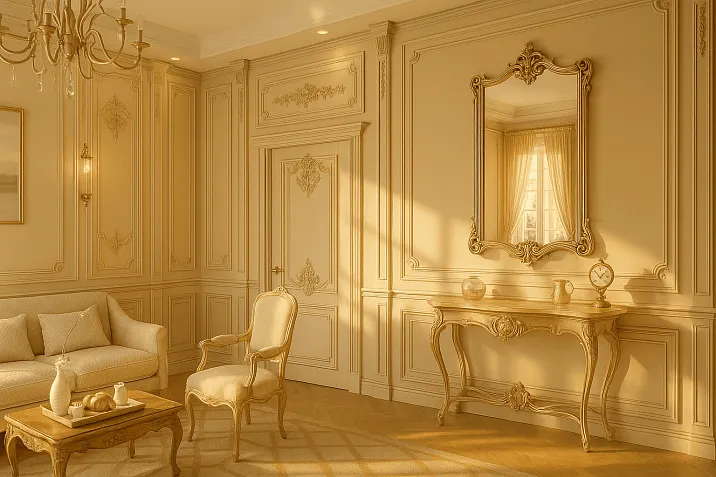
In the old house, where a carved chair with worn armrests has stood by the window for half a century, three generations have grown up. Here, grandfather read fairy tales to his grandchildren, here grandmother knitted warm sweaters on long winter evenings, here parents made the most important decisions of their lives. And everyone who sat in this chair felt — they were part of something greater, participants in an invisible yet strong bond of time.
Classic furniture is not just interior items. They are silent witnesses to our lives, keepers of family secrets, participants in joys and sorrows. Every scratch on the tabletop is a memory of childhood games, every worn spot on the upholstery is a trace of someone’s embrace, every crack in the wood is a mark of years lived.
When we choose Furniture and interior items, we are not just furnishing a home. We are writing the script of our lives, creating sets for future memories, laying the foundation for stories that our children and grandchildren will tell. And the kind of furniture we choose determines whether this story will be vivid and memorable or quickly forgotten, like a cheap melody.


Childhood: where every item is a magical castle
Remember how, as children, an ordinary table turned into a fortress where you could hide from the whole world? How the heavy legs of a chair seemed like palace columns, and the carved patterns on the dresser’s facade — mysterious writings of an ancient civilization?
Furniture with history for a child is not just decor, but an entire universe of adventures. A classic writing desk becomes a captain’s bridge of a ship sailing to distant lands. An antique dresser with mirrored doors transforms into a portal to another dimension. And Grandma’s bed with a high headboard — into an impregnable princess tower.




Secret places and hidden stories
Classic Furniture possesses an amazing ability to create secret places. Deep drawers of a dresser store children’s treasures — beautiful pebbles from the seaside, dried flowers, first clumsy drawings. Shelves of an antique dresser become a museum of childhood discoveries — here lives a collection of toys, each remembering its own special story.
Behind the massive back of a sofa, you can build a blanket-and-pillow shelter — your own personal kingdom, inaccessible to adults with their endless 'shoulds' and 'shouldn’ts'. Under the dining table in the living room, there’s an entire world: here you can play school, host tea parties for dolls, read thrilling pirate and princess books under the glow of a table lamp.
Our factory also produces:


First lessons in beauty
Children growing up surrounded by quality furniture learn from an early age to distinguish beauty from the ordinary, authenticity from imitation. They become accustomed to the idea that things can be not only useful, but also beautiful. Carved patterns on furniture become their first lessons in visual arts, noble wood grain — introductions to natural materials.
Such children grow up with a developed aesthetic sense, the ability to appreciate craftsmanship, understanding that beauty is not luxury, but necessity. They know: the world can and should be beautiful.
Get Consultation
Youth: furniture as a backdrop for personal development
Adolescence is a time of self-discovery, forming one’s identity, and first serious interests. And during this period, furniture plays a special role: it becomes a silent witness to the transformation of a child into an adult.
A senior high school student sits at a solid wood desk, preparing for exams, dreaming of future professions, writing first poems or stories. This desk remembers sleepless nights before tests, joy from good grades, tears from first disappointments. It becomes not just a workspace, but a place of strength, where character is formed.
First adult decisions
A teenager spends hours in the window-side chair, contemplating life, reading books that open new worlds. Here, the first independent decisions are made: which institute to attend, what profession to choose, how to build relationships with friends.
Furniture for the family during this period becomes a connecting link between childhood and adulthood. It provides a sense of stability in a world where everything is changing, offering reliable support during moments of life’s uncertainty.
Aesthetic self-definition
Young people who grew up surrounded by classic furniture often choose it for their first independent home. But now this is no longer a choice made by parents — it is their own aesthetic self-definition, a statement about who they are and how they want to see their lives.
When buying their first quality chair or table, a young person invests not only in comfort, but also in their own future. They say: 'I choose quality, I am willing to invest in something that will serve me for many years, I understand the value of beauty.'
Maturity: furniture as a participant in major life events
In adulthood, furniture becomes a full participant in the most important life events. At the family dining table, birthdays and anniversaries are celebrated, here the entire family gathers for holidays, friends come here to share joy or help during difficult times.
Furniture in the interior of a mature home is not just decor, but a material embodiment of life priorities. A large dining table speaks of the importance of family traditions. Comfortable chairs in the living room — of the hosts’ hospitality. A solid writing desk in the office — of the seriousness of professional pursuits.
A wedding journey lasting a lifetime
A young couple chooses their first furniture as a symbol of beginning their shared life. Each item carries a special symbolic meaning: the bed — a symbol of intimacy and trust, the table — a place for shared meals and conversations, the dresser — space for shared belongings and memories.
Over the years, this furniture becomes a witness to the evolution of relationships. It remembers the first family breakfasts when everything seemed like playing 'house.' It saw children being born and growing up, how the interests and habits of spouses changed, how their love strengthened or, conversely, was tested.
Professional development
A study with classic furniture is a place where important business decisions are made, ideas are born, and deals are concluded. A solid solid oak desk instills confidence in negotiations, inspires trust in partners, and creates an atmosphere of reliability and stability.
Here, reports and business plans are written, company development strategies are contemplated, and important telephone negotiations are conducted. Every scratch on the tabletop is a memory of intense work, every coffee cup ring is evidence of sleepless nights searching for solutions to complex problems.
Parental home
When children appear in the home, furniture acquires new functions and meanings. The dining table becomes a place for family councils, where school successes and failures are discussed, vacations are planned, and everyday problems are solved. Here, children learn the rules of etiquette, the art of conversation, and family traditions.
The armchair in the living room turns into a throne for reading bedtime stories. The dresser in the nursery stores not only clothes but also children's treasures—drawings, crafts, first certificates and diplomas. Every piece of furniture becomes a participant in the upbringing process, a silent helper in shaping the character of the future adult.
Mature years: furniture as a keeper of memory
With age, the attitude towards furniture changes. It ceases to be merely functional items and transforms into a keeper of memory, a material embodiment of a life lived. Each piece tells its own story, reminds of important moments, dear people, and happy times.
An antique armchair remembers evenings spent reading favorite books. The dining table holds memories of family holidays, friendly gatherings, and important conversations. The dresser in the bedroom is a witness to thousands of morning preparations for work, evening routines before sleep, moments of joy and sorrow.
Grandma's fairy tales and grandpa's wisdom
When grandchildren appear in the home, old furniture finds new life. The same armchair where fairy tales were once read to their own children now serves as a throne for conversations with grandchildren. The same table where important family decisions were made now becomes a place for board games and creative activities with the younger generation.
Furniture heritage transmits not only material but also spiritual value. Grandchildren listen to stories about how this bed was bought for grandma and grandpa's wedding, how this table was chosen for their first apartment, how this armchair was restored after moving.
History lessons within home walls
Old furniture becomes a textbook of family history. By the wear and scratches on the tabletop, one can trace how children grew up, what their interests and hobbies were. Faded stains on the armchair upholstery remind of childhood mischief that seemed like a catastrophe but now only evoke a tender smile.
These 'wounds' on the furniture are not defects but battle scars, evidence of an active, eventful life. They make each piece unique, irreplaceable, filled with personal meaning.
Heritage: when furniture outlives its owners
The most amazing ability of classic furniture is to outlive its owners and pass on the family history to the next generations. Unlike modern furniture, which breaks and is thrown away after a few years, quality classic pieces can serve for centuries.
Material memory of generations
When adult children sort through their parents' home, each piece of furniture becomes not only an item of inheritance division but also of preserving family memory. Who will take grandma's dresser with family photos? Who will get grandpa's armchair where he loved to sit in the evenings? How to divide the dining table where the whole extended family gathered?
These questions are resolved not from the standpoint of material gain but based on emotional attachment, personal memories, and the desire to maintain a connection with departed loved ones. Furniture becomes a bridge between the past and the future, a way to pass on to children and grandchildren not only material values but also family traditions and the history of the lineage.
Restoration as an act of love
Having inherited old furniture, new owners often decide to restore it. This is not just a repair—it is an act of love and respect for the memory of ancestors. By renewing worn upholstery, polishing scratched tabletops, and strengthening loose joints, people seem to extend the life not only of the furniture but also of the memories associated with it.
The restoration process is often accompanied by stories about how the family lived, what traditions they observed, what they valued. Children learn about their roots, about the time when their parents were young, when the world was different, but family values remained unchanged.
New life in a new home
Transferred to a new home, restored furniture begins a new chapter in its history. It brings with it an aura of stability, connection to traditions, and a sense of generational continuity. Children quickly get used to the idea that this is not just a table or an armchair—it is part of a family legend.
At the dining table that still remembers great-grandma, family dinners take on a special solemnity. In the armchair where great-grandpa once sat, it is especially pleasant to read books or reflect on life. Old furniture teaches respect for the past, an understanding that each person is a link in the chain of generations.
Modernity: how to create your own history
Today, choosing classic furniture, we stand at the origins of our own family legend. Every item we purchase can become the beginning of a story that our grandchildren and great-grandchildren will tell.
Choice with an eye on centuries
Buying quality furniture is not an expense, but an investment in family history. Choosing between a cheap option 'for a few years' and an expensive 'for centuries' means choosing between oblivion and memory, between disposability and eternity.
Life with quality furniture is fundamentally different from living amidst cheap imitations. Quality furniture doesn't just last longer — it affects the atmosphere of the home, relationships among family members, and how children perceive family values.
Creating family traditions
New furniture can become the foundation for new family traditions. Weekly family dinners at a beautiful table, evening reading in a comfortable armchair, morning coffee at an elegant console — these daily rituals over time become cherished memories.
It's not just about buying furniture, but filling it with meaning and creating a special atmosphere around it. Then, years later, children will tell their children not only about the beautiful furniture in the house, but also about the events that took place around it.
Psychology of choice: furniture as a reflection of the soul
Choosing furniture is always choosing a life philosophy. People who prefer classic furniture usually value stability, traditions, and quality. They think not only about today but also about the future, not only about themselves but also about their children.
What our furniture says about us
The interior is the owner's self-portrait. From the type of furniture a person chooses, one can learn much about their character, values, and life priorities. Classic furniture speaks of:
- Respect for traditions and cultural heritage
- Understanding the value of quality items
- Ability for long-term planning
- Desire to create a stable, harmonious home atmosphere
- Willingness to pass on not only material but also spiritual values to children
Furniture as an educational tool
Children growing up surrounded by quality, beautiful furniture receive important life lessons without uttering a word. They learn:
- To distinguish quality from cheapness
- To appreciate beauty and craftsmanship
- To treat things with care
- To understand the importance of family traditions
- To see the connection between generations
Economic philosophy: furniture as a long-term investment
From a family economic perspective, purchasing quality classic furniture is a wise decision. While cheap furniture requires replacement every few years, quality furniture can serve for decades, even centuries.
Calculating for generations
If a cheap chair costs 5,000 rubles and lasts 3 years, then over 30 years you will need to buy 10 such chairs, spending 50,000 rubles. A quality classic chair costing 25,000 rubles will last the same 30 years, and possibly longer. The savings are obvious, not to mention that quality furniture may even increase in value over time as an antique.
Emotional economy
But there is another side to economics — emotional. How much does the sense of stability provided by quality furniture cost? How much does pride in one's home, admiration from guests, and children's respect for family traditions cost? These 'intangible assets' cannot be measured in rubles, but their value for the quality of family life is immense.
Cultural aspect: furniture as a carrier of traditions
Classic furniture is not only household items, but also carriers of cultural codes, traditions, and historical memory. Each style tells its own story, reflects the spirit of a particular era, and conveys the aesthetic ideals of past generations.
Choosing furniture in any classic style involves engaging in a dialogue of cultures, becoming part of a multi-century tradition of creating beauty. English classicism speaks of restraint and aristocracy, French — of elegance and refinement, Russian — of grandeur and hospitality.
This cultural dialogue enriches our lives, broadens our horizons, helps us better understand the history and traditions of different peoples. A home with classic furniture becomes a sort of museum, where each exhibit can not only be admired but also used in everyday life.
This cultural dialogue enriches our lives, broadens horizons, helps better understand the history and traditions of different peoples. A house with classic furniture becomes a kind of museum, where each exhibit can not only be admired but also used in everyday life.
Modern technologies and classic forms
Modern classic furniture is a wonderful synthesis of traditional forms and the latest technologies. Today's craftsmen use time-tested design solutions, but complement them with modern materials and processing methods.
Traditions plus innovations
The classic form remains unchanged, but is filled with new content. Modern varnishes and stains protect wood better than traditional formulations. New wood drying technologies make it more stable and durable. Ergonomic research helps make classic furniture more comfortable.
The result is furniture that looks like a work of art from the 18th or 19th century, but in functionality and durability surpasses historical examples.
Individualization of classicism
Modern technologies allow creating classic furniture to individual sizes and customer preferences. You can adjust the table size to fit a specific room, choose the upholstery color of a chair to match the existing interior, add modern functional elements to a classic design.
Such furniture becomes even more personal, even more connected to a specific family and its history.
Conclusion: your story begins today
Every family deserves its own story — beautiful, meaningful, worthy of being told to children and grandchildren. And this story begins today, with the decision to surround yourself not just with functional items, but with things capable of becoming keepers of memory, witnesses of happiness, participants in family traditions.
Furniture with history from STAVROS — it’s not a purchase, but the beginning of your life’s script. Every chair, every table, every console carries the potential to become part of a family legend, a material embodiment of your values and dreams.
Imagine: in fifty years, your grandchildren will tell their children how Grandpa and Grandma chose this furniture, how birthdays were celebrated at this table, how fairy tales were read in this chair. These memories will become part of their identity, the foundation of their perceptions of family, home, and love.
In a world where everything becomes disposable, temporary, superficial, choosing quality classic furniture is an act of faith in the future, an investment in family happiness, creating a material foundation for spiritual values. It’s the choice of those who understand: true luxury lies not in the quantity of things, but in their ability to make life more beautiful and family stronger.
STAVROS offers you not just furniture, but the opportunity to begin writing your family’s story from a clean slate. A story that will be passed down from generation to generation, accompanied by beautiful, quality, love-filled items created by true masters for true admirers of beauty.