Article Contents:
- The Phenomenon of Interior Books: When Content Meets Form
- Psychology of Book Decor: What Your Shelves Say
- Wooden Shelves: The Foundation of Book Composition
- Choosing Wood Species: From Classic to Exotic
- Carved Elements: When a Shelf Becomes a Work of Art
- The Art of Placement: Compositional Techniques and Secrets
- The Rule of Three Heights: Creating Dynamics
- Color Blocks: Rainbow on the Shelf or Monochrome?
- Rhythm and Accents: Don't Let the Eye Get Bored
- Negative Space: The Beauty of Emptiness
- Additional Decor Elements: What Else Lives on Bookshelves
- Plants: Living Breath Among Paper Pages
- Art Objects: Sculpture, Graphics, Art Pieces
- Decorative Objects: From Globes to Candleholders
- Stylistics of Book Decor: From Classic to Contemporary
- Classic Style: Respectability and Traditions
- Scandinavian Minimalism: Light, Air, Functionality
- Loft: Industrial Aesthetics and Creative Chaos
- Eclecticism: When All Styles Are Friends
- Bookshelf Lighting: Play of Light and Shadow
- General Lighting: Composition Base
- Accent Lighting: Dramaturgy of Light
- Decorative Lighting: Lamps as Part of the Composition
- Trends and Current Solutions in the World of Book Decor
- Used Books and Antiques: Nostalgia and Authenticity
- False Spines: When Form is More Important Than Content
- Renting Interior Decor: Flexibility and Variety
- Practical Aspects: From Purchase to Care
- Where to Find Interior Books
- Caring for Wooden Shelves and Books
- Safety and Practicality
- Frequently Asked Questions: What Concerns Readers
- STAVROS Company: Where Wood Becomes Art

Let me tell you a secret: a real interior doesn't begin with expensive furniture or trendy wallpaper. It's born where objects acquire a soul, where every detail tells a story, where the space breathes your interests and passions. And one of the most powerful tools for creating such an atmosphere becomes Interior books for decor— an element capable of transforming even the most boring room into a space filled with meaning and character.
But let me ask: why do some book compositions look like a random pile of waste paper, while others make you stop in admiration before the shelf? Why do books seem like dust collectors in one home, and works of art in another? The answer lies in understanding the nature of the interior book, in the ability to place it correctly on a wooden shelf, in knowing the secrets of composition and color. Today we will dive into this amazing world where literature meets design, where content intertwines with form, where a book ceases to be just an information carrier and becomes a full-fledged decorative element.
Many will say: why do we even need books in the era of e-readers? Hasn't this format become obsolete? And this is where it gets interesting. Because an interior book is not primarily about reading. It's about creating an atmosphere, about a visual statement, about the message you send to everyone entering your home. Books on shelves are your intellectual biography, your values, your aesthetic manifesto.


The Phenomenon of the Interior Book: When Content Meets Form
So what are interior books for decor in the modern sense? These are works that simultaneously carry cultural value and possess outstanding visual characteristics. These are not just random volumes from a home shelf; these are carefully selected editions that create a visual narrative of your space.
Imagine an architecture history album with gold-embossed spines, standing next to an antique poetry volume in a leather binding. Next to it — a modern publication on Scandinavian design in a minimalist pastel-toned cover. And between them — a vintage encyclopedia with worn but noble pages. Each of these books tells its own story, but together they create a symphony — visual, tactile, semantic.
Interior books differ from ordinary ones primarily in their decorative function. Yes, they can be read. But their main task is to create a mood, form visual accents, and be part of a carefully constructed composition. That's why professional designers and decorators pay no less attention to selecting books for the interior than to choosing textiles or lighting fixtures.




The Psychology of Book Decor: What Your Shelves Say
Have you ever thought that your bookshelves are a kind of psychological portrait? Guests, entering a home, inevitably scan the book spines with their eyes, trying to understand who they're dealing with. Classic literature speaks of traditional values and intellectual solidity. Art books hint at a creative nature. Travel albums reveal you as an adventurer. Philosophical treatises — a thinker. Culinary publications — a gourmet and connoisseur of life's pleasures.
That is precisely why the thoughtful selection of interior books is not merely a question of aesthetics. It is a form of non-verbal communication, an opportunity to tell a story about yourself without words. And here, it is important to be honest with yourself: there is no point in filling shelves with tomes on quantum physics if your soul leans towards detective novels and romance. Authenticity is always perceptible, and it is always more attractive than feigned intellectuality.
Our factory also produces:


Wooden Shelves: The Foundation of a Book Composition
It's impossible to talk about interior books without mentioning what they are placed on. Carved wooden shelves— are not just a functional storage element; they are a full-fledged participant in the decorative composition, which can either enhance the impression of the book collection or completely ruin it.
Wood and books are the perfect pair, created by nature and culture themselves. Recall old libraries with their massive oak shelving, the scent of wood and paper, the warm light playing on polished surfaces. This is no coincidence. Wood creates that very atmosphere of coziness, solidity, and nobility that perfectly complements books.
Get Consultation
Choosing Wood Species: From Classic to Exotic
Which wood species to choose for shelves? This question is not as simple as it seems, because everything depends on the material: the color palette of the interior, the durability of the structure, the visual weight of the composition, even the tactile sensations.
Oak is the king among species for making bookshelves. Its noble texture with expressive annual rings, natural strength, and variety of shades make oak shelves a universal solution. Light oak fits perfectly into Scandinavian and modern interiors, creating a sense of airiness and light. Dark stained oak is the choice for classic spaces, studies, libraries, where respectability and solidity are valued.
Walnut has a warm chocolate hue and a luxurious texture. Walnut shelves create an atmosphere of sophistication and refinement; they are ideal for home libraries and living rooms in a classic style. A feature of walnut is its ability to become only more beautiful over time, acquiring a noble patina.
Ash offers an interesting alternative to oak with a lighter tone and pronounced texture. Ash shelves look modern and fresh; they combine excellently with books in bright covers, creating a dynamic contrast.
Pine and spruce are budget-friendly but no less worthy options. Their light honey shade and resinous aroma create an atmosphere of a country house, a dacha, a creative workshop. Coniferous species require proper treatment, but with a competent approach, they serve for decades.
Exotic species — wenge, teak, mahogany — are the choice for those who want to create a truly exclusive interior. Their unusual shades and textures turn an ordinary shelf into an art object.
Carved Elements: When a Shelf Becomes a Work of Art
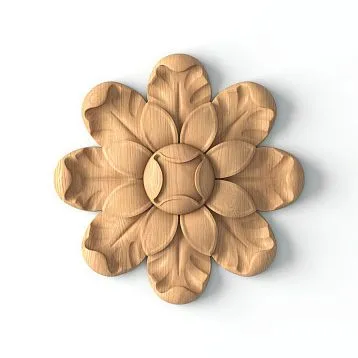
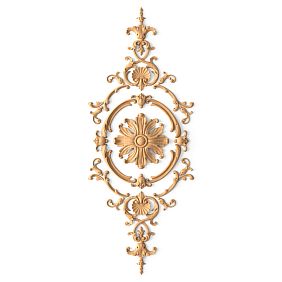
Carved wooden shelves are the highest level of skill in the world of interior decor. When a simple functional structure turns into a sculptural work, carrying not only books but also an aesthetic message. The carving can be restrained — elegant volutes along the edges, concise grooves, a noble bevel. Or it can be lush and decorative — floral ornaments, geometric patterns, figured brackets.
It's important to understand: carved elements require careful handling of the book composition. The more richly decorated the shelf, the more restrained its contents should be. Overloading with decor is dangerous—visual chaos can arise, where the eye doesn't know where to focus.
The Art of Placement: Compositional Techniques and Secrets
So, you have beautiful wooden shelves and a collection of interior books. Now the most interesting part begins—creating the composition. And the same laws apply here as in painting, sculpture, and photography: balance, rhythm, accents, negative space.
The Rule of Three Heights: Creating Dynamics
Professional decorators rarely arrange books the same way on all shelves. Use the rule of three heights: some books stand vertically, some lie in horizontal stacks, and some are placed at an angle, leaning on bookends or holders. This creates visual dynamics, breaks monotony, and makes the composition lively and interesting.
Vertical placement is classic, convenient for reading spines, and saves space. But if all books stand in formation, like soldiers on a parade ground, it becomes boring. Horizontal stacks add surprise, create platforms for placing decorative objects—vases, figurines, photo frames. Plus, it's nice to place a coffee cup on a stack of books while reading.
Color Blocks: Rainbow on the Shelf or Monochrome?
One of the most debated questions in the world of book decor: should books be grouped by color? On one hand, a rainbow arrangement—from red volumes to orange, yellow, green, blue—looks impressive, especially in photos for social media. Such a shelf becomes an art object, a color accent in the interior.
On the other hand, many book lovers shudder at this approach: how to find the right book if they're sorted by color rather than by topic or author? And here arises the key question: what is the purpose of your book collection? If it's a working library you constantly refer to, color sorting is impractical. But if we're talking specifically about interior books for decor that create a visual effect, then color grouping may be justified.
An alternative approach is a monochrome palette. Choose 2-3 colors that dominate your interior and select books in corresponding shades. For example, for a Scandinavian interior, books with covers in white, gray, beige, and pastel blue are ideal. For a classic study—burgundy, green, brown, with gold embossing.
Rhythm and Accents: Don't Let the Eye Get Bored
Imagine a shelf where all books are the same size, one color, lined up with mathematical precision. Boring? Absolutely. A composition should breathe, have rhythm, surprise. Professionals use the technique of alternation: tall volumes alternate with short ones, thick with thin, bright with neutral.
Create accent points—especially beautiful, unusual, or valuable books. They should be placed at eye level, in spots that naturally attract attention. This could be a rare antique edition, a luxurious art album, or a book with a unique binding.
Negative Space: The Beauty of Emptiness
One of the main signs of an amateur is the desire to fill shelves with books from edge to edge, leaving not a centimeter of free space. A professional decorator knows: emptiness is as important as fullness. Negative space gives the eye a rest, allows appreciation of individual elements' beauty, and creates a sense of air and freedom.
Leave gaps between groups of books, use them to place decorative objects, plants, or lighting. Emptiness on a shelf is not wasted space; it's room for the composition's visual breath.
Additional Decorative Elements: What Else Lives on Bookshelves
Books are beautiful on their own, but truly magical composition emerges when other decorative objects are added to them. It's important to maintain balance: additional decor should emphasize the beauty of the books, not compete with them for attention.
Plants: Living Breath Among Paper Pages
Greenery on bookshelves is a breath of fresh air, a living note in a static composition. Small houseplants in ceramic pots create a contrast of textures: the softness of leaves against the hardness of bindings, the organic nature of plant forms against the geometry of book blocks.
Which plants to choose? Succulents and cacti are ideal for minimalist interiors—they're compact, low-maintenance, and have clear graphic shapes. Ivy and tradescantia with their cascading vines add romance and create a green waterfall effect. Ferns and asparagus bring lushness and volume.
Important: plants should get enough light, and watering shouldn't threaten the books. Use pots with trays, place plants not directly above books but to the side or with a gap.
Art Objects: Sculpture, Graphics, Art Pieces
Small sculptures, busts of writers and thinkers, abstract compositions—all can coexist organically with books. A bronze figurine on a stack of three antique volumes, a plaster head of an ancient philosopher between history books, a wooden ethnic figurine next to travel editions—these combinations create meaningful connections and visual metaphors.
Frames with black-and-white photos, small graphic works leaned against books at an angle, create an effect of creative clutter, as if you've just returned from an artist's studio.
Decorative Objects: From Globes to Candleholders
Antique globes, vintage clocks, collectible boxes, candleholders, glass vases, ceramic dishes—the world of decorative objects is vast. The main principle: each item should be intentional, not random. Let a globe neighbor books about geographical discoveries. Let a candleholder stand next to a volume of Victorian poetry. Seashells—with editions about oceans and travel.
When objects are united by a common theme or era, the composition gains integrity and depth. This is no longer just a shelf with books and trinkets; it's a visual story that's interesting to examine and read.
Stylistics of Book Decor: From Classic to Contemporary
Interior books should match the overall style of the room. What looks perfect in a classic study may not work at all in a loft or Scandinavian living room.
Classic style: respectability and tradition
For a classic interior, choose books with leather bindings, gold embossing on spines, in noble dark tones—burgundy, green, brown, dark blue. Multi-volume collected works, encyclopedias, art albums in luxurious editions are ideal.
Shelves—massive, made of dark wood, possibly with carved elements.Wooden moldings for shelvesadd architectural expressiveness to the structure, turning a simple board into an element of classic interior. Wooden moldings frame shelves, create rhythm, emphasize horizontals and verticals.
Scandinavian minimalism: light, air, functionality
The Scandinavian approach to book decor is radically different from the classic one. Here, conciseness, light tones, and an abundance of air are valued. Books in white, gray, beige, pastel covers. Shelves made of light wood—pine, ash, birch—with simple, clear lines, without decoration.
The number of books is moderate; they don't cram the shelves, leaving plenty of empty space. Between groups of books—ceramic vases of simple shapes, green plants in minimalist planters, a couple of carefully selected decorative objects.
Loft: industrial aesthetics and creative disorder
Book decor in loft style is a combination of rough and elegant, new and vintage. Shelves can be made of untreated boards on metal brackets, from old crates, from dismantled pallets. On them—modern books on design and architecture, photography albums, vintage editions with worn covers.
The composition is intentionally casual, as if it formed by itself. Books coexist with industrial objects—metal parts, glass flasks, black-and-white posters without frames.wooden decor for the homein a loft contrasts with concrete and metal, creating warm accents in the industrial space.
Eclecticism: when all styles are friends
Eclectic interior allows bold combinations: antique volumes coexist with glossy magazines, classic editions—with graphic novels, philosophy books—with comics. Shelves can be different: one carved from solid oak, another—minimalist metal, a third—vintage, found at a flea market.
The main thing in eclecticism is a sense of proportion and a unifying idea. Chaos should be controlled, diversity—harmonious.
Lighting for bookshelves: play of light and shadow
Proper lighting can turn an ordinary bookshelf into a captivating installation. Light reveals textures, emphasizes colors, creates volume and depth.
General lighting: the foundation of the composition
Start with general lighting of the space. If the bookshelf is in a dark corner, no amount of decorating will help—the composition will simply get lost. Ensure sufficient general light level: ceiling lights, chandeliers, floor lamps.
Accent lighting: the drama of light
Built-in shelf lighting is magic that turns a book storage into an art object. LED strips, placed under each shelf or on the back wall of the shelving unit, create soft diffused glow that envelops books, makes colors richer, textures more expressive.
Spotlights directed at individual books or groups create dramatic light accents. This is a theatrical technique that turns browsing the shelf into an exciting action.
Decorative lighting: lamps as part of the composition
Table lamps placed on shelves, wall sconces next to the shelving unit—these are not only light sources but also independent decorative elements. A vintage lamp with a lampshade creates the atmosphere of an old library. A modern minimalist lamp supports the concept of Scandinavian interior. A loft lamp made of metal and wood enhances industrial aesthetics.
Trends and current solutions in the world of book decor
The world of interior decor is constantly changing, new trends emerge, old techniques are reinterpreted. What is relevant in book decor today?
Used books and antiques: nostalgia and authenticity
Antique books are experiencing a real renaissance. Worn spines, yellowed pages, faded covers—all this is perceived not as defects but as signs of authenticity and history. Antique books on shelves create an atmosphere of a family nest, intellectual continuity, connection of times.
Where to find such books? Used bookstores, flea markets, online auctions, family archives. Sometimes it's enough to turn to grandma's stash—and you'll discover real treasures.
False spines: when form is more important than content
I'll be honest: there is a practice of using decorative false spines—boxes styled to look like books but containing no pages. They can store small items, documents, or simply be empty. From a book lover's perspective, this is sacrilege. From a decorator's perspective, it's a pragmatic solution when you need to quickly fill a large shelf and create the visual effect of a library.
Whether to use such a technique or not is up to you. Personally, I believe real books are always preferable, even if you don't read them. They have soul, energy, history. False spines are a deception, albeit a beautiful one.
Renting interior decor: flexibility and variety
An interesting trend in recent years—Rental of interior decor, including book collections. This is especially relevant for commercial spaces: cafes, restaurants, coworking spaces, and showrooms periodically update their interior decor to avoid boring regular visitors.
For private interiors, renting decor also makes sense: you can change book compositions depending on the season, mood, or holidays. For Christmas, create an atmosphere with classic volumes by Dickens and Victorian editions. In summer—fill shelves with bright travel albums and books about exotic countries. In autumn—display philosophical works and poetry in dark bindings.
Practical aspects: from purchase to care
Theory is theory, but how to implement all this in practice? Where to buy interior books? How to care for wooden shelves? What to pay attention to when creating a composition?
Where to look for interior books
Secondhand bookstores are a goldmine for hunters of interior books. Here you can find unique editions with history, in beautiful bindings, at reasonable prices. Be prepared to spend time searching—the right book isn't always found immediately.
Antique shops offer rarer and more expensive specimens. Here you can discover real treasures: first editions of classics, books with autographs, luxurious 19th-century albums.
Bookstores with an art-book section are a source of modern publications on design, architecture, art, and photography. These books are created as visual objects from the start; they are beautiful and contemporary.
Online auctions and marketplaces are a convenient way to find specific editions. You can set search parameters: cover color, size, theme.
Flea markets and garage sales are a thrilling hunt where you can find rarities for pennies.
Caring for wooden shelves and books
Wood requires careful handling. Regularly wipe shelves with a soft, dry cloth to remove dust. Every few months, treat with wood polish or special oil—this nourishes the wood, preserves its beauty, and prevents drying out.
Wooden baseboard, framing the shelves or running along the perimeter of the bookcase, also needs care. A wooden baseboard creates completeness in the composition, hides seams, and adds architectural detail.
Books also require attention. Regularly wipe spines with a dry, soft brush or cloth. Ventilate the room, avoid high humidity—it's the enemy of paper. Do not place books in direct sunlight—they fade.
If you notice signs of mold or insects, immediately isolate the affected books and treat them with special products.
Safety and practicality
When installing bookshelves, remember safety. Check the reliability of the fastening—books are heavy, especially albums and encyclopedias. Use quality hardware appropriate for the wall type. For drywall, special butterfly anchors are needed; for concrete, anchor bolts.
Do not overload shelves. Even the strongest wood has a strength limit. If a board starts to sag, you've exceeded the permissible load. Either remove some books or install additional supports.
In homes with small children, secure tall bookcases to the wall with special straps or brackets—this prevents tipping if a child tries to climb up.
Frequently asked questions: what concerns readers
How many books are needed to create an interior composition?
There is no universal answer. It all depends on the size of the shelves and the concept. Sometimes 10-15 carefully selected volumes are enough to create an impressive composition. Other times, even 200 books may seem insufficient. The key is the quality of selection, not quantity.
Can you mix new books with antique ones?
Not only can you, but you should! Combining different eras creates visual richness and depth. A modern edition in a minimalist cover next to a century-old volume in a leather binding—this is a dialogue of times, which is always interesting.
How often should you change the composition on the shelves?
As desired. Some create a composition once and for all. Others rearrange books every season, finding pleasure in it. There is no right or wrong approach—do what feels comfortable for you.
Is it necessary to read all the books on the shelves?
If we are talking specifically about interior books for decor, then no. Their main function is to create a visual effect. But, of course, it's ideal when books are chosen not only for the beauty of their covers but also for interest in their content. Then the shelf becomes not just decor, but a living library that you want to turn to.
How high should bookshelves be?
The standard height is 25-30 cm between shelves for regular books, 35-40 cm for large albums and folios. But it's better to make shelves adjustable in height or initially plan different levels for books of different formats.
Can interior books be used in damp rooms?
It is highly discouraged. High humidity is detrimental to paper—pages swell, spines deform, and mold appears. If you really want to create book decor in a bathroom, use false spines or albums in plastic covers, but place them away from direct contact with water.
How to protect books from sun fading?
Use curtains or blinds on windows to prevent direct sunlight from falling on the shelves. If this is not possible, choose books with covers less prone to fading for the sunny side, or periodically swap them around.
Is it worth covering books with protective covers?
Protective covers (clear plastic) extend a book's life, protecting it from dust and dirt. But from a decorative standpoint, they can create unwanted glare and hide the beauty of the binding. Use them for particularly valuable editions; the rest can be left without covers.
STAVROS: where wood becomes art
When it comes to quality wooden elements for interiors, it's impossible to overlook STAVROS—a recognized leader in the production of solid wood products and decorative elements for the home.
STAVROS offers the widest range of carved shelves made from various wood species—from classic oak to modern ash and pine. Each product is created with the highest quality standards in mind, undergoes multi-stage processing, and receives a finish coating that protects the wood for many years.
STAVROS's special pride is its hand-carved elements. Experienced craftsmen create unique compositions that turn an ordinary shelf into a work of art. Floral ornaments, geometric patterns, classic motifs—all of this can be found in the company's catalog or ordered based on a custom sketch.
For those who value compositional completeness, STAVROS offers a full range of elements: not only shelves but also moldings, cornices, and wooden skirting boards that create architectural integrity in a space. When all elements are made from the same wood species in a unified style, the interior achieves that very harmony so valued by professional designers.
The company works with both private clients and design studios, architects, and developers. STAVROS offers not just the sale of finished products but also comprehensive solutions: measurements, design, custom manufacturing, delivery, and installation consultations.
Special attention is paid to the eco-friendliness of production. STAVROS uses wood from legal sources, applies safe water-based varnishes and impregnations, and cares about minimizing waste. By choosing STAVROS products, you not only get a quality product but also make a choice in favor of responsible consumption.
The extensive collection of furniture and interior items allows for creating a complete image of a room, where each element complements the other, where wood reigns in all its natural beauty and nobility. From elegant bookshelves to massive chests of drawers, from carved panels to decorative overlays—at STAVROS, you will find everything needed to create the interior of your dreams.
By turning to STAVROS, you receive not just a product but also expertise accumulated over years of working with wood. The company's specialists will help select the optimal solution, consider the features of your interior, and suggest options you hadn't even thought of. Because STAVROS is not just a manufacturer; it's a team of professionals in love with wood and knowing everything about it.
Interior books on quality wooden shelves from STAVROS are a symbiosis of culture and craftsmanship, where literature meets woodworking, creating spaces filled with meaning, beauty, and soulful warmth. It's an investment in the atmosphere of your home, which will delight you for many years, becoming only more beautiful over time.