












































































Article Contents:
- First stage: Concept development
- Second stage: Selection of interior elements
- Third stage: Production and ordering
- Fourth stage: Project Implementation
- What does production include?
- Advantages of choosing ready-made solutions
- Popular interior elements
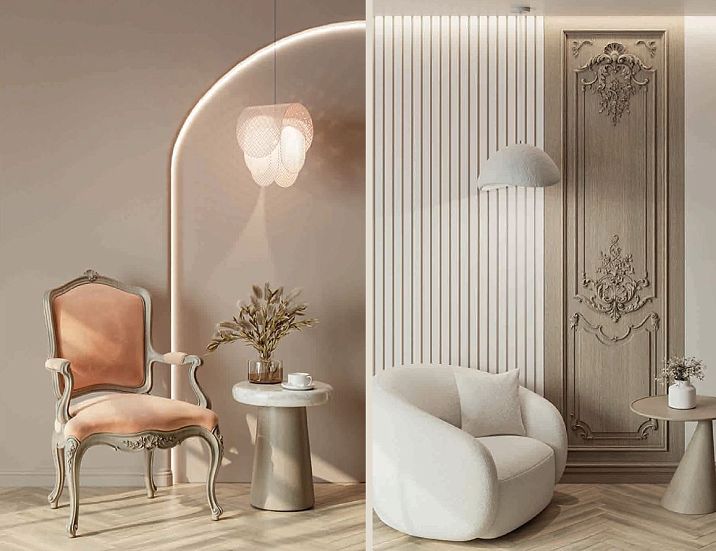
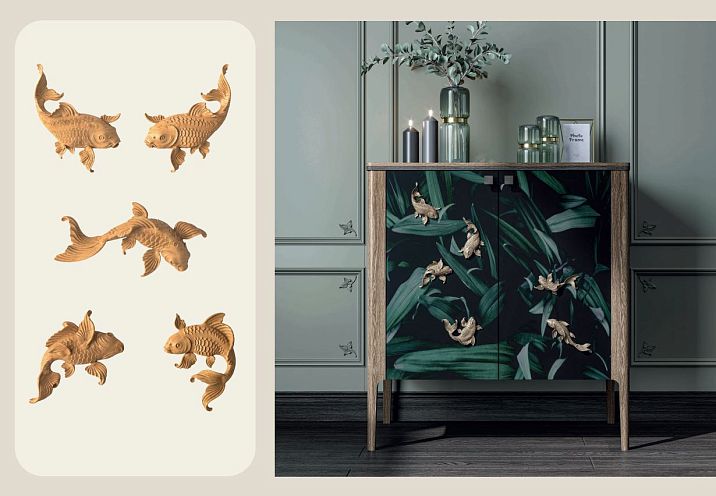
Interior Design It is not only about choosing furniture and accessories, but also a meticulous process of creating a harmonious and individual space that reflects the style and character of the owner. At every stage, from idea to implementation, it is important to consider not only aesthetic preferences but also the functionality of the interior.
In this article, we will discuss the key stages of creating interior solutions, the processproduction of decorative elements, as well as how to select or order custom interior items that will highlight the uniqueness of your home.
1. Stages of creating interior design
Creating a stylish and functional interior is a multi-level process that begins with an idea and ends with final finishing and furniture placement.
First stage: Concept development
At this stage, the designer or homeowner determines the overall style and functionality of the room. Factors such as:
● Purpose of the room (living room, bedroom, office, etc.);
● Personal preferences and style of the owner (minimalism, classic, loft, etc.);
● Use of natural materials such as wood, stone, or metal.




Second stage: Selection of interior elements
Interior elements, such as decorative panels, rails, mirrors, and overlays, become key accents that set the overall tone. At this stage, it is important to consider:
● Color palette and textures;
● Combination of materials: wood for coziness, metal for modernity, textiles for warmth;
● Functional zones and their design.
Our factory also produces:
Third stage: Production and ordering
Processinterior production includes the production of decorative elements, furniture, and accessories tailored to the project. Custom orders allow:
● Create furniture according to unique dimensions and design;
● Use rare materials and non-standard solutions;
● Ensure compliance with all project requirements.
Get Consultation
Fourth stage: Project Implementation
At the final stage, decorative elements are installed, furniture is placed, and accessories are arranged. This step gives the space a sense of completion and highlights its uniqueness.
2. Interior Solutions Production: From Idea to Realization
Moderninterior product manufacturing opens up numerous opportunities for designers and owners to create individual projects.
What does production include?
- Furniture manufacturing.
Custom furniture is a unique solution for those who want to obtain functional and stylish items perfectly suited to the room's dimensions and style. - Creation of decorative elements.
Interior elements, such as rails, panels, moldings, and overlays, are made from solid wood, MDF, or other materials. They can be adapted to the project by selecting color, texture, and dimensions. - Material processing.
Production includes carving, painting, lacquering, and other technologies that ensure the durability and aesthetics of the products. - Quality control.
Each element undergoes careful inspection to meet high standards and the client's expectations.
Where to order?
STAVROS Company specializes in producing decorative elements and interior furniture, offering solutions that combine quality, style, and individuality.
3. Sale of Interior Elements: Where to Find Everything Needed?
Creating a unique interior is easier when all necessaryinterior products can be found in one place. The assortment includes:
● Decorative panels and rails for walls and ceilings;
● Custom furniture adapted to any dimensions;
● Decorative overlays and moldings for accent decoration;
● Mirrors, paintings, and other accessories.
Advantages of Choosing Ready-Made Solutions
- Time-saving.
Instead of lengthy searches for all elements, you can find everything needed in one catalog. - Quality Guarantee.
Verified manufacturers ensure the reliability and durability of all products. - Customization Possibility.
You can choose the color, texture, and size of elements so they perfectly match your interior.
4. Interior Elements and Their Significance in Design
Interior elements — these are details that give space completeness and style. They can be both functional and decorative.
Popular Interior Elements
- Decorative Planks.
Used for wall, ceiling decoration and creating partitions. Add texture and volume to the space. - Moldings and Trim.
An excellent way to emphasize a classic style or add elegance to a modern interior. - Mirrors and Paintings.
Placed on walls, they create focal points, add light, and visually enlarge the space. - Furniture and accessories.
Commodes, chairs, tables, and decorative items make the interior functional and cozy.
5. How to Choose Interior Items?
Consider ceiling height, room size, interior style, and functionality.interior items It is important to consider:
● Interior Style. Choose elements that harmoniously match the overall concept of the space.
● Material Quality. Wood, metal, and textiles must be strong and durable.
● Functionality. Items should not only decorate but also be convenient to use.
Results
Interior Design — this is an art that requires attention to detail, quality materials, and a professional approach at every stage: from concept development to selection and installation of elements.
STAVROS Company offers a full range of services: from manufacturing interior items to implementing individual projects. Transform your space with quality, stylish, and unique solutions that will make your home one-of-a-kind!


