












































































Article Contents:
- Philosophy of Russian style in restaurant space
- The soul of Russian hospitality in modern interpretation
- Regional characteristics as a source of inspiration
- Architectural foundations of Russian restaurant design
- Layout solutions: from izbas to boyar halls
- Constructive elements as decor
- Materials and textures: nature as a source of beauty
- Wood — the king of Russian interior
- Stone and ceramics: strength of traditions
- Metallic accents: from utility to beauty
- Color palette of Russian restaurant
- Natural tones as the basis of harmony
- Vivid accents of folk crafts
- Furniture and equipment: traditions in modern execution
- Tables and chairs: the center of restaurant space
- Buffets and counters: function and beauty
- Decorative elements: details that create atmosphere
- Wood carving: poetry in material
- Painting and artistic panels
- Lighting: creating atmosphere
- Natural lighting and its use
- Artificial lighting: technologies serving style
- Textiles and soft elements
- Traditional fabrics in modern application
- Ornaments and embroidery
- Practical aspects of project implementation
- Planning and budgeting
- Supplier and contractor selection
- Step-by-step implementation
- Modern Trends and Innovations
- Technology in service of traditions
- Ecological Aspects
- Marketing aspects of Russian style
- Positioning and target audience
- Unique competitive advantages
- Conclusion
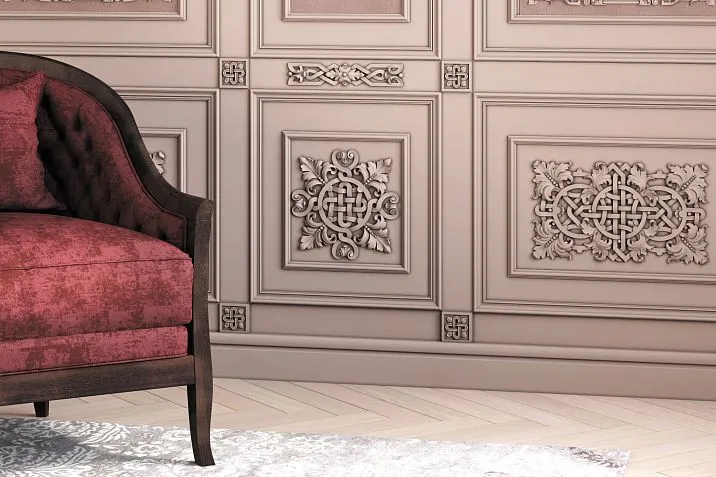
Have you ever noticed how the mood of guests changes when they enter a place where every detail breathes Russian soul? Where carved door frames greet visitors instead of blank walls, and a samovar on an old buffet tells the story of hospitality? Russian-style restaurant interior This is not just a design solution, but a powerful tool for creating a unique brand capable of turning an ordinary meal into an unforgettable cultural event.
In the era of globalization, when restaurants around the world become similar to one another, a national style becomes a competitive advantage. Russian style in restaurant design is an opportunity to stand out among thousands of establishments, create a recognizable image, and establish an emotional connection with guests. It is a story told through the language of materials, forms, and colors — a story that compels people to return again and again.
The modern restaurant business has long understood: success is determined not only by the quality of the kitchen, but also by the ambiance of the establishment. What atmosphere could be warmer and more welcoming than that created through the traditions of Russian architecture and decorative arts? Every element of Russian style — from massive wooden tables to delicate carved panels — contributes to creating a special mood, transforming a visit to the restaurant into a small journey into the world of Russian culture.
Philosophy of Russian style in restaurant space




The soul of Russian hospitality in modern interpretation
What makes Russian style in a restaurant so appealing? Primarily, it is a deep understanding that food is not merely a physiological need, but a ritual of communication, a means of expressing care and love. In Russian tradition, the table has always been the center of family and social life — a place where important matters were discussed, deals were made, and celebrations were held.
The warmth of natural materials forms the foundation of this philosophy. Wood of various species — from light birch to dark oak — is not merely a construction material, but a carrier of the energy of living nature. When a guest touches the wooden surface of a table or the back of a chair, they subconsciously feel this connection with nature, which calms and encourages prolonged, unhurried conversation.
Functional beauty is the second principle of Russian style in a restaurant. Here, there is no decoration for decoration’s sake. Every element — from carved inlays on furniture to wrought iron fixtures — has a practical purpose, yet delights the eye with the perfection of its form. This creates a sense of wholeness and harmony, which modern visitors, weary from the chaos of urban life, deeply appreciate.
The multi-layered perception makes Russian interiors especially interesting for the restaurant business. On the first visit, the guest notices the overall atmosphere; on the second — begins to examine details; on the third — discovers new decorative elements. This ability of the interior to “unfold” gradually is a powerful tool for building customer loyalty.
Our factory also produces:


Regional characteristics as a source of inspiration
Russia is a vast and diverse country, and each region has contributed its share to the treasury of national art. For restaurant design, this means an incredibly rich selection of stylistic directions.
Northern Russian traditions attract with their austere beauty and minimalism. Simple geometric forms, restrained color palettes, and a preference for functionality over ornamentation — such an approach is ideal for creating elegant, yet unpretentious interiors. Northern style is especially suitable for establishments specializing in fish cuisine or positioning themselves as venues for business meetings.
Central Russian motifs represent the golden mean between the austerity of the north and the vibrancy of the south. Here, practicality and beauty, tradition and innovation, harmoniously coexist. Famous crafts — Khokhloma, Gzhel, Gorodets painting — provide a rich source of material for creating unique decorative elements.
Southern Russian traditions, with their vividness and festivity, are ideal for family restaurants, establishments with children’s menus, or venues for celebratory events. Abundance of color, floral ornamentation, and influences from Ukrainian and Caucasian traditions create an atmosphere of perpetual celebration.
Get Consultation
Architectural foundations of Russian restaurant design
Layout solutions: from izbas to boyar halls
The organization of space in a restaurant of Russian style should take into account traditional principles of Russian architecture, adapted to the modern needs of the restaurant business.
Centrality of composition is one of the foundational principles. In a traditional Russian home, the hearth was the center around which the family’s life was organized. In a restaurant, this role can be played by a fireplace, a Russian stove, or simply a central bar counter styled appropriately. This not only creates a visual center, but also promotes natural circulation of guests.
Zoning without rigid boundaries allows creating different mood spaces within a single establishment. A grand hall for formal events, cozy alcoves for romantic dinners, a spacious dining room for large groups — all these zones can coexist organically, unified by a common stylistic approach.
Multi-level spatial organization adds dynamism to the interior and allows efficient use of space. Attics, podiums, stepped compositions — all these elements have deep roots in Russian architecture and can be successfully adapted for restaurant spaces.
Constructive elements as decoration
In Russian style, the boundary between construction and decoration is often blurred. Elements necessary for the structural integrity of the building become important components of the interior.
Wooden beams and trusses not only serve a load-bearing function, but also create the characteristic atmosphere of a Russian terem. Modern technologies allow using both natural wood and its high-quality imitations, which are indistinguishable from the original but more practical in use.
Columns and pilasters with carved capitals can zone space without creating a sense of clutter. Russian Style Collection offers numerous options for decorating such elements — from minimalist forms inspired by northern traditions to elaborately decorated styles reminiscent of Moscow Baroque.
Arched openings create smooth transitions between zones and add grandeur to the interior. The shape of arches can vary from simple semicircular to complex pointed arches, characteristic of ancient Russian architecture.
Materials and textures: nature as a source of beauty
Wood — the king of Russian interiors
In Russian-style restaurant interiors, wood plays a leading role. The choice of wood species depends on the concept of the establishment, project budget, and practical considerations.
Oak is a classic choice for prestigious establishments. Its noble texture, rich color palette ranging from light gold to dark brown, and high durability make oak an ideal material for restaurant furniture premium class. Oak tables, chairs, and panels will serve for decades, gradually acquiring a noble patina.
Spruce and pine are more democratic options, yet can look very striking with proper treatment. Coniferous species create a unique atmosphere due to their aroma and distinctive resinous texture. They are ideal for creating interiors in the Northern Russian style.
Birch — a symbol of Russia — brings a sense of freshness and lightness to the interior. Its light wood with a characteristic marbled pattern harmonizes beautifully with bright textile accents and ceramic items from folk crafts.
Linden has traditionally been used for carving and turning. In a restaurant interior, linden carved elements create refined accents without overwhelming the space.
Stone and ceramic: strength of traditions
Stone and ceramic elements in a Russian restaurant interior create contrast with the warmth of wood and add solidity to the space.
Natural stone — granite, sandstone, limestone — is used for flooring, decorative panels, fireplace and stove finishes. Each type of stone has its own character: granite symbolizes strength and reliability, sandstone evokes a sense of antiquity, limestone adds aristocracy to the interior.
Brick — a material with a rich history in Russian architecture. In a restaurant interior, brick walls can serve as accent elements or as a main background. Modern technologies allow for imitation of old brickwork, creating an effect of multi-century history.
Kiln-fired tiles — a unique type of ceramic traditionally used for fireplace cladding. In a restaurant interior, tile panels can become true works of art, telling stories of Russian folk tales or depicting scenes of folk life.
Metallic accents: from utility to beauty
Metallic elements in a Russian restaurant interior should emphasize the crafted and historical nature of the space.
Wrought iron is ideal for creating lamps, candle holders, decorative grilles. Hand-forging gives each item uniqueness and evokes a sense of connection to Russian blacksmithing traditions.
Brass and copper are used to create more refined accents. Samovars, trays, and church utensils made from these metals add nobility and historical authenticity to the interior.
Cast iron — a material for creating massive, solid elements. Cast iron stoves, fireplace accessories, decorative details emphasize the connection to Russia’s industrial traditions.
Color palette of a Russian restaurant
Natural tones as the basis of harmony
The color scheme of a Russian-style restaurant interior should create an atmosphere of warmth and coziness, inviting slow conversation and enjoyment of food.
Wood tones form the basis of the color palette. From light pine to dark chocolate oak — this natural palette creates a calm, harmonious background for bolder accents. It is important to properly combine different wood shades, creating a rich but not cluttered composition.
Earthy tones — ochre, umber, sienna — complement the wood palette, creating a sense of connection to the earth. These colors are ideal for wall finishes, background surfaces, and ceramic items.
White and cream colors symbolize purity and freshness. In a Russian restaurant interior, they are used to create light accents, highlight architectural details, and decorate textile elements.
Vibrant accents of folk crafts
Russian style is unthinkable without vibrant color accents that enliven the calm natural base of the interior.
Red in various shades — from crimson to burgundy — is traditionally associated with Russia. In a restaurant interior, red accents create a sense of celebration and festivity. This can be textiles, ceramics, decorative panels.
Blue — from sky blue to deep indigo — brings a sense of spaciousness and freshness to the interior. Blue accents are especially effective when combined with white — a classic combination of Gzhel painting.
Green in all its variety symbolizes connection with nature. Emerald green accents add freshness and vitality to the interior.
Gold color is used to create the most solemn accents. Gilding on icons, Khokhloma painting, bronze hardware—all these elements add luxury and spirituality to the interior.
Furniture and equipment: traditions in modern execution
Tables and chairs: the center of restaurant space
Furniture in a Russian-style restaurant should not only be beautiful but also maximally functional, taking into account the specifics of the restaurant business.
Dining tables — the foundation of restaurant interior. In Russian style, preference is given to solid tables made of natural wood. Round tables create a more intimate atmosphere and are suitable for small groups. Rectangular tables are more practical for service and allow more efficient use of space. Table sizes should be tailored to the specific needs of the establishment — from compact tables for quick service to large tables for banquets.
Chairs and armchairs should combine comfort with aesthetic appeal. High backs create a sense of security and comfort. Soft upholstery made of natural fabrics — linen, cotton, leather — adds comfort and highlights the quality of the establishment. Carved elements on backs and legs transform utilitarian furniture into pieces of decorative applied art.
Benches and stools — traditional elements of Russian furniture — can be used in restaurant interiors to create a casual atmosphere. They are especially suitable for establishments with a "traktir" or "korchma" concept.
Buffets and display cases: function and beauty
Furniture for storage and display in a Russian-style restaurant serves a dual function — practical and decorative.
Buffets — large cabinets with glass-topped sections — are ideal for displaying beautiful tableware, samovars, decorative items. They create a sense of homey comfort and allow guests to see the richness of Russian material culture.
Display cases — more elegant constructions — are suitable for creating museum-style exhibits within the restaurant. Here, antique items, folk art pieces, and family heirlooms can be displayed, creating a unique atmosphere for the establishment.
Open shelves allow for a lighter, less cluttered atmosphere. They can hold books, ceramic items, potted plants — all of which make the space more lively and homelike.
Decorative elements: details that create atmosphere
Wood carving: poetry in material
Carved elements — the hallmark of Russian style in restaurant interiors — transform utilitarian items into works of art and create a unique atmosphere.
Moldings — traditional elements of Russian architecture — in restaurant interiors can frame not only windows, but also mirrors, paintings, decorative panels. Carved moldings create a rhythmic structure in the interior and unify various elements into a single composition.
Applied elements allow ordinary furniture to become unique works. Carved appliqués on cabinet facades, decorative elements on chair backs, ornamental inserts on tabletops — all of these create a rich decorative environment.
Friezes and cornices with traditional ornaments unite separate interior elements into a single composition. Plant motifs, geometric patterns, stylized depictions of animals and birds tell stories of Russian culture.
Painting and artistic panels
Painted elements in Russian-style restaurant interiors create vivid accents and tell stories.
Khokhloma painting, with its golden swirls and berry motifs, creates a sense of festivity and abundance. Khokhloma motifs can decorate not only tableware, but also furniture, decorative panels, and ceiling structures.
Gzhel painting in blue-and-white tones adds freshness and elegance to the interior. Gzhel motifs are especially effective on large surfaces — walls, ceilings — where they create impressive decorative compositions.
Gorodets painting, with its bright colors and genre scenes, tells stories of Russian folk life. Such painting is especially appropriate in family restaurants, where it is important to create an atmosphere of home warmth.
Palех miniature — the most refined form of Russian painting — can be used to create unique decorative accents. Palех motifs on boxes, panels, decorative inserts transform the restaurant into a real art gallery.
Lighting: creating atmosphere
Natural lighting and its use
Proper organization of natural lighting is critically important for creating a comfortable atmosphere in a Russian-style restaurant.
Large windows with wooden frames not only provide the necessary amount of light, but also create a connection with the outside world. The shape of the frames can vary from simple rectangular to complex multi-part designs, characteristic of Russian architecture from various periods.
Window textiles should not only regulate the amount of light, but also add coziness to the interior. Linen curtains with embroidery, wooden blinds, Roman shades with traditional ornaments — all these elements contribute to creating the style.
Light wells and atriums allow deep restaurant spaces to be filled with light. Glassed-in courtyards in Russian style can become unique zones for banquets and festive events.
Artificial lighting: technology at the service of style
The artificial lighting system in a restaurant should create a multi-level lighting environment suitable for various space usage scenarios.
Chandeliers — central lighting elements — in Russian style should be substantial and expressive. Wooden chandeliers with wrought iron elements, crystal chandeliers in bronze frames, ceramic chandeliers in folk art style — each type creates its own mood.
Wall-mounted lamps create local lighting zones and highlight architectural details. Styled as vintage lanterns, torches, or street lamps, they add historical authenticity to the interior.
Candles and candelabras create a special intimate atmosphere. Real candles in wrought iron candlesticks, LED imitations of candles, candelabras before icons — all these elements contribute to creating a unique atmosphere of a Russian restaurant.
Textiles and soft elements
Traditional fabrics in modern application
Textile decoration plays a key role in creating a cozy atmosphere in a Russian restaurant.
Linen, the foundation of Russian textiles, is ideally suited for restaurant use due to its practical qualities. Linen tablecloths, napkins, curtains are not only beautiful but also easy to wash, do not retain odors, and have antibacterial properties.
Cotton in various weaving patterns provides wide opportunities for creating diverse textile solutions. From fine batiste to dense canvas — each type of cotton fabric finds its application in restaurant interiors.
Wool is used to create warmer, winter interiors. Wool blankets on sofas, carpets with traditional ornaments, upholstered furniture create a feeling of home warmth and comfort.
Ornaments and embroidery
Decorative motifs on textiles tell stories of Russian culture and create a unique atmosphere in the establishment.
Plant motifs — roses, cornflowers, daisies — create a connection with Russian nature. Floral motifs are especially appropriate in summer interiors, on open terraces, in family restaurants.
Geometric patterns have ancient roots and deep symbolic meaning. Diamonds, crosses, spirals create rhythmic compositions and soothe the eye.
Embroidery — a special form of Russian decorative art — can turn simple textile items into works of art. Hand embroidery on tablecloths, napkins, curtains creates a sense of craftsmanship and uniqueness.
Practical aspects of project implementation
Planning and budgeting
Creating a restaurant interior in the Russian style requires careful planning and understanding of all aspects of the project.
Conceptual planning must define the main stylistic directions, target audience, budget constraints of the project. It is important to decide whether this will be a stylization based on a specific historical period or a modern interpretation of Russian traditions.
Technical planning includes developing layout solutions, engineering systems, lighting schemes. Special attention should be paid to ventilation, as natural materials require a special microclimate.
Budget planning must take into account the high cost of quality natural materials and handcrafting. However, investments in a quality interior are offset by creating a unique brand and increasing customer loyalty.
Selection of suppliers and contractors
The quality of project implementation directly depends on the professionalism of the contractors.
An interior designer must not only possess technical skills but also deeply understand Russian culture, history, and traditions. The designer's portfolio must include successfully implemented projects in the Russian style.
Furniture and decor manufacturers must specialize in items in the Russian style. Author collections of decor from professional manufacturers guarantee high quality and compliance with stylistic requirements.
Master woodcarvers and artists must be skilled in traditional techniques and understand the symbolism of Russian ornaments. The quality of handcrafted work determines the uniqueness and value of the interior.
Phased implementation
Proper organization of work is the key to successful project implementation.
The preparatory stage includes dismantling old structures, laying out engineering systems, preparing surfaces. At this stage, it is important to preserve or restore architectural elements that can be used in the new interior.
The main stage includes installing structures, finishing work, and setting up furniture. Work must be carried out in strict sequence to avoid damaging completed elements.
The finishing stage includes installing decorative elements, setting up lighting, and placing accessories. This stage requires special attention to details, as it is precisely the details that create the final impression of the interior.
Modern trends and innovations
Technologies in service of traditions
Modern technologies can significantly simplify the creation and operation of interiors in the Russian style.
Digital modeling allows accurately planning the interior, avoiding mistakes, and showing the client the future result. 3D models help optimize space and material usage.
Modern materials can imitate traditional ones with high accuracy while possessing better performance characteristics. For example, polyurethane decorative elements are indistinguishable from carved wood, but are more durable and require less maintenance.
Automated lighting, climate, and music control systems can be seamlessly integrated into traditional interiors, enhancing comfort without compromising the stylistic integrity.
Ecological aspects
The modern ecological orientation of society affects the development of restaurant design.
Certified materials guarantee ecological safety and sustainable forestry. FSC certification of wood confirms that the material comes from properly managed forests.
Energy-efficient technologies reduce operating costs and demonstrate the business's social responsibility. LED lighting, energy-efficient ventilation, modern insulation materials — all of this can be used without compromising style.
The reuse of vintage elements — antique furniture, architectural details, artworks — not only creates an authentic atmosphere but also contributes to preserving cultural heritage.
Marketing aspects of Russian style
Positioning and target audience
A restaurant in Russian style can attract various groups of visitors, and positioning should take into account their needs.
Cultural tourists seek authentic experiences and are willing to pay for a unique atmosphere. For this audience, historical accuracy and the opportunity to learn something new about Russian culture are important.
Local residents value quality cuisine in a comfortable setting. For them, practical aspects — convenient parking, diverse menu, price-to-quality ratio — are important.
Corporate clients use restaurants for business meetings and corporate events. They need private zones, modern technical equipment, and the ability to hold presentations.
Families with children seek places where everyone in the family can feel comfortable. Children's menu, play areas, safety — these are important factors for this audience.
Unique competitive advantages
Interior in Russian style creates numerous opportunities for differentiation from competitors.
Themed events — folk festivals, master classes in folk crafts, concerts by folk ensembles — can become regular events attracting regular visitors.
Educational component — stories about the history of interior items, meaning of ornaments, traditions of Russian cuisine — adds educational value to visiting the restaurant.
Souvenir products — items of folk crafts, books about Russian culture, branded tableware — can become an additional source of income and a way to extend contact with the brand.
Conclusion
Creating a restaurant interior in Russian style is not just a design project, but a cultural mission to preserve and popularize national traditions. In a world where globalization erases cultural differences, such projects become islands of authenticity, places where people can reconnect with their roots or discover the richness of another culture.
Success restaurant interior in Russian style depends on many factors: deep understanding of traditions, quality of materials used, professionalism of the craftsmen, attention to detail. Each element — from carved appliqués on furniture to patterns on textiles — should not only decorate the interior but also tell a story, creating an emotional connection with visitors.
Modern technologies and materials do not contradict traditional aesthetics but enrich them, making the interior more durable, practical, and safe. The key is to preserve the soul of Russian style — its warmth, hospitality, connection to nature and history.
Investments in a high-quality interior in Russian style pay off not only financially but also culturally. Such restaurants become centers of cultural life, places where dialogue occurs between the past and the present, between traditions and innovations. They cultivate taste, develop aesthetic sensibility, and contribute to preserving cultural heritage.
The future of restaurant design in Russian style is linked to creative reinterpretation of traditions, seeking new forms of expressing national character, integrating modern technologies into traditional aesthetics. In this process, professional manufacturers of decorative elements play a special role, helping to realize the boldest design concepts.
For many years, STAVROS has created decorative elements that help restaurateurs and designers realize dreams of authentic Russian style. The combination of traditional craftsmanship with modern technologies, use of premium materials, and attention to every detail allows creating items that become a pride of any interior. A rich catalog of carved decor, furniture elements, and architectural details provides unlimited creative opportunities, while a professional team is always ready to assist in realizing even the most complex projects.


