Article Contents:
- Finishing Trends 2025: What Completed Projects Show
- Texture Instead of Smoothness
- Natural Materials and Eco-Friendliness
- Slatted Compositions: A Universal Trend
- Return of Classicism in a Modern Interpretation
- Color Solutions: From Nude Palette to Bold Accents
- Combining Materials: Eclecticism as the Norm
- Style Directions 2025: Photo Examples
- Modern minimalism
- Neoclassicism and Modern Classicism
- Scandinavian Style
- Loft and Industrial Style
- Eclecticism and Contemporary
- Boho and Ethnic Motifs
- Functional Zones: Accents and Solutions
- Living Room: TV Zone
- Bedroom: Headboard
- Entryway: First Impression
- Kitchen: Backsplash and Dining Area
- Bathroom: Moisture Resistance and Aesthetics
- Color Trends 2025 in Photos
- Nude Palette
- Terracotta and Earth Tones
- Deep Green Shades
- Blue and Cyan Tones
- Graphite and Black
- Innovative Materials in Completed Projects
- Microcement: Concrete Aesthetic
- Flexible Stone: Natural Texture in Rolls
- Glass and Mirror Panels
- Metallic Accents
- Practical Tips for Choosing Finishes Based on Photos
- Adapting to Your Own Space
- Considering Lighting
- Combining with Furniture and Decor
- Budget Alternatives to Premium Solutions
- Frequently Asked Questions About Choosing Finishes Based on Photos
- Can You Exactly Replicate an Interior from a Photo?
- How to Choose Between Several Appealing Options?
- Is It Worth Hiring a Designer After Viewing Photos?
- How to Avoid the Style Becoming Outdated?
- Where to Find High-Quality Interior Photos?
- STAVROS: Materials for Realizing Inspiration
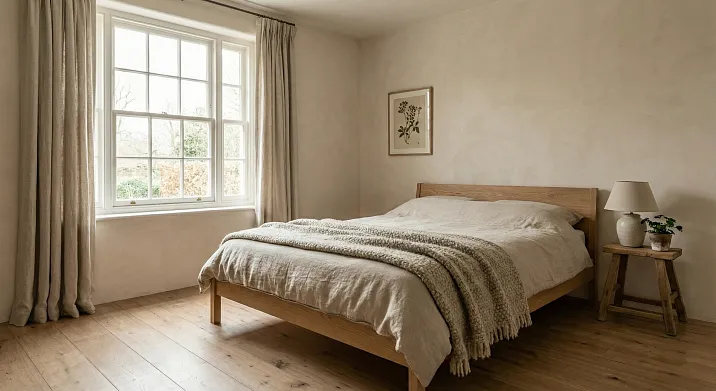




Visual experience is the most powerful tool in the world of interior design. You can spend hours reading about moldings, slats, and decorative plaster, but one high-quality photo of a completed project will say more than any description.Interior Wall Finishes PhotoImages of real objects demonstrate not theoretical possibilities, but practical results — how a material behaves in space, how it interacts with light, how it combines with furniture and decor. It is precisely images that inspire, generate ideas, and help formulate your own vision of the future interior.
The year 2025 has brought many interesting realizations in the field of wall finishing. Designers around the world experiment with materials, textures, colors, creating spaces that reflect modern trends while remaining functional and comfortable.Interior Finishing Design ProjectsProjects of this year show a clear move toward individuality, rejection of clichés, bold mixing of styles and eras. Standard solutions are fading into the past — in their place come unique interiors, where every wall tells a story.


Finishing Trends 2025: What Completed Projects Show
Analysis of hundreds ofcompleted interiorsallows identifying stable trends that define modern aesthetics.




Texture Instead of Smoothness
The era of perfectly smooth painted walls is fading. In 2025, designers actively work with volume, relief, and surface tactility.Decorative Wall Finishes PhotoModern projects demonstrate a variety of textures: from rough plaster with pronounced relief to sophisticated 3D panels with geometric patterns.
Wooden panels with pronounced wood grain, brushed or aged, create a warm natural atmosphere. Relief wallpapers with fabric, leather, or stone imitation add depth.3D Wall Finishingusing gypsum or polyurethane panels transforms a flat surface into a sculptural object.
Texture works on multiple levels: visual (creates an interesting image), tactile (pleasant to touch), acoustic (volumetric surfaces absorb sound better).Examples of Wall Repairshow how texture play transforms even small spaces, making them richer and more interesting.
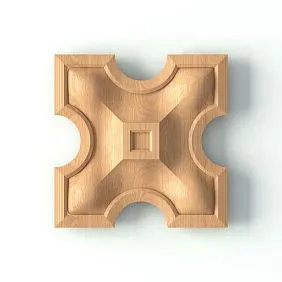
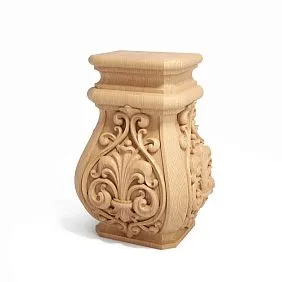
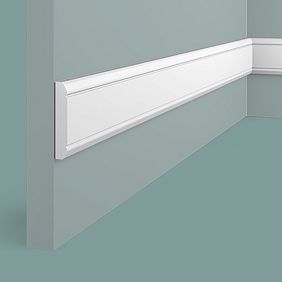
Our factory also produces:



Natural materials and eco-friendliness
The trend toward naturalness is gaining momentum.Wooden wall claddingdominates in 2025 projects. Wood is used in various forms: from traditional siding to innovative slat systems, from massive beams to thin veneered panels.
Stone cladding — natural or high-quality imitation — is present in most premium projects. Marble, travertine, slate, sandstone create a monumental interior base. Cork finishes are returning to fashion thanks to their unique thermal and acoustic insulation properties.
Mineral-based decorative plaster, clay finishes, lime-based compounds — all these materials are not only aesthetically pleasing but also environmentally safe, regulate humidity, and create a healthy microclimate.Wall finishing samplesNatural materials demonstrate that eco-friendliness and luxury are compatible.
Get Consultation
Slatted compositions: a universal trend
Plank wall cladding— an absolute hit of 2025, present in projects of any style and budget. Thin slats made of wood, MDF, or metal, arranged vertically or horizontally, create a graphic rhythm, zone spaces, and visually adjust proportions.
wall finishing with lathsWorks everywhere: in living rooms (TV zone), bedrooms (headboard), hallways (accent wall), bathrooms (moisture-resistant slats), kitchens (dining area zoning). Universality, relative ease of installation, and striking results explain the popularity of this solution.
Variety is immense: slats of different widths and thicknesses, with variable mounting spacing, integrated lighting, painted in any color, made from different materials.Decorative wall panelingAllows creating a unique composition for any project.
The return of classicism in a modern interpretation
Moldings, cornices, and ornamental plaster are returning, but in an updated form. Strict classicism gives way to neoclassicism — lighter, airier, adapted to modern spaces.Wall finishing with moldingsCreates framed compositions, structures the plane, adds architectural character.
Plaster ornaments for wallsBecome accents, not total coverage. One decorative applique with botanical ornament above a door, minimalist moldings framing a panel, a delicate cornice at the wall-ceiling junction — enough to create a classic atmosphere without overloading.
The color of ornamental plaster also changes. Classic white remains popular, but increasinglyPlaster ornament for walls and ceilingsare painted to match wall tones, creating tonal relief, or in contrasting colors — black, graphite, gold, bronze.
Color solutions: from nude palette to bold accents
Neutral base retains its position: beige, gray, white, sand remain background colors in most projects. But monochromatic schemes are softened by accents.Wall finishing photoshows active use of terracotta, olive, deep blue, burgundy tones to create accent walls.
The use of color blocks is popular: walls divided into horizontal or vertical segments of different colors. Or asymmetrical coloring is used — part of the wall in one color smoothly transitions into another.Wall cladding optionsColor becomes increasingly creative.
Gradient (ombre) — transition from light to dark shade or from one color to another — creates dynamism and visually alters the perception of ceiling height. Horizontal gradient expands space, vertical gradient raises the ceiling.
Combining materials: eclecticism as the norm
Monolithic finishes give way to combinations.Wall cladding in an apartmentOften includes several materials on one wall: lower part — wooden panels, upper part — painted surface; left half — patterned wallpaper, right half — smooth plaster; central zone — slats, surroundings — paint.
Combining smooth and textured, matte and glossy, natural and industrial creates visual richness.Decorative wall finishingDifferent types require a sense of proportion, but with a thoughtful approach, they deliver a stunning result.
Style directions for 2025: photo examples
Modern minimalism
Minimalism evolves, becoming softer and cozier.Wall finishing photos in apartmentsMinimalist spaces feature clean lines and precisely balanced proportions, where every element has its place.
Walls are often painted in neutral tones — white, light gray, beige. But one accent surface appears: a light wood slat composition, a graphite-colored wall, or a microcement panel. This restrained accent does not disrupt the minimalist aesthetic but adds individuality.
Wall cladding for paintingIn minimalism, perfection is required: any imperfection will be visible. Therefore, surfaces are brought to an ideal state — multiple layers of putty, sanding, and priming.
Decor is minimal: one large abstract painting, a simple mirror, a few shelves. Walls serve as a calm backdrop for life, not distracting but creating a pleasant visual environment.
Neoclassicism and modern classicism
Classic interiors adapt to modern realities. Heavy moldings are replaced with lighter forms, symmetry is softened with asymmetrical compositions, and rigidity is softened with gentle lines.Interior Wall Finishes PhotoNeoclassical interiors demonstrate elegance without excess.
Moldings create framed compositions on walls, but large frames with minimal detailing. Inside — wallpaper with a delicate pattern, a smooth painted surface in a noble tone, textile panels.Internal decorative wall claddingBoiserie is present, but panels are minimalist, without excessive carving or milling.
The color palette leans toward light tones: cream, beige, light gray, dusty blue, soft green. Dark accents are used sparingly — a dark blue wall in an office, graphite in a bedroom. Gold and bronze in decor add nobility, but not excessively.
Moldings are often polyurethane — lighter, cheaper, easier to install than plaster, but visually indistinguishable.Polyurethane wall claddingAllows implementing classic interiors even in modern homes with low ceilings and thin structural elements.
Scandinavian style
Scandinavia continues to inspire designers worldwide. Light spaces, natural materials, functionality, and coziness — the foundation of the style.Wooden finishing materialsPlay a key role.
Walls are often painted white or very light shades of gray, beige. One wall may be accent — warm gray, muted green, dusty blue.Racks for internal wall claddingWood from light species (pine, beech, whitewashed oak) fits perfectly into Scandinavian aesthetics.
Wooden panels — planks, imitation beams — are used in fragments: a wall behind the headboard, an accent in the living room. Wood in natural tones without dark stains. Texture is emphasized by transparent oils or matte varnishes.
Wallpaper in Scandinavian interiors is rare. If used, it features natural motifs: botanical prints, abstract patterns in muted tones. More often, it’s just paint — eco-friendly, water-based, breathable.
Loft and industrial style
Urban aesthetic remains popular, especially in city apartments and studios.Examples of Wall RepairIn loft interiors, they show a combination of rough and refined textures.
Concrete — the king of lofts. Microcement creates the effect of a monolithic concrete surface without seams. Decorative plaster mimicking concrete — a budget alternative. Real unfinished concrete is rarely left — it’s cold and dusty, but visually very striking.
Brickwork — the second pillar of industrial style. Real old brickwork — the ideal, but it’s rare. More often, decorative brick, ceramic tiles, or wallpaper with a brick photo print is used.Plaster wall finishingDecorative brick made of gypsum or polymer — a compromise between authenticity and practicality.
Metallic elements — patinated steel panels, brass inserts, corrugated aluminum — add an industrial character. Wood in lofts is rough, brutal — untreated boards, weathered beams, large panels in dark tones.
Color palette: gray in all shades, black, white, rusty tones, dark wood. Bright accents are possible, but sparingly — a brick-red wall, a bright poster, colorful furniture.
Eclecticism and Contemporary
Mixing styles — a characteristic feature of modern design.Decorative wall finishing optionsHere, boundaries are limitless: classical moldings coexist with slat panels, Venetian plaster with industrial metal, damask-patterned wallpaper with concrete surfaces.
The main thing in eclecticism — a unifying idea. This may be a color palette (all elements in one tone, regardless of material differences), a recurring motif (geometry appears in wallpaper patterns and panel shapes), or conceptual connection (all elements refer to a specific era or culture).
Wall finishing and decorationIn eclectic interiors, it requires boldness and taste. But the result rewards: a unique space, unlike any other, reflecting the owner’s individuality.
Boho and ethnic motifs
Boho returns in a renewed form — less chaotic, more structured, yet retaining its free spirit. Walls in boho interiors — textures, patterns, colors.
Textile panels, wall macrame, drapes create softness and coziness. Wallpapers with Eastern, African, and Latin American motifs add ethnic character. Wooden elements — carved panels, shutters, beams — bring in natural warmth.
Colors are bright but not loud: terracotta, mustard, emerald, indigo, ochre. Walls are often painted in saturated tones, followed by decoration with textiles, mirrors, and wall panels.
Boho plasterwork can be rough and intentionally uneven — this emphasizes the handmade, non-glossy nature of the style.Wall room finishingIn boho style — it’s always a story assembled from travels, finds, and personal preferences.
Functional zones: accents and solutions
Living room: TV zone
The TV wall is the main focus of the living room.wall finishing with lathsIn the TV zone — the most popular solution for 2025. Racks create a graphic background, between them you can install hidden lighting, conceal wires.
Alternatives: 3D panels with geometric relief, stone (natural or artificial), contrasting color painting, large-format marble-effect ceramic tiles. Some projects show the use ofornamental wall decorationsMoldings create a frame around the TV zone, integrating technology into a classic interior.
Practical note: the material should be neutral, not distracting from the screen. Too active a pattern or bright color will compete with the image on the TV. Better to use calm tones and delicate texture.
Bedroom: headboard
The wall behind the bed — the second most important area for accent finishing.Internal wooden wall finishesIn the headboard, they create a cozy, intimate atmosphere.
Soft panels with carriage molding — classic for bedrooms. Textile upholstery is pleasant visually and tactilely, and adds sound absorption. Modern interpretation — panels with geometric shapes, asymmetrical compositions, combinations of different materials (part — soft panel, part — wood, part — mirror).
Wallpapers with large-scale patterns — floral, abstract, geometric — create visual interest.Wall finishing with wood photoThe use of wooden planks, rails, and panels in bedrooms — this adds natural warmth.
Moldings in the headboard — a neoclassical technique. A molding frame inside — wallpaper, painted surface, textile insert. This adds architectural character and structures the space.
Entryway: first impression
The entry zone sets the tone for the entire residence.Decorative corridor wall finishingIt should be both striking and practical.
Stone or its imitation in the lower part of the wall (up to 1–1.5 m) — a practical solution: easy to clean, resistant to mechanical impacts. The upper part — wallpaper, paint, plaster. This horizontal zoning is visually interesting and functional.
Vertical rails in a narrow corridor visually raise the ceiling. Horizontal rails — expand the space. Mirrored inserts between rails add light and visually increase the area.
Dark walls in the hallway — a bold but effective solution. Graphite, dark blue, emerald create a dramatic effect, especially with quality lighting. But they require impeccable cleanliness — any dust is visible on dark surfaces.
Kitchen: backsplash and dining zone
The kitchen’s working zone requires practicality. Ceramic tiles, ceramic tiles, tempered glass — standard solutions. But here too there is room for creativity: tiles with geometric patterns, gradient mosaics, glass with photo prints.
The dining zone can be finished differently. Washable wallpapers with patterns, walls painted in contrasting colors, wooden panels — all of this highlights the dining area, making it cozier.Wall Finishing ElementsIn the dining zone, they can be more decorative and less utilitarian.
Moldings on kitchen walls — an unexpected but elegant technique. Framed compositions enhance the space, especially in classic and neoclassical interiors.
Bathroom: moisture resistance and aesthetics
Marble-effect large-format ceramic granite — top choice for premium bathrooms. Minimal joints, luxurious texture, moisture resistance. Mosaic for decorative panels, shower zones, niches.
Microcement — an innovative solution. Creates a seamless concrete surface without joints, completely waterproof.Decorative interior wall finishing priceApplied over tiles, but the result is impressive.
polyurethane decorCan be used even in wet zones. Polyurethane moldings, cornices, and trim pieces are moisture-resistant and add elegance even to utilitarian bathrooms.
Color Trends 2025 in Photos
Nude Palette
Beige, sandy, cream, warm gray — the foundation of most modern interiors. These colors are calm, universal, and create a sense of cleanliness and spaciousness.Wall finishing photoIn the nude palette, it shows how sophistication is achieved through apparent simplicity.
The nuance in the nude palette — the play of shades. Walls are not monochromatic but multi-layered: a base beige is mixed with warmer or cooler undertones, and tonal accents are added. This creates depth without using bright colors.
Terracotta and earth tones
Terracotta, ochre, rust, clay — warm earth tones are gaining popularity. They create a cozy, enveloping atmosphere, evoking nature, and pair well with wood and stone.Wall cladding optionsTerracotta tones are especially effective in bedrooms and living rooms.
Terracotta works well as an accent color: one wall is terracotta, the others are light beige. Or the lower half of the wall is terracotta, the upper half is cream. This adds warmth without overwhelming.
Deep green shades
Olive, emerald, khaki, swamp — natural green tones are trending in 2025. They soothe, create a connection with nature, and pair well with wood, brass, and beige tones.
A dark green wall in an office or library creates an atmosphere of focus. A muted olive in a bedroom — relaxation. A bright emerald in a living room — luxury and freshness.
Green color requires quality lighting. In poorly lit rooms, it may appear gloomy. But with sufficient light, it reveals its full beauty.
Blue and blue tones
From dusty blue to deep indigo — the blue spectrum is present in many projects. Blue is associated with sky, sea, freshness, and purity.Wall finishing photos in apartmentsShows the use of blue shades in bathrooms (naturally), bedrooms (calming), and living rooms (creating cool elegance).
Dark blue — an alternative to black. It provides depth but not as dramatically. Light blue visually expands space, making it feel airier.
Graphite and black
Dark walls — a trend for bold personalities. Graphite, anthracite, black create dramatic, intimate interiors.Wall finishing samplesDark shades require impeccable lighting.
A black wall can serve as a backdrop for art collections, bookshelves, and decorative objects. On a dark background, everything appears brighter and more contrasting. This is a museum technique adapted for residential interiors.
Important: not all walls should be dark. One or two dark surfaces in a light space create an accent. All walls dark — risk ending up with a gloomy den.
Innovative materials in realized projects
Microcement: concrete aesthetics
Microcement — a decorative coating 2–3 mm thick, creating a monolithic concrete effect. Completely moisture-resistant, seamless, and can be applied to any substrate.Decorative wall finishing for interiorsmicrocement — a sign of modern design.
Used in bathrooms, kitchens, living rooms, hallways. Creates an industrial aesthetic, but can be painted in any color, tinted, or patinated. Universality and durability explain its growing popularity.
Flexible stone: natural texture in rolls
Thin slices of natural stone on a textile base — an innovation of recent years. Flexible stone has all the visual qualities of natural stone (unique texture, color), but is flexible, lightweight, and easier to install.
Used for wall, column, and curved surface cladding. Can be cut with a knife and adhered to any substrate. Provides the effect of a stone wall without the weight and complexity of installing real stone.
Glass and mirror panels
Glass in wall cladding — not only a functional solution (kitchen skins), but also decorative. Tinted glass, glass with photo printing, sandblasted patterns create visual effects.
Mirror panels — a classic way to visually expand space. Modern interpretation — not solid mirrors, but mirror inserts, beveled panels, tinted mirrors (bronze, graphite, rose gold).
Metallic accents
Copper, brass, and steel panels add an industrial or glamorous character (depending on finish). Patinated copper, matte brass, mirror-finish stainless steel — each creates its own atmosphere.
Used in fragments: metal inserts in slat compositions, panels behind bar counters, accent in hallways. Solid metal walls are rare, too cold and aggressive.
Practical tips for choosing finishes based on photos
Adaptation to your own space
Seeing a beautiful interior photo, it's important to understand: your space is different. Ceiling height, area, lighting, layout — all of this affects how the chosen solution will look.Interior Finishing Design ProjectsAs shown in the photo, implemented under specific conditions.
Dark walls are magnificent in spacious living rooms with panoramic windows. In a small dark room, they will create a crypt-like feeling. Large patterned wallpaper is effective on large walls, but will feel oppressive in a small room. Scale your ideas to fit your reality.
Lighting Consideration
Interior photos are often taken by professional photographers under ideal lighting. In reality, lighting may differ. A north-facing room with insufficient light requires light warm tones. A south-facing room, bathed in sunlight, can accommodate dark and cool tones.
Artificial lighting is also critical. Wall color under warm incandescent light and under cool LED light differs. Test selected shades under different lighting types.
Combination with furniture and decor
Wall cladding — the backdrop for life. It should harmonize with furniture, textiles, and decor. If you have bright furniture, walls should be neutral. If furniture is minimalist and calm, walls can be more active.
Furniture style and cladding style should harmonize. Classic furniture requires classic cladding (moldings, stucco) or a soft modern background. Modern furniture looks great against slat, smooth painted walls, or microcement.
Budget alternatives to premium solutions
It's not always possible to implement expensive ideas. But budget alternatives exist.Decorative wall finishing pricePolyurethane decor is significantly cheaper than gypsum with a similar visual effect.
Instead of natural stone — quality imitation. Instead of Venetian plaster — decorative paint with effect. Instead of solid wood boiserie — MDF panels with routed detailing. The result will differ, but with proper execution, the impression will remain worthy.
Frequently asked questions about choosing finishes based on photos
Can you exactly replicate an interior from a photo?
Exactly — unlikely. Conditions differ: layout, lighting, availability of specific materials. But you can create a similar atmosphere using similar techniques, materials, and colors. Photos are a source of inspiration, not a blueprint for exact replication.
How to choose between several liked options?
Create a mood board — a collage of liked images. Look for commonalities: colors, materials, styles. This will help you understand your true preferences. Then evaluate the practicality of each option for your space.
Is it worth hiring a designer after viewing photos?
If you feel uncertain, a designer will help. They will adapt liked ideas to your space, calculate materials, and oversee execution. For simple solutions, you can handle it yourself; for complex ones, professional assistance is advisable.
How to avoid the chosen style becoming outdated?
Choose classic solutions with modern accents instead of fleeting trends. Neutral base + interchangeable accents — the formula for a long-lasting interior. Basic finishes can last decades, while accents (textiles, decor, painting one wall) are easily updated.
Where to find quality interior photos?
Professional design portals (Houzz, Behance, ArchiDaily), Instagram accounts of designers and architects, manufacturer websites (often featuring photo galleries of completed projects), Pinterest for collecting ideas.
STAVROS: materials for bringing inspiration to life
Viewing beautiful photos inspires the desire to create something similar in your own space. STAVROS is a company that helps turn inspiration into reality, providing materials to realize the boldest design ideas.
STAVROS assortment includes everything needed to create interiors of any style:Sculptural decorationsand moldings for classic styles, wooden planks for modern spaces, bouclé for luxurious residences, 3D panels for avant-garde projects. The product range is selected to enable the implementation of trending solutions for 2025.
STAVROS consultants will help select materials matching your inspiring photo. They will consider the specifics of your space, suggest adapting the idea to real conditions, calculate required material quantities, and recommend optimal installation methods.
STAVROS offers solutions across a wide price range — from budget-friendly options to premium items. This allows you to realize your preferred design regardless of financial constraints, selecting materials of appropriate quality and cost.
STAVROS service is not only about selling materials, but also comprehensive support: consultations during selection, assistance with visualizing results, delivery, and installation recommendations. For those who saw an ideal interior in a photo and wish to bring it to life, STAVROS is a reliable partner providing tools to realize the dream of a beautiful home.