Article Contents:
- What makes an interior elite: the anatomy of luxury
- Architectural elements as the foundation of status
- Quality of materials versus quantity of decor
- Color solutions and lighting
- Expensive designer furniture: what to pay attention to
- Premium segment materials
- Handcrafted work and individuality
- Classic vs. Modern
- Key items for investment
- Ceiling moldings are expensive: myths and reality
- Polyurethane as a worthy alternative to plaster
- How to create a beautiful ceiling with moldings
- Choosing a ceiling cornice
- Ceiling rosettes: accent around the chandelier
- Coffered ceilings: luxury of multi-level compositions
- Wall moldings: vertical continuation of ceiling decor
- Pilasters and Columns: Vertical Accents
- Savings Strategies Without Losing Quality
- Setting priorities
- Combining materials
- Painting and decorating
- Long-term Planning
- The role of lighting in creating an elite atmosphere
- Multi-Level Lighting System
- Molding backlighting
- Color temperature and dimming
- Combining furniture and architectural decor
- Style Compatibility
- Ornamental echoes
- Scale and proportions
- Common mistakes when creating an elite interior
- Overloaded with decoration
- Mismatched Scale
- Neglecting installation quality
- Ignoring lighting
- Mixing Incompatible Styles
- Practical tips for choosing and purchasing
- Where to buy elite furniture
- Choosing moldings and decor
- Working with a designer
- Current trends in elite interiors
- New classic
- Natural materials
- Individuality and Customization
- Ecological sustainability and development
- Answers to popular questions
- How much does it cost to decorate an interior with molding?
- Can You Install Moldings Yourself?
- How to care for wooden furniture?
- Does painted molding fade?
- Is molding suitable for a modern interior?
- How to choose a color for molding?
- Is it worth investing in antique furniture?
- Can polyurethane and gypsum molding be combined?
- Conclusion: Create beauty wisely

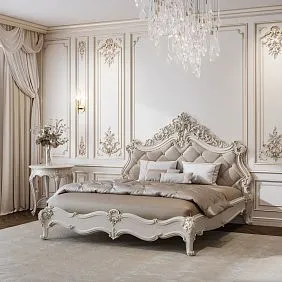
An elite interior is associated with luxury, which requires colossal investments. However, professional designers know that the impression of premium is created not so much by the price of materials as by the ability to work with architectural elements, proportions, and quality details. A competent approach allows for a status space without breaking the budget. Let's examine howexpensive designer furnitureand decorative molding turn an ordinary home into respectable apartments, and what solutions help achieve maximum effect with reasonable costs.


What makes an interior elite: the anatomy of luxury
The elitism of a space is determined by several factors that work together. It is impossible to create a premium interior by investing only in furniture and forgetting about architectural decor, or vice versa. Balance is important.




Architectural elements as the foundation of status
The first thing that distinguishes an expensive interior from a budget one is the well-developed architecture of the room. Flat white ceilings and bare walls instantly reveal cost-cutting, even if the room contains furniture worth a car. Architectural details—cornices, moldings, rosettes, pilasters—create volume, rhythm, and a sense of history. They shape the character of the space even before the first piece of furniture is brought in.
The ceiling deserves special attention. In standard apartments, it is usually ignored: a stretch fabric or paint—and that's it. In elite interiors, the ceiling becomes the fifth wall, decorated with the same care as the other surfaces. Perimeter cornices, a central rosette around the chandelier, coffered compositions, multi-level structures with lighting—these solutions instantly elevate the status of the room.
Our factory also produces:


Quality of materials versus quantity of decor
A common mistake when creating an expensive interior is the desire to fill the space with the maximum number of decorative elements. The result is the opposite: overload creates a sense of bad taste, regardless of the price of individual items.
The elite approach is based on the principle: less is more, but of impeccable quality. One truly luxurious piece of furniture will make a greater impression than a dozen mediocre ones. Restrained but meticulously executed molding looks more expensive than an abundance of stamped, cheap decor.
Quality is evident in the details: perfectly fitted molding joints, even coating without drips, clear carving relief, symmetry of composition. Professional installation costs money, but it is precisely what turns good materials into a work of art.
Get Consultation
Color solutions and lighting
The palette of elite interiors tends toward complex, noble shades. Instead of pure white—milky, creamy, ivory. Instead of bright gold—muted brass, bronze with patina. Instead of saturated colors—dusty, powdered tones.
Multi-level lighting is critically important. A central chandelier, perimeter lighting behind cornices, local fixtures, floor lamps—different light sources create depth, reveal textures, and emphasize the relief of the molding. An expensive interior is never illuminated by a single ceiling chandelier.
Expensive designer furniture: what to pay attention to
Investing in quality furniture pays off with decades of comfortable use and timeless relevance.Elite designer furniturediffers from mass-produced models in several parameters.
Premium segment materials
The foundation of expensive furniture is solid wood from valuable species. Oak, walnut, ash, cherry, mahogany have expressive texture, dense structure, and durability. Such wood undergoes lengthy drying to avoid deformation and cracks. After processing and finishing, it acquires a deep, vibrant color and a silky surface.
In premium furniture, particleboard and MDF are used sparingly and only in the highest grades, with impeccable edge finishing and quality veneering using valuable wood species. Fronts are covered with natural veneer featuring a matched grain pattern that creates symmetrical compositions.
Hardware is a separate matter. Cheap drawer slides, flimsy hinges, and peeling handles can ruin the impression of even the most expensive furniture. Premium manufacturers install mechanisms with smooth operation, soft-close systems, and high-quality concealed hinges. Handles are made from brass, bronze, or solid wood, have substantial weight, and a pleasant texture.
Handcrafted work and individuality
Mass-produced furniture, even of good quality, remains faceless.Premium designer furnitureoften incorporates handcrafted elements: wood carving, painting, patination, gilding. A master craftsman creates unique details that cannot be replicated on an assembly line.
Customization capability is a hallmark of the elite segment. The client chooses dimensions to fit a specific room, finish shade, hardware type, and decorative details. The furniture is created specifically for that interior, taking into account all spatial features and the owner's wishes.
Classic vs. Contemporary
The question of style depends on personal preferences and the interior concept. Classic furniture gravitates towards historical models: Baroque with lavish carving and gilding, Empire with antique motifs, English classic with restrained elegance. Such pieces require appropriate architectural framing—moldings, cornices, high ceilings.
Contemporary designer furniture can be no less expensive and status-worthy. Minimalist forms, innovative materials, complex engineering of mechanisms, and the work of renowned designers—all this defines premium status in a modern key. However, support from architectural elements is also important here: sleek cornices, geometric moldings, well-considered room proportions.
Key items for investment
Not all furniture requires the same level of investment. A sensible strategy is to invest in key, visible pieces, while selecting high-quality but less expensive items for secondary ones.
The dining table is the centerpiece of the dining area, where family and guests gather. A substantial table made of solid natural wood, with expressive grain and impeccable craftsmanship, can serve for generations. A solid wood tabletop, turned or carved legs, and transformation capability are signs of a quality piece.
Dining chairs and armchairs shape the impression together with the table. Upholstery made of genuine leather or designer fabrics, a sturdy frame, comfortable ergonomics, and elements like carving or tufting (capitonné) are details that signal premium quality.
A sideboard or display cabinet in a classic interior becomes a focal point. Glass doors with beveled glass, interior lighting, carved decoration, patination—such a piece emphasizes the status of the setting.
A console or chest of drawers in the hallway is the first thing guests see. Investing in a striking piece with a marble or wooden top, quality hardware, and interesting design pays off in the impression it creates.
The bed and nightstands in the bedroom can be more modest in appearance, but not in quality. A sturdy frame, a comfortable mattress, and well-thought-out ergonomics are more important than decorative aspects.
Expensive ceiling moldings: myths and reality
The phrase 'expensive ceiling moldings' evokes associations with exorbitant bills for handcrafted plasterwork for many. However, modern technologies and materials allow for achieving a luxurious result at reasonable costs.
Polyurethane as a worthy alternative to plaster
Traditional plaster moldings are an art form requiring a sculptor's work, long production times, and complex installation. Their cost is indeed high, and their weight places a load on structures. Modern polyurethane moldings are visually indistinguishable from plaster ones after painting but surpass them in practical characteristics.
Polyurethane has minimal weight, simplifying installation and allowing its use even on suspended ceilings. The material is moisture-resistant, does not deform from temperature and humidity fluctuations, and does not crack due to building settlement. Installation is done with adhesive without complex fastenings, saving time and money.
The main advantage is the availability of a wide range of ready-made elements. Manufacturers offer hundreds of models of cornices, rosettes, moldings, and coffers in various styles. There's no need to order custom fabrication—you can select suitable elements from a catalog and install them quickly.
How to create a beautiful ceiling with moldings
Designing a ceiling composition requires an understanding of proportions and stylistic patterns. Incorrectly chosen moldings can ruin the impression of the entire interior.
Choosing a ceiling cornice
The cornice is a basic element present in most interiors with molded decor. Its width should relate to the room's height. For standard ceilings of 2.7-3 meters, cornices 80-120 mm wide are suitable. For high rooms from 3.5 meters, wide cornices 150-250 mm with rich relief are appropriate.
The cornice profile defines the style. Classic cornices have a complex shape with multiple levels of relief, ornaments, and modillions. Neoclassical ones are more restrained, with geometric elements. Contemporary ones are sleek, often smooth or with minimal profiling.
A cornice with integrated lighting creates a floating ceiling effect. An LED strip mounted behind it provides soft, diffused light. This visually raises the ceiling, adds airiness to the space, and accentuates the molding relief.
Ceiling rosettes: accent around the chandelier
Ceiling rosetteIt serves two functions: practical - conceals the chandelier mounting point and wires, and decorative - creates a spectacular framing for the light fixture. The diameter of the ceiling medallion is chosen proportionally to the size of the chandelier and the area of the room.
For compact rooms up to 20 square meters, ceiling medallions with a diameter of 40-60 cm are sufficient. For spacious living rooms and halls of 30-50 square meters, medallions of 80-120 cm are suitable. In formal rooms with high ceilings, giant medallions with a diameter of up to 150 cm are used.
The ornament of the ceiling medallion should echo the style of the cornice and the overall concept. Floral motifs - grapevines, oak leaves, roses - are characteristic of classic and baroque styles. Geometric patterns, palmettes, meanders - for neoclassicism and empire style. Concise concentric circles - for modern interiors.
Coffered ceilings: the luxury of multi-level compositions
Coffers are recesses or imitations of recesses on the ceiling, framed by moldings. A classic coffered ceiling creates an impression of palatial luxury. Previously, such ceilings were made of wood or plaster and required serious construction work. Today, coffers are assembled from polyurethane moldings in just a few days.
The geometry of coffers can be square, rectangular, or diamond-shaped. Square coffers are classic and universal, suitable for rooms of regular shape. Rectangular coffers visually elongate the space in the desired direction. Diamond-shaped ones create a dynamic pattern.
The inner part of a coffer can be painted in a contrasting color, covered with patterned wallpaper, or finished with decorative plaster. The center of each coffer is sometimes adorned with a small ceiling medallion. Such a multi-layered composition creates depth and richness of texture.
Wall moldings: the vertical continuation of ceiling decor
Ceiling stucco requires support on the walls, otherwise the composition looks unfinished.MoldingsWall moldings solve this task by creating framed compositions, panels, and surrounds.
The classic scheme is dividing the wall into three parts: plinth, main field, frieze. The lower part up to a height of 70-100 cm is framed by a molding, forming a panel. It can be painted a different color or clad with wood. The main field from the panel to the frieze remains the primary background. The frieze - the upper part of the wall under the ceiling - is highlighted by a horizontal molding.
Within the main field, frames are created - rectangular or square, framed by thin moldings. Inside the frames, wallpaper, fabric, decorative plaster, or painting are placed. This scheme visually structures the space, creates rhythm, and adds volume.
Moldings also frame door and window openings, mirrors, paintings, and wall panels. They create visual connections between different interior elements, unifying the space into a single composition.
Vertical elements create grandeur, emphasize the height of the building, and organize the rhythm of the facade.
For high-ceilinged rooms with an ambitious classical interior, pilasters and columns are appropriate.pilasters and columnsA pilaster is a flat vertical detail imitating a column, which is attached to the wall. A column is a three-dimensional element, standing separately or adjacent to the wall.
Pilasters visually divide the wall into sections, create rhythm, and emphasize the height of the ceilings. They consist of three parts: base at the bottom, shaft in the middle, capital at the top. The capital is adorned with carvings in accordance with the chosen order - Doric, Ionic, Corinthian.
Polyurethane pilasters and columns are lightweight and easy to install. They are attached with adhesive and then painted the desired color. An imitation of marble columns can be created by coating the polyurethane with special paints that have a stone effect.
Savings strategies without compromising quality
Creating an elite interior does not necessarily mean unlimited spending. A competent approach allows for budget optimization while maintaining a high level of results.
Setting Priorities
Determine which rooms and zones are most important. The living room, dining room, master bedroom - spaces seen by guests and where more time is spent - deserve the main investments. Utility rooms, dressing rooms, technical zones can be decorated more modestly.
Within each room, identify focal points - areas that catch the eye upon entry. This could be a wall with a fireplace, the dining area, the headboard of the bed. Concentrate the decor and expensive elements precisely there. Decorate the remaining areas neutrally.
Combining materials
It is not necessary to have all furniture custom-made from solid wood. You can purchase key items - a dining table, sideboard, bed - from a premium manufacturer, and secondary items - closed cabinets, technical cabinets - choose quality serial products made from MDF.
Similarly with stucco: for main elements - cornice, central ceiling medallion - choose detailed pieces with rich relief. Secondary wall moldings can be simpler and cheaper, the main thing is to maintain stylistic unity.
Painting and Decorating
High-quality painting of polyurethane stucco can make it visually indistinguishable from expensive plaster. Techniques like patination, gilding, artificial aging add a sense of history and nobility to the elements. These works cost less than the price difference between plaster and polyurethane, but provide a comparable visual effect.
Furniture is also amenable to decoration. An ordinary MDF chest of drawers, painted in a noble shade and complemented with quality brass handles and carved overlays, will look significantly more expensive than its actual cost.
Long-term planning
Create the interior in stages. It is not necessary to furnish all rooms completely at once. Start with the living room and dining room, invest in architectural decor and key furniture items. Add the bedroom a year later. A gradual approach allows you to spread out expenses over time and avoid compromising on quality for the sake of a quick result.
Invest in timeless solutions. Classic architectural stucco, quality wooden furniture do not go out of fashion for decades. Fleeting trends in colors and decor are better implemented through easily replaceable elements - textiles, accessories, wall paint.
The role of lighting in creating an elite atmosphere
Even the most expensive furniture and exquisite stucco are lost in improper lighting. Light is a tool that reveals the beauty of details, creates volume, and shapes the mood.
Multi-level lighting system
The central chandelier is an important decorative element, but insufficient for full illumination. Additional sources are needed: wall sconces, floor lamps, table lamps, recessed spotlights, LED lighting.
Sconces are placed symmetrically on both sides of mirrors, fireplaces, paintings. They create local lighting accents, emphasize wall architecture, and add coziness. In classic interiors, choose sconces with fabric shades, crystal pendants, brass or bronze bases.
Floor lamps in relaxation areas — by armchairs, sofas — provide comfortable lighting for reading. Tall floor lamps with directional light highlight sculptures, plants, decorative objects.
Molding lighting
LED strip behind the ceiling cornice creates soft perimeter glow that visually raises the ceiling. Light reflects off the ceiling surface and diffuses, creating a floating effect. The cornice relief is illuminated from below, revealing details of the ornament.
Spotlights directed at the ceiling rosette or coffered composition create dramatic play of light and shadow. Deep reliefs cast rich shadows, convex elements catch light — the ceiling transforms into a three-dimensional painting.
Lighting niches containing sculptures, vases, decorative objects turns them into an exhibition. Soft light from within the niche creates a glow that attracts the eye.
Color temperature and dimming
Warm light with a temperature of 2700-3000K creates a cozy, relaxing atmosphere, suitable for living spaces. Neutral white 4000K is closer to daylight, used in work areas. Cold light 5000K and above is unsuitable for residential interiors — creates a sterile feeling.
Brightness adjustment capability (dimming) is critically important. During the day, bright lighting ensures comfort; in the evening, subdued light creates an intimate atmosphere. Dimmers are installed on all main light sources — chandeliers, sconces, lighting.
Combination of furniture and architectural decor
Harmony between furniture and architectural elements is key to interior integrity. They should echo in style, scale, ornamentation.
Stylistic correspondence
Classic FurnitureFurniture in Baroque, Empire, Rococo styles requires corresponding molding. Opulent cornices with rich ornamentation, large rosettes with plant motifs, coffers, pilasters with Corinthian capitals create an architectural frame for luxurious furnishings.
Neoclassical furniture with more restrained decor harmonizes with laconic molding of geometric shapes. Straight lines of moldings, symmetrical compositions, moderate relief support furniture elegance without competing with it.
Modern furniture requires caution with molding. Excessively opulent decor creates dissonance. Better to choose minimalist cornices, simple moldings, abandon rosettes in favor of built-in lighting. Or consciously play with contrast — combine ultra-modern furniture with classical architecture, creating an eclectic interior.
Ornamental echoes
If furniture features carved decor — plant ornamentation, geometric patterns — it's desirable to find molding with similar motifs. Grapevine on a buffet echoes grapes on the cornice. Geometric inlay on a tabletop mirrors geometry of coffers.
Such visual rhymes create a sense of thoughtfulness, connecting different interior elements into a unified whole. Space begins to sound like a symphony where different instruments play a coordinated melody.
Scale and proportions
Massive furniture in a spacious room requires corresponding architecture. Wide cornices, large rosettes, tall pilasters create monumentality proportionate to the furniture. Modest molding will get lost against imposing cabinets and dressers.
In compact rooms with medium-sized furniture, delicate molding with small cross-section looks more harmonious. It emphasizes architecture without overloading the space.
Common mistakes when creating a luxury interior
Even with a budget, it's easy to make mistakes that spoil the result. Let's examine typical errors.
Over-decorated
The desire to demonstrate affluence leads to excess decorative elements. A room where every surface is decorated with carving, gilding, molding, with numerous furniture pieces and accessories, looks overloaded and tasteless.
Luxury interior is built on the principle of restraint. Space must breathe. Pauses between decorative accents are as important as the accents themselves. Empty walls, free surfaces, air around furniture — signs of high taste.
Mismatch in scale
A huge rosette on a low ceiling, massive furniture in a small room, miniature moldings in a spacious hall — proportion violations immediately catch the eye. It's important to correlate element sizes with room dimensions.
There are approximate proportions: cornice width should not exceed 1/20 of wall height, rosette diameter — about 1/3 of chandelier diameter, molding width for wall panels — 50-80 mm for standard rooms.
Neglecting installation quality
Even the best materials lose value with careless installation. Crooked molding joints, gaps in corners, uneven painting, visible fasteners — all reveal unprofessionalism and cheapen the interior.
Molding installation and furniture placement require skill. It's worth hiring qualified specialists who will perform the work flawlessly. Saving on installation leads to disappointment.
Ignoring light
Beautiful molding in poor lighting does not reveal its beauty. The relief is only visible with side or directional light that creates shadows. Under diffuse overhead lighting, ceiling decor appears flat.
Plan lighting at the design stage. Consider how each decorative element will be illuminated. Cove lighting behind cornices, spotlights on rosettes, sconces for wall panels—all of this should be included in the electrical plan.
Mixing incompatible styles
Eclecticism is the art of combining different styles, but it requires a subtle sense of proportion. Baroque molding with minimalist furniture, Empire furniture with loft finishes can work if a unifying element is found—color, material, scale.
But chaotic mixing for the sake of originality usually leads to visual noise. If you are not confident in your ability to combine different styles, stick to a single style. Classic molding with classic furniture, modern architecture with modern furnishings—these are fail-safe options.
Practical tips for choosing and purchasing
Moving from theory to practice, it is important to know where to find quality materials and how to choose them correctly.
Where to buy luxury furniture
Specialized showrooms working with trusted manufacturers offer quality guarantees and service. You can view samples, touch materials, and receive designer consultations. Custom furniture is made to your dimensions and requirements.
Buying directly from the manufacturer offers a price advantage. Many furniture factories have showrooms where their products are displayed.Furniture from the manufacturereliminates retail markups and allows you to discuss details directly with the craftsmen.
Antique shops are a source of unique items with history. Restored antique furniture possesses a special aura that cannot be replicated. However, expert appraisal is required to assess authenticity and condition.
Choosing molding and decor
Polyurethane molding manufacturers offer catalogs with hundreds of models. It is important to pay attention to material quality: density, clarity of relief, absence of voids and deformations. Cheap molding made from recycled materials has a porous structure and blurred ornamentation.
Buying as a set—cornice, rosette, moldings from the same collection—ensures stylistic unity. Manufacturers develop collections with coordinated designs where all elements harmonize with each other.
The possibility of painting and decorating expands its application. White primed molding is a universal base that can be painted any color, patinated, or gilded according to the interior concept.
Working with a designer
A professional interior designer is an investment that pays off. A specialist will help avoid mistakes, create a project considering all nuances, select furniture and materials, and coordinate contractor work. The result will be harmonious, well-thought-out, and aligned with your wishes and budget.
A designer has access to professional catalogs, knows reliable suppliers, and can obtain discounts. Often, savings on purchases offset the cost of their services.
Current trends in luxury interiors
The world of interior design is constantly evolving. Understanding current trends helps create a space that looks modern and fresh.
New classic
Classical style is experiencing a renaissance, but in a lighter, modernized version. Molding is present but restrained. Furniture has classical forms but without excessive carving and gilding. Colors are soft, pastel. The overall impression is elegance without pretentiousness.
This approach allows combining classical architecture with modern comfort. High ceilings with molding and comfortable upholstered furniture, historical decor and modern technology, tradition and relevance.
Natural materials
Wood, stone, and natural fabrics are returning to luxury interiors. People are tired of plastic and synthetics and want to surround themselves with natural materials. Solid wood furniture, stone countertops, linen textiles, and wool carpets create a sense of connection with nature.
This trend also extends to molding. Polyurethane remains a practical choice, but there is an effort to paint it as naturally as possible, imitating the texture of plaster or stone. Wooden moldings, solid wood picture frames complement wooden furniture.
Individuality and customization
Standard interiors are becoming a thing of the past. Clients want uniqueness; they want the space to reflect their personality. Furniture is custom-made, molding is assembled into individual compositions, and unconventional colors are selected.
Manufacturers respond to this demand by offering customization services. You can order furniture based on your sketches, combine different molding elements, and create unique finishes.
Ecological Sustainability
Luxury today is associated not only with opulence but also with responsibility. Furniture made from certified wood, eco-friendly paints and varnishes, energy-efficient lighting—these are signs of a modern premium interior.
Polyurethane, unlike plaster, does not require large-scale extraction of natural resources, is durable, and is recyclable. Quality furniture lasts for decades without ending up in landfills. This approach combines beauty and responsibility.
Answers to Popular Questions
How much does it cost to decorate an interior with molding?
The cost depends on the area of the room, the complexity of the composition, and the quality of materials. On average, a ceiling cornice around the perimeter of a 20-square-meter room with a rosette will cost 15-25 thousand rubles, including materials and installation. A coffered ceiling or wall panels are more expensive — 30-50 thousand rubles per room. This is significantly cheaper than plaster molding, which would cost 3-5 times more.
Can plasterwork be installed independently?
Simple elements — straight cornices, moldings — can be installed independently if you have the tools and are careful. Complex compositions, coffers, and rosettes require experience. Incorrect corner cuts and uneven joints will ruin the impression. It's better to entrust the work to professionals.
How to care for wooden furniture?
Wipe with a dry or slightly damp soft cloth. Avoid aggressive cleaning agents and abrasives. Once a year, treat with special wood care products or natural wax. Protect from direct sunlight, excessive humidity, and sudden temperature changes.
Does painted stucco fade?
High-quality interior paints are lightfast and retain their color for years. Avoid direct sunlight on painted surfaces. If necessary, the molding can be repainted — polyurethane holds new layers of paint excellently.
Is molding suitable for a modern interior?
Yes, if you choose laconic forms. Simple cornices without ornamentation, geometric moldings, and minimalist profiles fit perfectly into modern interiors. They add architectural interest without creating a historical feel.
How to choose a color for molding?
White molding is universal, creating a play of light and shadow due to its relief. Molding painted the same color as the walls blends in, leaving only the relief visible. Contrasting molding is a graphic solution that attracts attention. Patinated or gilded molding is for classic interiors.
Is it worth investing in antique furniture?
Antiques are an investment that can appreciate in value. High-quality vintage pieces are unique, possess history, and feature impeccable craftsmanship. However, expert appraisal is required, restoration can be expensive, and not all antique furniture is comfortable for modern use.
Can polyurethane and plaster molding be combined?
Yes, after painting they are visually indistinguishable. You can use plaster for exclusive central elements and polyurethane for mass-produced ones — cornices, moldings. This optimizes the budget without losing visual quality.
Conclusion: Create beauty wisely
An elite interior is the result of a thoughtful approach, where every element contributes to the overall concept.expensive designer furnitureand exquisite molding create a space that pleases the eye, evokes admiration, and is comfortable for living. At the same time, sensible planning, the right choice of materials, and working with professionals allow you to achieve an impressive result without exorbitant expenses.
Invest in quality, not quantity. Choose timeless solutions that won't go out of style. Trust proven manufacturers and craftsmen. Don't be afraid to create a unique space that reflects your individuality. The result will exceed expectations if every decision is made consciously, with an understanding of the goals and possibilities.
The company STAVROS has been helping to create luxurious interiors for over twenty years, offering a wide range ofof furniture and interior items, decorative elements made of wood and polyurethane. STAVROS's own production guarantees consistent quality, customization options, and affordable prices. The STAVROS catalog features thousands of items:Classic Furnituremade from solid oak and beech,ceiling rosettesand cornices,moldings for coffersand wall panels,pilasters and columns, carved decor,picture framesand much more. STAVROS specialists will help you select elements for your project, calculate the required quantity, and organize delivery to any region of Russia. By choosing STAVROS, you choose reliability, quality, and professionalism. Create dream interiors together with STAVROS — embody luxury wisely!