












































































Article Contents:
- Philosophy of choice: why wood conquers time
- Beech: rose gold of carpentry art
- Technological features of working with beech
- Gazebos as temples of rest: the role of wooden balusters
- Wood species for outdoor use
- Design Solutions: From Classic to Avant-Garde
- Production technologies: from traditions to innovations
- Innovative Processing Technologies
- Assembly and mounting: basics of durability
- Care and maintenance: Preserving beauty for years
- Economic aspects: investment in quality
- Ecological aspects: Responsibility to nature
- Trends in development: looking into the future

Imagine a summer evening at a country house. You ascend the stairs to the second floor, your hand glides over the smooth handrail, and your gaze involuntarily settles on the elegant vertical supports that transform an ordinary functional structure into a work of art. Or you are relaxing in a cozy gazebo, where every element of the railing creates a sense of protection and beauty simultaneously. What unites these moments? Wooden balusters — those very architectural elements capable of transforming any space.
In the world of modern construction, where technologies develop at dizzying speed, wood remains an unshakable symbol of reliability, warmth, and natural beauty. Wooden balusters do not merely serve as supports — they become the connecting link between practicality and aesthetics, between safety and beauty.
Each wood species tells its own unique story. Beech, with its soft pinkish hue and uniform texture, creates an atmosphere of refined elegance. Oak demonstrates strength and longevity, and its expressive texture adds character to any interior. Ash attracts with its light palette and exceptional strength, perfectly suited for creating reliable structures.






Philosophy of choice: why wood conquers time
In an era of synthetic materials and high-tech solutions, a natural question arises: why does wood continue to be the preferred choice for creating balusters? The answer lies not only in its physical properties but also in the deep connection between humans and nature.
The ecological purity of wood is becoming an increasingly important factor in the modern world. Unlike plastic or metal, wood does not emit harmful substances, creating a healthy atmosphere in the home. Moreover, wood has a unique ability to regulate air humidity, absorbing excess moisture and releasing it when necessary.
The tactile sensations from touching a wooden surface cannot be replaced by any artificial material. The warm, living texture of wood creates a sense of comfort and coziness, especially important in relaxation areas such as gazebos or stair spaces.
The versatility of processing allows creating balusters of any complexity — from simple geometric forms to intricate carved compositions. Modern wood processing technologies open up limitless possibilities for realizing design ideas.
The durability of properly treated wood is measured in decades. With proper care, wooden balusters can serve more than half a century, retaining their functionality and beauty.
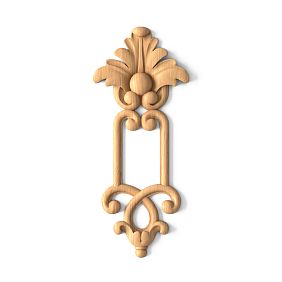
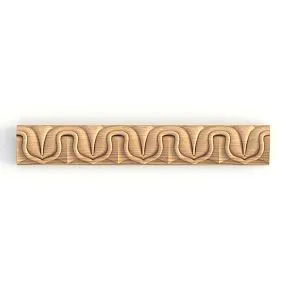
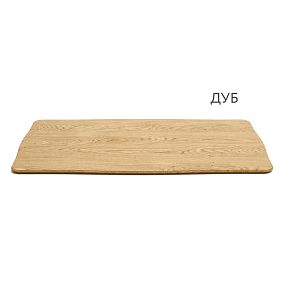
Our factory also produces:



Beech: rose gold of carpentry art
Among the many wood species used for making balusters, beech occupies a special place. This species combines exceptional technical characteristics with unique aesthetics, making it the ideal choice for creating elegant stair constructions.
The physical properties of beech are remarkable. The density of the wood is 650-700 kilograms per cubic meter, providing high strength at relatively low weight. The Brinell hardness reaches 3.8 units, allowing the creation of thin decorative elements without the risk of breakage.
The texture of beech is characterized by remarkable uniformity and fine grain. Annual rings are weakly expressed, creating a uniform surface without sharp color transitions. This feature makes beech an ideal material for staining and tinting, allowing to achieve any desired shade.
The natural color palette of beech ranges from light cream to soft pink. Over time, the wood acquires a richer color, which only adds to its nobility. This natural patina makes beech balusters even more attractive over the years.
The workability of beech is unmatched among hardwoods. The wood easily accepts turning, milling, and carving, allowing the creation of complex decorative elements. Especially impressive results can be achieved when beech is steamed, as the material becomes pliable and can take on curved forms.
When it comes to creating refined interiors, beech balusters for stairs become the optimal choice due to their unique characteristics.
Get Consultation
Technological features of working with beech
Working with beech requires a deep understanding of the characteristics of this species. Drying is a critically important stage, as beech is prone to warping under improper conditions. The optimal moisture content of finished products should be 8-12 percent, achieved through gradual drying in specialized chambers.
Size stabilization of beech is achieved through controlled reduction of moisture. The process may take 3 to 6 weeks depending on the thickness of the blanks. Modern drying complexes allow precise control of temperature and humidity, preventing the appearance of cracks and deformations.
Protective treatment of beech has its nuances. This species readily absorbs protective compositions, ensuring deep penetration and long-term protection. However, it is important to use compositions that do not alter the natural color of the wood if maintaining the natural shade is desired.
Finishing of beech balusters can vary from transparent varnishes to colored enamels. Due to the wood's fine-pored structure, any coatings adhere evenly and last long. Beech balusters coated with white enamel look especially striking — such a solution creates a sense of lightness and elegance.
Pergolas as temples of rest: the role of wooden balusters
A pergola is not just an architectural structure — it is a place where time slows down, where one can retreat from the bustle and enjoy communion with nature. In creating an atmosphere of coziness and security, wooden balusters play a key role, transforming a simple structure into a true temple of rest.
The functional purpose of balusters in a pergola goes far beyond simple support for railings. They create a visual boundary between the interior space of the pergola and the surrounding world, not isolating completely, but providing a sense of privacy and security.
The aesthetic role of balusters in a pergola is difficult to overestimate. The rhythmic repetition of vertical elements creates a musical quality in architectural composition. Each baluster becomes a note in the symphony of space, and their collective form — a melody that resonates in harmony with the natural surroundings.
Climate requirements for balusters for pergolas are significantly higher than for interior elements. Constant exposure to atmospheric precipitation, temperature fluctuations, and ultraviolet radiation — all of this requires a special approach to material selection and processing technology.
Choosing Balusters for pergolas made of woodIt is important to consider not only aesthetic preferences but also practical requirements for operation in outdoor conditions.
Wood species for outdoor use
Larch is rightfully considered the queen among species for outdoor use. High resin content provides natural protection against moisture and pests. The density of larch reaches 600-700 kg/m³, ensuring high structural strength.
The color palette of larch varies from golden-yellow to reddish-brown tones. Over time, under the influence of ultraviolet radiation, the wood acquires a noble silver sheen, which only adds to its attractiveness.
Oak remains the standard for durability and reliability. Its density can reach 800 kg/m³, and its high tannin content provides natural protection against rot. Oak balusters can serve for decades without losing their functional qualities.
The oak texture with distinct annual rings creates an expressive pattern that becomes even more contrasting after staining. This allows creating balusters with a unique appearance.
Ash is attracted by its strength and elasticity. This species withstands dynamic loads and temperature deformations well. The light shade of ash creates a sense of freshness and purity, especially important for pergolas.
Cedar possesses unique antiseptic properties due to its high content of essential oils. Cedar balusters are not only beautiful but also beneficial — they create a healthy microclimate in the pergola, repelling insects and filling the air with healing phytoncides.
Design solutions: from classic to avant-garde
Modern diversity of styles in architecture and interior design provides limitless opportunities for creative approaches to baluster design. Each style dictates its own rules, but wood as a material can adapt to any requirements.
Classic style requires strict adherence to proportions and canonical forms. Balusters in classic style often imitate miniature columns with a base, shaft, and capital. Precise elements create play of light and shadow, adding volume and expressiveness.
For classic interiors, noble species — oak, beech, ash — are preferred. Finishing usually emphasizes the natural beauty of wood using transparent varnishes or light toning.
Baroque style allows the master to fully express their imagination. Complex twisted forms, plant ornaments, mascarons — all of this finds expression in baroque balusters. The technique of through carving creates delicate compositions that seem weightless despite the material's mass.
Modernism introduces natural motifs and asymmetry into baluster design. Stylized plant forms, smooth lines, organic contours — all of this is characteristic of balusters in the modernist style. Especially striking are compositions imitating plant stems or sea waves.
Modern minimalism offers concise forms with emphasis on material quality and flawless execution. Simple geometric profiles, smooth surfaces, natural wood texture — these are the main principles of minimalist design.
Scandinavian style emphasizes naturalness and functionality. Balusters in Scandinavian style usually have simple forms and light shades. Preference is given to species with fine grain — beech, birch, ash.
Ethnic styles allow embodying cultural traditions of various peoples. Russian carving with its plant ornaments, Japanese minimalism, African motifs — each culture contributes its own element to the art of baluster creation.
Production technologies: from traditions to innovations
Modern production of wooden balusters represents a remarkable synthesis of centuries-old carpentry craftsmanship and advanced technologies. This union allows creating items that combine the soulfulness of handcrafted work with the precision of machine production.
Raw material preparation begins with careful selection of wood. For manufacturing high-quality balusters, only radially sawn boards are used, ensuring maximum dimensional stability and minimal tendency to warp.
The moisture content of blanks should be reduced to 8-12 percent depending on the wood species and operating conditions. The drying process is carried out in special chambers with controlled microclimate, preventing the appearance of cracks and deformations.
Mechanical processing of modern balusters is performed on high-precision CNC equipment. Lathe machines allow creating complex profiles with accuracy to tenths of a millimeter, ensuring perfect repeatability of items in a series.
Milling centers are used to create flat carved elements and complex three-dimensional compositions. Modern software allows optimizing tool movement trajectories, minimizing processing time and improving surface quality.
Hand finishing remains the most important stage in producing exclusive items. Experienced masters perform final sanding, create unique decorative elements, and control the quality of each baluster.
Traditional tools — chisels, rasps, sanding blocks — allow creating that unique liveliness of surface which distinguishes handcrafted work from machine-made. It is precisely at this stage that the baluster acquires its individuality.
Finishing includes several stages of protection and decoration. The antiseptic treatment protects wood from biological influences. Priming creates an even base for final coatings. Lacquering or staining gives the item its final appearance and provides long-term protection.
Innovative processing technologies
Thermomodification of wood allows improving its properties without using chemical substances. Treatment with steam at 160-220°C alters the wood structure, making it more stable and resistant to moisture.
Thermally modified wood practically does not deform with changes in humidity and acquires a beautiful dark tone. This is especially important for balusters used in conditions of variable humidity.
Pressure impregnation ensures deep penetration of protective substances into the wood structure. Modern equipment allows creating pressure up to 15 atmospheres, ensuring penetration of protective compositions to a depth of up to 20 millimeters.
Laser engraving opens new possibilities for decorating balusters. The precision of the laser beam allows creating the finest ornament details, inaccessible by traditional carving methods. Computer control ensures perfect pattern repeatability.
3D milling allows creating balusters of the most complex shapes based on 3D models. This technology is especially effective in manufacturing exclusive items with unique designs.
Installation and mounting: foundations of durability
The quality of wooden baluster installation largely determines the durability and safety of the entire structure. Properly executed mounting ensures system stability for decades, while installation errors may lead to premature failure even of the highest quality items.
Preparing the base is a critically important installation stage. The surface must be perfectly flat and strong. For wooden bases, humidity should not exceed 12 percent. Concrete bases must be fully dried and treated with waterproofing compounds.
Marking installation locations requires high precision. Deviations in distances between balusters create visual discomfort and may lead to problems during handrail installation. Laser levels and special templates are used to ensure marking accuracy.
Mounting methods vary depending on the base material and operating conditions. For wooden bases, the most reliable connection is using wooden dowels with additional fixation by glue.
Metal screws provide maximum connection strength, especially important for balusters subjected to significant loads. Threaded connections allow adjusting tension and compensating for possible deformations.
Sealing connections is especially important for outdoor structures. Moisture penetration into connections may lead to mold growth and wood destruction. Special sealants, retaining elasticity over a wide temperature range, are used.
Installing handrails completes the installation of the railing system. Handrails must be securely fastened to each baluster and form a single rigid structure. Properly installed handrails distribute loads among all balusters, significantly increasing the overall system strength.
Care and Maintenance: Preserving Beauty for Years
Wooden balusters, like any items made of natural material, require regular maintenance to preserve their functional and aesthetic qualities. Proper maintenance can extend the service life of items several times and preserve their original beauty.
Regular cleaning is the foundation of care for wooden balusters. Dust and dirt not only spoil the appearance but may also contain abrasive particles damaging the protective coating. Cleaning should be done with soft materials using special wood care products.
Interior balusters require dry or slightly damp cleaning once a week. Outdoor structures require more frequent cleaning, especially during leaf fall or after dusty rains.
Controlling wood moisture is especially important for interior balusters. Sudden changes in air humidity may cause deformation and cracking. The optimal indoor air humidity is 40-60 percent at a temperature of 18-22 degrees.
Updating protective coatings should be done according to the manufacturer's recommendations. The frequency of updates depends on operating conditions and coating type. Lacquer coatings usually require updating every 5-7 years, oil-based coatings every 2-3 years.
Signs of the need to update the coating include loss of gloss, appearance of matte spots, small cracks, or chips. Timely updating prevents moisture penetration into the wood and development of more serious problems.
Preventive repair includes eliminating minor damages before they develop into serious defects. Minor scratches can be removed by light sanding and local application of coating. More serious damages require professional repair.
Seasonal maintenance of outdoor balusters includes preparation for winter and spring inspection after snow melting. In autumn, all connections must be cleaned of leaves and debris, the condition of coatings checked, and preventive treatment carried out if necessary.
In spring, a thorough inspection of all elements is conducted, strength of fasteners checked, and possible damages incurred during winter are eliminated.
Economic Aspects: Investment in Quality
Choosing wooden balusters is not just purchasing construction material, but a long-term investment in beauty, comfort, and property value. Proper budget planning will help maximize return on invested funds.
Initial costs for high-quality wooden balusters may seem significant compared to budget alternatives. However, analysis of total ownership cost shows the economic efficiency of quality items in the long term.
Baluster cost depends on wood species, processing complexity, order volume, and delivery region. Items made from premium species with hand-carved details may cost several times more than standard precision-cut pine balusters.
Operational costs of high-quality wooden balusters are minimal with proper care. Regular cleaning and periodic updating of protective coatings are the main maintenance expenses.
Modern protective coatings last 5-7 years, significantly longer than coatings of previous generations. Maintenance cost does not exceed 3-5% of initial cost per year.
Impact on property value may be very significant. High-quality wooden balusters create an impression of solidity and good taste, positively influencing property valuation by potential buyers.
Unique design solutions can become a landmark feature of the property and significantly increase its market appeal. Investments in quality architectural elements often pay off when selling real estate.
Cost savings on replacement are achieved due to the longevity of quality items. While cheap balusters may require replacement every 5-10 years, high-quality wooden items last 30-50 years with proper care.
The costs of dismantling old and installing new balusters may be several times greater than the difference in initial cost between quality and budget items.
Ecological aspects: responsibility toward nature
In the modern world, ecological issues are gaining increasing importance, and the choice of building materials is no exception. Wooden balusters from responsibly managed forests represent an environmentally responsible solution.
Renewability of resources is the main advantage of wood over synthetic materials. With proper forest management, wood harvesting does not harm the environment and contributes to the healthy development of forest ecosystems.
Modern forest certification standards, such as FSC (Forest Stewardship Council), guarantee sustainable management of forest resources. Choosing certified wood, consumers support responsible forestry.
The carbon footprint of producing wooden balusters is significantly lower compared to metal or plastic analogs. Wood absorbs carbon dioxide during growth and continues to store carbon throughout the product's lifespan.
The production of wooden items requires significantly less energy compared to metallurgy or the chemical industry. This reduces the overall ecological footprint of the product.
The biodegradability of wood ensures environmentally safe disposal of items at the end of their service life. Unlike plastic, which can take hundreds of years to decompose, wood fully returns to the natural cycle.
Old wooden balusters can be recycled into other items or used as biomass fuel, creating a closed-loop resource utilization cycle.
The impact on the microclimate of rooms is an additional ecological advantage of wooden balusters. Wood regulates air humidity, creating more comfortable and healthy living conditions.
Natural phytoncides emitted by some wood species possess antibacterial properties and positively affect human health.
Trends in development: looking toward the future
The industry producing wooden balusters is constantly evolving, adopting new technologies and responding to changing market needs. Understanding current trends will help make a choice that remains relevant in the long term.
Personalization of design is becoming a key trend in the premium segment. Customers increasingly demand unique solutions that reflect their individuality and lifestyle.
Modern 3D modeling technologies allow clients to participate in the design process, making changes to the design and seeing the result in virtual reality. This significantly increases customer satisfaction and reduces the risk of misunderstanding.
Integrating technology opens new possibilities for baluster functionality. Built-in LED lighting transforms stair railings into lighting elements, creating striking lighting scenarios.
Smart home systems can be integrated with stair structures, providing automatic control of lighting and security. Motion sensors embedded in balusters activate various systems when a person approaches.
Ecological innovations include using renewable energy sources in production, applying eco-friendly protective coatings, and developing waste recycling technologies.
Biodegradable coatings based on vegetable oils and waxes replace synthetic compositions, ensuring ecological safety without compromising protective properties.
Automation of production increases quality and reduces the cost of items. Robotic systems ensure high precision in processing and stable parameters of finished products.
Artificial intelligence optimizes production processes, predicts possible defects, and automatically adjusts processing parameters. This is especially important for complex items, where the cost of error is high.
The development of online sales is changing traditional trading models. Virtual showrooms allow customers to evaluate products without leaving home. Augmented reality technologies help visualize balusters in specific interiors.
Online configurators allow customers to create baluster designs themselves and receive instant cost estimates. This speeds up decision-making and increases customer satisfaction.
Quality wooden balusters are an investment in the beauty, safety, and longevity of architectural solutions. They can transform any space, whether it’s an elegant staircase in a home or a cozy gazebo in the garden. The right choice of wood species, quality manufacturing, and professional installation guarantee that these items will delight the eye and serve faithfully for decades.
In a world where technology develops at an incredible speed, wood remains a symbol of constancy, reliability, and connection with nature. Choosing wooden balusters means choosing not just a building material — but a philosophy of life that values quality, beauty, and harmony with the surrounding world.
STAVROS is a recognized leader in producing high-quality wooden balusters of various types and purposes. Years of experience, deep understanding of the properties of different wood species, and the use of advanced technologies enable the creation of items that meet the highest standards of quality and durability. STAVROS’ team of professional craftsmen combines traditional woodworking techniques with innovative approaches, creating balusters capable of meeting the most demanding requirements. A wide product range, including both standard solutions and exclusive custom-made items, allows finding the optimal solution for any architectural style and budget. A comprehensive approach to solving client problems, including consultation, design, production, and installation, makes STAVROS a reliable partner for creating architectural masterpieces that will adorn homes for many years.


