Article Contents:
- Role of the Surround in Interior Design
- Advantages of wood
- Structural elements
- Design Styles
- How to Choose a Surround to Match the Interior
- Examples of decoration with STAVROS products
- Common Mistakes and Tips
- Installation and Technical Recommendations
- STAVROS Advantages
- Conclusion
The fireplace is not just a source of heat, but the true heart of the home, around which the entire interior composition is built. It is the focal point of attention, a gathering place for family and guests, a symbol of the home hearth in its original understanding. However, the fireplace itself is merely a functional element. It is only wooden fireplace surround that transforms it into a true architectural masterpiece, fills the space with warmth and coziness, and gives the interior a sense of completeness and character.
In the world of modern design, where natural materials and eco-friendliness are so highly valued, a wooden fireplace surround is no longer just a decorative element, but an expression of a lifestyle philosophy, a pursuit of authenticity and harmony with nature. The company STAVROS, specializing in solid wood products, offers solutions where aesthetics, functionality, and exceptional craftsmanship are seamlessly combined. This enables the creation of unique interior compositions, where the fireplace becomes not just a source of heat, but a central element of the architectural ensemble.


Role of the Surround in Interior Design
The fireplace in modern interiors has long ceased to be merely a functional element. Today, it is the central point of composition around which the entire space is arranged. It sets the tone, defines the style and character of the room, becoming its signature. And it is precisely the surround that plays a key role in how the fireplace will be perceived within the overall context of the interior.
A wooden fireplace surround serves as a kind of frame for the emotions and images created by the living fire. It structures the space, highlights the fireplace area, and gives it significance and completeness. A well-chosen surround can visually alter the proportions of the room: making it more majestic, cozy, or refined, depending on the chosen style and scale.
Why is wood the best material for a fireplace surround? The answer lies in the very nature of this material. Wood possesses a unique energy—it is warm and alive, unlike cold stone or impersonal plastic. It creates a sense of coziness and security, which is essential for the home hearth zone. Moreover, wood has a rich history of use in architecture and interior design, allowing for surrounds to be created in various styles—from classic to modern minimalism.
Fireplace Molding Wooden surrounds made from natural wood have another important advantage: they can evolve over time, acquiring a noble patina that only enhances their beauty. Unlike many modern materials that lose their appeal over time, quality wood becomes even more beautiful with age, gaining depth and character.
A wooden surround also allows for visual and tactile connection between the fireplace and other interior elements: furniture, doors, baseboards, decorative beams. This creates a sense of cohesion and thoughtful design, where every detail is in its proper place and contributes to the overall concept.




Advantages of Wood
Choosing wood for a fireplace surround is determined not only by aesthetic considerations but also by a range of practical advantages of this material. Above all, wood is a natural, eco-friendly material that does not emit harmful substances and creates a healthy microclimate in the room. In an era of growing attention to the ecological quality of housing, this is becoming an increasingly important factor when selecting materials for interiors.
Wood possesses unique thermal and acoustic insulation properties. It is capable of retaining the heat of the fireplace and distributing it evenly throughout the room, thereby increasing the energy efficiency of the entire structure. In addition, a wooden surround absorbs sound, making the atmosphere around the fireplace more intimate and cozy.
Modern wood processing technologies allow significantly increased durability and resistance to external influences. Special impregnations protect the wood from moisture, mold, insects, and other factors that may negatively affect its condition. Properly treated wood can retain its qualities for decades, making it an investment in the future of your interior.
The company STAVROS uses three main types of wood for producing its products: oak, beech, and ash. Each has its own characteristics and advantages.
Oak is a classic choice for a fireplace surround. It is characterized by high strength, expressive texture, and a noble golden hue. An oak surround creates a sense of solidity and tradition, perfectly suited for classic interiors and the country style. Over time, oak develops an even deeper and richer color, further enhancing its appeal.
Beech is characterized by a more uniform structure and a light, slightly pinkish hue. It is easy to work with, allowing for the creation of complex-shaped items with fine detailing. A beech surround appears lighter and more modern, harmonizing well with minimalist interiors and Scandinavian style.
Ash occupies a middle ground between oak and beech. It has an expressive texture but a lighter shade than oak. Ash is distinguished by high elasticity and resistance to mechanical impacts, making it an ideal material for creating complex architectural elements. An ash surround suits a wide range of interior styles—from neoclassicism to modern eco-style.
Our factory also produces:


Structural Elements
Creating a harmonious wooden fireplace surround requires the use of various architectural elements, each serving a specific function within the overall composition. Let us consider the main components that can be used to create an expressive and stylistically cohesive surround.
Wooden beams are one of the key elements of the fireplace surround. They are located at the top of the structure and serve as a finishing architectural accent. The cornice can be simple and minimalist in modern interiors or richly decorated in classic styles. It is important that the cornice be proportionate to the overall size of the fireplace and match the style of the room. In some cases, the cornice can serve as a base for placing decorative items, photographs, or works of art, transforming the fireplace mantel into a kind of display area.
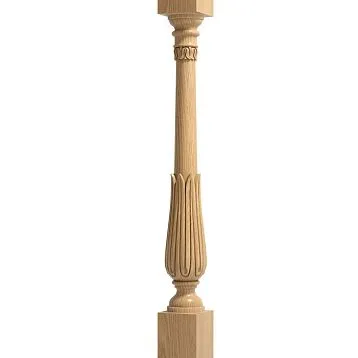
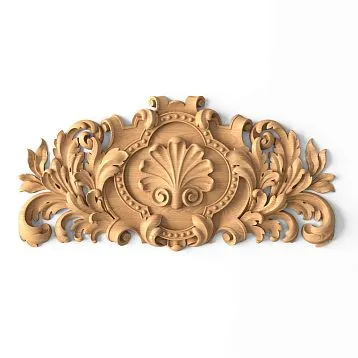
Decor for the Fireplace Surround Includes various decorative elements that give the structure individuality and expressiveness. These may be rosettes, medallions, consoles, pilasters, capitals, and other architectural details. The choice of specific elements depends on the overall interior style and desired effect. In classical interiors, rich decorative solutions using carving and complex profiles are appropriate. In modern spaces, preference is given to more minimalist forms, where expressiveness is achieved through material quality and clean lines.
Wooden trim Represents various profiled strips used to create framed structures and architectural divisions. Trim items may have different cross-sections — from simple rectangular to complex multi-level profiles. They allow creating a clear geometric framing structure, emphasizing its architectural logic. Properly selected trim ensures visual integrity of the structure and its harmonious integration with other interior elements.
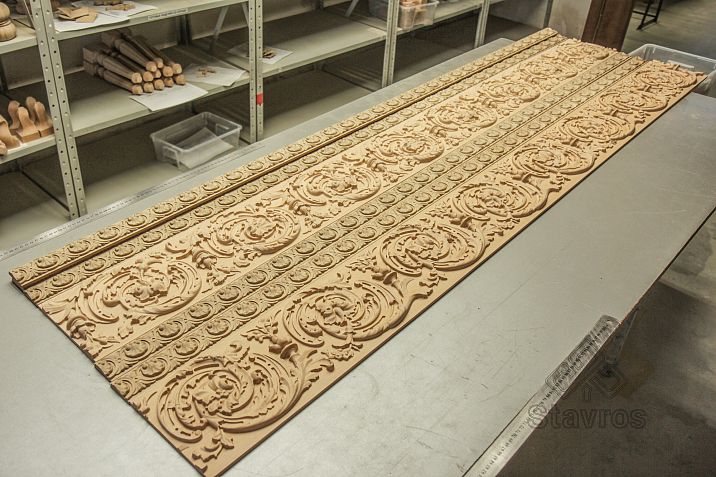
Carved wooden elements Add special expressiveness and artistic value to the fireplace frame. These may be traditional ornamental motifs — plant patterns, geometric compositions — or more complex narrative reliefs. Carving can be executed in various techniques — from low relief to three-dimensional, depending on the overall interior style and desired effect. In modern interiors, more abstract, geometric carving is often used, creating an interesting play of light and shadow without overloading the space with excessive decoration.
Fireplace frame strip — is a basic element that forms the main structure of the construction. The choice of strip determines the overall character of the frame — its massiveness, proportions, stylistic affiliation. Strips can vary in width and thickness, with simple or complex profiles, smooth surfaces or decorative finishes. It is important that the strip corresponds to the scale of the fireplace and the room as a whole, creating the correct visual balance.
Get Consultation
Design styles
The choice of wooden fireplace frame style is determined by the overall interior concept, architectural features of the room, and personal preferences of the owners. Let us consider the main stylistic directions and their distinctive features.
Classic fireplace frame style is characterized by the use of traditional architectural elements: portals, columns, capitals, cornices with modillions. Proportions adhere to classical canons based on principles of symmetry and harmony. The material is usually noble wood — oak, walnut, mahogany, often with carving and decorative elements. The color palette includes natural wood tones, from golden-brown to deep brown shades, sometimes with patina or gilding. Classic framing creates a sense of solidity and tradition, emphasizing the status of the room and its occupants.
Modern style of fireplace framing is characterized by minimalist forms and clean lines. There is no excessive decoration; emphasis is placed on material quality and precision of proportions. Geometric shapes, sharp edges, minimal decorative elements are typical. The color palette usually includes natural wood tones, often light — beech, ash, maple. Modern style combines well with contemporary interiors, where functionality and visual purity of space are valued.
Provence style of wooden fireplace framing is characterized by the use of aged wood and patina. This creates an effect of a 'lived-in' item, with history and character. Forms are usually simple, but with elements of rustic charm — small carving, rounded corners, imperfectly flat surfaces. The color palette includes bleached, pastel shades — white, cream, light blue, lavender. Provence fireplace framing creates an atmosphere of coziness and informality, ideally suited for country homes and apartments with romantic interiors.
Loft style of fireplace framing implies a combination of solid wood with other materials — brick, concrete, metal. Wood here is often left in its natural state, with minimal processing, highlighting its texture and natural character. Forms are usually simple, brutal, without excess. The color palette includes natural wood tones, often with an aged or charred effect. Loft fireplace framing creates an industrial aesthetic atmosphere, well-suited for open spaces and high ceilings.
Fireplace wood finishing In Scandinavian style, characterized by simple forms, light tones, and minimal decoration. Here, the natural beauty of the material, its texture and grain are valued. Forms are usually minimalist, with clear lines and minimal decorative elements. The color palette includes light, almost white wood tones — birch, light oak, ash. Scandinavian fireplace framing creates an atmosphere of freshness and lightness, well-suited for modern interiors where ecological and natural aesthetics are valued.
How to choose framing to match the interior
Choosing a wooden fireplace frame is not only a matter of style, but also a delicate play with proportions, color, and details, requiring an understanding of architectural principles and a designer's touch. Let us consider the main aspects to consider when selecting framing to match a specific interior.
The color of the wood plays a key role in how the fireplace frame will be perceived within the overall context of the room. There are two main approaches: harmony and contrast. In the harmonious approach, the frame color is matched to the main furniture or other wooden interior elements — floor, doors, beams. This creates a sense of unity and calm. In the contrasting approach, the fireplace frame becomes a bright accent, standing out against the general background. For example, a dark frame in a light interior, or conversely, light wood against dark walls.
The choice of a specific shade depends on the overall color palette of the interior. Warm wood tones — honey, amber, brown — harmonize well with similar warm colors in finishes and textiles. Cool tones — gray, bleached, with a blue undertone — work better in interiors with cool color palettes. It is also important to consider how the wood color will change over time and under the influence of light.
The shape and scale of the frame should correspond to the proportions of the room and the size of the fireplace itself. In rooms with high ceilings, more massive, vertically oriented structures are appropriate, emphasizing height and creating a sense of monumentality. In rooms with low ceilings, more compact, horizontally oriented frames are better, visually expanding the space.
The size of the fireplace also dictates the scale of the frame. For large fireplaces with large fireboxes, a correspondingly massive frame is required, proportionate to the fire area. For compact fireplaces or electric models, a lighter, more elegant frame is suitable, which will not overload the space.
Details that 'decide' — these are small but significant elements that give the frame individuality and character. Facets — beveled edges that create an interesting play of light and shadow, making the profile more elegant. Filigree — recessed or protruding panels that structure the surface and add relief. Rosettes — round or oval decorative elements, often with carved ornamentation, placed at intersections of lines or in the center of the composition.
The choice of these details depends on the overall interior style and desired effect. In classical interiors, more complex, decorative solutions are appropriate. In modern spaces, preference is given to more minimalist forms, where expressiveness is achieved through material quality and clean lines.
Examples of framing with STAVROS products
To better illustrate how a wooden fireplace frame can transform an interior, let us consider several real usage scenarios of STAVROS products in various stylistic contexts.
Classic living room with decor for fireplace framing Represents a space where traditions and elegance create an atmosphere of timeless comfort. The central element of such an interior is a fireplace with a portal made of solid oak, executed in classical proportions. The vertical pillars of the portal are shaped as Corinthian order columns, richly decorated with plant ornamentation. The horizontal lintel is a massive cornice with modillions and a central rosette, which can hold a family crest or decorative medallion.
Wood color — deep, rich brown with a slight reddish tint, which harmonizes with other wooden interior elements — parquet, doors, furniture. The wood surface is treated using traditional polishing and waxing techniques, giving it a noble sheen and highlighting the beauty of the natural texture.
Additional decorative elements — carved consoles supporting the fireplace mantel, friezes with meander or acanthus ornamentation, pilasters with fluting — create a rich architectural composition that becomes the dominant feature of the entire space. Such framing is ideal for traditional interiors, where classical forms and attention to detail are valued.
The minimalist library with a clearly framed fireplace represents a modern space where functionality and aesthetics create a harmonious balance. Here, the fireplace is styled in a minimalist manner, using simple geometric forms and minimal decorative elements. The framing is made of light ash with clear, straight lines and smooth surfaces.
Vertical elements are simple rectangular posts without decorative details; the horizontal lintel is a minimalist cornice with a streamlined profile. The wood color is natural, light, with a slight matte finish that highlights the material's natural beauty without adding artificial gloss.
The feature of such framing is its architectural clarity and thoughtful proportions. Despite the absence of decorative excesses, it creates a striking accent due to the quality of the material and precision of execution. This solution is ideal for modern interiors, where clean lines and natural materials are valued.
Rustic style with textured fireplace finish wood It represents a cozy space where naturalness and craftsmanship create the atmosphere of a country house. Here, the fireplace is finished using solid oak with pronounced texture and signs of handwork. The framing has a simple form, without excessive decoration, but with characteristic details of rustic style — rounded corners, small carved elements, aged effect.
The color of the wood is warm, honey-toned, with a patina effect that creates the impression that the framing has served many generations. The surface is treated with oil and wax, which highlights the natural grain of the wood and makes it pleasant to the touch.
The feature of such framing is its organic nature and authenticity. It does not look like a factory-made item, but rather like a master carpenter’s work, infused with their soul and skill. This solution is ideal for country houses, chalets, country or Provence-style interiors, where authenticity and connection to traditions are valued.
Mistakes and Tips
When creating wooden fireplace framing, it is important to avoid typical mistakes that may disrupt the architectural harmony of the interior. Let us consider the main problems and ways to prevent them.
Architectural imbalance arises when the fireplace framing does not match the overall style and scale of the room. For example, a massive classical portal in a minimalist modern interior will look out of place, just as overly minimalist framing in a richly decorated classical space. To avoid this error, the fireplace framing must be considered as part of the overall architectural concept, taking into account the stylistic elements of other interior components — furniture, finishes, decor.
The problem of scale is another common mistake. An overly massive frame may visually overload the space, especially if the room is small or has low ceilings. On the other hand, an overly thin, lightweight framing may 'disappear' in a spacious room with high ceilings, failing to create the necessary architectural accent. The correct scale is determined by the proportions of the room, the size of the fireplace itself, and the overall stylistic concept.
It is also important to consider architectural parameters such as angle, symmetry, and depth. The angle of the framing should correspond to the geometry of the room and the location of the fireplace. For fireplaces built into walls, a straight frontal framing is typically used. For corner fireplaces, a special construction is required, taking into account the specific placement.
Symmetry is a classic principle in constructing fireplace framing, especially in traditional interiors. However, in modern design, asymmetrical solutions are also possible, creating a more dynamic, non-standard composition. It is important that the chosen approach corresponds to the overall interior concept.
The depth of the framing determines its volume and expressiveness. An overly flat framing may appear unremarkable, failing to create the necessary play of light and shadow. An overly deep, massive framing may visually 'consume' the space. The optimal depth depends on the size of the room, the location of the fireplace, and the desired effect.
Professional tips will help avoid these and other mistakes:
- Always start with the overall interior concept, considering the fireplace framing as part of a unified architectural ensemble.
- Consider the proportions of the room and the size of the fireplace when choosing the scale of the framing.
- Choose a framing style that matches the overall interior style.
- Pay attention to the quality of the material and craftsmanship — even the simplest design can look impressive when using high-quality wood and skilled craftsmanship.
- Do not overload the framing with decorative elements if it does not match the overall interior style.
- Consider practical aspects — safety, ease of use, and the possibility of maintaining wooden surfaces.
Mounting and Technical Recommendations
Correct installation of wooden fireplace framing is not only an aesthetic issue, but also a matter of safety, durability, and functionality of the entire structure. Let us consider the main stages and technical aspects of this process.
Surface preparation is the first and most important stage. The wall to which the framing will be attached must be flat, dry, and clean. If the surface has significant irregularities, they must be eliminated using plaster or leveling compounds. Special attention should be paid to wall moisture — high humidity may negatively affect wooden elements, causing deformation or mold growth.
If the framing is installed around an active fireplace, proper thermal insulation must be ensured. There should be a gap between the firebox and wooden elements, filled with non-combustible material — mineral wool, ceramic fiber, or special insulation panels. This prevents overheating of the wood and possible deformations.
The mounting of wooden framing must be secure yet inconspicuous. Various types of fasteners are used — from simple self-tapping screws to special furniture brackets and brackets. The choice of specific fasteners depends on the framing construction, wall material, and overall design.
It is important to provide allowances for thermal expansion of wood. Even with good thermal insulation, wooden elements may slightly change their dimensions depending on air temperature and humidity. Therefore, the fastening should not be too rigid, and small gaps should be left to allow the wood to 'breathe'.
Preparation of wooden elements before mounting includes several stages. First, a final sanding of the surface is performed, ensuring perfect smoothness and preparing the wood for protective coatings. Then, a primer is applied, which improves adhesion of subsequent coatings and protects the wood from moisture and mold.
The choice of finish coating depends on the desired effect and operating conditions. Oil highlights the natural beauty of the wood, makes it pleasant to the touch, but requires regular renewal. Wax creates a protective film, gives the surface a noble sheen, but is less resistant to mechanical impacts. Lacquer provides the most durable and long-lasting coating, protects the wood from moisture and dirt, but may create a 'plastic' effect.
For fireplace framing, it is recommended to use heat-resistant coatings that can withstand elevated temperatures without changing their properties. This is especially important for elements located close to the firebox.
After installation, final finishing is required — eliminating possible defects, tightening fasteners, and if necessary, repainting or re-lacquering certain areas. This ensures a flawless appearance and long-term durability of the entire structure.
Advantages of STAVROS
Choosing Wooden architectural decoration from solid wood For fireplace framing — this is a responsible decision that will define the look of your interior for years to come. STAVROS products stand out on the market due to a range of advantages that make them the optimal choice for creating expressive and long-lasting fireplace frames.
Above all, STAVROS uses only high-quality solid wood, carefully selected and prepared. This guarantees not only the aesthetic perfection of the products but also their durability, resistance to deformation and other negative influences. Unlike many manufacturers who use MDF or other composite materials with wood grain imitation, STAVROS works exclusively with natural wood, preserving its natural beauty and energy.
Technological excellence is another important advantage of STAVROS products. The company uses modern equipment that ensures high precision in processing and ideal geometry of the items. At the same time, many operations are performed manually by experienced craftsmen, giving the items individuality and character that cannot be achieved with fully automated production.
STAVROS collections are distinguished by stylistic diversity, allowing you to choose the ideal solution for any interior — from classic to ultra-modern. The assortment includes both traditional profiles and decorative elements, as well as innovative solutions that meet current design trends.
Variability is another advantage especially appreciated by architects and designers. STAVROS offers a wide range of profiles, sizes, textures, and shades, enabling the creation of unique, individual solutions for each project. This is especially important when working with non-standard interiors, where multiple factors must be considered — from architectural features of the room to the client’s personal preferences.
Custom solutions — the opportunity to create unique items based on the client’s or designer’s sketches. STAVROS offers a full cycle of services — from concept development to manufacturing and installation of the finished item. This allows to realize the most daring and non-standard ideas, creating truly unique interiors.
Project-based work — a comprehensive approach in which all wooden decorative elements — from fireplace framing to baseboards, doors, and furniture — are created in a unified style and from the same material. This ensures visual coherence of the interior, where every detail is in its place and contributes to the overall concept.
Fast logistics across Russia — another advantage especially valued by clients from regions. STAVROS provides reliable packaging that protects items from damage during transport and prompt delivery, which is especially important when implementing projects with tight deadlines.
Conclusion
A fireplace is not just a source of heat, but also an architectural accent around which the entire interior composition is built. Its framing becomes the home’s calling card, reflecting the taste and status of its owners. That is why it is so important to approach the choice of framing with special attention, considering all architectural, stylistic, and technical aspects.
Wooden fireplace framing — a classic solution that never goes out of style. Natural wood possesses unique qualities that cannot be reproduced using artificial materials. It gives the fireplace depth and expressiveness, creating a sense of coziness and solidity that is so important for a home hearth.
STAVROS products offer wide possibilities for creating unique, expressive frames that will become a true decoration of your home. High-quality materials, technological excellence, and attention to detail make these items the optimal choice for those who value beauty, durability, and individuality.
A fireplace with wooden framing is not just an interior element, but also a symbol of home coziness, traditions, and family values. It creates a special atmosphere conducive to rest, conversation, and reflection. The right framing enhances this feeling, making the fireplace a true heart of the home — a place to which you want to return again and again.
By choosing a fireplace frame, you are investing not only in the beauty and comfort of your home, but also in its atmosphere — in those intangible qualities that make your home truly yours, reflecting your individuality and lifestyle. May your fireplace become not just a source of warmth, but also a source of inspiration, a center of attraction for your family and guests, a symbol of hospitality and coziness.
Choosing wooden fireplace surroundYou are investing not only in the beauty and comfort of your home, but also in its atmosphere—the intangible qualities that make your home truly yours, reflecting your individuality and lifestyle. May your fireplace become not just a source of warmth, but also a source of inspiration, a focal point for your family and guests, a symbol of hospitality and coziness.