Article Contents:
- History and evolution of wooden door trim
- Origins of the tradition of door frame decoration
- Development of trim styles through centuries
- Traditions of trim in various cultures
- Materials for Manufacturing Wooden Trim
- Variety of wood species
- Composite and Engineering Materials
- Finishing Materials and Coatings
- Manufacturing technologies for wooden trim
- Traditional Wood Treatment Methods
- Modern manufacturing technologies
- Final finishing and protective coatings
- Styles and design of wooden trim
- Classic profiles and ornaments
- Modern and Minimalist Solutions
- Ethnic and regional characteristics
- Installation and mounting of wooden trim
- Preparatory work
- Installation process
- Features of installation in different types of openings
- Care and restoration of wooden trim
- Regular Care and Prevention
- Methods of restoring damaged trim
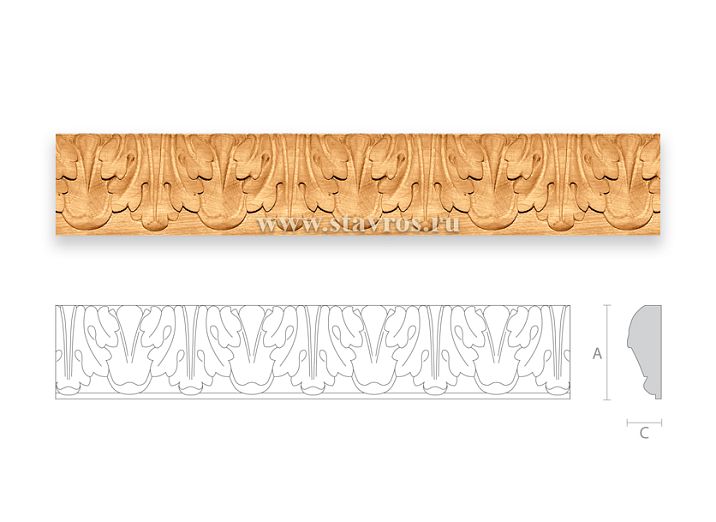
In the world of carpentry, there are elements that, despite their apparent secondary importance, play a decisive role in creating a harmonious and finished interior look. One such element is door wood trimwhich not only gives the door opening an aesthetic finish but also performs important practical functions. This decorative element, connecting the door frame to the wall, protecting the edges of the opening, and emphasizing the room's stylistic solution, deserves special attention from both professional craftsmen and homeowners striving to create a truly high-quality and long-lasting interior.
door wood trim It is not merely a decorative element but also an important structural component that completes the door opening's finish, conceals the technological gaps between the door frame and the wall, and protects the edges of the opening from mechanical damage. Properly selected and correctly installed trim can transform even the simplest door, giving it a noble and refined appearance.
In this article, we will thoroughly examine all aspects related to wooden door trim: its history of origin, variety of styles and materials, manufacturing and installation technologies, care and restoration specifics. This information will be useful for both professionals in carpentry and interior design, as well as for those seeking to better understand the principles of creating a harmonious and functional living space.


History and evolution of wooden door trim




Origins of the tradition of door frame decoration
History door wood trim traces its roots back to deep antiquity, when people were just beginning to master the art of wood processing. In the earliest surviving buildings, one can see the first attempts at decorative door openings. Initially, trim served purely practical purposes – it protected the edges of the opening from destruction and concealed irregularities between the door frame and the wall.
In ancient Egypt, where woodworking had reached a high level of development, door openings in wealthy homes and temples were already adorned with intricately carved wooden elements. These decorations not only served a decorative function but also had a sacred significance, protecting the dwelling from evil spirits. Ancient Egyptian craftsmen used valuable wood species such as cedar and ebony, creating exquisite trim with carved images of gods and sacred symbols.
In ancient Greece and Rome, wooden door trim became an important architectural element. Roman architects developed an order system that defined the proportions and decorative elements of various parts of buildings, including door frames. During this period, classical trim profiles emerged, many of which are still used today.
In medieval Europe, with the development of Gothic style, wooden door trim became more complex and refined. Master carpenters created true works of art, decorating castle and cathedral doorways with carved patterns, coats of arms, and religious symbols. During this period, trim no longer performed merely practical functions but became an important element of architectural ensembles.
Our factory also produces:
Development of trim styles through centuries
Styles door wood trim changed along with architectural styles and woodworking technologies. Each era brought its own characteristics to the design and construction of this element.
During the Renaissance, there was a return to classical forms of antiquity, but with a new level of craftsmanship and technology. Door trim became more proportional and harmonious, often adorned with carved plant motifs and mythological scenes. Italian craftsmen of that time created trim from walnut, oak, and other valuable woods, covering them with delicate carving.
Baroque brought opulence and theatricality to trim design. Door openings in palaces and wealthy homes were adorned with complex, dynamic compositions featuring abundant decorative elements – volutes, cartouches, garlands. Often, wooden trim was gilded, creating an effect of luxury and grandeur.
Classicism, on the contrary, returned to the strictness and symmetry of ancient forms. Trim in this style featured clear lines, restrained decoration, and ideal proportions. Popular elements included meander, acanthus, and ovals – ornaments borrowed from ancient Greek architecture.
The 19th century brought a variety of historical styles – Gothic Revival, Renaissance Revival, Baroque Revival. Each of these styles had its own characteristics in door opening decoration. At the same time, the Industrial Revolution made decorative trim more accessible due to mechanized production. Standard profiles emerged, which could be produced in large quantities.
Modern at the turn of the 19th-20th centuries introduced new, organic forms into the design of door casings. Masters of this period abandoned historical stylizations in favor of smooth, flowing lines inspired by natural forms. Door casings in the modern style were often adorned with stylized plant motifs—lilies, irises, seaweed.
Get Consultation
Traditions of door casing in various cultures
Traditions of door opening decoration vary across cultures, reflecting national architectural features, available materials, and religious beliefs.
In Russian wooden architecture door wood trim mullions played a special role. Carved mullions not only decorated peasant houses, but, according to beliefs, also protected the house from evil spirits. Each region of Russia had its own features in mullion decoration—ranging from restrained geometric patterns of the Russian North to lavish plant ornaments of the Volga region.
In Japanese architecture, traditional sliding doors (fusuma) were framed with simple wooden frames that emphasized the natural beauty of wood and created a sense of harmony with nature. Japanese craftsmen valued the natural texture of wood and sought to highlight it with minimalist means.
In Islamic architecture, door openings were often adorned with complex geometric patterns created using inlay techniques with various types of wood. These patterns had not only decorative but also symbolic significance, reflecting concepts of infinity and unity of the universe.
In colonial architecture of North America door wood trim became an important element of style. American craftsmen adapted European traditions to local conditions, creating casings from readily available wood species—pine, maple, cherry. The Federal style became especially popular, where casings were distinguished by elegant proportions and delicate carving.
Materials for manufacturing wooden trim
Variety of wood species
Selection of wood species for manufacturing door wood trim is decisive for its appearance, durability, and cost. Each species has its own unique characteristics that should be considered when selecting.
Oak is one of the most popular species for making casings. Oak wood is characterized by high strength, resistance to moisture and mechanical damage. It has a beautiful texture with distinct growth rings and a honey-golden hue that develops a noble patina over time. Oak casings are suitable for classic and rustic interiors, giving them a sense of solidity and tradition.
Beech is a hard species with uniform structure and light rose hue. Beech wood is easy to process, allowing for casings with complex profiles. It is resistant to abrasion but less moisture-resistant than oak. Beech casings look great in modern and Scandinavian interiors, creating a sense of lightness and purity.
Ash is a valuable species with beautiful texture and high strength. Ash wood has a light hue with a slight golden tint and distinct growth ring patterns. It is easily bent, allowing its use for creating curved elements of casings. Ash is suitable for various interior styles—from classic to modern.
Walnut is a noble species with rich dark-brown color and beautiful texture. Walnut wood is strong and stable, easy to process. Walnut casings give interiors a luxurious, elegant look and pair well with other dark wood species. It is ideal for classic and neoclassical interiors.
Pine is an accessible coniferous species with soft wood and distinct texture. Pine wood has a light, golden hue and a characteristic resinous scent. It is easy to process but less resistant to mechanical damage than hardwoods. Pine casings are suitable for rustic, Scandinavian, and eco-interiors, creating a sense of warmth and coziness.
Larch is a coniferous species with unique properties. Larch wood contains a high amount of resin, making it resistant to moisture and decay. It has a beautiful golden-amber hue that darkens over time. Larch casings are suitable for rustic and eco-interiors, as well as for rooms with high humidity.
Exotic species (wenge, merbau, teak) are used to create exclusive casings. These species are distinguished by unusual texture, color, and high resistance to external influences. Casings made from exotic species become a striking accent in interiors and highlight their individuality.
Composite and engineered materials
In addition to natural wood, for manufacturing door wood trim various composite and engineered materials can be used, combining the advantages of wood with additional technical properties.
MDF (medium-density fiberboard) is a material made from wood fibers bonded with synthetic resins under high pressure and temperature. MDF has a uniform structure without knots or voids, making it ideal for creating casings with complex profiles. It is more stable than natural wood and does not crack or warp. MDF casings are usually covered with veneer or paint to imitate natural wood.
Fingerjoint is a material made from short wooden pieces glued together. This method allows more efficient use of wood and creates long, stable blanks without defects. Fingerjoint casings are usually covered with veneer or paint, concealing the joints.
Thermowood is wood that has undergone special thermal treatment at high temperatures without oxygen access. This process alters the wood structure, making it more stable, moisture-resistant, and resistant to biological damage. Thermowood has a beautiful dark hue evenly distributed throughout the material thickness. Thermowood casings are suitable for modern and eco-interiors.
Wood-polymer composite (WPC) is a material consisting of wood flour and polymer binders. WPC combines the appearance of wood with the moisture and biological damage resistance of plastic. WPC casings are suitable for rooms with high humidity, such as bathrooms and kitchens.
Finishing materials and coatings
For protection and decorative finishing door wood trim various materials and coatings are used that not only highlight the beauty of wood but also extend the lifespan of the product.
Lacquers are transparent coatings that protect wood from moisture, UV radiation, and mechanical damage. Modern lacquers can be glossy, semi-gloss, or matte, allowing desired visual effects. For door casings, polyurethane or acrylic lacquers are often used, which have high wear resistance and do not yellow over time.
Oils and waxes are natural finishes that penetrate into the wood structure, protecting it from within. They highlight the natural wood texture and create a pleasant-to-touch surface. Oils and waxes require periodic renewal, but they are easy to apply and restore without the need to completely remove the old finish.
Paints are opaque finishes that completely cover the wood texture but allow for any desired color. For door trim, acrylic or alkyd paints are often used, which have good adhesion to wood and resistance to abrasion. Painted trim can become a striking accent in an interior or, conversely, harmoniously blend with wall colors.
Stains and tinting agents are semi-transparent finishes that change the color of wood while preserving its texture. They allow you to emphasize the beauty of natural wood and simultaneously give it the desired shade. Stains are often used to create an aged wood effect or to imitate more expensive species.
Patina is a special compound that creates an aging effect on the surface of wood. Patina can come in various shades — from silver to gold or copper. It is often used for trim in classical or vintage styles, giving the item a sense of history and nobility.
Manufacturing technologies for wooden trim
Traditional wood processing methods
Traditional manufacturing methods door wood trim Based on handcrafted woodwork and require high skill and experience. These methods allow creating unique, individual pieces with an unmistakable character.
Hand planing is one of the oldest methods of wood processing. The craftsman uses various types of planes to create a smooth surface and shape the trim profile. This method requires great experience and sensitivity to the material, but allows achieving a unique surface quality that cannot be obtained mechanically. Hand-planed trim has light, natural irregularities that give it a special charm and individuality.
Wood carving is the art of creating relief patterns and images on the surface of wood. For carving, various tools — chisels, gouges, knives — are used. Carved trim can be decorated with floral motifs, geometric patterns, figures of animals or people. This method allows creating unique, artistic pieces that become true interior ornaments.
Turning is a method in which the blank rotates around its axis, and the craftsman, using special cutters, gives it the desired shape. Turning is used to create round or cylindrical trim elements, such as rosettes, medallions, or columns. This method requires good eye measurement and sense of form, but allows creating items with perfectly smooth surfaces and precise proportions.
Inlay is a technique of decorating the wood surface with inserts made of other materials — other types of wood, metal, mother-of-pearl, bone. For inlay, recesses are carved into the main material, into which elements made of other materials are inserted and secured. This technique allows creating complex, multi-colored compositions that give trim a special luxury and refinement.
Modern Manufacturing Technologies
With the development of technology, new manufacturing methods have emerged door wood trimthat allow for increased precision, speed, and efficiency in production.
CNC milling is a method in which wood processing is performed on computer-controlled machines. A computer program controls the movement of the milling cutter, allowing to create complex profiles with high precision and repeatability. CNC milling allows reproducing traditional trim profiles or creating new, unique designs. This method is especially effective for mass production.
Laser cutting and engraving is a technology in which a laser beam is used to process wood. Laser cutting allows creating trim with very thin and complex patterns, inaccessible by traditional processing methods. Laser engraving allows applying images and text onto the trim surface with high detail. This technology opens new possibilities for decorative trim finishing.
3D printing is an innovative technology that allows creating volumetric trim elements by layer-by-layer material buildup. For 3D printing, various materials can be used, including wood-based composites. This technology allows creating shapes that cannot be obtained by traditional processing methods. 3D printing is especially useful for creating prototypes and unique decorative elements.
Vacuum forming is a technology in which a thin sheet of MDF or other composite material is heated and, under vacuum, takes the shape of the mold. This method allows creating curved trim elements with a perfectly smooth surface. Vacuum forming is especially effective for creating arched and radius trim elements.
Finishing and protective coatings
Finish processing plays an important role in creating quality door wood trim. It not only gives the item a finished look, but also protects it from external influences.
Sanding is a process of removing irregularities and creating a smooth surface using abrasive materials. Sanding is performed in several stages, starting with coarse and ending with fine abrasives. Quality sanding is the foundation for applying protective coatings and ensures their even distribution and strong adhesion to the surface.
Priming is applying special compounds that fill the pores of wood and create a base for subsequent coatings. Primer improves the adhesion of finish coatings to the wood surface and ensures their even distribution. For priming trim, various compounds can be used — from traditional shellac to modern synthetic primers.
Tinting is a process of changing the color of wood using dyes or stains. Tinting allows highlighting the wood texture, hiding defects, or imitating more expensive species. For tinting trim, water-based, alcohol-based, or oil-based dyes can be used, each with its own characteristics and effects.
Lacquering is applying transparent protective coatings that protect wood from moisture, UV radiation, and mechanical damage. Lacquers can be based on different materials — nitrocellulose, alkyd, polyurethane, acrylic. Each type of lacquer has its advantages and specific applications. Lacquering is usually performed in multiple layers with intermediate sanding to achieve a perfectly smooth surface.
Waxing and oiling are applying natural protective coatings that penetrate into the wood structure. Waxes and oils highlight the natural beauty of wood and create a pleasant-to-touch surface. These coatings require periodic renewal, but they are easy to apply and restore without the need to completely remove the old coating.
Wood trim styles and design
Classic profiles and ornaments
Classic profiles door wood trim Based on the traditions of architecture and furniture art of past centuries. They are characterized by elegance, harmonious proportions, and attention to detail.
Ancient profiles — based on architectural elements of ancient Greece and Rome. These include kymatia (wavy ornament), ova (egg-shaped elements), meander (geometric ornament made of broken lines), acanthus (stylized leaves). These profiles are characterized by clear lines, symmetry, and mathematically precise proportions. Ancient profiles are suitable for classical and neoclassical interiors.
Renaissance profiles — inspired by the architecture and art of the Renaissance. They combine elements of antiquity with new decorative motifs — floral ornaments, garlands, medallions. Renaissance profiles are characterized by rich decoration and attention to detail. They are suitable for luxurious, formal interiors.
Baroque profiles — characterized by opulence, dynamism, and theatricality. They have complex shapes with numerous curves, volutes, and other decorative elements. Baroque profiles are often adorned with carving in the form of flowers, fruits, angels. They create a sense of luxury and grandeur and are suitable for rich, festive interiors.
Neoclassical profiles — return to the strictness and symmetry of ancient forms, but with a new level of elegance. They have clear lines, restrained decoration, and ideal proportions. Neoclassical profiles are often decorated with minimalist ornaments — laurel wreaths, rosettes, garlands. They create a sense of nobility and elegance and are suitable for classical and neoclassical interiors.
Modern and minimalist solutions
Modern design door wood trim Move away from historical stylizations in favor of simplicity, functionality, and purity of lines. Modern profiles reflect current trends in architecture and interior design.
Minimalist profiles – characterized by simple shapes and absence of decorative elements. They may have rectangular, beveled, or slightly rounded cross-sections. Minimalist profiles emphasize clean lines and the natural beauty of the material. They create a sense of calm and order and are suitable for modern, minimalist interiors.
Geometric profiles – based on clear geometric forms – straight lines, angles, circles. They can create interesting lighting and shadow effects, adding depth and dimension to the trim. Geometric profiles create a sense of structure and modernity and are suitable for high-tech, loft, or constructivist interiors.
Organic profiles – inspired by natural forms – waves, leaves, branches. They have smooth, flowing lines that create a sense of movement and life. Organic profiles can be simple or complex, but always distinguish themselves by naturalness and harmony. They are suitable for bio-tech, eco, or Scandinavian-style interiors.
Asymmetric profiles – move away from traditional symmetry in favor of more dynamic and unexpected forms. They may have different heights, depths, or angles at various sections, creating an interesting visual effect. Asymmetric profiles add individuality and originality to interiors and are suitable for modern, avant-garde interiors.
Ethnic and regional characteristics
Ethnic and regional styles door wood trim reflect cultural traditions and characteristics of various peoples and regions. They can become a striking accent in the interior, highlighting its individuality and connection to a specific culture.
Russian style – characterized by rich carving using traditional motifs – solar symbols, plant ornaments, birds, animals. Russian trim can be restrained, with geometric patterns (northern regions), or lavish, with abundant plant motifs (central regions). It creates a sense of coziness and connection to traditions and is suitable for Russian, rustic, or eco-style interiors.
Scandinavian style – distinguished by simplicity, functionality, and attention to the natural beauty of wood. Scandinavian trim usually has a simple profile without excessive decoration, but with carefully worked proportions. It is often made from light-colored woods – pine, spruce, birch – and may have a light texture or be painted white. Scandinavian trim creates a sense of light, cleanliness, and spaciousness and is suitable for modern, Scandinavian, or minimalist interiors.
Eastern style – inspired by traditions of China, Japan, India, and other Eastern countries. Eastern trim may be decorated with traditional ornaments – dragons, lotus flowers, bamboo (China), geometric patterns, arabesques (Islamic countries), or may have a simple, minimalist form emphasizing the natural beauty of wood (Japan). Eastern trim creates a sense of exoticism and refinement and is suitable for interiors in the corresponding style.
Mediterranean style – reflects the traditions of Mediterranean countries – Italy, Spain, Greece. Mediterranean trim may have a simple, rustic profile with light traces of handwork or a more complex one with elements of classical architecture. It is often made from warm-toned woods – cypress, olive, pine – and may be painted in bright, sunny colors or have a weathered wood effect. Mediterranean trim creates a sense of warmth, sun, and sea and is suitable for interiors in the corresponding style.
Installation and mounting of wooden trim
Preparatory Work
Before installation door wood trim A series of preparatory works must be carried out to ensure the quality and longevity of the result.
Measurement and calculation – the first and most important stage of preparation. It is necessary to accurately measure the door opening dimensions, taking into account possible wall irregularities and deviations from vertical and horizontal alignment. Based on these measurements, the required material quantity is calculated and the dimensions of individual trim elements are determined. For complex openings (arched, non-standard shapes), template creation may be required.
Surface preparation – walls around the door opening must be flat, dry, and clean. If necessary, surface leveling is performed using plaster or putty. It is also important to check that the door frame is properly installed – vertically and horizontally aligned, securely fastened in the opening.
Material acclimatization – wooden trim must adapt to the room conditions before installation. For this, it is placed in the room where installation will occur for 2-3 days. This allows the wood to achieve optimal moisture content and avoid deformation after installation.
Tool and material preparation – installing trim requires various tools: saw (hand or electric), miter gauge for precise angled cuts, hammer, screwdriver, drill, level, tape measure, pencil, sandpaper. Also, fastening materials (nails, screws, adhesive) and finishing materials (wood putty, varnish or paint for touch-ups) must be prepared.
Installation process
Installation process door wood trim includes several stages, each requiring attention and care.
Marking – on the wall, locations for trim attachment are marked, taking into account level and vertical alignment. For this, a construction level, plumb bob, and tape measure are used. Marking must consider the profile characteristics of the trim and its mounting method.
Cutting – trim is cut into individual elements of the required length, taking into account connection angles. For straight angles, a 45-degree joint (miter joint) is typically used, which requires a miter gauge or a miter saw. For curved elements, cutting according to a template may be necessary.
Fitting – before final installation, trim elements are fitted to their installation locations and adjusted as needed for a perfect fit. This is especially important for corners, where even minor misalignments will be noticeable. Fitting may involve additional trimming, sanding, or other adjustments.
Mounting – trim is mounted to the wall and/or door frame using nails, screws, or special mounting adhesive. The choice of mounting method depends on the wall material, trim type, and the craftsman’s preference. When using nails or screws, their heads are usually countersunk into the wood using a nail set or drill bit to conceal them.
Finishing – after installation, finishing work is performed, which includes filling mounting holes, sanding joints, and applying protective coating. Mounting holes are filled with wood putty matched to the trim color. After the putty dries, sanding is performed to achieve a smooth surface. Then, a protective coating – varnish, oil, or paint – is applied to the entire trim surface.
Installation features in different types of openings
Installation door wood trim has its own features depending on the type of door opening.
Rectangular openings – the most common type, suitable for standard trim. Installation in such openings usually does not cause difficulties if walls are flat and corners are straight. Trim elements are joined at 45-degree angles, forming neat, tight joints. It is important to correctly calculate the length of each element, taking into account material thickness and profile characteristics.
Arched openings – require a special approach to trim manufacturing and installation. For the arched part of the opening, flexible trim or trim made from thin wooden strips that can be bent into the arch shape may be used. It is also possible to manufacture arched trim from a single piece of wood by cutting according to a template. Joining the arched part with straight side elements requires special precision and skill.
Non-standard shaped openings – trapezoidal, polygonal, curved – require an individual approach to trim manufacturing and installation. For such openings, precise templates are usually created, after which trim elements are cut. Element connections may be at various angles, requiring special precision during cutting and fitting.
Openings with uneven walls – present special challenges for trim installation. In such cases, wall leveling or adapting the trim to existing irregularities may be required. One method is using wider trim, which can conceal irregularities. Another method is shaping the back of the trim to fit the wall’s contour by trimming or carving material.
Care and restoration of wooden trim
Regular Care and Prevention
Proper care of wooden door trim will help preserve its beauty and extend its service life.
Dust cleaning – regular removal of dust from the trim surface using a soft cloth or brush. Dust not only deteriorates the appearance of the item but may also contain abrasive particles that damage the protective coating when rubbed. For hard-to-reach areas, a vacuum cleaner with a soft attachment can be used.
Wet cleaning – periodic cleaning of the trim using a slightly damp cloth. For more thorough cleaning, you can use specialized wood surface care products or mild cleaning agents diluted with water. After wet cleaning, the surface should be thoroughly dried to prevent moisture from penetrating the wood.
Updating protective coating – periodic application of protective finishes to the trim surface. The frequency of updating depends on the type of coating and usage conditions. Lacquered surfaces may require updating every 3-5 years, oil-based and wax-based coatings every 1-2 years. Before applying a new layer of coating, the surface should be thoroughly cleaned and lightly sanded if necessary.
Humidity control – maintaining an optimal humidity level in the room (40-60%). Too dry air can cause wood to dry out and crack, while overly humid air can cause swelling and deformation. To control humidity, you can use humidifiers or dehumidifiers, as well as regularly ventilate the room.
Methods for restoring damaged trim
Even with the most careful care door wood trim may suffer damage over time that requires restoration.
Removing scratches and scuffs – minor scratches and scuffs can be removed by sanding and reapplying protective coating. Fine-grit sandpaper is used to carefully treat the damaged area. After sanding, the surface is cleaned of dust and the appropriate protective coating is applied.
Filling cracks and chips – to fill cracks and chips, use wood putty matched to the trim’s color. Apply the putty with a slight excess, then remove excess after drying using sanding. Then apply protective coating to the repaired area. For large chips, a wooden insert matching the color and texture may be required.
Restoring carved elements – damaged carved elements can be restored using wood carving or replaced with new ones. Restoring carving requires high skill and specialized tools. In some cases, it may be simpler and more economical to replace the damaged element entirely.
Updating color – faded or darkened trim can be refreshed using stain or tinting agent. Before applying new color, the surface should be cleaned of old coating by sanding or using special strippers. Then apply the new color and protective coating. It is important to choose a color that harmonizes with the rest of the interior elements.