












































































Article Contents:
- Evolution of Wooden Columns: From Antiquity to Modernity
- Origins of Architectural Perfection
- Middle Ages and Renaissance: New Horizons
- Baroque and Rococo: triumph of ornamentation
- Classicism and Historicism: Returning to Origins
- Modernism and Contemporary Design: A New Interpretation of Traditions
- Anatomy of Perfection: Components of a Wooden Column
- Classic Structure: Base, Shaft, Capital
- Proportions and Dimensions: The Mathematics of Beauty
- Decorative Elements: From Classicism to Avant-Garde
- Wood Species for Columns: Character in Texture
- Fine Oak: Centuries of Strength
- Spruce and Pine: Accessible Elegance
- Exotic Species: Uniqueness in Every Fiber
- Combined solutions: play of contrasts
- Functionality and Aesthetics: The Role of Columns in Modern Interiors
- Structural Function: Support and Zoning
- Decorative Role: Accent and Character
- Psychological Aspect: Verticality as a Symbol
- Classic Style: Grandeur and Harmony
- Classic and neoclassic: eternal elegance
- Country and Rustic: Natural Simplicity
- Modern and Minimalist Style: Purity of Lines
- Eclecticism and Fusion: Playing with Styles
- Technical Aspects: From Selection to Installation
- Load Calculation and Section Selection
- Joining and fastening methods
- Protection and surface treatment
- Photo Gallery: Inspiration and Ideas
- Classic Interiors with Wooden Columns
- Modern Solutions: Minimalism and Geometry
- Ethnic Motifs: From East to West
- Creative and Non-Standard Solutions
- Practical advice on selection and care
- How to Choose the Perfect Column for Your Interior
- Caring for Wooden Columns: Preserving Beauty for Years
- Ecological aspects: responsible choice
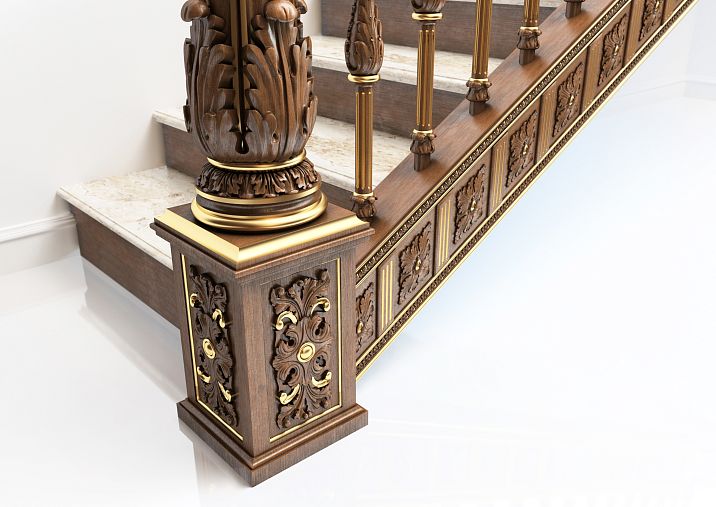
Imagine an interior that literally transforms before your eyes thanks to one single detail. An element that instantly gives space character, depth, and individuality. That is precisely the magical power of wooden column photo which can inspire a radical transformation of any space. In a world where digital technologies rapidly replace traditional materials, natural wood remains an ageless symbol of comfort, status, and impeccable taste.
Wooden columns are not just architectural elements. They are living history embodied in a material that breathes, changes, and becomes only more noble over time. Every texture, every shade, every curve is the result of centuries of master craftsmanship, passed down from generation to generation.
In this article, we will dive into the wonderful world of wooden columns, reveal their potential in modern design, and show how a properly chosen column can become not just a decoration, but a meaningful focal point of the entire interior. Ready to explore new horizons of design possibilities? Then welcome to the world of vertical aesthetics!

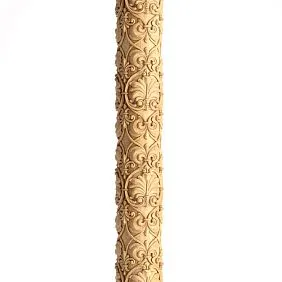
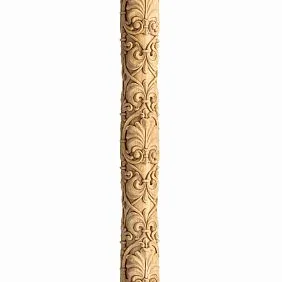


Evolution of wooden columns: from antiquity to modernity




Origins of architectural perfection
The history of wooden columns begins long before stone architecture emerged. Archaeological findings show that as early as the 6th-5th millennia BCE in Mesopotamia, wooden posts were used to support the roofs of temples and palaces. These first columns were simple in shape, but masters already strove to give them aesthetic appeal, decorating them with carvings and ornaments.
A true breakthrough in the art of creating wooden columns occurred in ancient Greece. It was the Greeks who developed the classical system of orders — Doric, Ionic, and Corinthian — which defined the canonical proportions and forms of columns for millennia to come. Interestingly, Greek temples were originally built with wooden columns, and only later was wood replaced by stone, preserving all the constructive and decorative features of the wooden prototype.
In ancient Rome, the art of column creation reached new heights. Romans added their own orders — Tuscan and Composite — to the Greek ones, and masterfully used columns not only as structural elements but also as tools of artistic expression. wooden column photo The Roman period demonstrates an amazing variety of forms and decorative solutions.
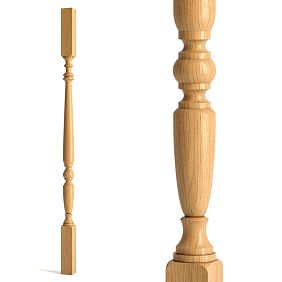
Our factory also produces:


Middle Ages and Renaissance: new horizons
In the medieval period, wooden columns became an integral part of Gothic architecture. Unlike massive Romanesque pillars, Gothic columns soared upward, creating an impression of lightness and weightlessness. Masters of that time virtuosically used wood, creating complex bundled columns that, like tree trunks, branched out beneath the vaults of cathedrals.
The Renaissance brought a revival of classical forms. Architects turned back to ancient models, but reinterpreted them according to new aesthetic ideals. Wooden columns of this period are characterized by mathematically precise proportions, harmony, and restrained elegance. This was especially evident in the architecture of Italian palazzi and villas, where wooden columns were often used indoors to create galleries and porticos.
Get Consultation
Baroque and Rococo: triumph of ornamentation
The Baroque era (17th century) and Rococo (18th century) brought a true flourishing of decorative arts. Wooden columns of this period are astonishing in their ornamentation: twisted trunks, lush capitals with botanical motifs, gilding, and polychrome painting. Columns ceased to be mere structural elements — they became true works of art, showcasing the virtuosity of woodcarvers.
Especially impressive examples of Baroque wooden columns can be seen in Catholic churches in Central and Southern Europe, where they are often part of complex altar compositions. In secular architecture, columns were used to decorate grand halls of palaces and mansions, creating an atmosphere of luxury and grandeur.
Classicism and Historicism: returning to origins
Classicism at the end of the 18th and beginning of the 19th centuries marked a return to strict ancient forms. Wooden columns of this period are characterized by clear proportions, simplicity, and restrained decoration. They were often used in interiors of urban mansions and estates, lending them a noble elegance.
The era of Historicism (second half of the 19th century) brought a fascination with various historical styles. Architects and designers freely borrowed forms from different eras, creating eclectic interiors where columns of different orders and styles could coexist. This period can be called an encyclopedic era in the history of wooden columns, when masters demonstrated virtuosity in mastering the entire arsenal of historical forms.
Modernism and modernity: a new interpretation of traditions
The Modern style (late 19th - early 20th century) brought a fresh perspective on traditional architectural elements. Wooden columns of this period are characterized by smooth, flowing forms inspired by natural motifs. Modernists abandoned strict adherence to classical orders, creating original, sometimes whimsical variations on the column theme.
In modern architecture and design, wooden columns are experiencing a true rebirth. Designers value them not only for their aesthetic qualities but also for their ecological nature, tactile appeal, and ability to create a warm, cozy atmosphere. Modern wood processing technologies allow for the creation of columns of the most diverse forms — from minimalist cylinders to complex sculptural compositions.
Anatomy of perfection: components of a wooden column
Classic structure: base, shaft, capital
A traditional column, regardless of the material used, consists of three main parts, each performing its own function and possessing its own design features.
Base (base) — the lower part of the column, providing stability and a smooth transition from the horizontal plane of the floor to the vertical shaft. In classical orders, bases have different configurations: from a simple slab in the Doric order to a complex profiled shape with moldings and volutes in the Ionic and Corinthian. In wooden columns, the base is often decorated with carving, emphasizing the transition from floor to shaft.
Shaft (fust) — the main part of the column, which may be smooth or fluted (with vertical grooves), straight or entasis (slight bulge in the middle). In wooden columns, the shaft often becomes a canvas for showcasing the beauty of wood texture or the skill of the carver. Twisted columns, where the shaft spirals, look especially striking in wooden execution due to the plasticity of the material.
Capital — the top part of the column, serving as a transition from the shaft to the supported structure (antabлемент, arch, vault). The capital is often the most decorative element of the column and the primary indicator of the order. Wooden capitals allow for creating the most complex carved compositions — from the strict geometric forms of the Doric capital to the lush botanical decoration of the Corinthian.
Proportions and sizes: the mathematics of beauty
The beauty of a classical column is largely determined by its proportions — the ratio of height to diameter, as well as proportional relationships between the base, shaft, and capital. These proportions are not random — they were developed and refined over centuries to create a visually harmonious form.
In classical orders, there are canonical proportions for each type of column:
- Doric column: height equals 7-8 shaft diameters
- Ionic column: height equals 9 shaft diameters
- Corinthian column: height equals 10 diameters of the shaft
In modern design, these proportions are often used as a starting point, but designers can freely vary them depending on specific tasks and context. wooden column photo Modern interiors demonstrate a remarkable variety of proportional solutions — from classically slender to intentionally massive or, conversely, refined.
Decorative elements: from classic to avant-garde
Decorative treatment of wooden columns can range from minimalist to extremely complex, depending on the interior style and artistic intent.
Fluting — vertical grooves on the column shaft, which visually lighten it and create an interesting play of light and shadow. In wooden columns, fluting can be deep or barely suggested.
Carving — one of the most common ways to decorate wooden columns. It can be relief or through-carving, geometric or vegetal, covering the entire column surface or accenting specific parts.
Inlay — decorating the column surface with inserts of other materials: mother-of-pearl, bone, metal, stone, or wood of other species. This technique was especially frequently used in furniture and small architectural forms of the Renaissance and Baroque periods.
Painting and gilding — traditional ways to decorate wooden columns in formal interiors. Painting can imitate more expensive materials (marble, bronze) or create independent decorative compositions.
Modern decorative solutions include using contrasting wood species, creating unusual textures, combining wood with other materials (glass, metal, concrete), and applying modern finishing materials that can either accentuate or, conversely, transform the natural beauty of wood.
Wood species for columns: character in texture
Fine oak: century-old strength
Oak rightfully ranks as the king among wood species for making columns. Its exceptional strength, durability, and resistance to moisture make it an ideal material for architectural elements that must withstand significant loads and serve for decades.
Oak texture with pronounced growth rings and characteristic radial rays gives columns a special expressiveness. The wood color varies from light golden to dark brown, acquiring a noble patina with age.
Oak columns are especially suitable for classical and neoclassical interiors, as well as for country, rustic, and chalet styles, where the natural beauty and texture of wood are valued. Thanks to its strength, oak allows creating columns with delicate and intricate carving that will last for many years.
Spruce and pine: accessible elegance
Coniferous species — spruce and pine — are the most accessible materials for making wooden columns. Despite their relatively low cost, these species have several advantages that make them a popular choice for columns in various interior styles.
Spruce wood has a beautiful golden hue and an expressive texture with noticeable growth rings. It is easy to work with, allowing the creation of columns of complex shapes at minimal cost. Spruce columns look great in Scandinavian interiors, Provence style, and modern eco-interiors.
Pine has a lighter, almost white color with a slight silver tone and less pronounced texture. Pine columns appear more restrained and elegant, and they are ideal for minimalist interiors and spaces in Scandinavian style.
Exotic species: uniqueness in every fiber
For those seeking truly unique solutions, exotic wood species offer an inexhaustible variety of colors, textures, and finishes.
Wenge — an African species with dark brown, almost black wood and contrasting grain. Wenge columns create a dramatic effect and become a focal point in modern minimalist interiors.
Padauk (rosewood) has a rich reddish-brown color with dark grain. Padauk columns look luxurious and exotic, and they are ideal for colonial or fusion style interiors.
Zebrawood got its name due to its distinctive striped texture resembling zebra coloring. Zebrawood columns create a striking graphic effect and become an accent element in modern interiors.
Teak — golden-brown wood with a silky sheen and oily texture. Teak columns radiate warmth and luxury, and they are especially suitable for interiors in Asian or Mediterranean styles.
Combined Solutions: Play of Contrasts
Modern wood processing technologies allow creating columns from combinations of different wood species, opening new possibilities for design experimentation.
Contrasting combinations of light and dark species (e.g., maple and wenge) create a graphic, modern look. Combining species with different textures (e.g., oak and Karelian birch) adds visual complexity and tactile variety to the column.
Columns with inlay look especially striking, where the main mass is complemented by inserts of contrasting species, creating complex geometric or vegetal ornamentation.
Functionality and aesthetics: the role of columns in modern interior design
Constructive function: support and zoning
Despite the existence of numerous alternative constructive solutions in modern architecture, wooden columns continue to successfully fulfill their original function - serving as supports for floors, arches, vaults, and other architectural elements.
In spacious rooms with open floor plans, columns are often used as zoning elements, allowing visual and functional division of space without using solid walls. This technique is especially popular in lofts, studios, and large country homes with open areas.
wooden column photo In modern interiors, columns demonstrate how functionality can be organically combined with aesthetics. Columns can be integrated into furniture compositions, supplemented with shelves, niches, or built-in lighting, transforming from purely constructive elements into multifunctional objects.
Decorative role: accent and character
In modern interiors, wooden columns often serve primarily a decorative function, becoming key elements that define the character and style of the space.
Columns can serve as vertical accents, drawing attention and structuring the visual perception of the interior. They can emphasize ceiling height, create a rhythmic composition, or serve as a frame for a particular view or fragment of the interior.
Depending on the design, columns can impart the space with different characteristics:
- Classical columns with canonical proportions create an atmosphere of solemnity and nobility
- Rustic columns made of rough-hewn wood introduce natural warmth and immediacy
- Minimalist columns with simple geometric forms add modern elegance
- Richly decorated columns with carvings and inlays become works of art and focal points
Psychological aspect: verticality as a symbol
Vertical elements in the interior, such as columns, have a deep psychological impact on humans. Verticality is traditionally associated with growth, development, and striving upward — both physically and spiritually.
Columns create a sense of structure and order in space, contributing to psychological comfort. They can visually 'raise' the ceiling, creating a sense of spaciousness and freedom, or, conversely, make a large space more proportionate to the human scale, adding coziness and protection.
Wooden columns, unlike stone or concrete columns, are perceived as warmer and more friendly. They introduce the natural energy of wood into the interior, which, according to numerous studies, positively affects a person’s psycho-emotional state, reducing stress and enhancing feelings of well-being.
Wooden Columns in Various Interior Styles
Classic and neoclassic: eternal elegance
In classical and neoclassical interiors, wooden columns are one of the key elements creating an atmosphere of noble elegance and historical continuity.
For these styles, columns of canonical orders with traditional proportions and details are characteristic. They may be crafted from solid oak, walnut, or mahogany, with meticulous attention to all elements — from the base to the capital.
In classical interiors, columns are often used in pairs to frame doorways, niches, fireplaces, or mirrors. They may be part of complex architectural compositions including pilasters, entablatures, cornices, and other elements of classical architectural language.
Finishing of columns in classical style may range from natural wood with transparent lacquer highlighting the beauty of the texture, to complex decorative techniques — gilding, patination, polychrome painting.
Country and rustic: natural simplicity
In interiors in the country, rustic, or chalet styles, wooden columns acquire a completely different character. Here, the natural beauty of wood, its texture, and even imperfections — knots, cracks, traces of time — are valued.
In these styles, columns are often made from massive logs or beams with minimal processing. They may retain bark or have a roughly finished surface, emphasizing the natural origin of the material.
In American country style, columns made of aged wood are popular, appearing as if they were taken from an old barn or farmhouse. In alpine chalets, massive columns made of coniferous species with expressive annual ring textures are characteristic.
Decor of such columns is minimalist and often limited to simple geometric patterns or traditional folk motifs. The main emphasis is placed on the natural beauty and character of the wood itself.
Modern and minimalist style: purity of lines
In modern minimalist interiors, wooden columns acquire concise, geometrically pure forms. They may be crafted as simple cylinders or prisms, without the traditional division into base, shaft, and capital.
Such columns feature an ideally smooth surface with matte or slightly glossy finish, highlighting the natural texture of the wood. Light-colored woods with subtle grain patterns — maple, beech, birch — are often used.
In minimalist interiors, columns can be integrated into the architectural concept of space, becoming part of an overall composition of simple geometric forms. They can combine with other materials — glass, metal, concrete — creating interesting contrasts of textures and finishes.
Despite their apparent simplicity, such columns require flawless execution, as in minimalist design, any flaw or inaccuracy immediately becomes noticeable.
Eclecticism and Fusion: Playing with Styles
In eclectic and fusion-style interiors, wooden columns become a canvas for bold design experiments. Here, elements from various styles and eras can be combined, along with unusual forms and decorative solutions.
Columns can combine classical proportions with modern materials or, conversely, avant-garde forms with traditional finishing techniques. Columns with contrasting inserts of metal, glass, stone, or other materials are popular.
In fusion style, columns inspired by various ethnic traditions — African, Asian, Latin American — are often used. They can be adorned with carvings featuring ethnic motifs, inlays, or traditional painting techniques.
An eclectic approach allows creating unique, personalized interiors, where wooden columns become an expression of the owner’s or designer’s individuality and creative vision.
Technical Aspects: From Selection to Installation
Load Calculation and Section Selection
If a wooden column serves not only a decorative but also a structural function, it is critically important to correctly calculate the load and select the appropriate section.
The load-bearing capacity of a wooden column depends on several factors:
- Tree species and its strength characteristics
- Column dimensions and cross-section shape
- Column height and method of attachment
- Nature and magnitude of the load (permanent, temporary, dynamic)
For load-bearing columns, hardwoods with high compressive strength — oak, beech, ash, larch — are typically used. The cross-section may be round, square, rectangular, or polygonal, depending on design and structural requirements.
It is important to remember that wooden columns have limitations in load-bearing capacity, especially at great heights. In some cases, reinforcement with a metal core or using glued laminated timber instead of solid timber may be required to increase strength and stability.
Joining and fastening methods
Proper connection and mounting of a wooden column are critically important for its stability and longevity. Several main methods exist:
Traditional joinery — dowels, dadoes, mortise-and-tenon joints — provide reliable connections between wooden elements without metal fasteners. These methods require high craftsmanship but create strong and aesthetically pleasing joints.
Hidden metal fasteners — special anchors, bolts, plates — allow securely attaching the column to the floor and ceiling without visible fasteners. This method combines modern reliability with traditional aesthetics.
Combined methods — combining wooden and metal connections — provide an optimal balance of strength, aesthetics, and ease of installation.
Metal plates or bases are often used to attach columns to the floor, secured to the foundation with anchors or screws. The upper part of the column may be attached to a beam, ceiling slab, or special bracket, depending on the building's structure.
Surface Protection and Treatment
Proper surface treatment and protection of a wooden column are crucial for its longevity and aesthetic appearance.
Sanding — the first and mandatory stage of processing, which ensures surface smoothness and prepares it for further finishing. Sanding is performed sequentially with abrasive materials of increasing grit to achieve a perfectly smooth surface.
Priming — applying special compounds that fill wood pores, improve adhesion of the final finish, and protect the wood from moisture and biological damage.
Staining — imparting the desired shade to the wood using stains, dyes, or colored oils. This stage allows highlighting the wood’s texture or, conversely, unifying it, as well as harmonizing the column’s color with the overall interior color scheme.
The final finish may vary depending on the desired effect and usage conditions:
- Lacquers (matte, satin, glossy) create a protective film on the wood surface
- Oils and waxes penetrate the wood structure, emphasizing its natural beauty and providing a 'breathable' finish
- Special protective compounds provide additional resistance to moisture, UV radiation, and mechanical damage
For columns installed in humid areas or subjected to heavy use, additional protection may be required — antiseptic and fire-retardant treatments, reinforced lacquer coatings.
Photo Gallery: Inspiration and Ideas
Classical Interiors with Wooden Columns
wooden column photo In classical interiors, traditional forms and proportions demonstrate majestic beauty. Imagine a grand hall with a row of slender Corinthian columns made of dark polished wood. Capitals adorned with lush acanthus ornamentation, meticulously crafted fluting on the shafts, elegant bases on marble plinths — all of this creates an atmosphere of noble luxury and historical continuity.
In more intimate classical interiors, columns are often used to frame doorways and openings. Two Ionic order columns flanking the entrance to a living room create the effect of a grand portico and emphasize the significance of the space. Made from light oak or ash with transparent lacquer finish, such columns bring warmth and coziness into the interior, softening the formality of classical style.
Columns look especially striking in libraries and classic-style offices. Positioned between bookshelves or at the corners of a desk, they create an atmosphere of academic seriousness and intellectual solidity. Dark wood with matte finish, highlighting the nobility of texture, makes such columns embodiments of traditional elegance.
Modern Solutions: Minimalism and Geometry
In modern minimalist interiors, wooden columns acquire a new sound. Imagine a spacious loft with high ceilings, where a row of slender cylindrical columns made of light maple creates a rhythmic structure in the space. Ideally smooth surface with barely noticeable matte sheen, absence of decorative details, purity of lines — these columns embody the modern aesthetic 'less is more'.
In eco-minimalist interiors, columns made from unprocessed tree trunks, preserving their natural shape, are popular. Such columns become a powerful visual accent and a link between architecture and nature. The contrast between the organic form of the trunk and the geometric purity of modern architecture creates an intriguing tension and depth.
An interesting modern solution — columns integrated into furniture compositions or architectural elements. For example, a column smoothly transitioning into a staircase curve, or a column becoming part of an integrated shelving unit. Such solutions blur the boundaries between structural and decorative elements, creating a cohesive, sculptural space.
Ethnic Motifs: From the East to the West
Wooden columns with ethnic motifs bring cultural depth and exotic charm into the interior. Imagine columns in Moroccan style with carved geometric ornamentation, covered in multi-layered colorful painting. Such columns become a striking accent in the interior, filling it with an atmosphere of Eastern fairy tale.
In interiors inspired by Japanese aesthetics, one can see minimalist wooden columns reminiscent of traditional supports in Japanese temples and homes. Made from dark wood with silky matte finish, such columns embody Zen philosophy of simplicity and naturalness.
Indian and Balinese motifs are expressed in richly decorated columns with carvings depicting deities, mythological creatures, and plant ornaments. Such columns are often patinated or artificially aged to create the effect of an ancient artifact.
In interiors in the style of American South or colonial Mexico, one can see columns inspired by Spanish Baroque — with twisted shafts, ornate capitals, and vibrant polychrome painting. They create an atmosphere of festive luxury and historical character.
Creative and Non-Standard Solutions
Modern design does not limit itself to traditional forms and solutions. wooden column photo In avant-garde interiors, creative approaches demonstrate incredible diversity.
Imagine a column that smoothly curves, as if under the influence of an invisible force, breaking all canons of verticality. Or a column that gradually 'dissolves' into separate elements, creating an effect of dematerialization. Such sculptural objects become not just architectural elements, but works of art, central points in the interior.
An interesting solution — columns with integrated lighting, which can be hidden inside hollow elements or embedded in special niches and grooves. Such light columns create a magical effect, especially in the evening, when light filtering through wooden elements creates whimsical patterns and shadows.
Columns can become part of an interactive space — for example, incorporating furniture elements (shelves, seating), technical devices (audio systems, climate control), or even live plants integrated into special niches and pockets.
Practical tips for selection and care
How to Choose the Perfect Column for Your Interior
Choosing a wooden column for the interior is a responsible decision that requires consideration of many factors:
Interior style — the column must harmoniously fit into the overall stylistic concept of the space. For classical interiors, traditional orders are suitable; for modern interiors — minimalist forms; for eclectic interiors — unusual, original solutions.
Room proportions — the column's dimensions (height, diameter) must correspond to the scale of the room. In small spaces, massive columns may create a feeling of confinement, while in spacious halls, too slender columns will appear disproportionate.
Functional purpose — if the column serves a structural function, its selection must consider technical requirements (load-bearing capacity, stability). If the column is purely decorative, aesthetic qualities take precedence.
Interior color palette — the color and texture of the wood must harmonize with the overall color scheme of the room. The column may be finished to match the floor or furniture, or alternatively, create contrast with surrounding surfaces.
Budget — the cost of wooden columns can vary significantly depending on the wood species, manufacturing complexity, and decorative finish. It is important to find an optimal price-to-quality ratio that fits your budget.
Caring for Wooden Columns: Preserving Beauty for Years
Proper care of wooden columns ensures their longevity and preservation of aesthetic qualities:
Regular dust cleaning — use a soft dry cloth or special brushes to remove dust from the column's surface and hard-to-reach areas (carved elements, recesses).
Moisture protection - avoid installing wooden columns in rooms with high humidity or provide additional surface protection using special water-repellent coatings.
Protection from direct sunlight - prolonged exposure to ultraviolet rays may cause fading and cracking of wood. Use protective finishes with UV filters or provide shading for columns during sunny hours.
Maintaining optimal microclimate - sudden changes in temperature and humidity may cause wood deformation. Try to maintain stable conditions in the room (temperature 18-24°C, relative humidity 40-60%).
Periodic renewal of protective coating - depending on the type of finish and usage intensity, it is recommended to renew the protective coating of columns (varnish, oil, wax) every 3-5 years.
Restoration when needed - in case of scratches, chips, or scuffs, consult professionals for professional restoration. Prompt repair of minor damage prevents more serious problems in the future.
Ecological aspects: responsible choice
In today's world, where ecological issues are becoming increasingly urgent, choosing wooden products requires a responsible approach:
Certified wood - prefer manufacturers using wood from sustainably managed forests, certified by FSC or PEFC. This guarantees that wood harvesting does not harm ecosystems or biodiversity.
Alternative materials - consider using columns made from fast-growing wood species (bamboo, eucalyptus), recycled wood, or wood-composite materials, which have a smaller ecological footprint.
Eco-friendly finishes - choose non-toxic, water-soluble varnishes and paints, natural-based oils and waxes that do not emit harmful substances during use.
Longevity as an ecological advantage - a high-quality wooden column can serve for decades, making it a more eco-friendly choice compared to short-lived materials requiring frequent replacement.


