Article Contents:
- Advantages of using wooden elements in decor
- Ecological and natural properties
- Versatility in application
- Creating coziness and warmth
- Durability and reliability
- Uniqueness and individuality
- Wooden elements for furniture, walls, ceilings: style and practicality
- How wooden decor helps create coziness in the home?
- Carved and three-dimensional wooden elements: examples and application
- Modern wooden decor elements: eco-friendliness and style
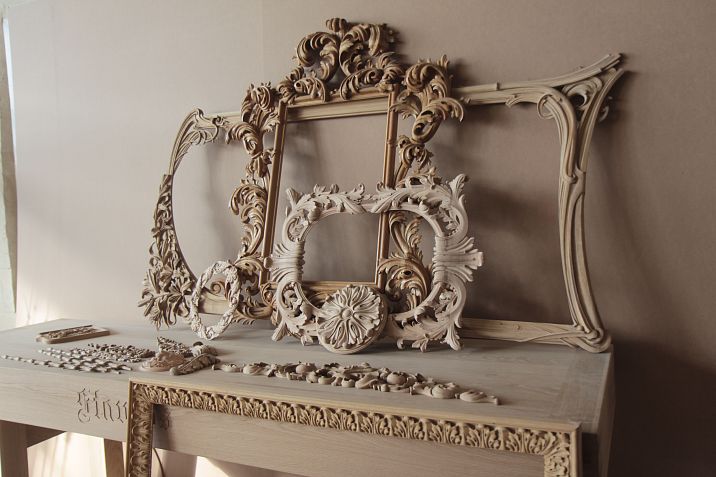
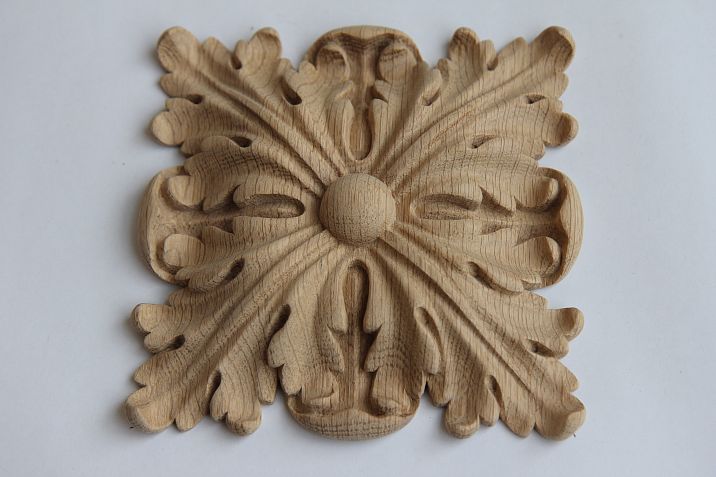
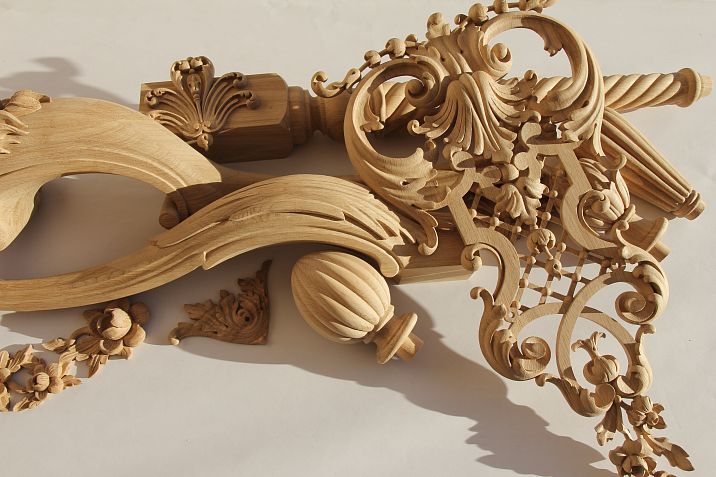
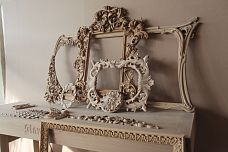
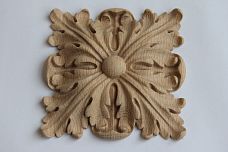
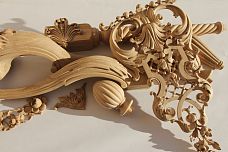
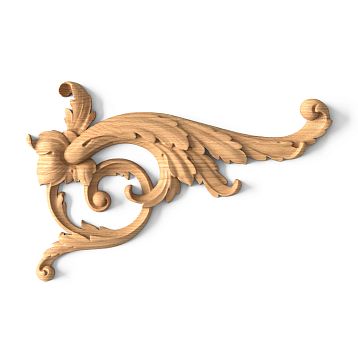
Wooden decor elements are a classic solution that remains relevant for centuries. They perfectly combine the beauty of natural material, durability, and versatility.Wooden decor elements They are suitable for decorating both classic interiors and modern spaces, bringing coziness, warmth, and natural harmony. In this article, we will examine why wooden decor is popular, where it is applied, and what unique advantages it offers.


Advantages of using wooden elements in decor
Wood is one of the oldest materials that people have used to decorate their homes. However, despite its centuries-long history, wooden elements remain incredibly popular today. Advantageswooden decorative elements are not limited to their natural beauty — it is a universal material capable of transforming any space, regardless of its style or purpose.




Ecological and natural properties
Wood is an eco-friendly and safe material that fits perfectly into modern trends of sustainable consumption. It is not only beautiful but also safe for health, as it does not emit toxic substances. In an era when more and more people strive to surround themselves with natural materials,wooden decor elements become an ideal choice for creating a comfortable and eco-friendly space.
● Air and atmosphere. Wood has a unique property to regulate humidity levels in a room, which is especially important for creating a favorable microclimate.
● Natural energy. Natural materials such as wood bring a sense of warmth, harmony, and closeness to nature into the home.
● Biological safety. Wood does not accumulate static electricity, making it especially suitable for rooms where maintaining a clean atmosphere is important, such as children’s rooms.
Our factory also produces:


Versatility in application
Wooden decor elements are suitable for decorating any space — from a country house to a modern apartment. They easily combine with other materials such as metal, glass, or textiles, adding depth and variety to the interior.
● For classic style. Wooden panels, carvings, and appliqués beautifully complement interiors in the Baroque, Empire, or Classicism styles, adding luxury and refinement.
● For modern directions. Minimalist wooden elements with clear lines and smooth surfaces are ideal for Scandinavian, loft, and eco styles.
● For eclecticism. Combining various materials, including wood, allows creating bold and unique interiors where different eras and styles blend.
Get Consultation
Creating coziness and warmth
Wood has a natural texture that makes it visually and tactilely pleasant. Even smallwooden decor elements for the home, such as frames, shelves, or figurines, can give a space coziness and warmth.
- Influence on perception of space.
Soft wood tones and its natural grain create a relaxing atmosphere, promoting rest and recovery. This is especially important for rooms where people spend a lot of time, such as bedrooms or living rooms. - Attractive aesthetics.
Each type of wood has a unique texture and color: from light beech to warm walnut or exotic wenge. This allows selecting decor perfectly matching the overall mood of the interior. - Visual unification.
Wooden elements can connect different zones in a house, creating a harmonious and cohesive image. For example, repeating accents of the same wood type — on furniture, ceilings, and walls — create visual unity.
Durability and reliability
High-quality processed wooden elements retain their attractiveness for decades. This is especially important for objects subjected to regular use or external influences.
● Resistance to time. Wood, when properly processed, is resistant to wear, cracking, and deformation.
● Restoration. Unlike many other materials, wooden elements can be easily restored or updated, giving them a new life.
● Suitable for any conditions. Wood can be used both indoors and for decorating facades, making it a universal choice.
Uniqueness and individuality
Eachcarved decor element, made of wood, is unique due to the natural wood grain. This makes each item unique, adding exclusivity to the interior.
● Handcrafted work. Hand-carved details allow creating true works of art that highlight the homeowner’s individual taste.
● Unique patterns. The wood texture creates a natural ornament that cannot be artificially reproduced.
● Aesthetics of nature. Wooden decor always looks 'alive', filling the home with the energy of nature and harmony.
Usewooden decorative elements It is not only an aesthetic choice but also a conscious step toward creating a cozy, eco-friendly, and long-lasting interior. In the next section, we will examine how wood is used to decorate furniture, walls, and ceilings, and learn how to create accent zones in your home using it.
Wooden elements for furniture, walls, ceilings: style and practicality
Wooden decor can transform any interior, highlighting its individuality and adding a sense of warmth and coziness.Wooden decor elements They are used in various areas of the home: they decorate furniture, walls, ceilings, becoming both functional and aesthetic. In this section, we will examine how to properly use wooden decor to create a stylish and harmonious space.
1. Wooden elements for furniture: elegance and renewal
Furniture is an important part of the interior, and withdecor elements for furniture you can easily transform its appearance, giving it elegance and individuality.
Popular types of wooden decor for furniture:
● Carved appliqués.
These details are used to decorate cabinet doors, chests, beds, and other items. They add charm and classic elegance to furniture.
● Mouldings and skirting boards.
Decorative mouldings emphasize the boundaries and lines of furniture, creating a neat and finished look.
● Handles and decorative inserts.
Wooden decor elements in the form of handles or inlays make furniture exclusive and stylish.
Example of application:
An old chest can be refreshed with carved appliqués and replacing handles with decorative wooden elements. This is an inexpensive way to breathe new life into familiar items.
Wooden walls — an effective and practical solution suitable for various interior styles.
Wooden walls are an eye-catching and practical solution suitable for various interior styles.Wooden decor elements for the homesuch as panels, appliqués, and carved inserts, help create accent zones that immediately attract attention.
Ideas for wooden wall decor:
● Panels and cladding.
Wooden panels are a universal solution for decorating an accent wall in a living room or bedroom. They add texture and visual interest.
● Carved appliqués.
TheseCarved Decorative Elements can be used to decorate walls, for example, as ornaments or decorative frames.
● Geometric constructions.
Modern designers often use wooden elements to create complex geometric patterns on walls.
Example of application:
In a bedroom, an accent wall made of wooden panels creates a cozy atmosphere and serves as an ideal backdrop for the bed.
3. Ceiling decor: elegance and volume
The ceiling is often underestimated part of the interior, although it can become the main accent in the room.Three-dimensional decorative elementssuch as beams, carved inserts, and moldings, will help make the ceiling expressive and stylish.
Ways to use wooden decor on the ceiling:
● Decorative beams.
Wooden beams are ideal for rustic or loft-style interiors. They add volume and depth to the space.
● Carved elements.
Details such as cornices and panels emphasize the room's style, adding elegance.
● Panels and cladding.
Wooden ceiling panels create an interesting texture and visually warm the space.
Example of application:
In a country house, decorative beams on the ceiling combined with soft lighting create an atmosphere of coziness and tranquility.
Advantages of wooden decor for furniture, walls, and ceilings
- Ease of installation.
Manywooden decor elements are easy to install, allowing you to refresh the interior without major renovation work. - Durability.
Wood retains its beauty and functionality for many years, especially if properly treated. - Harmony with any style.
Wooden decor suits both classic and modern interiors equally well. - Ecological safety.
Wood is an eco-friendly material that creates a healthy atmosphere in the home.
Continuing to usewooden decor elements for the homeyou can easily add stylish and practical accents to the interior. In the next section, we will examine how wooden decor helps create coziness and a warm atmosphere in your home.
How does wooden decor help create coziness in the home?
Wood is a material that literally breathes natural warmth and harmony. Even smallwooden decor elements can transform the atmosphere of a room, making it cozy and inviting for rest. In this section, we will examine how exactly wooden decor affects the perception of space and why it is so popular in creating a comfortable interior.
1. Natural aesthetics: natural textures and colors
Wooden surfaces bring natural beauty into the home, which always remains relevant. Natural shades—from light beech to rich walnut—make the interior lively and harmonious.
Why is this important for coziness?
● Natural patterns. Each piece of wood is unique: growth rings, texture, and small patterns create visual interest and emphasize naturalness.
● Calm shades. Natural wood colors help relax, creating a calming atmosphere. For example, warm tones of oak are ideal for bedrooms or living rooms.
● Tactile sensations. Wood feels pleasant to the touch, enhancing the feeling of coziness. Wooden furniture or decorative elements always seem 'alive' and warming.
Example of application:
In the living room, an accent wall made of wooden panels creates a natural harmony effect, especially when combined with plants and textiles.
2. Zoning space using wooden decor
Wood helps structure space, visually separating zones within a room. This is especially useful for open floor plans, where you need to define areas such as a lounge or dining area.
Ideas for zoning:
● Partition panels. Decorative wooden screens or semi-transparent partitions help define a workspace or play area.
● Moldings and rails. They can be used to highlight specific wall areas, such as a dining zone or TV area.
● Three-dimensional decorative elements. SuchCarved Decorative Elementsas wooden panels with patterns or geometric designs, serve as functional decoration for dividing space.
Example of application:
In a bedroom, vertical wooden rails attached behind the headboard create the feeling of a separate resting zone and add a stylish accent to the room.
3. Acoustic advantages of wood
Wood not only decorates the interior but also improves acoustics in the room. Thanks to its sound-absorbing properties, it absorbs noise, creating silence and tranquility.
How does it work?
● Wooden panels on walls or ceiling help reduce echo in the room, especially in large spaces.
● Furniture with wooden elements softens sound vibrations, creating a comfortable atmosphere.
Example of application:
In an office, wooden panels on the walls reduce noise levels and create more comfortable working conditions.
4. Warmth and coziness through light
Wood has the ability to reflect light, adding soft illumination to the room. This is especially important in rooms with insufficient natural lighting.
Tips for using wooden decor for lighting:
● Light tones. Use light-colored woods such as beech or birch to visually make the space brighter.
● Combination with lighting. Install lamps or lighting fixtures near wooden elements—this will highlight their texture and create a play of light and shadow.
● Accent items. Decorative wooden lamps or pendant lights add warmth and charm.
Example of application:
In the kitchen, light wooden panels on the ceiling combined with soft lighting make the space bright and cozy.
5. Coziness through material combinations
Wood combines perfectly with other materials such as metal, glass, or textiles. These combinations allow you to add variety to the interior while maintaining its harmony.
Ideas for combining:
● Wood and metal. Carved wooden elements combined with wrought metal details create an elegant style.
● Wood and textile. Add cushions, blankets, or rugs with soft textures to emphasize coziness.
● Wood and glass. This combination gives the interior lightness and modernity.
Example of application:
In the dining area, a table with a wooden top and a glass vase in the center looks cozy and modern.
6. Durability: comfort for many years
One of the key factors of coziness is the feeling of reliability.Wooden decor elements are durable and retain their attractiveness for decades.
● Quality treatment protects wood from damage and wear.
● Wooden surfaces can be easily refreshed with sanding or varnish as needed.
● Wooden decor becomes part of family traditions, passed down from generation to generation.
Using wooden decor is an ideal way to make your home cozy, functional, and beautiful. In the next section, we will examine carved and three-dimensional wooden elements, their features, and examples of their application in interior design.
Carved and three-dimensional wooden elements: examples and application
Carved and three-dimensional wooden elements are the embodiment of refined craftsmanship and artistic value. These details can add luxury, depth, and individuality to an interior, transforming it into a true work of art. Usingcarved decorative elements and three-dimensional structures allows you to create stylish accents that attract attention and highlight the uniqueness of the space.
1. Carved elements: traditions and elegance
Wood carving is an ancient art that remains popular today. Carved elements in interior design are not just decoration—they convey the history, style, and character of a home.
Popular carved decorative elements:
● Mouldings.
These decorative frames for windows and doors are used both indoors and on facades. They add elegance to a space and draw attention to key points.
● Carved panels.
TheseWooden decor elements are used to decorate walls, furniture, or ceilings. They can be crafted with geometric, floral, or traditional patterns.
● Decorative inserts.
are used for furniture, fireplaces, or mirrors. Carved inserts add individuality to objects and emphasize their style.
Example of application:
In the bedroom, you can decorate the headboard of the bed with a carved wooden panel featuring a floral pattern, adding romance and coziness to the room.
2. Three-dimensional decorative elements: style and expressiveness
Three-dimensional wooden elements are architectural and decorative details that add depth and texture to a space. They can be both functional and purely decorative.
Examples of three-dimensional decorative elements:
● Decorative beams.
are used on ceilings to create a rustic style effect or in loft interiors.
● Brackets.
These supporting elements serve to support shelves or protrusions while simultaneously decorating the interior.
● Carved columns and pilasters.
Ideal for decorating entryways, fireplaces, or arches.
Example of application:
In the living room, decorative beams on the ceiling combined with carved brackets create a harmonious look that draws attention and emphasizes the height of the space.
3. Advantages of carved and three-dimensional wooden elements
Carving and three-dimensional decor are the perfect combination of aesthetics and functionality. They suit various styles, whether classic, modern, or minimalist.
Advantages:
- Individuality.
Each carved element is unique due to the wood texture and handcrafted work. - Visual interest.
Three-dimensional elements add depth and structure to interiors, making them more lively. - Practicality.
Carvings and three-dimensional details can be used to conceal wall defects, zone spaces, or create accents.
Example of application:
On the kitchen, decorative brackets under open shelves serve not only as functional supports but also decorate the space.
4. Styles and combinations in using wooden elements
Carved and three-dimensional wooden decorative elements are suitable for various stylistic solutions:
● Classic. Use carved columns, capitals, and ornamented panels to create an elegant interior.
● Rustic. Decorative beams, simple carving, and rough wood texture are perfect for a rustic style.
● Modern interiors. Geometric patterns and minimalist three-dimensional elements add freshness and style to minimalist spaces.
5. Examples of using carved and volumetric elements in different rooms
- Living room.
Carved panels behind the sofa create an accent wall, and beams on the ceiling emphasize the room's height. - Kitchen.
Open shelves with decorative brackets, framed by carved inserts, add coziness and style. - Bedroom.
A bed headboard adorned with a carved panel, or decorative moldings on walls add romance. - Bathroom.
Wooden panels around the mirror or carved frames create an elegant and relaxing atmosphere.
Carved and three-dimensional wooden elements are the ideal way to highlight the individuality of the interior, making it stylish and cozy. In the next section, we will discuss modern trends in wooden decor that combine eco-friendliness and style.
Modern wooden decor elements: eco-friendliness and style
Modern interiors increasingly turn to eco-friendly and natural materials, among which wood holds a leading position.Wooden decor elements They remain popular due to their versatility, aesthetic appeal, and ability to adapt to any style. In this section, we will examine how wooden decor meets modern requirements for eco-friendliness and design.
1. Eco-friendliness as the main trend
Environmental awareness is a key aspect of modern design. Wood, as a renewable resource, is ideal for creating a safe and eco-friendly interior.
Why is wooden decor eco-friendly?
● Renewability.
Wood obtained from responsible forestry is a renewable material that can be used without harming nature.
● Minimal processing.
Modern technologies allow us to minimize chemical treatment of wood, preserving its natural properties.
● Safety.
Wooden items do not emit toxic substances, making them safe for use in any room, including children's rooms.
Example of application:
In a child's room, wooden panels on the walls create a safe and eco-friendly atmosphere, and the natural scent of wood improves the microclimate.
2. Simplicity and minimalism in design
Modern interiors value simplicity and functionality. Minimalistwooden decor elements With clear lines and natural texture, they perfectly fit into minimalist spaces.
Features of minimalist wooden decor:
● Smooth surfaces.
Wooden panels or furniture with a smooth texture look modern and stylish.
● Monochromatic shades.
White wood or dark species such as wenge emphasize the strictness and elegance of the interior.
● Functionality.
Decor serves not only an aesthetic but also a practical function—for example, wooden shelves or modular partitions.
Example of application:
In a studio apartment, wooden slats are used to zone the space, creating a light and stylish accent.
3. Innovations in wood processing and use
Modern wood processing technologies open up new possibilities for its application. Today, wooden elements can be both classic and ultra-modern.
Innovative solutions:
● Laminated wood.
This material is resistant to moisture and suitable for bathrooms or kitchens.
● Thin carving.
Modern equipment allows creating thin and complex patterns on wood, suitable for interiors in the modern style.
● Flexible elements.
Technologies allow making wooden panels flexible, opening up possibilities for creating curved structures.
Example of application:
In the bathroom, wooden panels with moisture-resistant treatment decorate the area around the mirror, creating coziness and style.
4. Combination of wood with other materials
Modern designers actively combine wood with other materials, creating stylish contrasts and adding uniqueness to the space.
Popular combinations:
● Wood and metal.
The cool sheen of metal highlights the warmth and texture of wood.
● Wood and glass.
Glass elements, complemented by wooden frames or inserts, create an airy and light interior.
● Wood and textile.
Soft cushions and blankets in combination with wooden panels make the room especially cozy.
Example of application:
In the living room, a glass coffee table with wooden legs looks modern and brings lightness to the interior.
5. Decor inspired by nature
Modern wooden elements are often inspired by natural forms and motifs. This can be either using natural wood texture or creating shapes resembling branches, leaves, or waves.
White paint for creating a Scandinavian style.
Natural forms.
Decorative elements with irregular edges or branch-like shapes.
Floral patterns.
Carved wooden panels featuring flowers or trees.
Rough texture.
Wood with minimal processing, where natural cracks and knots are visible.
Example of application:
In a country house, rough-textured wooden panels decorate the living room walls, creating the effect of a natural log cabin.
Conclusion
Modern wooden decorative elements are a unique combination of eco-friendliness, style, and versatility.Wooden decor elements They are ideal for both creating a cozy country house and decorating a minimalist urban interior. Thanks to innovations in wood processing and new design solutions, wood remains a relevant and sought-after material for various projects.
Use wooden decor to make your home stylish, warm, and eco-friendly. Your choice will not only be an aesthetic solution but also a contribution to creating a harmonious and healthy environment!