Article Contents:
- Evolution of perception: from function to form
- Reconsidering traditional purpose
- Philosophy of integration into living space
- Creative applications in various areas of the home
- Living room: center of attention
- Bedroom: intimacy and comfort
- Kitchen and dining room: functional beauty
- Stylistic directions and adaptation
- Classic interiors: returning to roots
- Modern directions: minimalism and functionalism
- Ethnic and exotic styles
- Technical aspects of integration
- Constructive solutions and fastenings
- Adaptation to various base materials
- Material science and processing
- Selection of wood species for interior use
- Modern Processing Technologies
- Lighting and Visual Effects
- Integration of lighting systems
- Play of Light and Shadow
- Economic Aspects and Planning
- Budgeting projects using balusters
- Staged Project Implementation
- Maintenance and care
- Features of operation in interior
- Restoration and renewal
- Trends in development and the future
- Innovative materials and technologies
- Ecological Aspects
- Conclusion
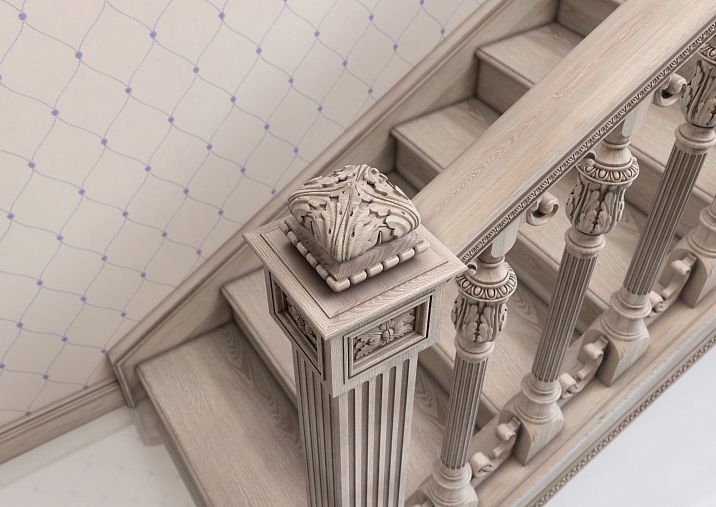
Imagine a home where every detail tells a story. Where architectural elements do not merely serve a functional role, but become true works of art. Balusters in interior They have long ceased to be mere elements of stair railings — they have become a powerful tool for creating a unique space capable of radically changing the perception of the entire house.
What happens when traditional architectural elements acquire new life in modern design? A magic of transformation emerges, where vertical supports become sculptural accents, and functional details turn into artistic objects. Modern designers have unlocked boundless possibilities for using balusters far beyond their original purpose.
In an era when individuality is valued above all else, balusters provide a unique opportunity to create an interior that cannot be replicated. They become a link between classic traditions and modern trends, between functionality and aesthetics, between architecture and art.


Evolution of perception: from function to form




Reconsidering traditional purpose
For many years, balusters were perceived exclusively as safety elements of stair structures. However, modern interior design has radically changed this perception. Today, these elegant vertical elements become independent decorative objects capable of transforming any space.
The revolution began with the understanding that the beauty of form can exist independently of its original function. Designers began to view balusters as sculptural objects possessing their own aesthetic value. Their proportions, texture, play of light and shadow — all of this became tools for creating atmosphere.
The psychology of spatial perception changes radically when vertical elements are introduced into the horizontal plane of the interior. Balusters create rhythm, set the direction of gaze, form visual connections between different zones of the room. They are capable of visually increasing ceiling height or, conversely, creating a sense of coziness and intimacy.
Modern wood processing technologies have expanded the possibilities of using balusters in interior design. Precise milling, laser engraving, innovative material joining methods have opened new horizons for creative self-expression. Each baluster can become a unique work of art.
Our factory also produces:


Philosophy of integration into living space
Integrating balusters into a modern interior requires a deep understanding of compositional principles and spatial thinking. This is not merely placing decorative elements — it is creating a cohesive concept where every detail contributes to a unified idea.
The principle of scale plays a key role in selecting the size and proportions of balusters for a specific room. In spacious living rooms, bold elements with rich ornamentation are appropriate, while compact spaces better suit more minimalist forms. Finding a balance between expressiveness and harmony is essential.
The color palette of balusters should either harmoniously blend with the existing interior palette or create a deliberate contrast. Natural wood tones offer versatility, but stained or painted variants can become striking accents in a neutral space.
Lighting plays a critical role in how balusters are perceived in an interior. Properly chosen lighting can highlight the material's texture, reveal the intricacies of carving, and create dynamic shadows. Built-in lighting transforms balusters into independent sources of ambient illumination.
Get Consultation
Creative applications in various areas of the home
Living room: the focal point of attention
The living room provides maximum opportunities for creative use balusters in interiorHere, they can serve as spatial dividers, creating functional zones without erecting permanent walls. This solution is especially relevant for studio apartments and open-plan spaces.
Columns made of balusters become architectural focal points capable of dramatically altering the perception of space. A group of three to five balusters, united by a common base and capital, creates the impression of an ancient colonnade. This solution imparts grandeur and monumentality to the interior.
Using balusters as supports for shelves opens up limitless possibilities for creating unique storage systems. Open shelving on balusters appears light and airy, not overwhelming the space. Each shelf can be individually designed to meet specific needs.
Decorative baluster partitions allow zoning of space while preserving its visual integrity. Varying the density of element installation creates different levels of privacy — from a subtle suggestion of separation to nearly complete zone isolation.
Bedroom: intimacy and comfort
In the bedroom, balusters assume a special role as creators of an intimate atmosphere. Here, their functionality is less important than their ability to foster a sense of security and coziness. Balusters can become elements of a headboard, creating a unique composition.
Boudoir zones using balusters as supports for mirrors and vanity tables transform an ordinary bedroom into an elegant private salon. Elegant baluster forms accentuate the femininity and elegance of the setting.
Closet systems based on balusters combine functionality with aesthetics. Vertical supports can hold clothing rods, shoe shelves, and drawer systems. The entire structure appears as a piece of furniture art.
Zoning the sleeping space using balusters allows creating separate functional areas — a relaxation zone, a work corner, a reading spot. The transparency of such division preserves the sense of spaciousness while clearly defining boundaries of different activities.
Kitchen and dining room: functional beauty
Kitchen space imposes special requirements on materials and construction. Balusters here must be not only beautiful but also practical, resistant to moisture, temperature fluctuations, and easy to maintain. Modern protective coatings allow using wooden elements even in high-humidity zones.
Kitchen islands with baluster supports become central elements of the culinary space. Such constructions combine the functionality of the work surface with the aesthetics of classic furniture. Balusters can support not only the countertop but also additional shelves and storage systems.
Bar counters on balusters create an elegant zone for quick breakfasts or evening gatherings. The height of standard balusters is ideally suited for creating bar structures, and their decorative quality transforms a functional element into an interior accent.
Wine racks made of balusters combine practical storage with display capabilities. Vertical elements create bottle compartments, while horizontal shelves provide additional space for accessories and decor.
Stylistic directions and adaptation
Classic interiors: returning to roots
The classical style provides the most natural environment for using balusters, as this is where they historically originated. However, a modern interpretation of classicism requires a delicate balance between tradition and current trends.
Neoclassical interiors allow for a more flexible interpretation of canonical forms. Balusters can be simplified, stripped of excessive ornamentation, yet still retain the nobility of proportions and elegance of silhouette. This approach enables integrating classical elements into modern living spaces.
Baroque and Rococo interiors require balusters with rich ornamentation, complex profiles, possibly with gilded or patinated elements. Here, carved details, floral motifs, and complex multi-element compositions are appropriate.
Empire style implies using balusters with military motifs, strict geometric forms, and elements evoking imperial grandeur. Such interiors require monumentality and grandeur.
Modern directions: minimalism and functionalism
Modern interior design radically redefines the role of decorative elements. Balusters in modern interior They become not ornaments, but functional objects with high aesthetic qualities.
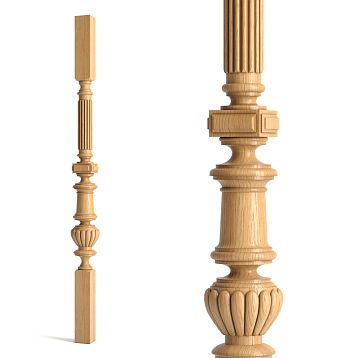
Minimalist balusters are characterized by extreme simplicity of form. Square or rectangular cross-section, absence of decorative elements, perfect geometry — all this creates a sense of modernity and technology. Such elements contribute to creating a clean, uncluttered space.
Scandinavian style requires balusters made of light-colored wood with minimal processing. Natural texture, simple forms, functionality — these are the main principles of this direction. Balusters here should create a sense of closeness to nature and eco-friendliness.
Loft interiors imply the use of balusters with industrial motifs. Combination of wood and metal, deliberate roughness of finish, visible fastening elements — all this creates an atmosphere of a repurposed industrial space.
Ethnic and exotic styles
Ethnic interiors offer unique opportunities for using balusters with national character. Each culture has its own traditions of wood processing, its ornaments and symbols, which can be embodied in balusters.
Eastern styles imply the use of balusters with motifs characteristic of Asian cultures. Japanese minimalism requires extreme simplicity of form, while Chinese style allows for richer decoration with traditional symbols.
African motifs in balusters are expressed through the use of exotic wood species, ethnic ornaments, stylized images of animals and plants. Such elements create an atmosphere of exoticism and adventure.
Mediterranean style implies balusters with elements characteristic of architecture of southern countries. These may include stylized columns, arch motifs, maritime themes in decoration.
Technical aspects of integration
Constructive solutions and fastenings
Using balusters outside their traditional purpose requires developing special constructive solutions. Each application imposes its own requirements for strength, durability, and fastening methods.
Floor fastenings must ensure structural stability under various loads. Heavy elements may require anchor fastening to the floor base. Hidden fastening systems preserve aesthetics but require more complex installation.
Ceiling fastenings are used to create suspended structures or elements working under tension. Here, the load-bearing capacity of the ceiling and correct load calculation are critically important.
Connections between balusters when creating complex compositions require special technical solutions. Traditional joinery methods, modern metal fasteners, or innovative adhesive systems may be used.
Adaptation to different base materials
Modern interiors use diverse materials for flooring, walls, and ceilings. Balusters must harmoniously match any surfaces, requiring adaptation of fastening systems.
Fastening to concrete bases requires using anchor systems or chemical anchors. It is important to ensure reliable connection with minimal impact on the base structure.
Wooden bases provide maximum opportunities for creating strong and aesthetically pleasing connections. Traditional joinery methods — dowels, nails, adhesive joints — may be used.
Metal structures require special transition elements for connecting with wooden balusters. It is important to consider the difference in coefficients of thermal expansion of materials.
Material science and processing
Selection of wood species for interior use
Using balusters in interior design imposes special requirements on material selection. Wood must not only be beautiful but also stable under residential conditions, resistant to changes in humidity and temperature.
Oak remains a classic choice due to its strength, beautiful texture, and versatility in processing. High tannin content provides natural protection against biological damage. Oak balusters can serve for decades while retaining their original appearance.
Ash attracts designers with its light color and expressive texture. This species is ideal for modern interiors where the natural beauty of the material is valued. Ash is easily stained, allowing it to be adapted to any color scheme.
Walnut is an elite material with noble chocolate coloring and complex texture pattern. Walnut balusters become true works of art, especially when used in classic interiors.
Modern Processing Technologies
Modern wood processing technologies open new possibilities for creating unique balusters. Computer-controlled machines allow reproducing the most complex shapes with perfect accuracy.
Laser engraving allows applying delicate ornaments, inscriptions, and images onto baluster surfaces. This technology opens opportunities for personalizing interior elements and creating unique design solutions.
Thermal treatment of wood changes its properties at the molecular level, increasing dimensional stability and resistance to external influences. Thermally treated wood acquires a noble dark tone and does not require additional protective treatment.
Pressure impregnation with special compounds provides deep protection of wood against moisture, fungi, and insects. Modern impregnants do not alter the material's appearance but significantly extend its service life.
Lighting and visual effects
Integration of lighting systems
Proper lighting can dramatically change perception balusters in interiorBuilt-in lighting systems transform functional elements into atmospheric light sources, creating a unique ambiance in the room.
Hidden lighting at the base of balusters creates the effect of elements floating above the floor surface. This solution is especially effective at night, when balusters turn into light pillars that define the rhythm of the space.
Contour lighting highlights the shape of balusters, revealing the subtleties of their profile. LED strips placed in special grooves create even illumination around the entire perimeter of the element.
Spot lighting allows you to emphasize individual decorative details and create play of light and shadow. Miniature LEDs can be embedded directly into the baluster body, creating an effect of internal illumination.
Game of Light and Shadow
Balusters create a complex play of light and shadow, which changes throughout the day depending on the position of the sun and artificial lighting. These effects can be used as an additional design tool.
Directional lighting allows you to create sharp shadows of balusters on walls and floors. These shadows become part of the decorative composition, adding additional graphic elements to the interior.
Diffused lighting softens contrasts, creating gentle transitions between light and shadow. This effect is especially suitable for bedrooms and relaxation zones, where a calm, relaxing atmosphere is important.
Colored lighting opens up possibilities for creating various moods depending on the time of day or occasion. The lighting control system allows you to change the color and intensity of backlighting with a single button press.
Economic Aspects and Planning
Budgeting projects using balusters
Using balusters in interior design requires careful budget planning. The cost of the project depends on many factors: material, complexity of processing, number of elements, methods of mounting, and need for additional structures.
Premium wood species significantly increase the project cost but ensure exceptional quality and longevity. Exotic species may cost 5-10 times more than local ones, but their unique texture and properties justify the additional expenses.
Processing complexity directly affects labor costs and, consequently, the price. Simple turned balusters are produced on automated equipment with minimal time investment. Carved items require skilled manual labor.
Mounting systems can constitute a significant portion of the project's total cost. Hidden mounts are more expensive than visible ones but provide better aesthetic results. Special constructions for non-standard applications require individual design.
Staged implementation of projects
Large projects integrating balusters into interiors are best implemented in stages. This allows financial load to be distributed over time and enables concept adjustments if necessary.
The first stage may include creating main accent elements — columns in the living room, partition structures. These elements set the overall tone of the project and allow you to assess the correctness of the chosen direction.
The second stage involves adding auxiliary elements to the main composition — shelves, decorative inserts, lighting systems. At this stage, the project is detailed.
The final stage includes creating small decorative elements, finishing touches, and setting up lighting systems. It is precisely at this stage that the project achieves completeness and individuality.
Care and Maintenance
Features of operation in interiors
Balusters used in interiors operate under more gentle conditions compared to stair railings. Absence of constant mechanical loads and protection from atmospheric influences significantly extend their service life.
Regular dust cleaning is the main requirement for maintaining interior balusters. Soft cloth or special brushes allow removing dirt without damaging the surface. It is important to avoid using aggressive cleaning agents.
Controlling humidity in the room helps prevent wood deformation. Optimal air humidity is 45-65%. Sudden fluctuations in humidity may cause material cracking or warping.
Protection from direct sunlight prevents uneven fading of wood. Curtains, blinds, or special window films help solve this problem in rooms with abundant natural light.
Restoration and renewal
Even with proper care, balusters may require periodic re-coating or minor repairs. Timely maintenance allows preserving the original appearance of elements for many years.
Updating protective coatings is recommended every 5-7 years depending on usage intensity. Modern coatings are easy to apply and dry quickly, minimally disrupting the usual rhythm of life.
Minor damages — scratches, dents — can be repaired locally without affecting the entire surface. Special repair compounds allow restoring damaged areas almost invisibly.
Professional restoration may be required for serious damage or if you wish to change the appearance of elements. Experienced craftsmen can restore even severely damaged balusters or adapt them to a new interior concept.
Trends in development and the future
Innovative materials and technologies
Development of material processing technologies opens up new possibilities for use balusters in interiorComposite materials, new types of coatings, integration of electronic components — all this shapes trends for the near future.
Smart balusters with built-in sensors can respond to human presence by adjusting lighting intensity or backlight color. Integration with "smart home" systems enables the creation of complex lighting and climate control scenarios.
Biomaterials based on recycled wood combine ecological sustainability with high performance characteristics. Such materials may possess improved properties compared to natural wood.
3D printing with wooden composites opens possibilities for creating balusters of complex shapes impossible with traditional processing. This technology allows creating unique items tailored to specific projects.
Ecological aspects
Environmental responsibility is becoming an increasingly important factor when selecting materials for interior design. Balusters made from certified wood, produced in accordance with ecological standards, meet the requirements of modern consumers.
Recycling old balusters allows them to be given a new life in modern interiors. Restoration and adaptation of antique elements create unique design solutions with history.
Local production reduces carbon footprint by minimizing transportation costs. Using local wood species supports regional economies and preserves traditional crafts.
Zero-waste production has become a standard in modern woodworking industry. Production waste from balusters is used to create other items or as biofuel.
Conclusion
Using balusters in interior design represents a unique opportunity to create a space where functionality harmoniously combines with aesthetics, and traditions intertwine with innovations. These versatile elements can radically transform any room, giving it individuality and character.
Modern wood production and processing technologies open boundless opportunities for creative self-expression. From classic carved forms to avant-garde geometric compositions — everyone can find a solution that matches their tastes and needs.
Economic efficiency of using balusters in interior design is demonstrated by their durability and versatility. Well-made elements serve for decades, while also adapting to changes in room design.
Ecological aspects are becoming increasingly important when selecting materials for the home. Natural wood from sustainably managed forests, safe coatings, and the possibility of recycling make balusters a responsible choice for modern consumers.
The future use of balusters in interior design is linked to the integration of new technologies, development of smart systems, and emergence of innovative materials. However, the foundation remains unchanged — the desire to create beautiful, comfortable, and functional living spaces.
Investing in quality balusters is an investment in the beauty, comfort, and longevity of your home. Properly selected and professionally installed elements will delight you and your loved ones for many years, creating an atmosphere of coziness and harmony.
STAVROS, with its rich experience in woodworking, offers a full range of solutions for integrating balusters into modern interiors. The combination of traditional craftsmanship with advanced technologies allows STAVROS to create items that become true works of art. Every STAVROS project embodies an individual approach, the highest quality, and a pursuit of perfection in every detail.