Article Contents:
- Philosophy of wooden furniture decoration
- Revival of Craft Traditions
- Psychology of perception of wooden elements
- Technological aspects of wooden baluster production
- Wood selection
- Innovative Processing Methods
- Design directions and stylistic solutions
- Neoclassicism in furniture design
- Scandinavian minimalism
- Ethnic motifs and cultural heritage
- Functional application of wooden balusters
- Transformation of classic furniture
- Creating custom furniture
- Restoration of antique furniture
- Technical specifications and quality standards
- Geometric parameters and proportions
- Criteria of wood quality
- Standards for Surface Treatment
- Ecological aspects and sustainable development
- Responsible forestry
- Zero-waste production
- Durability as an ecological factor
- Innovative technologies and the future of the industry
- Digital Design and Modeling
- Hybrid processing technologies
- Integration of smart technologies
- Economic aspects and market trends
- Market segmentation of wooden balusters
- Pricing trends
- Industry Development Prospects
- Cultural significance and artistic value
- Balusters as elements of cultural heritage
- Modern Interpretation of Classical Forms

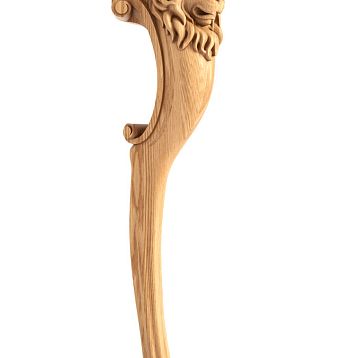
Imagine furniture that seems to come alive under the touch of the master, acquiring soul and character. It is precisely this magic that is created by wooden balusters for furniture — elegant vertical elements capable of transforming an ordinary piece of furniture into a work of art. These miniature architectural masterpieces carry centuries-old craftsmanship traditions, adapted to modern interior design needs.
In an era of mass production and standardization, wooden balusters made from natural wood have become a symbol of individuality and refined taste. They embody the philosophy of slow design, where every detail is crafted with special attention to quality and aesthetics. Wooden balusters for furniture production open up boundless opportunities for creative self-expression, allowing the creation of unique items that will become family heirlooms.


Philosophy of wooden furniture decoration




Revival of Craft Traditions
In the modern world of digital technologies and automated production, wooden furniture elements represent a return to the roots of artisanal craftsmanship. Each baluster carries the imprint of human hands, the warmth of natural material, and the energy of living wood.
Solid wood balusters embody the concept of sustainable design, where beauty combines with functionality, and traditions harmoniously intertwine with innovations. They become a connecting link between the past and the present, creating a bridge between classical canons and modern trends.
Our factory also produces:


Psychology of perception of wooden elements
Natural wood possesses a unique ability to affect human psychology, creating a sense of comfort and security. Wooden balusters in furniture activate ancient instincts associated with nature and natural habitats. Their tactile qualities, natural aromas, and visual texture contribute to stress reduction and the creation of a harmonious atmosphere in the home.
Studies show that the presence of wooden elements in interior design positively affects concentration, creative abilities, and overall emotional state of a person. Wooden balusters become not just decorative elements, but therapeutic tools that contribute to improving quality of life.
Get Consultation
Technological aspects of wooden baluster production
Wood selection
Creating quality baluster from wood for furniture begins with careful selection of wood raw material. Each wood species possesses unique characteristics that determine the final properties of the product.
Oak represents a standard of strength and durability. Its dense structure and expressive texture make oak balusters an ideal choice for creating furniture in a classic style. Natural tannins in the wood composition provide natural protection against pests and fungal damage.
Ash is distinguished by exceptional flexibility and impact resistance. Its light-colored wood with contrasting growth rings creates an eye-catching play of light and shadow on baluster surfaces. Ash elements are especially prized in Scandinavian and modern design.
Beech is characterized by uniform structure and excellent technological properties. Its wood is easy to process, stain, and tint, offering wide possibilities for color experimentation.
Innovative Processing Methods
Modern woodworking technologies allow creating furniture balusters with incredible precision and detail. Computer modeling and CNC machines ensure perfect repeatability of forms while preserving the individuality of each piece.
Laser engraving opens new horizons for decorating wooden balusters. This technology allows applying intricate ornaments, logos, and even photographic images with micron-level precision, creating truly unique works of art.
Thermal modification of wood increases its stability and durability without using chemical treatments. This eco-friendly process alters the structure of cell walls, making the material more resistant to moisture and deformation.
Design directions and stylistic solutions
Neoclassicism in furniture design
Modern interpretations of classical forms find expression in elegant furniture balusters that combine traditional proportions with innovative processing technologies. Neoclassical balusters are characterized by strict geometry, precise proportions, and refined, restrained decoration.
Special attention is paid to details: smooth transitions between sections, refined capitals and bases, subtle interplay of light and shadow on the relief surface. Such elements can transform an ordinary chest or shelf into an aristocratic piece of furniture worthy of palace interiors.
Scandinavian minimalism
Northern aesthetics dictate their rules in the design of wooden furniture elements. Scandinavian balusters are distinguished by minimalist forms, natural wood tones, and functional beauty. They embody the philosophy of 'hygge' — creating a cozy and harmonious atmosphere in the home.
Characteristic features of Scandinavian style include: minimal surface treatment, preservation of natural wood texture, light tones, and simple geometric forms. Such balusters are ideal for creating furniture in loft, eco-design, and modern minimalism styles.
Ethnic motifs and cultural heritage
Wooden balusters can become carriers of cultural traditions of various peoples. Russian motifs are embodied in carved elements with floral ornaments, geometric patterns, and symbolic imagery. Eastern traditions are reflected in elegant curves, ideographic symbols, and philosophical symbolism.
African motifs are characterized by expressive forms, contrasting textures, and ethnic ornaments. Such elements can bring an exotic atmosphere into the interior and highlight the owner's individuality.
Functional use of furniture balusters
Transformation of classic furniture
wooden balusters for furniture open up boundless possibilities for modernizing existing furnishings. A simple writing desk can become an elegant bureau if ordinary legs are replaced with elegant turned balusters. A bookcase acquires an aristocratic look thanks to decorative supports between shelves.
Balusters look especially striking as supporting elements for console tables, bar counters, and kitchen islands. They not only serve a structural function but also become the main decorative accent of the entire composition.
Creating custom furniture
Wooden balusters allow creating absolutely unique furniture pieces that cannot be found in mass production. Designer beds with balusters in the headboard, dining tables on carved supports, chairs with decorative elements — all of this becomes possible thanks to the versatility and beauty of wooden balusters.
Wine shelves acquire a special charm, where balusters serve as separators between sections, creating a rhythmic composition and ensuring secure bottle fixation. Such constructions become true masterpieces of furniture art.
Antique furniture restoration
Furniture balusters play a key role in restoring antique items. Often, these elements require replacement or restoration first. Modern technologies allow recreating lost details with historical accuracy, preserving the authenticity and value of antique pieces.
Restoration requires deep understanding of historical styles, mastery of traditional woodworking techniques, and artistic sensitivity. Each restored baluster must harmoniously fit into the overall composition without compromising the historical integrity of the item.
Technical Specifications and Quality Standards
Geometric parameters and proportions
Creating harmonious furniture balusters requires adherence to certain proportional relationships developed over centuries of architectural practice. The classical height-to-diameter ratio is 6:1 or 8:1, ensuring visual stability and elegance of form.
Baluster diameters vary from 30 to 80 millimeters depending on the scale of furniture and stylistic requirements. Height may range from 200 to 800 millimeters, allowing their use in various structural solutions.
Criteria for wood quality
High-quality furniture balusters are made from first-grade wood with moisture content not exceeding 8-12%. This ensures geometric stability and prevents deformation during use.
Special attention is paid to the absence of wood defects: knots, cracks, resin pockets, and other imperfections that may reduce strength or spoil the appearance of the item. Growth rings should be uniform, without abrupt density transitions.
Surface treatment standards
The quality of surface treatment of furniture balusters is determined by several parameters: roughness, geometric form accuracy, and finish coating quality. Modern standards require surface roughness not exceeding Ra 1.6 micrometers for surfaces intended for transparent finishing.
Final finishing includes multi-stage sanding with gradually decreasing abrasive grit, dust removal, and application of protective-decorative coatings. Quality coating should highlight the natural beauty of wood while providing reliable protection against external influences.
Ecological aspects and sustainable development
Responsible forestry
Production baluster from wood for furniture Closely linked to issues of ecological responsibility and sustainable development. Modern manufacturers increasingly turn to certified wood from managed forests, where principles of forest resource regeneration are observed.
FSC (Forest Stewardship Council) certification guarantees that wood is sourced from forests managed according to ecological, social, and economic standards. This ensures biodiversity conservation, protection of indigenous peoples' rights, and the economic viability of forestry.
Waste-free production
Modern technologies allow for nearly waste-free production of balusters. Sawdust and shavings are used to produce pellets and briquettes, offcuts are used to make small decorative elements, and substandard wood is processed into composite materials.
This approach not only reduces ecological impact but also increases production efficiency, ultimately reflected in the cost of finished products.
Longevity as an Ecological Factor
High-quality manufacturing of balusters ensures their longevity, which is an important ecological factor. Items that serve for decades reduce the need for replacement and renewal, lowering overall pressure on natural resources.
The possibility of restoring and modernizing wooden elements extends their lifespan and promotes a culture of careful treatment of material values.
Innovative technologies and the future of the industry
Digital design and modeling
The revolution in digital design opens new possibilities for creating balusters. Parametric modeling programs allow creating complex shapes previously inaccessible through traditional processing methods.
Virtual reality allows clients to see future products in the interior even before production begins, significantly reducing risks and increasing customer satisfaction.
Hybrid processing technologies
Combining traditional woodworking methods with modern technologies creates unique opportunities for producing balusters. Robotic systems ensure high precision and repeatability, while manual finishing gives each item individuality.
3D printing with wooden composites opens prospects for creating balusters with complex internal structures, impossible with traditional solid wood processing.
Integration of smart technologies
The future of balusters may include integration with smart home systems. Built-in sensors, LED lighting, and wireless charging devices will transform decorative elements into functional components of modern interiors.
Such innovations do not compromise the aesthetics of wooden products but rather expand their functional capabilities and increase their value for consumers.
Economic aspects and market trends
Market segmentation of balusters
The market for wooden balusters is characterized by clear segmentation by price categories and quality characteristics. The premium segment includes items made from valuable wood with handcrafted work and unique design. The mid-range segment features quality mass-produced balusters from traditional wood species.
The budget segment targets items made from coniferous species with simple processing, intended for basic furniture structures. Each segment has its own target audience and specific requirements for quality and design.
Pricing trends
The cost of balusters is determined by multiple factors: wood species, processing complexity, order volume, production timelines, and level of customization. Premium items made from exotic species may cost dozens of times more than standard pine balusters.
Growing demand for eco-friendly materials and unique design solutions supports sustained price growth in the premium segment, while automation of production helps reduce the cost of mass-produced items.
Industry Development Prospects
The furniture industry is undergoing a transformation period linked to changing consumer preferences and development of new technologies. Demand is rising for customized solutions, eco-friendly materials, and multifunctional furniture.
These trends create favorable conditions for the development of the baluster market, especially in the premium and designer segments. Manufacturers capable of combining traditional craftsmanship with innovative technologies gain competitive advantages.
Cultural significance and artistic value
Balusters as elements of cultural heritage
Wooden balusters are carriers of cultural traditions and artistic canons of various eras. They reflect aesthetic preferences, technological capabilities, and social characteristics of their time, becoming unique historical documents.
Studying the evolution of forms and decoration of balusters allows tracing the development of artistic styles, understanding the influence of various cultures, and assessing the craftsmanship of artisans of the past. This makes them valuable objects for researchers of art and design history.
Modern interpretation of classical forms
Modern designers and artisans find new ways to interpret classic baluster forms, adapting them to contemporary aesthetic requirements and functional needs. This creates a unique synthesis of tradition and innovation, enriching modern design culture.
This approach allows preserving cultural continuity without limiting creative freedom and opportunities for experimentation. The result is items that simultaneously honor the past and look toward the future.
Wooden balusters made from natural wood represent a unique combination of functionality, beauty, and cultural value. They can transform ordinary furniture into works of art, create a unique atmosphere in interiors, and become objects of pride for owners.
In a world of mass production and standardization, wooden balusters remain symbols of individuality, quality, and refined taste. Their creation requires high craftsmanship, deep knowledge, and artistic intuition, making each item truly unique.
Investing in quality balusters is an investment in beauty, longevity, and emotional comfort. They create a connection with nature, highlight the owner’s status, and convey the warmth of human hands that crafted these small masterpieces.
STAVROS company has been a recognized leader in creating exclusive wooden items for the furniture industry for many years. Our masters combine centuries-old woodworking traditions with modern technologies, crafting balusters that become true works of art. Every item leaving our workshops carries a piece of the master’s soul and a guarantee of flawless quality, proven by decades of successful work in the premium wooden products market.