












































































Article Contents:
- Historical Overview: Evolution of Framing Types
- Ancient World: Origins of Traditions
- Middle Ages: From Romanesque to Gothic
- Renaissance and Baroque: Return to Classicism and New Interpretations
- Classicism and Historicism: Canonical Forms and Eclecticism
- Modernism and Contemporary Design: New Aesthetics and Technologies
- Classification of Framing Types by Application Objects
- Window Opening Framing
- Door Opening Framing
- Architectural Opening Framing
- Niche and Panel Framing
- Fireplace Framing
- Mirror and Painting Framing
- Typology of Framing by Constructive Features
- Surface-Mounted Framing
- Built-In Framing
- Combined Framing
- Grid Deck Framing
- Materials for Framing Production
- Wood: Traditions and Natural Beauty
- Stone: Monumentality and Nobility
- Gypsum and Plaster: Plasticity and Expressiveness
- Polyurethane and Composite Materials
- Metal and Glass: Contemporary Aesthetics
- Manufacturing and Installation Technologies for Frames
- Design and Preliminary Work
- Technologies for Working with Wood
- Working with Stone and Gypsum
- Modern Technologies and Materials
- Installation and Mounting of Frames
- Stylistic Solutions in Opening Framing
- Classic Style: Harmony and Proportion
- Baroque and Rococo: Opulence and Dynamism
- Modernism: Natural Motifs and Asymmetry
- Minimalism: conciseness and functionality
- Ethnic styles: cultural diversity
- Innovative Solutions and Modern Trends
- Integrated lighting
- Smart technologies
- Ecological sustainability and development
- Personalization and individual approach
- Practical recommendations for selection and care
- Choosing style and material
- Care for frames made of various materials
- Restoration and renewal
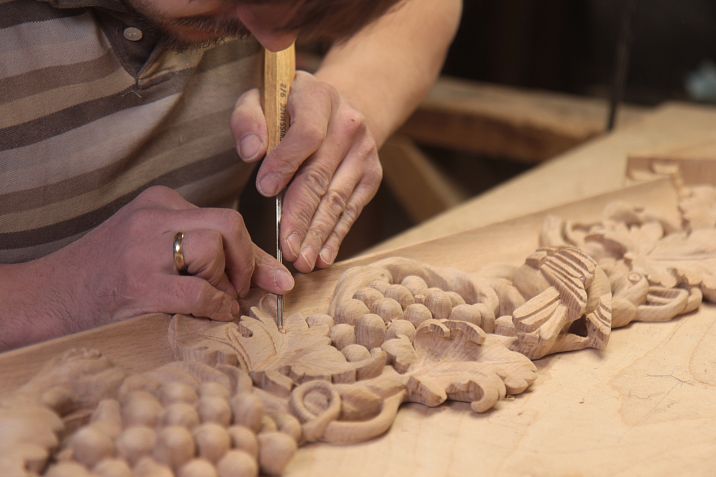
In the world of architecture and design, there are elements capable of transforming the appearance of any object, giving it completeness and stylistic unity. Among such elements, special place is occupied by types of framing – architectural details that not only serve a decorative function but also act as important structural elements protecting openings, joints, and transitions from external influences.
Framing is a unique architectural language, allowing to emphasize the style of a building, highlight significant elements, and create a harmonious composition. From classical cornices to modern minimalist solutions – types of framing they reflect the aesthetic preferences of the era, technological capabilities, and functional requirements.
In this article, we will consider the diversity of framing types, their historical development, materials used, technological features, and application in various architectural styles. This information will be useful for professionals – architects, designers, builders – as well as for anyone interested in creating a harmonious and aesthetically pleasing space.



Historical Overview: Evolution of Framing Types
The history of architectural framing spans millennia and is closely linked to the development of construction technologies and aesthetic perceptions of various epochs. Let us trace how types of framing has changed throughout human history.




Ancient World: Origins of Traditions
In the architecture of ancient Egypt, Mesopotamia, Greece, and Rome, window and door openings were framed not only for decorative but also for important structural purposes. They distributed loads, protected the edges of openings from damage, and emphasized the significance of entrances to temples and palaces.
Ancient Greek architects developed an order system, where each element, including frames, adhered to strict proportions and canons. The Doric, Ionic, and Corinthian orders offered various types of framing with distinctive features:
- Doric order was characterized by simplicity and strictness of forms
- Ionic offered more elegant solutions with volutes and ornaments
- Corinthian was characterized by richness and ornamentation with plant motifs
Romans, adopting Greek traditions, added their innovations, particularly arched constructions, which required special types of frames with voussoirs and impost blocks.
Our factory also produces:






Middle Ages: from Romanesque to Gothic
During the Romanesque period, massive walls with small openings framed by simple stone lintels prevailed. With the development of the Gothic style, windows and doors became larger, and their frames became more complex and ornate.
Gothic types of framing distinguished by:
- pointed arches
- multi-tiered profiles
- rich sculptural decoration
- stained glass fillings
Gothic cathedral portals were especially expressive, representing complex architectural compositions with numerous symbolic elements.
Get Consultation
Renaissance and Baroque: Return to Classicism and New Interpretations
The Renaissance era marked a return to classical ideals, but with a new understanding of space and proportions. Renaissance architects created harmonious types of framing using the order system, but adapted them to new construction technologies and aesthetic concepts.
Baroque introduced dynamism and theatricality into architecture. The framing of this period is characterized by:
- Complex curved forms
- Broken pediments
- Opulent sculptural decoration
- Contrasts of light and shadow
Baroque masters virtuosically employed various types of framing to create dramatic effects and illusions of movement.
Classicism and Historicism: Canonical Forms and Eclecticism
Classicism returned architecture to the strictness and rationality of classical forms. types of framing In this style, symmetry, restraint, and precise adherence to proportions were characteristic. Typical elements included triangular and semicircular arches, pilasters, and keystones.
The 19th century, with its enthusiasm for historical styles, gave rise to numerous eclectic types of framesborrowed from various epochs and cultures—from neo-Gothic to neo-baroque and neoclassical.
Modern and Contemporary: New Aesthetics and Technologies
At the turn of the 19th and 20th centuries, the modern style proposed a fundamentally new approach to architectural framing, abandoning direct citation of historical styles. Modernism is characterized by:
- Smooth, flowing lines
- Asymmetrical compositions
- Natural motifs in decoration
- Use of new materials and technologies
Contemporary architecture offers infinite variety types of frames — from minimalist solutions in the high-tech style to complex compositions using innovative materials and technologies.
Classification of frame types by application objects
different architectural elements require specific types of framesconsidering their functional and aesthetic features. Let us consider the main types of frames depending on the application object.
Window opening frames
Windows are not just sources of light, but also important architectural elements that shape the appearance of a building. types of framing Window openings are extremely diverse and depend on the building's style, purpose, and climatic conditions.
In full configuration, window frames may include the following elements:
- Soffits – surfaces of the window opening
- Lintels – applied strips around the opening, arranged in a closed contour or in the shape of the letter 'P'
- Sill – cornice above the window
- Brackets for the cornice
- Sill or drip
- Keystone – decorative element at the top of an arched opening
- Mullion panels – sill or side
- Pilasters or half-columns along the sides of the opening
- Pediment or lunette above the window
characteristic for various architectural styles types of framing windows:
Neoclassicism prefers symmetrical compositions with triangular or semi-circular cornices, often using pilasters and modular units.
Baroque favors lavish, dynamic frames with broken pediments, volutes, cartouches, and sculptural elements.
Modernism offers asymmetrical compositions with flowing lines and vegetal motifs.
Modern architecture often uses minimalist frames that emphasize proportions and material quality.
Door opening frames
Door openings, especially entrances, traditionally received particularly expressive framing, emphasizing their significance as boundaries between different spaces. types of framing door openings may include:
- Portals – architectural compositions framing the door opening
- Mouldings – decorative strips framing the opening along the perimeter
- Columns or pilasters on the sides of the opening
- Antabлемент with frieze and cornice
- Frieze or arch above the opening
- Keystone – decorative element at the top of an arched opening
Entrance portals often serve not only a decorative but also a practical function, protecting the entrance from atmospheric influences and creating a transitional zone between the exterior and interior spaces.
Inter-room types of framing may be more minimalist, but also play an important role in forming the stylistic unity of the interior.
Framing of arched openings
Arches – one of the most popular types of openings, capable of giving the interior a distinctive character. Arched openings can be decorated in various ways, depending on the interior style and the shape of the arch itself.
types of framing arched openings may include:
- Archivolts – profiled elements following the contour of the arch
- Imposts – horizontal elements from which the arch begins to curve
- Keystone stones at the top of the arch
- Pinnacles – supporting elements at the bottom points of the arch
- Columns or pilasters supporting the arch
Arches come in various forms – semicircular, pointed, horseshoe, elliptical, and each form requires a specific approach to framing.
Framing of niches and panels
Niches and decorative panels – architectural elements that often become compositional centers of the interior. Their framing helps emphasize the shape and significance of these elements.
types of framing niches and panels may include:
- Profiled mouldings along the perimeter
- Decorative consoles or brackets
- Pilasters or columns on the sides
- Decorative elements at the top – cartouches, medallions, emblems
Fireplace framing
Fireplaces traditionally are central elements of the interior, around which living space is organized. types of framing Fireplace portals (portals) are distinguished by particular expressiveness and often become the main decorative accent of the room.
Fireplace portal may include:
- Side supports – columns, pilasters, caryatids
- Frieze – horizontal band with decorative elements
- Crown molding – an protruding element that completes the composition
- Shelf for placing decorative items
- Decorative elements – coats of arms, cartouches, plant ornaments
The stylistic approach of a fireplace portal usually corresponds to the overall interior style – from classical solutions with columns and pediments to modern minimalist compositions made of stone, metal, or glass.
Mirror and picture frames
Mirrors and pictures require a special approach to framing, which must not only protect the artwork but also harmoniously integrate it into the interior. types of framing Mirrors and pictures (frames) can be executed in various styles and techniques:
- Classic profiled frames with gilding
- Carved wooden frames with plant ornamentation
- Minimalist modern frames made of metal or wood
- Complex compositions with cartouches, volutes, and festoons
The choice of frame depends not only on the interior style but also on the character of the artwork itself – its size, color scheme, subject, and era of creation.
Classification of frames by constructive features
In addition to classification by application objects, types of framing frames can be systematically categorized by their constructive features and mounting method.
Surface-mounted frames
Surface-mounted frames are attached directly to the wall surface around the opening. This type of frame is the most common due to its ease of installation and wide decorative possibilities.
Surface-mounted types of framing can be:
- Flat – consisting of profiled strips of various widths
- Three-dimensional – with protruding elements that create play of light and shadow
- Combined – combining flat and three-dimensional elements
Built-in frames
Built-in frames are integrated into the opening structure during construction or major renovation. They form a single unit with the opening and often serve not only a decorative but also a structural function.
to built-in frame types are:
- Jambs – inner surfaces of the opening
- Lintels – structural elements above the opening
- Built-in arches and vaults
Combined frames
Combined frames combine elements of surface-mounted and built-in constructions, creating complex architectural compositions. Such types of framing are often used in classical architecture and historical styles.
Combined framing may include:
- Built-in soffits and lintels
- Surface-mounted casings and pilasters
- Projecting sills and cornices
- Decorative elements – keystones, consoles, rosettes
Framing for grid decks
A special category comprises types of framing for industrial structures such as grid decks. Depending on functional requirements and installation location, several types of framing are distinguished:
- Type A – standard framing, height equal to the load-bearing strip height
- Type B – framing with height less than the load-bearing strip height, recommended for drainage systems
- Type D – framing significantly projecting above the grid plane, used as a protective flange
- Type E – framing projecting below the load-bearing strip, used when the grid height is lower than the support profile height
- Type G – framing made of metal angle, height equal to or greater than the load-bearing strip height
- Type Z – framing made of Z-profile, used to reduce span and increase load
Materials for manufacturing frames
Choice of material for types of frames determine not only their appearance but also durability, practicality, and cost. Let us consider the main materials, their characteristics, and application specifics.
Wood: traditions and natural beauty
. Its natural beauty, warmth, and eco-friendliness make wooden framing especially attractive for residential interiors. types of framesIts natural beauty, warmth, and eco-friendliness make wooden frames especially attractive for residential interiors.
Different wood species offer various possibilities for framing:
Oak – symbol of strength and durability. Oak frames differ:
- Expressive texture with visible growth rings
- High density and resistance to mechanical damage
- Ability to acquire a noble tone over time
- Excellent compatibility with classic interiors
Spruce – affordable and practical option with characteristics:
- Light, warm tone
- Good workability
- Relatively low cost
- Susceptible to deformation when humidity changes
Larch – ideal choice for rooms with high humidity:
- Exceptional resistance to rot and moisture
- High density and strength
- Beautiful amber tone
- Durability without additional treatment
Exotic species (mahogany, wenge, teak) offer unique types of framing with unusual textures and shades, but require special handling and care.
Wooden frames can be executed in various techniques – from simple profiled casings to complex carved compositions with inlays and gilding.
Stone: monumentality and nobility
Natural stone has traditionally been used to create monumental frames in significant public buildings, palaces, and temples. Stone types of framing distinguished by exceptional durability, strength, and majestic appearance.
Marble – classic material for refined frames:
- Distinctive vein pattern
- Ability to polish to a mirror finish
- Variety of shades – from white to black
- Susceptible to acid and pollution exposure
Granite – choice for durable exterior frames:
- Exceptional strength and wear resistance
- Resistance to atmospheric effects
- Variety of textures – from polished to bucharde
- Wide color palette
Limestone and sandstone offer softer, warmer types of framing:
- Ease of processing
- Natural earthy tones
- Porous structure, creating an interesting texture
- Good compatibility with brickwork
Gypsum and plaster: plasticity and expressiveness
Gypsum and plaster compositions allow creating plastic, detailed types of framing with rich texture and relief. These materials were traditionally used to create sculptural decoration in Baroque, Rococo, and Neoclassical interiors.
Advantages of gypsum moldings:
- Ability to create complex shapes and fine details
- Lightness (compared to stone)
- Good sound and thermal insulation properties
- Ecological safety and fire resistance
Modern gypsum mixes with polymer additives have increased strength and water resistance, expanding their application possibilities.
Polyurethane and composite materials
Modern technologies offer an alternative to traditional materials in the form of polyurethane and composite products for creating types of framesThey are characterized by lightness, ease of installation, resistance to moisture and temperature fluctuations.
Polyurethane moldings have several advantages:
- Accurate reproduction of complex shapes and textures
- Low weight, not creating load on structures
- Resistance to rot, insects, and mold
- Ease of installation and maintenance
Composite materials, combining properties of various components, are also used in creating moldings. They can imitate wood, stone, metal, but also have improved performance characteristics.
Metal and glass: modern aesthetics
In modern architecture, especially in high-tech and loft styles, popularity is gained types of framing using metal – aluminum, steel, copper, brass. Metallic elements can have various finishes – from polished to aged, with patina.
Glass, especially in combination with metal, allows creating light, airy moldings that visually do not weigh down the space. Modern glass processing technologies – from sandblasting to fusing – open up wide possibilities for creating unique decorative effects.
Manufacturing and installation technologies for frames
Creating quality types of frames Requires not only artistic taste but also technical skill, knowledge of material properties and technologies for their processing.
Design and preparatory work
The process of creating moldings begins with design – defining style, dimensions, proportions, materials, and decorative elements. At this stage, detailed drawings or 3D models are created, allowing visualization of the final result.
Preparatory work includes:
- Accurate measurements of the opening or object to be framed
- Surface preparation – cleaning, leveling, priming
- Marking for precise positioning of elements
- Material preparation – cutting, pre-processing
Woodworking technologies
Creating wooden types of frames – is an art requiring deep understanding of wood properties and mastery of various processing techniques.
The process includes the following stages:
- Selection and preparation of material – the wood must be well-dried (moisture not exceeding 12-15%), without visible defects.
- Cutting – manufacturing blanks of the required size with allowances for processing.
- Creating profile – using milling or hand tools, a decorative profile is formed according to the selected design.
- Carving (if necessary) – creating decorative elements using chisels, gouges, or modern CNC equipment.
- Sanding – careful surface treatment to remove irregularities and create a smooth surface.
- Assembly – joining individual elements using glue, dowels, screws, or other fasteners.
- Final finishing – priming, toning (if necessary), varnishing or painting to protect the wood and achieve the desired appearance.
For creating complex shapes in wooden moldings, wood bending technique may be used. The best materials for bending are white and red oak, beech, ash, which after special treatment can take almost any shape.
Working with stone and gypsum
Creating stone types of frames requires special equipment and high-skilled craftsmen. The process includes:
- Selecting stone based on its strength, decorative qualities, and resistance to external influences.
- Cutting to obtain blanks of the required size.
- Surface treatment – sanding, polishing, creating texture (buckard, thermal treatment, etc.).
- Sculptural processing – creating reliefs, ornaments, sculptural elements.
- Installation – mounting elements using special fasteners and mortars.
Gypsum moldings are manufactured by casting into molds, allowing creation of complex decorative elements with high detail. The process includes:
- Creating a model – prototype of the future product.
- Manufacturing the mold – usually from silicone or other elastic materials.
- Casting – filling the mold with gypsum mixture.
- Removing the product after gypsum hardening.
- Final processing – sanding, priming, painting.
Modern technologies and materials
Modern technologies significantly expand the possibilities for creating types of frames:
- 3D modeling allows creating complex shapes and visualizing the result before production begins.
- CNC milling ensures high precision and repeatability when manufacturing wooden and plastic elements.
- 3D printing opens new possibilities for creating unique, personalized frames.
- Laser cutting allows creating intricate metal and wooden elements with high precision.
Polymer materials such as polyurethane offer an alternative to traditional materials, combining lightness, strength, and ease of installation.
Installation and mounting of frames
Installation types of frames – a responsible stage, the quality of which affects not only the appearance but also the durability of the structure. The installation technology depends on the frame material and the characteristics of the opening or object:
- Surface preparation – cleaning, leveling, priming.
- Marking – drawing lines for precise positioning of elements.
- Fastening – depending on the material, various methods are used:
- Wooden elements are fastened with nails, screws, or glue.
- Stone elements are mounted on special fasteners and mortars.
- Gypsum elements are secured with adhesive, screws, and anchors.
- Polyurethane elements are installed using special adhesive.
- Joint processing – filling gaps, spackling, sanding.
- Final finishing – painting, varnishing, patination.
Special attention during installation is paid to the accuracy of connections, especially at corner joints. The most popular and aesthetic method of connection is "on the edge" or "on the angle," where elements are cut at a 45° angle and joined to form a neat joint.
Stylistic solutions in frame design
types of framing play an important role in forming the stylistic unity of interior or exterior spaces. Let us consider the main stylistic directions and their characteristic solutions.
Classic style: harmony and proportion
Classical types of framing are characterized by symmetry, proportion, and use of elements of the order system. Typical details include:
- Columns or pilasters flanking the opening
- Antabлемент with frieze and cornice
- Triangular or semi-circular pediment
- Lock stones in arched openings
- Modillions and brackets supporting the cornice
The color palette of classical frames is usually restrained – white, beige, pastel tones, imitation of valuable wood or natural stone.
Baroque and Rococo: opulence and dynamism
Frames in the Baroque and Rococo styles are characterized by opulence, dynamic forms, and abundance of decorative elements:
- Broken pediments
- Volutes and cartouches
- Sculptural groups and bas-reliefs
- Asymmetric compositions (especially in Rococo)
- Vegetal motifs – garlands, wreaths, floral compositions
Such types of framing create a theatrical, luxurious, and abundant effect characteristic of palace interiors of the 17th-18th centuries.
Modern: natural motifs and asymmetry
Frames in the Modern style are characterized by smooth, flowing lines, asymmetry, and use of natural motifs:
- Curvilinear forms
- Vegetal ornament – lilies, irises, seaweed
- Female figures with flowing hair
- Unusual proportions and perspectives
- Combination of various materials – wood, metal, glass
Modern rejects direct citation of historical styles, creating a unique, recognizable aesthetic.
Minimalism: simplicity and functionality
Minimalist types of framing distinguished by simplicity of forms, absence of excessive decoration, and emphasis on material quality and precision of execution. Characteristic features:
- Simple geometric forms
- Minimal decorative elements
- Emphasis on texture and material quality
- Contrasting color solutions
- Functionality of each element
Minimalist frames fit well into modern interiors without visually overloading the space.
Ethnic styles: cultural diversity
Different cultural traditions offer unique types of framing:
- Mediterranean style – arched openings, light plaster, terracotta tones
- Oriental style – carved wooden elements, complex geometric or floral ornaments
- Russian style – carved casings with solar symbols, kokoshniks, and towels
- Scandinavian style – light wood, simple forms, functionality
Ethnic frames allow creating a unique, authentic space reflecting cultural traditions and history.
Innovative solutions and modern trends
Modern technologies and materials open up new possibilities for creating types of framescombining traditional forms with innovative solutions.
Integrated lighting
Built-in lighting in the frame allows creating interesting lighting effects, highlighting architectural features of the room, providing additional functional lighting. Possible variants:
- LED strips hidden in niches or behind cornices
- Spotlights built into the upper part of the frame
- Lighting panels integrated into the structure
Modern lighting control systems allow adjusting brightness, color temperature, and creating various lighting scenes.
Smart technologies
Integration types of frames with smart home systems opens up new possibilities for managing microclimate, security, and comfort:
- Temperature and humidity sensors integrated into the frame structure
- Motion and presence sensors for controlling lighting and security
- Touch panels for controlling various home systems
- Integration with multimedia and entertainment systems
Ecological sustainability
The trend towards eco-friendliness and sustainable development is reflected in the creation of frames:
- Use of wood from responsibly managed forests with FSC or PEFC certification
- Use of natural finishing materials – clay plaster, lime solutions, natural paints and oils
- Use of recycled or recyclable materials
- Creating structures that improve building energy efficiency
Personalization and individual approach
Modern technologies allow creating unique, personalized types of framing, reflecting the owner's individuality:
- Use of 3D modeling and visualization to create unique designs
- Application of digital manufacturing technologies – CNC milling, 3D printing
- Integration of personal symbols, monograms, family crests into the frame design
- Creating frames that reflect the owner's professional interests, hobbies, and cultural preferences
Practical recommendations for selection and care
Choosing types of frames – a responsible solution that must take into account multiple factors. Let us consider the main recommendations that will help make the right choice and ensure the longevity of the structure.
Style and material selection
When choosing the style and material of the frame, consider:
- Building architectural style – the frame must harmoniously fit into the overall architectural concept.
- Interior style – especially important for interior frames, which must match the overall stylistic solution of the room.
- Functional purpose – different types of frames (window, door, fireplace) have their own specifics and requirements.
- Climate conditions – for exterior frames, resistance to atmospheric influences is important.
- Budget – the cost of different materials and technologies may vary significantly.
Each material has its advantages and limitations that must be considered when choosing:
- Wood – naturalness, eco-friendliness, workability, but requires regular maintenance and protection from moisture.
- Stone – durability, strength, prestige, but has high cost and requires professional installation.
- Gypsum – plasticity, lightness, ability to create complex shapes, but susceptible to damage and unsuitable for humid environments.
- Polyurethane – accessibility, ease, simplicity of installation, but may be inferior to natural materials in aesthetic qualities.
Care for frames made of various materials
Proper care of types of frames will help preserve their aesthetic and functional qualities for many years:
Wooden frames:
- Regular cleaning from dust with a soft brush or vacuum cleaner
- Periodic treatment with special compounds to protect against moisture, insects, and UV radiation
- Updating the paint coating as it wears out
- Avoiding contact with water and aggressive cleaning agents
Stone frames:
- Cleaning with soft cloth using special stone cleaning agents
- Periodic treatment with hydrophobic agents to protect against moisture
- Avoiding contact with acids and abrasive materials
- Timely repair of cracks and chips
Gypsum frames:
- Dry cleaning with a soft brush or vacuum cleaner
- Avoiding wet cleaning and contact with water
- Periodic renewal of the decorative layer
- Careful handling to prevent mechanical damage
Polyurethane frames:
- Cleaning with soft damp cloth using neutral cleaning agents
- Avoiding contact with solvents and abrasive materials
- Protection from direct sunlight to prevent fading
- Periodic inspection of fasteners and joints
Restoration and Renewal
Over time types of framing may require restoration or renewal. Main stages of restoration:
- Assessment – identifying damage, determining scope of work.
- Cleaning – removing dirt, old finishes, mold.
- Repair – fixing cracks, chips, replacing damaged elements.
- Restoration – recreating lost decorative elements.
- Final finishing – applying protective and decorative coatings.
For historical frames, it is important to preserve authenticity by using traditional materials and techniques. In some cases, consultation with restoration specialists may be required.


