Article Contents:
- Decorative Plaster: The Art of Creating Textures and Patterns
- Venetian Plaster: Luxury and Elegance
- Travertine: The Nobility of Natural Stone
- Marseille Wax: Silk-like Sheen and Depth
- Termite: Rustic Charm
- Wet Silk: Sheen and Elegance
- Sgraffito: Multi-layered Beauty
- Rain: Dynamics and Modernity
- World Map: Geographic Charm
- Wooden Decorative Elements: Warmth and Eco-friendliness
- Carved Elements: Traditions and Modernity
- Cut-out Mouldings: Decoration for Windows and Doors
- Flat Balusters: Delicate Framing
- Decorative Panels: Stylish Wall Solutions
- Decorative Stone and Brick: Durability and Character
- Artificial Stone: Affordable Luxury
- Clay Tile: Industrial Chic
- Gypsum 3D Panels: Volume and Expressiveness
- Textile Decor: Softness and Coziness
- Curtains and Drapery: Window Treatment
- Rugs and Carpeting: Warmth Underfoot
- Decorative Pillows: Accents and Comfort
- Modern Types of Decorative Finishes: Innovations and Technologies
- Liquid Wallpaper: Practicality and Originality
- Microcement: Minimalism and Durability
- Epoxy Floors: Gloss and Depth
- Choosing Decorative Finishes: Factors and Criteria
- Interior Style: Harmony and Suitability
- Functional purpose of the room: practicality and appropriateness
- Room size and lighting: visual effects
- Budget: price-to-quality ratio
- Practical tips for caring for decorative finishes
- Decorative plaster: gentle cleaning
- Wooden elements: protection from moisture and pests
- Decorative stone and brick: protection from dirt
- Textile decor: regular renewal
- Conclusion: creating a unique space
You ever wonder why some rooms seem cozy and inviting, while others, despite expensive furniture and trendy accessories, leave a feeling of emptiness and blandness? The secret lies in the details, in the elements that transform ordinary walls into a living, breathing space filled with character and individuality. It is precisely Types of decorative plaster that play a key role in this magical transformation, allowing you to create an interior that will not only be a place to live but also a reflection of your personality, taste, and worldview.
In a world where mass production makes our homes look alike, decorative finishes become the very tool that allows you to express your individuality, create a space with character and soul. From classic Venetian plaster to modern 3D panels, from elegant wooden elements to rugged concrete surfaces—the variety of decorative techniques and materials is truly limitless.
Let’s embark on an exciting journey through the world of decorative finishes and discover the possibilities they offer to those who strive to create a truly unique interior.


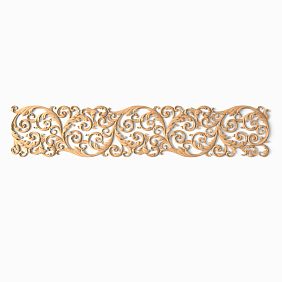
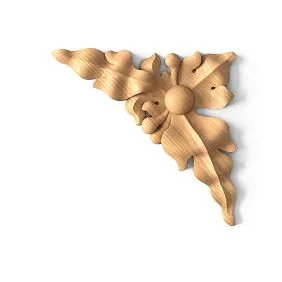

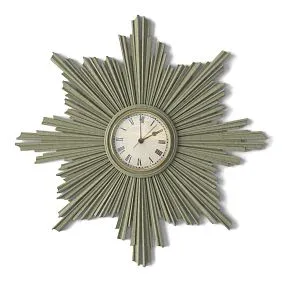

Decorative plaster: art of creating textures and finishes
Decorative plaster is not just a way to finish walls—it is a true art form that allows you to create unique surfaces with various effects, textures, and finishes. The modern market offers an enormous variety of decorative plasters, each with its own characteristics and applications.




Venetian plaster: luxury and elegance
Venetian plaster is a true classic of the genre that has never lost its popularity over the centuries. This technique allows you to create the effect of natural marble with its depth and iridescence, giving the interior a special luxury and refinement.
Applying Venetian plaster requires high skill and patience. The material is applied in several thin layers, each of which is carefully polished. The final finish with wax adds additional depth to the surface and protects it from damage.
Venetian plaster can be either glossy or matte, depending on the final finish. The glossy variant creates a mirror-like sheen, reflecting light and visually expanding the space. Matte finish appears more restrained and suits classic interiors.
Our factory also produces:





Travertine: the nobility of natural stone
Travertine is a decorative plaster that imitates natural stone with its porous structure. This technique allows you to create an aged surface effect, which is ideal for interiors in country, Provence, or Mediterranean styles.
The distinctive feature of travertine is the characteristic grooves and irregularities created during material application. These 'pores' can be either fine or coarse, depending on the desired effect. The color palette of travertine usually includes natural tones: from light beige to terracotta.
Get Consultation
Marble wax: silky sheen and depth
Marble wax is a type of decorative plaster that creates a silky, softly shimmering surface effect. This material is ideal for creating refined, elegant interiors.
Applying marble wax requires certain skills. The material is applied with special trowels, creating a unique pattern with soft color transitions. The final finish with wax adds extra gloss and protection to the surface.
Termite: rustic charm
Termite plaster got its name due to characteristic grooves resembling termite trails. This type of finish creates an expressive texture that looks great in both modern and rustic interiors.
The distinctive feature of termite plaster is its high strength and resistance to mechanical damage, making it a popular choice not only for interior but also for facade finishes. The variety of textures and the possibility of coloring allow you to create unique surfaces that match any design concept.
Wet silk: iridescence and elegance
Decorative plaster 'wet silk' creates an effect of shimmering fabric, adding elegance and charm to the interior. This effect is achieved by adding pearl powder to the composition, which creates soft iridescence under different lighting conditions.
The 'Wet Silk' technique is especially popular for decorating bedrooms and living rooms, where it is important to create an atmosphere of coziness and comfort. Soft color transitions and play of light on the surface create a sense of movement and life, making the interior more dynamic and interesting.
Sgraffito: Multi-layered beauty
Sgraffito is a technique in which several layers of plaster of different colors are used. After application, the upper layers are partially removed, creating a complex, multi-colored pattern. This technique allows creating true works of art on walls.
Sgraffito requires high skill and artistic taste. The design can be geometric or figurative, depending on the designer's intent. This technique looks especially effective on large surfaces, where a complex composition can be developed.
Rain: Dynamism and modernity
Plaster with a rain effect creates a pattern on the surface resembling streams and water droplets. This effect looks especially interesting in modern interiors with unusual shapes and proportions.
The application technique involves moving the tool from top to bottom, creating an effect of water droplets sliding down the wall. Depending on the viewing angle and lighting, the pattern may appear differently, adding dynamism and depth to the interior.
World Map: Geographic charm
"World Map" is a decorative plaster that creates an effect of an old, weathered map. This effect is achieved by applying several layers of material of different shades and subsequent surface treatment.
Such finishing becomes a true work of art and a central element of the interior. It looks especially well in offices, libraries, and other rooms where an atmosphere of antiquity and travel is appropriate.
Wooden decorative elements: warmth and eco-friendliness
Wood is one of the oldest materials used by humans to decorate their homes. Today Types of decorative plaster wooden elements are experiencing a true renaissance due to their eco-friendliness, warmth, and unique texture.
Carved elements: traditions and modernity
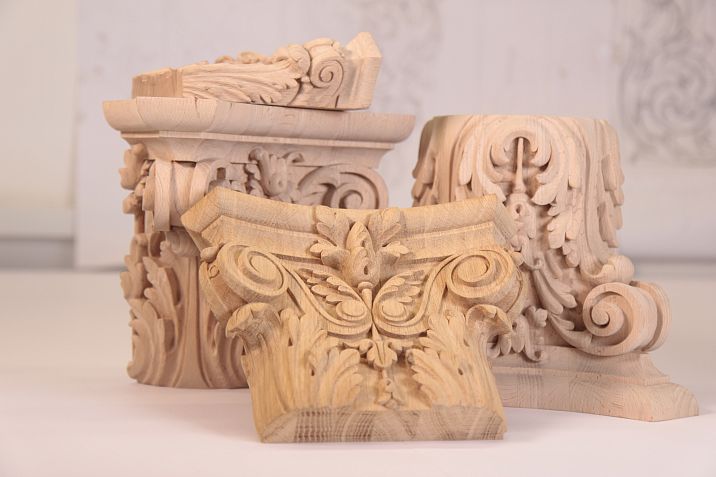
Wood carving is an ancient art that remains relevant in the modern world. Carved elements can be simple geometric patterns or complex artistic compositions.
In Russia, wood carving has rich traditions. Different regions have developed their own styles and techniques: from delicate, pierced carving of the Russian North to relief carving of the middle belt. Today, these traditions continue to live in modern interiors, giving them a unique national character.
Modern technologies allow creating carved elements using milling machines, making them more affordable. However, handcrafted work is still valued for its uniqueness and soul.
Carved window and door casings: decoration for windows and doors
Carved window and door casings are a traditional element of Russian architecture that is experiencing a second life today. These decorative elements with delicate patterns serve as decoration for windows, doors, and house roofs.
Modern carved casings can be traditional, using historical ornaments, or modern, with original design solutions. They give the building individuality and character, making it recognizable and memorable.
Flat balusters: delicate framing
Flat balusters with beautiful patterns are used to decorate verandas, balconies, and staircases. They are usually installed as a continuous panel, creating a cohesive, harmonious pattern.
These elements not only serve a decorative function but also act as barriers, ensuring safety. At the same time, they look much more interesting and original than standard grilles or railings.
Decorative panels: stylish solution for walls
Wooden decorative panels are a modern solution for wall finishing, allowing to create a warm, cozy atmosphere in the room. Panels can be smooth or relief, with various patterns and textures.
3D wooden panels are gaining particular popularity today, creating a volumetric, expressive pattern on the wall. Such panels become a central element of the interior, attracting attention and creating a unique atmosphere.
Decorative stone and brick: strength and character
Decorative stone and brick are materials that allow to create in the interior a sense of solidity, reliability, and connection with nature. They can be used for finishing the entire room or for creating accent zones.
Artificial stone: accessible luxury
Artificial stone is a material that imitates natural stone, but also has several advantages: it is lighter, more affordable, and easier to install. Modern technologies allow creating artificial stone that is practically indistinguishable from natural stone.
Variety of textures and shades of artificial stone allows selecting material for any interior: from classic to ultra-modern. Especially striking is stone cladding of accent zones: fireplaces, columns, arches.
Clinker tile: industrial chic
Clinker tile imitating brickwork has become an indispensable element of loft-style interiors. It creates an impression of an industrial space repurposed for living.
Clinker tile can be of various shades: from classic red to white, gray, brown. This allows creating different moods in the interior: from brutal industrial to cozy Scandinavian.
Gypsum 3D panels: volume and expressiveness
Gypsum 3D panels are a modern solution for creating volumetric, textured surfaces. They can imitate various materials: from stone to fabric, creating interesting visual and tactile effects.
Gypsum panels are easy to install, can be painted in any color, and serve as an excellent sound insulation material. They look especially well in modern interiors where the play of light and shadow is important.
Textile decor: softness and coziness
Textile is a decorative element that adds softness, warmth, and coziness to the interior. It allows easily changing the mood of the space, adding accents, and creating seasonal compositions.
Curtains and draperies: window treatment
Curtains and draperies are not only a functional element protecting from sunlight and prying eyes, but also an important part of decorative treatment. They can be of various styles: from classic heavy drapes to light modern panels.
Choosing fabric, color, texture, and draping method allows creating various effects: from strict elegance to romantic lightness. Curtains can serve as a neutral background or a bright accent in the interior.
Rugs and carpeting: warmth underfoot
Rugs and carpeting add warmth and comfort to the interior, and also help zone the space. They can be of various styles: from classic Persian to modern abstract.
The choice of carpet depends on the overall interior style, color scheme, and functional purpose of the room. In the living room, a large carpet suitable for the seating area is appropriate; in the bedroom, a soft carpet near the bed; in the children's room, a bright, playful carpet.
Decorative cushions: accents and comfort
Decorative cushions are a simple and accessible way to add color and texture to the interior. They can be of various sizes, shapes, colors, and textures, allowing to create interesting compositions.
Cushions can be easily changed depending on the season or mood, making them an ideal tool for updating the interior without significant expenses. They add comfort and coziness, making the space more livable and lived-in.
Modern Types of decorative plaster: innovations and technologies
The modern market constantly offers new materials and technologies for decorative finishing. They combine aesthetics, functionality, and innovative solutions.
Liquid wallpaper: practicality and originality
Liquid wallpaper is a modern material combining the properties of wallpaper and decorative plaster. It creates a seamless coating with an interesting texture that can be easily repaired in case of damage.
Liquid wallpaper is eco-friendly, has good sound and thermal insulation properties. It can be of various colors and textures, allowing to create unique interiors.
Microcement: minimalism and durability
Microcement is a modern material that creates a concrete surface effect. It is ideal for loft, minimalism, and industrial style interiors.
Microcement can be applied to various surfaces: walls, floors, furniture. It creates a durable, water-resistant coating that can be of various shades and textures.
Epoxy floors: gloss and depth
Epoxy floors are an innovative solution that allows creating smooth, glossy surfaces with a 3D effect. They can imitate various materials: from marble to outer space.
Epoxy floors are practical, durable, and easy to maintain. They look especially well in modern interiors where the play of light and space is important.
Choosing decorative finishes: factors and criteria
Choosing decorative finishes is a responsible process that requires considering many factors. The correct choice affects not only aesthetics but also functionality, durability, and comfort.
Interior style: harmony and compatibility
Interior style is one of the key factors when choosing decorative finishes. Each style implies certain materials, textures, and colors.
Classic style features Venetian plaster, moldings, wooden panels. Modern style – smooth surfaces, microcement, glass. Rustic style – travertine, wood, natural stone.
Functional purpose of the room: practicality and appropriateness
The functional purpose of the room also affects the choice of decorative finishes. In the kitchen and bathroom, water resistance and ease of maintenance are important, in the bedroom – ecological safety and calm colors, in the living room – aesthetics and elegance.
For example, for the kitchen, water-resistant decorative plaster or ceramic tiles are suitable, for the bedroom – textile wallpaper or "wet silk" plaster, for the living room – Venetian plaster or decorative panels.
Room size and lighting: visual effects
Room size and lighting should also be considered when choosing decorative finishes. In small rooms, it is better to use light, smooth surfaces that visually expand the space. In large rooms, you can afford more textured, darker materials.
Lighting also plays an important role: with good natural lighting, you can use more complex textures and saturated colors, with insufficient lighting – it is better to choose light, reflective surfaces.
Budget: price-to-quality ratio
Budget – this is a practical factor that cannot be ignored. Decorative finishes can vary in cost: from affordable to very expensive.
With a limited budget, you can choose more affordable materials or use expensive materials only for accent areas. It is also important to consider not only the cost of materials but also the cost of installation work.
Practical tips for caring for decorative finishes
Decorative finishes require proper care, which depends on the type of material and its characteristics. Proper care will help preserve the beauty and functionality of the finish for many years.
Decorative plaster: gentle cleaning
Decorative plaster usually does not require complex care. To remove dust, a soft brush or vacuum cleaner with a soft attachment is sufficient. For more thorough cleaning, a slightly damp soft cloth can be used.
It is important to avoid abrasive cleaning agents that may damage the surface. Also, note that some types of plaster (e.g., Venetian) have a protective wax coating that needs to be renewed periodically.
Wooden elements: protection from moisture and pests
Decorative wooden elements require protection from moisture, temperature fluctuations, and pests. For this, various stains, varnishes, oils, and waxes are used.
Regular care includes removing dust with a soft cloth and periodically renewing the protective coating. If damage (scratches, chips) appears, it should be addressed immediately to prevent further deterioration.
Decorative stone and brick: protection from dirt
Decorative stone and brick usually do not require complex care. To remove dust, a soft brush or vacuum cleaner is sufficient. For more thorough cleaning, specialized stone or brick cleaning agents can be used.
It is important to protect the surface from grease stains and other dirt, especially if the material is porous. For this, you can use special protective stains that create an invisible barrier on the surface.
Textile decor: regular renewal
Textile decor requires regular care: washing, cleaning, airing. The frequency and method of care depend on the type of fabric and intensity of use.
Curtains and drapes should be washed or cleaned 1-2 times per year, carpets – vacuumed weekly and cleaned 1-2 times per year, decorative cushions – washed as needed.
Conclusion: creating a unique space
Decorative finishes are a powerful tool for creating a unique, individual space that reflects your personality, taste, and lifestyle. Variety of decorative finishes Allows you to bring to life any design ideas: from classic elegance to avant-garde experiments.
When choosing decorative finishes, it is important to consider not only aesthetic preferences but also practical aspects: the functional purpose of the room, its size and lighting, and usage characteristics. Only a comprehensive approach will allow you to create a space that is not only beautiful but also comfortable for living.
Do not be afraid to experiment, combine different materials and techniques, and create unexpected combinations. It is precisely in this creative process that the most interesting and memorable interiors are born, becoming an extension of your personality and a reflection of your inner world.
Remember that home is not just a place to live, but a space for self-expression, creativity, and the creation of an atmosphere where you feel happy and inspired. And decorative finishing is one of the key tools for creating such a space.
Let your home become a reflection of your individuality, a place where every detail matters and tells its own story. For it is in such a space that we truly feel at home.