Article Contents:
- Evolution of decorative wall finishes: from antiquity to the present day
- Origins of decorative wall finishes
- Middle Ages and Renaissance
- Modern times and contemporary era
- Types of decorative wall finishes: variety of materials and techniques
- Decorative plaster: classic, time-tested
- Wooden finish: warmth and coziness of natural material
- Decorative stone: strength and nobility
- Textile finish: softness and comfort
- Modern materials: innovations in wall finishes
- Decorative wall finishes in different interior styles
- Classic style: elegance and restraint
- Modern Style: Minimalism and Functionality
- Loft: industrial aesthetics
- Scandinavian style: bright simplicity
- Provence and country: rustic charm
- Eco-style: natural harmony
- Application techniques for decorative finishes: from simple to complex
- Basic techniques for applying decorative plaster
- Techniques for working with wood
- Decorative effects using stencils and other tools
- Practical tips for choosing and applying decorative finishes
- How to choose the right type of decorative finish
- Surface preparation: key to successful finishing
- Tools and materials: what you'll need for the job
- Step-by-step guide to applying decorative plaster
- DIY decorative wall finishes: creative approach to renovation
- Simple techniques for beginners
- Creative ideas for decorative finishes
- Cost-effective solutions for decorative finishes
- Caring for decorative finishes: how to preserve beauty for years
- General principles of caring for decorative finishes
- Features of caring for different types of finishes
- Restoration and updating of decorative finishes
- Conclusion: decorative finishes as an art of transforming space
Walls are not just structural elements separating one room from another. They are huge canvases on which you can create real works of art capable of transforming even the most boring and indifferent space. Have you ever wondered why some interiors are remembered for a long time, while others are forgotten the moment you step through the threshold? The secret lies in the details, and one of the most important details is wall finishing.
Decorative wall finishes It is not just a way to hide surface imperfections or protect it from external influences. It is a powerful tool in the designer's hands, allowing to create unique, memorable interiors that reflect the homeowner's personality. From classic plaster to modern wooden panels - the choice of materials and techniques is truly limitless.
In this article, we will dive into the fascinating world of decorative wall finishes, examine various materials and techniques, their features and possibilities of application in different interiors. Ready to embark on a journey through the world of textures, finishes, and colors? Then get comfortable - we're starting!





Evolution of decorative wall finishes: from antiquity to our days
The history of decorative wall finishes spans thousands of years. Even in ancient times, people sought to decorate their homes, making them not only functional but also aesthetically pleasing.




Origins of decorative finishes
The first examples of decorative wall finishes can be found in cave paintings of our distant ancestors. These images were not just decoration - they carried sacred meaning, told stories, passed on knowledge. As civilizations developed, so did wall finishing techniques.
In ancient Egypt, walls of palaces and temples were adorned with reliefs and paintings depicting the lives of pharaohs and gods. In ancient Greece and Rome, fresco painting and mosaic art became widespread. Walls were covered with a thin layer of wet plaster, on which artists painted with colors, creating compositions astonishing in beauty and complexity.
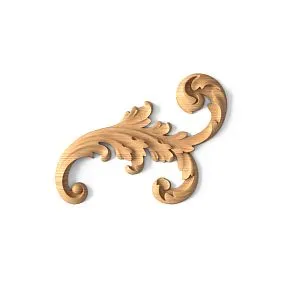
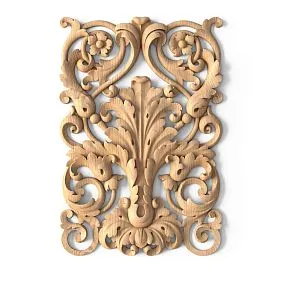
Our factory also produces:



Middle Ages and Renaissance
In the Middle Ages in Europe, walls of castles and cathedrals were decorated with tapestries, which not only made rooms more cozy but also served as additional thermal insulation. In the Renaissance, interest in ancient finishing techniques - frescoes and mosaics - was revived. Additionally, the technique of sgraffito developed - a multi-layer plaster technique in which drawings and ornaments were created by scratching away the upper layers.
Get Consultation
Modern times and modernity
The 18th-19th centuries brought a trend for wallpaper and decorative fabrics for wall finishes. In the 20th century, with the development of the chemical industry, new materials and technologies emerged - synthetic paints, vinyl wallpaper, various types of decorative plaster.
Today Decorative wall finishes Presented with a vast variety of materials and techniques, ranging from traditional to ultra-modern. Technological progress allows creating coatings with unique properties - moisture-resistant, sound-insulating, eco-friendly. The possibilities for creative self-expression have become practically limitless.
Types of decorative wall finishes: diversity of materials and techniques
The modern market offers a vast array of materials for decorative wall finishes. Let's consider the main ones, their features, and possibilities of application.
Decorative plaster: classic, time-tested
Decorative plaster is one of the most popular materials for wall finishes. It is a granular mixture whose composition, in addition to traditional components (sand, lime, cement), includes various additives - marble or stone chips, wood fibers, granules, colorant.
There are many types of decorative plaster, each with its own features and effects:
- Venetian plaster creates a polished marble effect with depth and iridescence. This luxurious finish is ideally suited for classic interiors.
- Textured plaster allows creating various relief surfaces - from light roughness to deep grooves and raised elements.
- Structural plaster contains granular components of different sizes, allowing to create interesting textures.
- Travertine imitates the surface of natural travertine stone with characteristic pores and veins.
- Crackle creates an effect of cracked, aged surface, which is especially valued in Provence or shabby chic interiors.
- Marseilles wax becomes relief after drying, but smooth to the touch, and can imitate patterns of stone, wood, or sandstone.
- Wet silk, due to its mother-of-pearl particles, resembles the shimmering fabric, creating an effect of light luster and smooth color transitions.
Decorative plaster is universal—it suits any room, from living rooms to bathrooms. Properly selected and applied plaster will last for many years without losing its appeal.
Wooden finishing: warmth and coziness of natural material
Wood is one of the oldest materials used by humans for construction and finishing. Even today, despite the abundance of modern synthetic materials, wooden wall finishing remains popular. Moreover, in the era of ecological awareness and the pursuit of naturalness, it is experiencing a true renaissance.
Decorative wall finishes Wood can be presented in various forms:
- Plank—traditional material for wall finishing, consisting of profiled boards with grooves and ridges for joining.
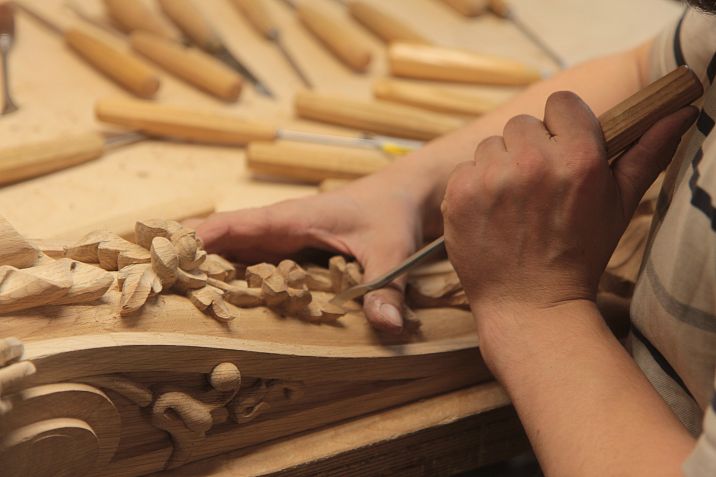
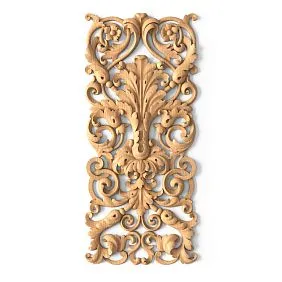
- Solid wood panels—a more expensive but also more durable and aesthetically appealing option. These panels can be smooth or carved, preserving the natural wood texture or painted.
- Weathered board—a popular trend in modern design. This finishing creates an antique effect, bringing a unique charm and character to the interior.
- Wooden beams and planks—an original finishing method that allows creating a unique, memorable interior.
- Wooden wallpaper—a relatively new material, consisting of a thin veneer layer glued onto a paper base. These wallpapers combine the beauty of natural wood with the simplicity of installing ordinary wallpaper.
Wooden wall finishing creates a special atmosphere of warmth and coziness in the room, improves acoustics, and has good thermal insulation properties. Moreover, wood is an eco-friendly material, which is especially important for those concerned about health and the environment.
Decorative stone: strength and elegance
Stone is another material that humanity has used since ancient times. Today, both natural stone and its artificial analogs are used for wall finishing, which almost match the original in appearance but are significantly lighter and easier to install.
Decorative stone can imitate various types:
- Brick—a universal option suitable for various styles, from loft to country.
- Slate—with its characteristic layered structure, creates the effect of natural rock.
- Sandstone—warm tones and soft texture make it ideal for creating cozy, homey interiors.
- Marble—a symbol of luxury and elegance, suitable for classical and neoclassical interiors.
Wall finishing with decorative stone can be full or partial—either as individual elements or accent zones. It is a strong, durable material resistant to mechanical damage and moisture, making it ideal for hallways, kitchens, and bathrooms.
Textile finishing: softness and comfort
Textile for wall finishing has been used for centuries—recall medieval tapestries. Today, textile finishing is presented in various forms:
- Textile wallpaper—paper or non-woven base with a textile coating (cotton, linen, silk, viscose).
- Textile panels—fabric stretched over a rigid frame, often with an additional layer of sound insulation material.
- Tapestries and carpets—a traditional way to decorate walls, which is experiencing renewed popularity today.
Textile wall finishing creates a special atmosphere of softness and comfort in the room, improves acoustics, and has good thermal insulation properties. It is an ideal choice for bedrooms, living rooms, offices—spaces where it is important to create a cozy, inviting atmosphere.
Modern materials: innovations in wall finishing
Technological progress never stands still, and today new materials for decorative wall finishing are appearing on the market:
- 3D panels—three-dimensional elements made of plaster, MDF, or plastic, creating a three-dimensional relief on the wall.
- Liquid wallpaper—a material based on cellulose or silk fibers with added dyes and decorative elements. After application to the wall and drying, it forms a seamless coating with an interesting texture.
- Decorative concrete—a modern material that can imitate various surfaces—from smooth polished stone to rough industrial walls.
- Epoxy coatings - an innovative material allowing to create on walls effects unattainable with traditional materials - from mirror finish to three-dimensional images.
These materials open new horizons for creativity, allowing to create interiors that a few decades ago seemed like science fiction.
Decorative wall finishing in different interior styles
The choice of material and technique for decorative wall finishing largely depends on the interior style. Let's consider which finishing options fit most naturally into various stylistic directions.
Classic style: elegance and restraint
Classic style is the embodiment of elegance, harmony, and restrained luxury. For wall finishing in a classic interior, traditionally used are:
- Venetian plaster - its noble sheen and depth perfectly suit creating an atmosphere of aristocracy.
- Decorative wooden panels - carved or with moldings, painted in light tones or retaining the natural color of noble wood species.
- Textile wallpapers - with classic ornaments (damask, scrolls, floral motifs) in a restrained color palette.
- Moldings - cornices, rosettes, pilasters, creating architectural compositions on walls.
The color palette of a classic interior usually includes neutral, pastel tones - beige, cream, light blue, soft green, with possible accents of more saturated colors.
Modern style: minimalism and functionality
Modern style is characterized by simplicity of forms, functionality, and absence of excessive decoration. For wall finishing in such an interior, suitable are:
- Smooth plaster - monochromatic, in neutral color tones (white, gray, beige).
- Decorative concrete - with its industrial aesthetic and minimalist appearance.
- Wooden panels - smooth, with clear geometric patterns, often in dark tones.
- Large-format ceramic tiles - with imitation of stone, concrete, or metal.
In modern interiors, the accent wall technique is often used - one wall in the room is finished in a brighter color or with textured material, while the others remain neutral.
Loft: Industrial Aesthetic
Loft style, originating in former industrial spaces, is popular worldwide today. For wall finishing in loft style, characteristic are:
- Brickwork - exposed or imitated using decorative stone or plaster.
- Concrete surfaces - rough, untreated, or imitated using decorative plaster.
- Wooden planks - untreated or weathered, often retaining traces of paint.
- Metallic elements - panels, sheets, mesh, creating an industrial look.
The color palette of a loft usually includes natural, muted tones - gray, brown, terracotta, with possible bright accents.
Scandinavian style: light simplicity
Scandinavian style is the embodiment of light, cozy simplicity. For wall finishing in such an interior, suitable are:
- White or light-gray plaster - creating a sense of light and space.
- Wooden panels - from light species (pine, birch), often painted white.
- Wallpapers with geometric or floral patterns - in restrained, pastel color tones.
- Brickwork - painted white, creating an interesting texture without weighing down the interior.
Scandinavian style implies maximum light, so walls are usually finished in light tones, with possible accents of natural colors - blue, green, wood.
Provence and Country: Rural Charm
Provence and Country styles embody the charm of rural life, closeness to nature and traditions. For wall finishes in such interiors, use:
- Weathered plaster - with unevenness, scratches, and cracks.
- Weathered wooden planks - with visible texture, often painted in pastel tones.
- Wallpaper with floral or checkered patterns - in soft, pastel color palettes.
- Decorative stone - imitating natural, unprocessed surfaces.
The color palette of Provence and Country includes soft, pastel tones - lavender, blue, light green, cream, with possible accents of more saturated natural colors.
Eco-style: Natural Harmony
Eco-style is a pursuit of harmony with nature, using natural materials and organic forms. For wall finishes in such interiors, consider:
- Wooden panels - preserving the natural texture and color of wood.
- Decorative plaster with natural additives - sand, straw, wood fibers.
- Cork finishes - eco-friendly and possessing good thermal insulation properties.
- Bamboo wallpaper - creating an exotic atmosphere and featuring an interesting texture.
The color palette of eco-style includes natural, earthy tones - shades of brown, green, beige, with minimal use of bright, artificial colors.
Techniques for Applying Decorative Finishes: From Simple to Complex
Decorative wall finishes are not only about the material, but also the technique of its application. Let's consider some popular techniques that allow creating unique effects.
Main Techniques for Applying Decorative Plaster
Decorative plaster offers wide opportunities for creativity. Here are some popular application techniques:
- The "Termite" technique - creates grooves on the surface resembling termite trails. This is achieved using plaster with granules of different sizes. Depending on the tool's movements, the grooves can be vertical, horizontal, or circular.
- The "Chaos" technique - involves applying plaster with chaotic strokes, creating an effect of natural, unprocessed surfaces. It looks especially striking when using pearlized plaster.
- The "Marseille Wax" technique - plaster is applied using a trowel or other tools, creating a relief surface that is smooth to the touch, capable of imitating stone, wood, or sandstone.
- The "Tufa" technique - allows creating an effect similar to natural travertine stone, with characteristic pores and veins. The material can appear as polished stone or rough-sanded stone.
- The "Crackle" technique - creates an effect of a cracked, aged surface. First, the wall is painted with acrylic paint, then a special mixture is applied, which forms cracks upon drying, revealing the paint underneath.
Techniques for Working with Wood
Wooden wall finishes also offer numerous opportunities for creativity:
- Brushing - an artificial aging technique for wood, where soft wood fibers are removed while hard ones remain, creating a relief surface with emphasized texture.
- Patination - applying a special compound (patina) to a wooden surface, which creates an aged effect, emphasizing the relief and texture of the wood.
- Staining - treating wood with special compounds (stains) that change its color while preserving the visible texture.
- Lacquering - applying a protective lacquer layer to a wooden surface, which can be glossy, matte, or semi-matte, transparent or tinted.
Decorative Effects Using Stencils and Other Tools
Stencils and other auxiliary tools allow creating complex patterns and textures on walls:
- Stencil painting - applying patterns on walls using stencils and paint or decorative plaster. This can be as simple as a repeating ornament or a complex multi-colored composition.
- The "Rain Effect" technique - creating vertical grooves on the surface resembling raindrop trails. Special tools or household items such as brushes, combs, and scrapers are used for this.
- The "Sea Breeze" technique - creating a wavy texture on the surface resembling sand washed by waves. This effect is achieved using sponges, rollers, brushes, notched trowels, and plastic film.
- The "Sgraffito" technique - applying multiple layers of plaster of different colors on the wall, which are then scratched to create patterns. This allows creating complex, multi-colored designs.
Practical tips for choosing and applying decorative finishes
Choosing and applying decorative finishes is a creative process, but it requires certain knowledge and skills. Here are some practical tips to help you make the right choice and achieve the desired result.
How to choose the right type of decorative finish
When choosing wall decorative finishes, consider the following factors:
- Interior style - the finish should harmonize with the overall style of the room, complementing and emphasizing it.
- Functional purpose of the room - different rooms require different materials. For example, bathrooms or kitchens require moisture-resistant materials, while children's rooms require eco-friendly and easy-to-clean materials.
- Room size and lighting - in small, dark rooms, it's better to use light, smooth finishes that visually expand the space. In large, well-lit rooms, you can experiment with textures and dark colors.
- Personal preferences - ultimately, the interior should please you, reflect your individuality, and create a comfortable atmosphere.
Surface preparation: the key to successful finishing
Quality surface preparation is half the success when applying decorative finishes. Here are the main preparation steps:
- Cleaning the surface of old coatings, dust, dirt, and grease stains.
- Leveling - removing large defects (cracks, dents, unevenness) using putty or plaster.
- Priming - applying primer, which improves adhesion (bonding) of the finishing material to the surface and prevents mold and mildew growth.
- Sanding - creating a smooth surface using sandpaper or a sander.
Some types of decorative finishes require a perfectly smooth surface (e.g., Venetian plaster), while others can hide minor defects (e.g., textured plaster or wooden panels).
Tools and materials: what you'll need for the job
Applying decorative finishes requires various tools and materials, depending on the chosen finish type and application technique. Here are some basic tools:
- Spatulas of various sizes and shapes - for applying and spreading material on the surface.
- Notched trowels - special tools for working with decorative plaster, allowing you to create various textures and patterns.
- Rollers - for applying primer, paint, and some types of decorative plaster.
- Brushes of various sizes - for applying primer, paint, and working with stencils.
- Sponges, cloths, plastic film - for creating various decorative effects.
- Stencils - for creating patterns and ornaments.
- Measuring tools - tape measure, level, plumb bob - for marking and checking surface flatness.
Regarding materials, in addition to the main finishing material (plaster, paint, panels), you will also need:
- Primer - for preparing the surface.
- Adhesive or mounting foam - for attaching panels, moldings, and other elements.
- Protective coatings - varnishes, waxes, stains - for protection and additional decorative effects.
Step-by-step instruction for applying decorative plaster.
Let's consider a step-by-step instruction for applying decorative plaster in the "Venetian plaster" technique:
- Surface preparation - cleaning, leveling, priming.
- Applying the base layer - evenly spread plaster over the surface using a wide trowel. Movements should be smooth, without pressing.
- Drying the base layer - allow the plaster to dry completely (usually 12-24 hours, depending on temperature and humidity).
- Applying the second layer - in a thin layer, using a Venetian trowel, with short crosswise movements.
- Polishing - after partial drying of the second layer (when plaster no longer sticks to the tool but remains slightly damp), polish the surface with a Venetian trowel until the characteristic sheen appears.
- Applying wax or varnish - for protecting the surface and enhancing the decorative effect.
Specific instructions may vary depending on the material manufacturer and desired effect, so always follow the recommendations on the packaging.
DIY decorative wall finishing: a creative approach to renovation
DIY decorative wall finishing is not only a way to save on professional services, but also an opportunity to showcase your creative skills and create a truly unique interior.
Simple techniques for beginners
If you have no experience in decorative finishing, start with simple techniques that do not require special skills or tools:
- Wall painting with "Sponge" effect - apply a base coat of paint to the wall, let it dry, then use a sponge to apply paint of another shade, creating an uneven, mottled pattern.
- Dry brush technique - apply a base coat of paint to the wall, let it dry, then use a dry brush with minimal paint of another shade to create light, semi-transparent strokes.
- Wall decoupage - stick cut-out images from napkins or special decoupage paper onto the wall, then cover them with varnish for protection.
- Stencil painting - use ready-made stencils and paint to create patterns or images on the wall.
These techniques allow you to quickly and at low cost transform your interior, giving it individuality and character.
Creative ideas for decorative finishing
If you are ready for more complex experiments, here are several creative ideas for decorative wall finishing:
- Decorative panel from wooden splices - create a composition on the wall using splices of different sizes and shapes, which can be left in their natural state or painted in different colors.
- Wall with "World Map" effect - using a special plaster application technique, create a relief on the wall resembling a geographical map with continents and oceans.
- Mosaic from broken tiles or glass - use leftover ceramic tiles or colored glass to create a mosaic panel.
- Wall with 3D effect - using moldings, beams, panels, create a volumetric geometric composition on the wall, which can then be painted in one color or use contrasting shades to enhance the effect.
These ideas require more time, effort, and possibly financial investment, but the result is worth it - you will get a truly unique, original interior.
Economical solutions for decorative finishing
Decorative wall finishing does not have to be expensive. Here are several economical solutions:
- Do-it-yourself decorative plaster - instead of buying ready-made mix, you can prepare it yourself using base plaster and various additives (sand, sawdust, glitter).
- Wall covering with wallpaper followed by painting - stick simple paintable wallpaper to the wall, then create a design on it using paints and stencils.
- Using leftover materials - wallpaper scraps, fabric, wooden panels can be used to create collages, wall decorations, accent zones.
- Decorative finishing using natural materials - branches, leaves, stones, shells can become elements of unique decor.
These solutions allow you to create a stylish, original interior without significant financial expenses.
Care for decorative finishing: how to preserve beauty for many years
Proper care for decorative wall finishing - the key to its longevity and preservation of initial attractiveness. Let's consider the main principles of care for different types of finishing.
General principles of care for decorative finishing
Regardless of the type of decorative finishing, there are general care principles:
- Regular dust cleaning - using a soft brush, vacuum cleaner with brush attachment, or dry soft cloth.
- Protection from direct sunlight - prolonged exposure to sunlight may cause fading and color changes in the finishing.
- Maintaining optimal room humidity - excessively dry or humid air may negatively affect the condition of the finishing.
- Timely repair of damage - even small cracks or chips should be repaired as soon as possible to prevent further damage.
Care specifics for different types of finishing
Different types of decorative finishing require specific care:
- Decorative plaster - most types of decorative plaster can be cleaned with a damp cloth and mild detergent. However, some types (e.g., with "Crackle" effect) require more delicate handling - only dry cleaning or use of special agents.
- Wooden finishing - requires regular renewal of protective coating (varnish, oil, wax) to prevent drying, cracking, and pest damage. Wooden surfaces should be cleaned with slightly damp cloth, avoiding excessive moisture.
- Decorative stone - most types of decorative stone can be cleaned with a soft brush and water with neutral detergent. Some types require periodic treatment with special impregnations to protect against moisture and dirt.
- Textile finishing - requires regular dust cleaning using a vacuum cleaner with brush attachment. In case of soiling, dry cleaning or special textile cleaning agents can be used.
Restoration and renewal of decorative finishing
Over time, even the highest quality decorative finishing may lose its attractiveness. In this case, you can restore or renew it:
- Renewal of protective coating - applying a new layer of varnish, wax, or impregnation to restore protective properties and appearance.
- Partial repair - removal of local damage (cracks, chips, stains) followed by touch-up or application of protective coating.
- Complete renewal - in some cases, complete renewal of finishing may be required - applying a new layer of plaster, replacing damaged panels, repainting.
Regular care and timely renewal will help preserve the beauty and functionality of decorative finishing for many years.
Conclusion: decorative finishing as an art of transforming space
Decorative wall finishes It is not just a way to protect and decorate a surface. It is an art of transforming space, creating atmosphere, reflecting individuality. From classic Venetian plaster to modern 3D panels, from traditional wooden paneling to innovative epoxy coatings - the choice of materials and techniques is truly limitless.
Decorative wall finishing allows you to realize the boldest design ideas, create an interior that will delight the eyes and soul for many years. It can be luxurious or minimalist, bright or restrained, traditional or avant-garde - it all depends on your preferences and interior style.
We hope our article helped you better understand the variety of possibilities of decorative wall finishing and inspired you to create a unique, one-of-a-kind interior. Remember, there are no strict rules in design - only your vision, your taste, and your pursuit of beauty and harmony.
Experiment, create, transform your space with wall decor and let your home become a reflection of your individuality, a place where you truly feel good and comfortable.