Article Contents:
- Coniferous species: accessibility and practicality
- Common Spruce: Universal Choice
- Siberian Larch: Strength and Durability
- European Pine: Lightness and Economy
- Hardwood Deciduous Species: Premium Quality
- European Oak: Benchmark of Strength and Beauty
- European Beech: Elegance and Functionality
- Common Ash: Strength with Elegance
- Exotic and Rare Species
- Hazelnut: Aristocratic Luxury
- Teak: Tropical Elegance
- Wenge: Exotic Drama
- Influence of Species on Technical Properties
- Density and Strength
- Dimensional stability
- Biostability
- Decorative Properties of Species
- Texture and Grain
- Color palette
- Gloss and Surface Finish
- Influence of Species on Interior Style
- Classical styles
- Modern directions
- Ethnic Styles
- Economic Aspects of Species Selection
- Price Categories
- Pricing factors
- Technological Features of Processing
- Drying and stabilization
- Mechanical processing
- Final finishing
- Special Applications of Various Species
- Wet Areas
- Children's Rooms
- Public Spaces
- Innovations in Wood Processing
- Thermal Modification
- Impregnation with Stabilizing Agents
- Surface Hardening
- Regional Considerations for Species Selection
- Climate Conditions
- Availability of raw materials
- Traditions and Preferences
- Practical Recommendations for Selection
- Operating conditions analysis
- Compatibility with Floor Coverings
- Budget Constraints
- Frequently Asked Questions

Choosing wood species for Heavy Baseboard The choice of wood species not only determines the appearance of the final product but also its performance characteristics, durability, and cost. Natural wood possesses unique properties that were formed by nature over decades of tree growth, creating distinctive textures, color tones, and physical parameters for each species.
Modern processing technologies allow for the full potential of each type of wood to be realized, preserving its natural beauty and enhancing its inherent advantages. Manufacturing Wooden Baseboards Requires a deep understanding of the properties of different species, their behavior during processing and under various operating conditions.


Coniferous Species: Accessibility and Practicality




Common Pine: Universal Choice
Spruce baseboard Represents the most popular and economically advantageous option among coniferous species. Common pine has a medium density of 400-500 kg/m³, providing an optimal balance of strength and workability.
The color range of pine wood varies from light yellow to golden-brown, with clearly visible annual rings creating an attractive pattern. The resinous nature of the wood gives it natural moisture resistance and protects against biological damage, which is especially important for floor baseboards.
Technical Advantages of Pine:
Low shrinkage coefficient ensures dimensional stability of the finished product under changes in air humidity. The soft structure of the wood facilitates mechanical processing, allowing complex profiles to be created without risk of cracking or chipping.
Natural antiseptic properties of the resin prevent mold and mildew development, extending the product's service life. Good adhesion to coatings allows easy color changes and various decorative effects.
Applications of Pine Baseboards:
Pine baseboards are ideal for living rooms with moderate humidity: bedrooms, living rooms, children's rooms. The light texture harmonizes well with Scandinavian, country, and eco-friendly interiors.
In country houses and cottages, pine baseboards create an atmosphere of closeness to nature, emphasizing the naturalness of the materials used. The ability to repaint multiple times allows baseboards to adapt to changing design solutions.
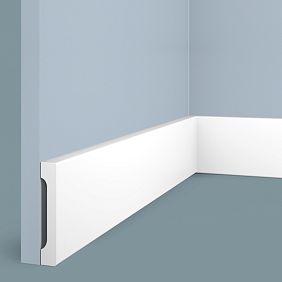
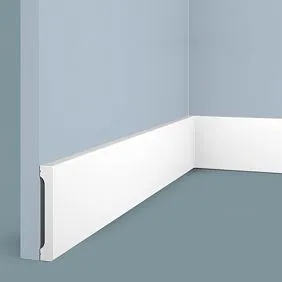
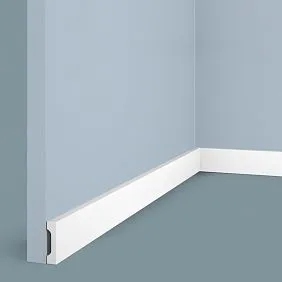
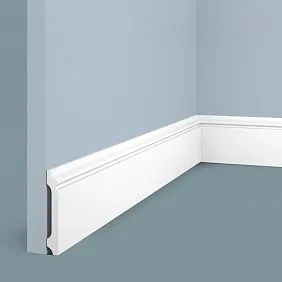
Our factory also produces:
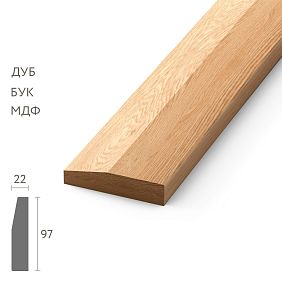
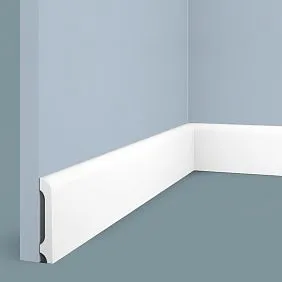
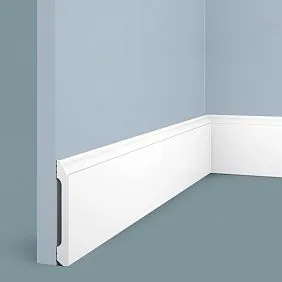
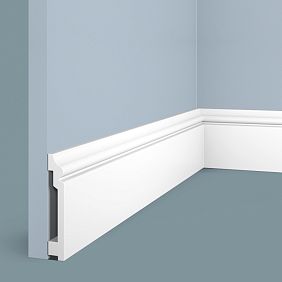
Siberian Larch: Strength and Durability
Larch surpasses pine in key performance characteristics, with a density of 550-650 kg/m³ and increased hardness. A unique feature of larch wood is its high content of resin and tannins, providing exceptional biostability.
The color palette of larch includes shades from light yellow to reddish-brown, with a clearly defined boundary between sapwood and heartwood. Over time, the wood develops a noble silver-gray hue, especially under ultraviolet radiation.
Unique Properties of Larch:
High resin content makes the wood practically impervious to moisture, allowing larch baseboards to be used in rooms with high humidity. Natural preservatives protect against wood-boring insects and rodents.
Dense structure provides excellent wear resistance, especially important for baseboards in high-traffic areas. Low flammability makes larch a preferred choice for public buildings.
Get Consultation
European Spruce: Lightness and Economy
Spruce wood has the lowest density among coniferous species (350-450 kg/m³), making it attractive for manufacturing lightweight decorative elements. The pale color with a slight pinkish tint and small knots creates a delicate, airy texture.
Uniform fiber structure ensures predictable behavior during processing and minimal warping. Low resin content simplifies staining and varnishing processes, allowing for even coatings of any shade.
Hardwood Broadleaf Species: Premium Quality
Oak: the benchmark of strength and beauty
Oak wooden skirting board Considered a benchmark of quality among hardwoods. The density of oak wood, 600-800 kg/m³, ensures exceptional strength and durability, while its high tannin content provides natural antiseptic protection.
Oak's color palette ranges from light beige to dark brown, depending on growing conditions and tree age. Prominent medullary rays create a distinctive "mirror-like" pattern on radial cuts, highly prized in decorative applications.
Advantages of oak skirting boards:
High surface hardness ensures resistance to mechanical damage, scratches, and dents. Dimensional stability minimizes deformation under changes in humidity and temperature.
Tannins in the wood composition have antibacterial properties, creating a healthy microclimate indoors. The ability to polish allows achieving a mirror-like surface finish.
Design possibilities of oak:
Oak's rich texture decorates any interior, from classic to modern. The ability to stain opens wide decorative possibilities: from natural shades to deep dark tones.
Patina and artificial aging create an antique furniture effect, popular in Provence, shabby chic, and vintage styles. Beautiful wooden skirting boards Made from oak, they become true interior ornaments.
European beech: elegance and functionality
Beech wood is distinguished by exceptionally uniform structure and high density 650-750 kg/m³. The absence of a pronounced texture is compensated by a soft pinkish hue and silky surface after polishing.
Fine-pored structure of beech ensures excellent adhesion of coatings, allowing creation of perfectly smooth finishes. High wood viscosity prevents cracking when driving nails or screwing in self-tapping screws.
Technological features of beech:
The hygroscopic nature of beech wood requires proper drying and protective treatment to prevent deformation. With proper preparation, beech demonstrates excellent dimensional stability.
Ability to deep staining allows mimicking expensive exotic species. Steam treatment imparts a beautiful reddish-brown hue to the wood, highly valued in furniture manufacturing.
Common ash: strength with elegance
Ash wood combines high strength (density 650-750 kg/m³) with attractive light coloration. The contrasting annual ring structure creates an expressive pattern reminiscent of oak, but more delicate.
High impact resistance makes ash a preferred material for items subjected to dynamic loads. The light color of the wood visually expands space, especially valued in small rooms.
Aesthetic qualities of ash:
Natural color of ash wood varies from cream-white to light brown, often with yellowish or pinkish hues. Clear annual rings create a wavy pattern, especially striking on tangential cuts.
Ability to bleach allows achieving nearly white wood color, popular in Scandinavian and minimalist interiors. Contrastive texture is accentuated by staining, creating various decorative effects.
Exotic and rare species
Hazelnut: aristocratic luxury
Hazelnut wood is considered one of the most valuable among European species. Density 600-700 kg/m³ combines with exceptional decorative qualities and workability. Color palette includes shades from light brown to dark chocolate with purple veins.
Wavy grain creates unique decorative patterns, especially prized in luxury furniture and finishes. High cost of hazelnut wood is justified by its exceptional aesthetic qualities.
Teak: tropical elegance
Teak wood is imported from tropical regions and distinguished by a unique combination of beauty and functionality. High natural oil content ensures excellent water resistance, making teak ideal for humid environments.
Golden-brown color with dark veins creates a luxurious appearance associated with high-end yacht interiors. Dimensional stability and resistance to deformation make teak a prestigious, albeit expensive, choice.
Wenge: exotic drama
Wenge African wood has exceptionally high density (up to 900 kg/m³) and a characteristic dark brown color with black streaks. The contrasting texture creates a dramatic effect, popular in modern interiors.
The hardness of wenge requires special tools for processing, but provides unparalleled durability of the finished product. The high cost limits its use to elite projects.
Influence of the species on technical characteristics
Density and strength
Wood density directly affects the strength characteristics of baseboards. Hardwood species (oak, beech, ash) with density above 600 kg/m³ provide maximum wear resistance and longevity.
Coniferous species with density 400-550 kg/m³ offer a compromise between strength and workability, suitable for most residential applications. Light species (spruce) are used in decorative elements under minimal loads.
Dimensional stability
The shrinkage coefficient determines the behavior of wood under changes in humidity. Stable species (oak, larch) deform minimally, preserving the accuracy of joints.
Less stable species (beech, pine) require proper drying and acclimatization before installation. Installation of wooden baseboards Installation from such species should provide compensatory gaps.
Biostability
Natural biostability depends on the content of extractive substances in the wood. Coniferous species are protected by resins, oak by tannins, teak by natural oils.
Species with low natural biostability require protective treatment with antiseptics. What to paint wooden skirting boards It depends on the wood species and operating conditions.
Decorative characteristics of species
Texture and grain
Types of wooden baseboards Differ in the expressiveness of the textural pattern. Oak and ash have a contrasting texture with clear annual rings, creating a dynamic pattern.
Beech and maple have fine, uniform texture, suitable for minimalist interiors. Exotic species often display unique patterns unavailable in local varieties.
Color palette
Natural wood colors cover a wide spectrum: from pale (spruce, birch) to nearly black (wenge, ebony). Most species have warm shades of brown with varying intensity.
Ability to stain allows modification of the natural color, creating the desired color palette. Light species darken more easily, while dark ones require special techniques for lightening.
Gloss and surface texture
Natural gloss depends on the wood structure and pore size. Dense, fine-grained species (beech, maple) achieve high gloss after polishing.
Coarse-grained species (oak, ash) require pore filling to achieve a mirror-like surface. Coniferous species usually have a matte surface even after polishing.
Influence of species on interior style
Classic styles
Traditional interior styles prefer noble hardwoods with pronounced texture. Oak baseboards are ideal for English, French, and American classicism.
Walnut baseboards create an atmosphere of luxury characteristic of Baroque and Rococo. Dark exotic species emphasize the solidity and respectability of classic cabinets.
Modern trends
Minimalism and high-tech prefer species with uniform texture and the ability to create perfectly smooth surfaces. White oak, maple, and species stained in neutral tones harmonize with modern aesthetics.
Scandinavian style traditionally uses light coniferous species, emphasizing the connection with nature. Pine and spruce skirting boards create a cozy, eco-friendly atmosphere.
Ethnic styles
Country and rustic styles prefer species with clearly defined natural textures. Pine, larch, and oak with natural imperfections (knots, sapwood) highlight the authenticity of the style.
Eastern styles often use exotic species with unique colors and textures. Teak, bamboo, and rosewood create the characteristic atmosphere of Eastern philosophy.
Economic aspects of species selection
Price categories
Economic segment (300-800 rub/m):
- Common pine
- European spruce
- Birch
Mid-segment (800-1500 rub/m):
- Siberian larch
- European beech
- Common ash
Premium segment (1500-3000 rub/m):
- European oak
- Hazelnut
Luxury segment (from 3000 rub/m):
- Teak
- Wenge
- Rosewood
Pricing factors
The availability of raw material significantly affects the cost. Local species are cheaper than imported ones due to the absence of transportation costs and customs duties.
Processing complexity determines production labor costs. Hard and fibrous species require special tools and higher worker qualifications.
Decorative qualities form consumer value. Species with unique texture and color command premium prices regardless of technical characteristics.
Technological features of processing
Drying and stabilization
Different species require individual drying regimes. Dense species dry more slowly, requiring lower temperatures and gentle modes to prevent cracking.
Coniferous species with high resin content require special treatment to remove excess sap. Broadleaf species require stress control to minimize warping.
Mechanical processing
The hardness of wood determines the choice of cutting tools. Hardwoods require tools made from high-quality steels or with carbide inserts.
Wavy grain complicates profiling milling, requiring special techniques to prevent chipping and gouging. Wide Wooden Skirting Board Requires special craftsmanship.
Final finishing
The porosity of wood affects coating application technology. Highly porous species require priming to fill pores before applying varnish or paint.
Resinous species require resin removal to ensure coating adhesion. Tannin-containing species may stain light coatings, requiring isolating primers.
Special applications of various species
Wet areas
For bathrooms and kitchens, species with natural moisture resistance are preferred. Larch and teak demonstrate excellent stability in humid conditions.
Less durable species require quality waterproofing of all surfaces. End joints are especially vulnerable to moisture penetration.
Children's rooms
Ecological safety is a priority in children's rooms. Species free of toxic extractives, requiring no chemical treatment, are preferred.
Softwoods are safer in case of accidental impacts, while hardwoods are more resistant to mechanical damage from toys and children's activity.
Public spaces
High traffic requires maximum wear resistance. Hard deciduous species provide longevity in offices, shops, and hotels.
Fire safety may limit species selection. Resinous coniferous species have higher fire risk compared to hardwoods.
Innovations in wood processing
Thermal modification
Thermo-treatment alters wood properties, enhancing dimensional stability and biostability. The process is especially effective for unstable species such as beech.
Color change during thermo-treatment creates new decorative possibilities. Light species acquire brown tones without chemical dyes.
Stabilizing impregnation
Modern polymer impregnations enhance wood stability and strength. The technology is especially useful for soft coniferous species.
Vacuum impregnation ensures deep penetration of compounds, creating uniform properties throughout the cross-section. Treated wood acquires properties of denser species.
Surface hardening
Special lacquers and impregnations create super-hard surfaces, more wear-resistant than the hardest species. The technology allows using soft species under intensive use conditions.
Nanocomposite coatings provide not only hardness but also additional properties: antibacterial, self-cleaning, color-changing.
Regional considerations for species selection
Climate conditions
In regions with sharp humidity fluctuations, stable species are preferred. Oak and larch demonstrate minimal deformation under harsh conditions.
Marine climate requires species with enhanced corrosion resistance. Teak and larch are traditionally used in coastal regions.
Availability of raw material
Local species are usually preferred for economic reasons. Transportation costs significantly increase the price of imported wood.
Seasonality of harvesting affects raw material quality. Wood harvested in winter typically has better characteristics due to low moisture and nutrient content.
Regional construction traditions shape preferences in wood species selection. Northern regions prefer coniferous species, while southern regions favor deciduous ones.
Cultural associations influence the perception of different wood species. Oak is associated with solidity, pine with coziness, and exotic species with luxury.
The moisture regime of the room is critically important for longevity. Stable species are preferred in unheated or poorly ventilated rooms.
Practical Recommendations for Selection
Analysis of operating conditions
Determining loads on skirting boards helps select the appropriate wood species. High-traffic areas require hard species, while decorative zones can accommodate softer ones.
The moisture regime of the room is critically important for longevity. Stable species are preferred in unheated or poorly ventilated rooms.
Compatibility with floor coverings
Wooden skirting board for parquet Must harmonize in species and color with the main flooring. Contrasting combinations require special design skill.
The expansion coefficients of the skirting board and floor must be comparable to prevent stress at joints. Different materials require compensatory gaps.
Budget constraints
The price-to-quality ratio helps optimize selection. Expensive species are justified in prestigious areas, while economical ones suit technical rooms.
Long-term costs include maintenance and replacement. Expensive durable species may be more economical than cheaper, less durable ones in the long run.
Frequently Asked Questions
Which skirting board is better: oak or beech?
Oak surpasses beech in durability and decorativeness due to higher hardness and pronounced texture. Oak skirting boards last longer and require less maintenance. Beech has a more uniform structure and is better suited for staining, but is less stable under humidity changes. For prestigious interiors and high-load areas, oak is preferable; for modern styles with painted surfaces, beech is better.
Is there a difference between pine and ash?
The differences between pine and ash are fundamental. Ash is a hard deciduous wood with density 650-750 kg/m³, while pine is a soft coniferous wood with density 400-500 kg/m³. Ash is significantly stronger, more durable, and more expensive. Pine is easier to process and has natural bioprotection due to resin content. Visually, ash is lighter with a contrasting texture, while pine has a yellowish tint with distinct annual rings. The choice depends on budget and requirements for performance characteristics.
Does the material affect the lifespan of the skirting board?
The wood species critically affects the skirting board's longevity. Hard species (oak, beech, ash) last 30-50 years with proper care, while coniferous species last 15-25 years. Biostable species (larch, teak) better resist fungi and insects. Stable species deform less under humidity changes, preserving joints. Wood density determines resistance to mechanical damage. Exotic species often outperform local ones in longevity, but require higher investment.
The correct choice of wood species for solid skirting boards determines not only their appearance but also functionality, longevity, and overall interior impression. Each species has a unique combination of properties, offering specific application possibilities. Understanding the characteristics of different materials allows for reasoned decisions that optimally balance aesthetic preferences, performance requirements, and budgetary possibilities.