Article Contents:
- Solid Wood Baseboard: The Benchmark of Quality and Durability
- Production Features of Solid Wood Baseboards
- Wood species and their characteristics
- Technical Advantages of Solid Wood Baseboards
- Aesthetic Qualities of Solid Wood Baseboards
- MDF Baseboards: Technological Efficiency and Versatility
- Production Technology of MDF Baseboards
- Decorative Finishes for MDF Baseboards
- Technical Specifications of MDF
- Limitations of MDF Material
- PVC Baseboards: Practicality of Modern Technologies
- Structure and Production of PVC Baseboards
- Functional Advantages of PVC
- Design Possibilities of PVC
- Limitations of PVC Materials
- Detailed Comparison of Materials by Key Parameters
- Durability and Service Life
- Ecological Characteristics
- Cost Efficiency
- Installation and Maintenance
- Criteria for Choosing Material for Different Conditions
- Luxury Interiors and Classic Styles
- Modern minimalist interiors
- Family Apartments with Children
- Commercial and Public Spaces
- Regional Considerations for Selection
- Influence of Climatic Conditions
- Humidity and Coastal Climate
- Combining Different Materials in One Interior
- Zoning by Functionality
- Stylistic unity
- Trends and innovations
- Ecological requirements
- Technological Innovations
- Practical Recommendations for Selection
- Decision-Making Algorithm
- Material Recommendations
- Frequently Asked Questions


Baseboard from solid wood: the benchmark of quality and durability
Skirting made of solid wood It represents the premium segment of finishing materials, embodying the traditions of carpentry craftsmanship and the natural beauty of wood. Made from a single piece of wood, such a baseboard retains all the unique properties of natural material, ensuring exceptional durability and aesthetic appeal.




Production Features of Solid Baseboards
Production Technology Solid Wood Skirting Board Production from solid wood begins with careful selection of timber. Only the best sections of the trunk, free of knots, cracks, and other defects, are used. The moisture content of the raw material is strictly controlled and must not exceed 8-12%, ensuring dimensional stability of the finished product.
The processing process includes several stages: primary sawing, drying in special chambers, profiling, sanding, and final finishing. Each stage requires high precision and professional skill, which explains the premium cost of finished products.
Modern equipment allows creating complex decorative profiles while maintaining the strength and functionality of the product. Types of wooden baseboards Solid wood baseboards impress with a variety of shapes: from simple rectangular cross-sections to richly decorated profiles in classic style.
Our factory also produces:


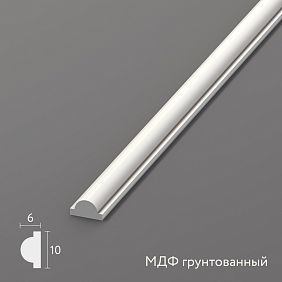
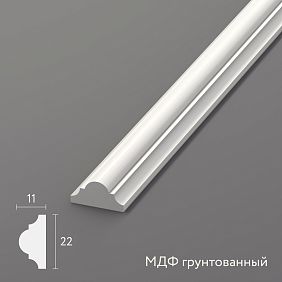
Wood Species and Their Characteristics
Coniferous species for solid baseboards:
Common spruce is distinguished by its affordable price and excellent technical characteristics. Density of 400-500 kg/m³ ensures easy processing while maintaining sufficient strength. Resin provides natural protection against moisture and biological damage. Light color with pronounced texture harmoniously fits Scandinavian and eco-interiors.
Siberian larch surpasses spruce in density (550-650 kg/m³) and moisture resistance. High content of tannins makes the wood practically immune to mold and mildew. The beautiful reddish hue gradually develops into a noble silver tone over time.
Deciduous species in the premium segment:
European oak is considered the benchmark of quality among deciduous species. Density of 600-800 kg/m³ ensures exceptional strength and wear resistance. Pronounced texture with beautiful growth rings creates a unique pattern on each item. Tannins in the wood composition have antiseptic properties.
European beech is characterized by uniform structure and high density (650-750 kg/m³). Fine-grained wood takes dyeing exceptionally well, allowing for a wide range of shades. Beech looks especially striking when steamed to achieve a pinkish hue.
Common ash combines the beauty of oak with a lighter shade. Density of 600-750 kg/m³ and high viscosity make the wood resistant to impact loads. Contrasting texture with clear distinction between early and late wood creates an expressive pattern.
Get Consultation
Technical Advantages of Solid Baseboards
Structural Strength and Stability:
The solid structure of the wood ensures even distribution of stresses across the entire cross-section of the profile. This eliminates delamination and cracking, typical of composite materials. The linear expansion coefficient of natural wood is predictable and compensated for by proper installation.
The fibrous structure of wood possesses natural elasticity, allowing the baseboard to adapt to minor wall irregularities without damage. This is especially important in older buildings with non-ideal room geometry.
Ecological Characteristics:
Natural wood does not emit harmful substances, creating a healthy microclimate in the room. The ability to "breathe" allows regulating air humidity, which is especially valued in bedrooms and children's rooms. Some species contain phytoncides with antibacterial properties.
The possibility of full recycling makes solid baseboards an environmentally responsible choice. After the end of its service life, the wood can be reused or disposed of without harming the environment.
Restoration Possibilities:
A unique advantage of solid wood is the possibility of multiple restorations. Surface damage can be easily removed by sanding. Deep scratches and dents can be removed by local treatment without replacing the entire element.
What to paint wooden skirting boards It depends on the desired result. Multiple repainting, color changes, or creation of decorative aging or patina effects are possible.
Aesthetic Qualities of Solid Baseboards
Each element made from solid wood is unique due to the unique pattern of growth rings, arrangement of knots, and texture characteristics. This individuality creates a lively, warm atmosphere in the interior, unattainable with artificial materials.
The natural color of wood gradually develops a noble patina, becoming even more expressive over time. Under light exposure, light-colored species darken, while dark ones may slightly fade, creating a natural play of tones.
The possibility of creating complex decorative profiles allows implementing any design concepts. From minimalist modern forms to richly ornamented classic profiles with cornices, grooves, and moldings.
MDF skirting boards: technological efficiency and versatility
Solid wood MDF skirting board It presents a modern solution combining the appearance of natural wood with the technological advantages of composite material. Medium Density Fiberboard is made from thin wood fibers pressed at high temperature using binding agents.
MDF Skirting Board Production Technology
The base is made from ground wood of deciduous and coniferous species. Particle size is strictly controlled — too large particles reduce strength, too small increase binder consumption. The optimal fraction is 0.5–1.0 mm.
Urea-formaldehyde or phenol-formaldehyde resins are used as binders. Modern technologies allow minimizing formaldehyde emissions, making MDF safe for residential spaces. E1 emission class meets the strictest ecological requirements.
Pressing occurs at 180–220°C and 2.5–4.0 MPa pressure. This ensures a density of the finished material of 600–800 kg/m³ — higher than most natural wood species.
Decorative Finishes for MDF Skirting Boards
Laminating with films:
The most common decoration method is applying decorative film under pressure and high temperature. Modern films accurately reproduce the texture of various wood species, including rare and exotic types.
Film thickness is 0.2–0.4 mm, ensuring sufficient wear resistance while maintaining flexibility. Special adhesive formulations provide reliable adhesion to the base throughout the product’s service life.
Color palette is virtually limitless — from classic wood tones to modern design solutions. It is possible to imitate not only wood, but also stone, metal, leather, and other materials.
Natural veneer:
Premium MDF skirting boards are covered with thin slices of natural wood 0.6–1.5 mm thick. This provides an appearance virtually indistinguishable from solid wood at significantly lower cost.
Veneer is glued onto water-resistant adhesives under pressure, preventing delamination under normal operating conditions. Subsequent toning and lacquering are possible to create various decorative effects.
Painting and enamel finishes:
Solid-colored painted skirting boards are popular for modern interiors. Special primers ensure even paint application and prevent absorption into the base.
Polyurethane enamels create durable, wear-resistant coatings with various gloss levels. Special effects such as metallic, pearlescent, and matte textures are possible.
Technical Specifications of MDF
Dimensional Stability:
The homogeneous structure of MDF ensures uniform expansion coefficients in all directions. This eliminates warping and cracking typical of natural wood with non-uniform structure.
Water-resistant MDF grades contain special additives reducing water absorption to 8–12% after 24 hours of full immersion. This allows using such skirting boards in rooms with moderately elevated humidity.
Mechanical Properties:
MDF density of 600–800 kg/m³ ensures high flexural strength — 20–25 MPa, comparable to coniferous wood species. Homogeneous structure eliminates weak spots — knots, grain irregularities, fiber tilting.
Surface hardness allows creating sharp profiles without chips or scratches. This is especially important for skirting boards with complex shapes and fine decorative elements.
Processing and Installation:
MDF is excellently machinable with all types of woodworking tools. Absence of grain irregularities and variable density ensures clean cuts without chipping.
The material holds fasteners well — self-tapping screws, nails, adhesives. How to install wooden skirting boards MDF behaves similarly to solid wood, but requires pre-drilling holes to prevent cracking.
Limitations of MDF Material
Water Resistance:
Standard MDF is sensitive to moisture exposure. When wet, the base may swell and lose its decorative finish. This limits its use in bathrooms, saunas, and unheated rooms.
Edges are especially vulnerable to moisture penetration, so require quality sealing during installation. Even moisture-resistant grades are not recommended for rooms with consistently high humidity.
Repairability:
Unlike solid wood, damaged decorative finishes on MDF cannot be locally repaired. Scratches, chips, and peeling require replacement of the entire element.
The inability to sand and repaint limits interior refreshment options. To change the color of baseboards, full replacement is required.
PVC baseboards: Practicality of modern technologies
Polymer PVC baseboards have gained popularity due to the combination of affordable pricing, practicality in use, and wide design possibilities. Modern technologies allow creating PVC products visually indistinguishable from natural materials.
Structure and production of PVC baseboards
Extrusion technology:
Extrusion is the basis of production — melting PVC and forcing it through a die with the profile of the baseboard. This ensures high dimensional accuracy and consistent properties along the entire length of the product.
The PVC composition includes stabilizers preventing degradation at high temperatures, plasticizers for flexibility, fillers to reduce cost and improve properties, and pigments for creating the base color.
Multi-chambered structure ensures lightweight construction while maintaining strength. Internal chambers can be used for cable routing, which is especially relevant in modern interiors.
Surface decoration:
Printing is done using offset or digital printing followed by laminating with a protective film. Print resolution reaches 1440 dpi, ensuring photographic-quality reproduction of textures.
Modern acrylic-based paints are resistant to fading under UV exposure. A polyurethane protective coating ensures resistance to abrasion and chemical exposure.
Hot embossing technology allows creating a relief surface that precisely mimics natural wood texture. Relief depth reaches 0.3–0.5 mm, creating tactile sensations close to natural ones.
Functional advantages of PVC
Water Resistance:
Absolute moisture resistance — the main advantage of PVC baseboards. The material does not absorb water, does not deform with humidity changes, and is not susceptible to mold and mildew.
This makes PVC baseboards ideal for bathrooms, kitchens, pools, saunas, winter gardens, and other spaces with extreme operating conditions.
The ability to clean with any household cleaning agents significantly simplifies maintenance. The surface does not absorb dirt and is easy to clean.
Chemical resistance:
PVC is resistant to most household chemicals — cleaning agents, disinfectants, weak acids and alkalis. This is important for spaces with heightened sanitary requirements.
The material does not emit harmful substances under normal use, confirmed by sanitary-hygienic certificates.
Ease of Installation:
The lightweight material simplifies transportation and installation. The ability to cut with standard tools allows installation without special equipment.
Hidden mounting systems provide a neat appearance without visible fasteners. Pre-cut corner pieces eliminate the need for precise miter cuts.
Design possibilities of PVC
Imitation of natural materials:
Modern finishes accurately reproduce the texture of various wood species — from popular oak and pine to exotic wenge and zebrawood. Stone, metal, and leather structures can also be imitated.
Multi-layer printing creates a depth effect characteristic of natural materials. Various gloss levels — from deep matte to bright gloss — allow creating diverse visual effects.
Color variety:
The PVC skirting board palette is virtually limitless. In addition to traditional wood tones, vibrant designer colors are available — from soft pastels to bold contrasting shades.
The ability to precisely match the color of flooring or walls allows for harmonious interiors. Special collections are synchronized with popular laminate and LVT tile series.
Limitations of PVC materials
Thermal deformation:
PVC has a high coefficient of thermal expansion — 5-7 times greater than wood. Significant temperature fluctuations may cause deformation and detachment from the wall.
This limits application near heat sources — radiators, heated floors, fireplaces. Thermal expansion gaps must be provided during installation.
Mechanical strength:
Relatively low impact resistance makes PVC skirting boards vulnerable to mechanical damage. Impacts may cause cracks that cannot be repaired.
Surface may scratch upon contact with sharp objects. However, modern protective coatings significantly enhance resistance to abrasion.
Detailed comparison of materials by key parameters
Durability and service life
Solid wood:
Properly manufactured and installed solid wood skirting boards last 30-50 years, and with proper care, can be used for centuries. Examples include skirting boards in historic buildings that have retained functionality after over 100 years of service.
Natural wood 'ages beautifully', acquiring a noble patina. The possibility of multiple restorations allows maintaining ideal condition throughout its service life.
MDF skirting boards:
The service life of quality MDF skirting boards is 15-25 years under proper usage conditions. The limiting factor is usually wear of the decorative coating.
Moisture-resistant varieties, under suitable conditions, may last up to 20-30 years. However, exposure to moisture drastically reduces service life to 5-10 years.
PVC skirting boards:
Polymer materials are not subject to biological decomposition, theoretically ensuring a very long service life. In practice, the limiting factors are wear of the decorative coating and mechanical damage.
Quality PVC skirting boards last 15-20 years; budget options last 7-12 years. UV stabilizers prevent fading from sunlight.
Ecological characteristics
Ecological properties of solid wood:
Natural wood is an absolutely ecological material, emitting no harmful substances. Its ability to regulate air humidity creates a comfortable microclimate.
Full biodegradability and recyclability make solid wood an ecologically responsible choice. The carbon footprint is minimal when using local timber species.
MDF and formaldehyde:
The main ecological risk of MDF is the potential emission of formaldehyde from binding resins. Quality E1-class products are safe for residential use but require certification.
Modern technologies allow producing MDF with minimal formaldehyde content, but complete elimination of its emission is impossible.
Safety of PVC:
Quality PVC does not emit harmful substances under normal use. However, heating above 60-70°C may cause vinyl chloride emission.
Importance of proper disposal — PVC does not decompose under natural conditions and requires special recycling. Burning releases toxic substances.
Cost-effectiveness
Initial investments:
Wooden baseboard price per linear meter:
- Coniferous species: 300-800 rubles
- Oak, beech: 1200-2500 rubles
- Exotic species: from 3000 rubles
MDF skirting boards: 200-800 rubles per linear meter depending on decor and base quality.
PVC skirting boards: 150-500 rubles per linear meter, including all necessary fittings.
Total ownership cost:
When calculating long-term costs, the following must be considered:
- Material lifespan
- Maintenance and repair costs
- Restoration possibility
- Residual value
Solid wood, despite its high initial cost, may prove the most economical solution due to its long service life and restorability.
Installation and maintenance
Installation complexity:
Solid wood requires professional skills for precise cutting of angles and joints. Special tools — miter gauge, circular saw, router for complex profiles — are required.
MDF is easier to process due to its uniform structure. Corner cutting is more predictable, with less risk of chipping or cracking.
PVC is the easiest to install. Pre-cut corner pieces eliminate the need for precise cutting. Installation can be done without special skills.
Care requirements:
Solid wood requires regular care with specialized products. Protection from moisture and periodic renewal of protective coatings are necessary.
MDF requires careful handling of its decorative finish. Avoid abrasive cleaners and protect joints from moisture.
PVC requires the least care — regular wet cleaning with standard cleaning agents is sufficient.
Criteria for selecting material for different conditions
Luxury interiors and classical styles
For creating prestigious interiors in classical, neoclassical, and empire styles, the only viable option remains Wooden baseboard solid wood. Only natural wood can convey the nobility and solidity required by such styles.
Oak skirting boards with rich texture and complex profile create an atmosphere of luxury and respectability. The ability to create unique decorative elements allows for the realization of the most ambitious design concepts.
Investments in high-quality solid wood skirting boards are justified not only by their long service life but also by the increased overall value of the interior. In luxury real estate, the use of natural materials is a mandatory requirement.
Modern minimalist interiors
High-tech, minimalist, and Scandinavian design styles prefer clean lines and neutral color palettes. All three materials can be successfully applied depending on budget and specific requirements.
MDF skirting boards with solid color finish provide perfectly flat surfaces and sharp lines. The ability to create any RAL color allows precise matching to interior color schemes.
PVC skirting boards in modern finishes resembling concrete, metal, or stone harmoniously complement industrial interiors. Built-in LED strips create a "floating wall" effect, popular in futuristic designs.
Family apartments with children
Practicality in use becomes a priority in family homes. Skirting boards must withstand active use, frequent cleaning, and possible mechanical impacts.
PVC skirting boards are optimal for children's rooms, play areas, and hallways. Their ability to be cleaned with disinfectants, resistance to dirt, and material safety make them the preferred choice.
MDF skirting boards are suitable for bedrooms and living rooms, where mechanical impacts are minimal. A wide range of finishes allows creating a cozy home atmosphere.
Commercial and public spaces
Offices, stores, hotels, and medical facilities have special requirements for finishing materials: increased foot traffic, frequent cleaning, and sanitary standards.
PVC skirting boards with antibacterial coatings are ideal for medical facilities. They can be disinfected with chlorine-based agents, and lack pores or cracks where bacteria can multiply.
Solid wood skirting boards are suitable for prestigious offices and luxury hotels. The high durability of oak and ash withstands intensive use.
Regional selection characteristics
Influence of climatic conditions
In regions with a sharply continental climate, where winter temperatures drop to -30°C and below, and summer temperatures rise above +30°C, material stability is especially important.
Solid wood requires proper drying and acclimatization before installation. Coniferous species are more stable under such conditions due to resin content.
PVC may deform under extreme temperatures, especially near heat sources. Larger thermal expansion gaps are required.
Humidity and coastal climate
In regions with high air humidity (coastal zones, tropical climate), material moisture resistance is critically important.
Solid wood requires special treatment with moisture-resistant compounds. Species with natural moisture resistance — larch, teak — are preferred.
PVC shows maximum stability in high humidity conditions, does not deform or break down.
Even moisture-resistant MDF requires caution. High-quality sealing of joints and ends is necessary.
Combining different materials in one interior
Functional zoning
A practical approach implies using different materials depending on the operating conditions of each room. This allows optimizing costs without compromising quality.
Wet zones: PVC skirting boards in bathrooms, showers, laundries ensure longevity and ease of maintenance.
Living rooms: MDF or solid wood in bedrooms and living rooms create a comfortable atmosphere at moderate cost.
Traffic zones: Solid wood from hardwood species in entryways and hallways withstands intensive use.
Stylistic unity
When using different materials, it is important to ensure visual compatibility. Modern decorative technologies allow achieving virtually indistinguishable appearances.
A unified color palette, matching profile, synchronized finishes create a sense of interior cohesion when using different materials in different zones.
Trends and Innovations
Ecological requirements
Growing ecological requirements stimulate the development of "green" technologies. MDF manufacturers switch to formaldehyde-free binders based on natural resins.
PVC producers implement waste recycling technologies, reduce energy consumption, and develop biodegradable additives.
Timber harvesters adopt sustainable forestry principles and obtain FSC and PEFC certifications.
Technological Innovations
Smart materials: Integrating electronics into baseboards opens up new possibilities. LED lighting, motion sensors, wireless device charging, climate control systems.
Composite materials: WPC (wood-plastic composites) combine the appearance of wood with the practicality of plastic. 100% recyclable without loss of quality.
Digital printing: Advancements in printing technology enable the creation of unique designs based on individual orders. Interior personalization becomes accessible.
Practical Recommendations for Selection
Decision-making algorithm
Step 1. Define budget
Set an overall budget for baseboards, including material, trim elements, and installation. Consider the price-to-quality ratio for long-term value.
Step 2. Analyze usage conditions
Assess humidity, temperature fluctuations, and mechanical loads in each room. This will determine material requirements.
Step 3. Stylistic requirements
Determine priority: authenticity of natural materials or practicality of modern solutions.
Step 4. Technical limitations
Consider installation complexity, availability of components, repair and maintenance capabilities.
Material recommendations
Choose solid wood if:
- Budget allows investing in long-term quality
- Interior is designed in a classic style
- Ecological and natural materials are important
- Long-term use is planned with potential for restoration
Choose MDF if:
- Compromise between appearance and cost is needed
- Usage conditions are moderate (residential spaces)
- Variety of finishes and precise color matching are important
- Interior renovation is planned every 10-15 years
Choose PVC if:
- Practicality and ease of maintenance are priorities
- High humidity or extreme usage conditions
- Limited budget with high quality requirements
- Modern-style interiors allow the use of polymers.
Frequently Asked Questions
Which skirting board is more durable: solid wood or MDF?
Solid wood significantly outperforms MDF in durability. High-quality solid wood skirting boards last 30-50 years, and with proper care, can be used for centuries. MDF skirting boards last 15-25 years depending on usage conditions. The key advantage of solid wood is the possibility of multiple restorations: the surface can be sanded, repainted, and protective coatings renewed. MDF requires complete replacement of the element if the decorative layer is damaged.
In which cases is it better to choose PVC?
PVC skirting boards are optimal for rooms with high humidity: bathrooms, kitchens, pools, saunas. Absolute moisture resistance, resistance to chemical cleaning agents, and ease of maintenance make them indispensable in such conditions. PVC is also suitable for families with young children due to the possibility of frequent disinfection and resistance to stains. In commercial spaces with high foot traffic, PVC ensures longevity with minimal maintenance.
Can different skirting boards be combined in an apartment?
Combining different materials is not only permissible, but often optimal from both practical and economic perspectives. It is recommended to zone by functionality: PVC in humid areas, MDF or solid wood in living rooms, solid hardwood in high-traffic zones. It is important to ensure visual compatibility: use the same profiles, colors, and heights for skirting boards. Modern decorative technologies allow achieving a practically indistinguishable appearance of different materials.
Choosing between solid wood, MDF, and PVC requires a comprehensive analysis of usage conditions, aesthetic preferences, budgetary possibilities, and long-term plans. Each material has its unique advantages and optimal application areas. The right choice ensures durability, functionality, and aesthetic appeal of the interior for many years.