Article Contents:
- Evolution of wooden decoration: from antiquity to modernity
- Historical excursion: traditions of wooden decoration
- Modern trends: new life for ancient material
- Ecological aspect: conscious choice of modern people
- Types of wooden decoration: variety of forms and functions
- Wall decoration: accents that create character
- Decorative elements for furniture: details that create a whole
- Freestanding elements: accents that create mood
- Wood species for decorative elements: choice with character
- Exotic Hardwoods: Durability and Character
- Exotic Species: Uniqueness and Character
- Softwoods: accessibility and ease of processing
- Woodworking Techniques: From Tradition to Innovation
- Wood Carving: Art Tested by Time
- Turning: Harmony of Form
- Inlay and Marquetry: Play of Contrasts
- Modern Technologies: New Possibilities
- Wooden Decoration in Various Interior Styles
- Classic style: Eternal elegance
- Scandinavian Style: Natural Simplicity
- Loft: industrial aesthetics
- Eco-Style: Harmony with Nature
- Minimalism: focus on form
- Practical tips for choosing and placing wooden decoration
- Style harmony: creating a cohesive look
- Scale and proportions: maintaining balance
- Color combinations: playing with shades
- Functionality and practicality: beauty in details
- Care for wooden decorative elements
- Regular Cleaning: Simple Rules
- Protection from Moisture and Sun: Preventing Damage
- Updating Protective Coating: Periodic Necessity
- Creating wooden decoration yourself: creativity and self-expression
- Basic tools and materials: what you need to start
- Simple projects for beginners: first steps
- Advanced techniques: developing skill
- Conclusion: Wooden Decor as an Expression of Individuality
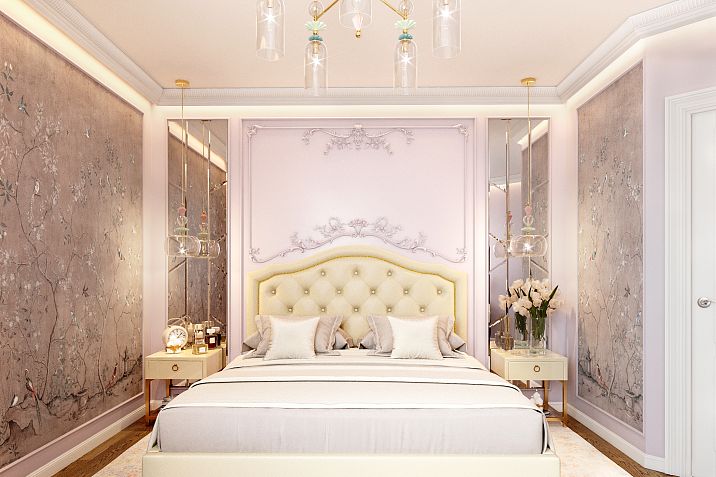
Have you ever noticed how the atmosphere of a room changes when natural wood elements appear in it? As if an invisible master’s hand brings warmth, coziness, and a unique energy into the space that no artificial material can create. Wooden decoration It is not just a fashionable trend of 2025, but an timeless solution that never loses its relevance and appeal.
In a world where synthetic materials have taken over the market, natural wood remains an island of authenticity, a connecting link between humans and nature. It breathes, changes over time, retains the warmth of human hands, and carries the energy of a living organism. That is why wooden decorative elements can so radically transform even the most impersonal interior, filling it with character and individuality.
Let’s together dive into the wonderful world of wooden decoration and learn how to create a space that will not only be beautiful, but truly alive, reflecting your individuality and worldview.


Evolution of wooden decoration: from antiquity to modernity
The history of using wood in home decoration spans thousands of years. Our ancestors intuitively felt the special energy of this material, its ability to create a comfortable living environment.




Historical Excursion: Traditions of Wooden Decoration
In different cultures, unique traditions of working with wood have developed. Russian craftsmen were renowned for their skilled carving, which adorned not only interiors but also house facades. Carved window casings, carved cornices, decorative panels — all of this created the unique appearance of Russian wooden architecture.
Japanese craftsmen, on the contrary, valued the natural beauty of wood, emphasizing it through minimal processing and special attention to the material's texture. Scandinavian woodworking traditions were characterized by functionality and simplicity of form, which today is reflected in the popular Scandinavian interior style.
Our factory also produces:


Modern Trends: New Life for Ancient Material
In 2025, wooden decoration is experiencing a true renaissance. Modern designers reinterpret traditional forms, creating items that seamlessly fit into current interior styles.
One of the main trends is the use of unprocessed or minimally processed wood, preserving its natural texture and color. Such elements look especially well in eco, Scandinavian, or Japanese minimalist interiors.
Another popular trend is combining wood with other materials: metal, glass, concrete. The contrast of textures creates interesting visual effects and adds dynamism to the interior.
Get Consultation
Ecological Aspect: Conscious Choice of Modern People
In the era of growing ecological awareness Wooden decoration It has become not just an aesthetic, but also an ethical choice. More and more people prefer natural materials, caring about their health and the state of the environment.
Modern manufacturers of wooden decoration follow the principles of sustainable development, using wood from responsibly managed forests or recycled materials. This allows one to enjoy the beauty of natural wood without harming nature.
Types of Wooden Decoration: Variety of Forms and Functions
The modern market offers a vast variety of wooden decorative elements that can be used for various purposes — from wall decoration to creating accent details.
Wall Decor: Accents That Define Character
Wooden decorative wall elements can dramatically change the perception of space, becoming the central element of the interior or a delicate addition to the main finish.
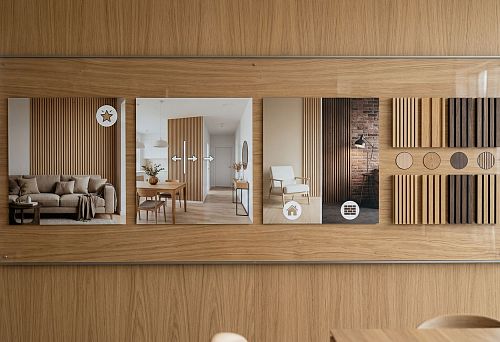
Wooden panels are experiencing a new wave of popularity. Unlike standard siding, modern panels can have complex textures, three-dimensional patterns, or unusual shapes. They are ideal for creating accent walls in living rooms or bedrooms.
Carved panels and wooden pictures are becoming true works of art, bringing individuality and artistic value to interiors. Such elements can reflect the owner’s personal interests or philosophy.
Wooden frames for mirrors and pictures — a classic decorative element that never goes out of style. In 2025, frames made of unprocessed wood, preserving the natural texture and color, are especially popular.
Decorative Elements for Furniture: Details That Create a Whole
Decorative elements for furniture allow even the simplest items to be transformed, giving them individuality and character.
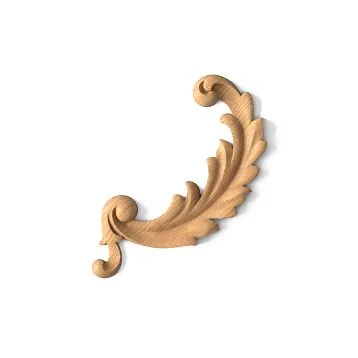
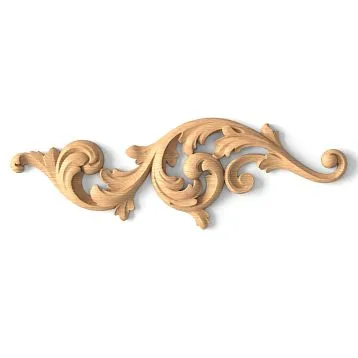
Carved appliqués are a universal decorative element that can be used to embellish cabinet fronts, chests, or bedside tables. They come in various shapes and sizes: from small rosettes to large compositions with floral or geometric motifs.
Decorative legs for furniture can completely change the perception of an item. Replacing standard legs with carved wooden ones transforms an ordinary sofa or armchair into an elegant interior piece.
Cornices and moldings are used to decorate the upper parts of cabinets, display cases, and bookshelves. They give furniture a finished and elegant look, especially in classic interiors.
Stand-alone Elements: Accents That Create Mood
Stand-alone wooden decorative elements can become striking accents in the interior, drawing attention and creating a special atmosphere.
Wooden sculptures and figurines are art objects that can reflect the personal tastes and preferences of the home’s owner. From abstract forms to realistic images — the choice is limited only by imagination.
Decorative wooden vases and candlesticks add warmth and coziness to interiors. They look especially well combined with live plants or candles, creating an atmosphere of naturalness and harmony.
Wooden clocks — a functional decorative element that can become a central accent in the interior. Modern designers offer many interesting solutions: from minimalist models to complex mechanisms with exposed gears.
Wood Species for Decorative Elements: Choosing with Character
Choosing a wood species for decorative elements is not only an aesthetic but also a practical question. Different species have different properties that determine their suitability for specific purposes.
Luxurious hardwoods: durability and character
Hardwood species are characterized by high density, strength, and durability. They are ideal for creating elements that must retain their shape and appearance for many years.
Oak is a classic choice for creating decorative elements. Its wood features a beautiful texture with distinct growth rings and a honey or golden hue. Oak is easy to carve, preserving the clarity of lines and details.
Beech has a more uniform structure and a light, slightly pinkish tone. It is ideal for creating elements with fine detailing and complex geometry.
Ash is valued for its beautiful texture and high strength. Its wood has a light tone with a slight yellow or pinkish hue. Ash is easy to work with and polish, making it a popular choice for creating high-quality decorative elements.
Exotic species: uniqueness and character
Exotic wood species attract with their unusual color and texture. They are used to create exclusive, designer decorative elements.
Wenge is an African species with a dark brown, almost black color and contrasting grain. Wenge items become striking accents in interiors, drawing attention with their unusual texture.
Teak has a golden-brown color and high natural oil content, making it resistant to moisture and decay. Teak decorative elements can be used even in rooms with high humidity, such as bathrooms.
Rosewood has a rich reddish-brown color and a complex, expressive grain. Rosewood items look luxurious and elegant, becoming true ornaments of the interior.
Softwoods: accessibility and ease of processing
Softwoods are easier to process and more affordable. They are ideal for creating decorative elements with fine carving and complex details.
Linden is a traditional material for wood carving. Its wood has a uniform structure and light color, allowing for the creation of items with the finest detailing.
Spruce is an accessible species with a distinctive texture and warm, golden hue. Spruce decorative elements fit well into rustic or Scandinavian-style interiors.
Cedar has a pleasant aroma and a beautiful pinkish tone. Cedar decorative elements not only adorn interiors but also fill them with a pleasant, calming fragrance.
Woodworking techniques: from tradition to innovation
Methods of wood processing for creating decorative elements are diverse and allow for the production of items with completely different characteristics and styles.
Wood carving: an art tested over centuries
Wood carving is one of the oldest techniques in decorative-applied arts. It can be flat relief, where the pattern slightly protrudes from the surface, or deep, three-dimensional, creating complex compositions.
In 2025, geometric carving is especially popular, fitting well into modern minimalist interiors. Traditional floral ornaments also remain relevant, adding warmth and coziness to interiors.
Turning: harmony of form
Turning allows for creating perfectly symmetrical, smooth shapes. This technique is used for making balusters, columns, furniture legs, and other elements with round cross-sections.
Modern CNC turning machines allow for creating items with high precision and repeatability, which is especially important when producing series decorative elements.
Inlay and marquetry: play of contrasts
Inlay is a technique where elements from other materials are inserted into the main material: other wood species, mother-of-pearl, metal, stone. Marquetry is a type of inlay, where the pattern is created using thin veneer strips of different wood species.
These techniques allow for creating refined, detailed images that become true works of art. In 2025, geometric patterns in the Art Deco style and abstract compositions are especially popular.
Modern technologies: new possibilities
Modern technologies open new possibilities for creating wooden decorative elements. Laser cutting and engraving allow creating items with incredible precision and detail. 3D milling enables realizing complex three-dimensional forms that would be difficult or impossible to create by hand.
Computer modeling allows designers to experiment with shapes and textures, creating unique, innovative items that still retain the warmth and naturalness of wood.
Wooden decor in various interior styles
Wooden decoration Remarkably versatile and can fit organically into almost any interior style, from classical to ultra-modern.
Classic style: eternal elegance
In a classic interior, wooden decorative elements play a key role, creating an atmosphere of luxury and elegance. Here, carved cornices and moldings, columns and pilasters, decorative rosettes and appliqués are appropriate.
The use of valuable wood species — oak, walnut, mahogany — is characteristic of the classical style. Items often feature intricate floral carvings and are coated with varnish with a glossy or patina effect, creating an antique look.
Scandinavian style: natural simplicity
In Scandinavian interiors, wooden decorative elements are characterized by simplicity of form and naturalness. Light-colored woods such as birch, pine, and spruce dominate, creating a sense of light and space.
Decorative elements in Scandinavian style often have minimal processing, preserving the natural texture and color of the wood. These can be simple shelves, mirror and picture frames, decorative candlesticks and vases.
Loft: Industrial Aesthetic
In loft-style interiors, wooden decorative elements create an interesting contrast with rough concrete surfaces and metal structures. Here, large wooden beams on the ceiling, roughly processed shelves and countertops, and decorative elements made from old, "weathered" wood are popular.
Wood with pronounced texture and signs of age — cracks, knots, scratches — is characteristic of lofts. Such elements add warmth and coziness to the interior, softening the industrial harshness.
Eco-style: harmony with nature
In eco-interiors, wooden decorative elements are key, creating an atmosphere of closeness to nature. Here, minimally processed materials are used: tree trunks, branches, twigs that retain their natural shape and texture.
Decorative elements in the eco-style often combine with other natural materials: stone, clay, rattan, creating a cohesive, harmonious composition. The color palette is predominantly natural: shades of brown, green, beige.
Minimalism: focus on form
In minimalist interiors, wooden decorative elements are characterized by simplicity of form and clean lines. There is no room for excessive decoration: each element is functional and has a clear geometric shape.
Light-colored woods with uniform structure are characteristic of minimalism: maple, ash, beech. Surfaces are usually matte with minimal processing, emphasizing the natural beauty of the material.
Practical tips for choosing and placing wooden decor
Choosing and placing wooden decorative elements is a creative process that requires attention to detail and understanding of basic design principles.
Style harmony: creating a cohesive look
When choosing wooden decorative elements, it is important to consider the overall interior style. Elements should harmonize with furniture, finishes, and color palette, creating a cohesive, harmonious look.
If your interior is in a classic style, choose decorative elements with traditional forms and ornamentation. For a modern interior, more minimalist, geometric forms are suitable. In an eclectic interior, you can experiment by combining different styles and eras.
Scale and proportions: maintaining balance
When placing wooden decorative elements, it is important to consider the scale and proportions of the room. Large, heavy elements will look good in spacious rooms with high ceilings. In smaller rooms, it is better to use more compact, lightweight elements that will not overwhelm the space.
It is also important to maintain balance between different decorative elements. If you have a large, striking element that draws attention, other elements should be more restrained, playing the role of background or accent.
Color combinations: playing with shades
When choosing wooden decorative elements, pay attention to their color and texture. They should harmonize with the overall color palette of the interior, creating interesting, expressive combinations.
Light-colored woods (birch, maple, ash) pair well with cool tones: gray, blue, purple. Warm woods (oak, walnut, cherry) harmonize with warm tones: beige, terracotta, golden.
An interesting effect is created by the contrast between different types of wood in one interior. For example, dark wenge looks strikingly good combined with light maple or beech.
Functionality and practicality: beauty in details
When choosing wooden decorative elements, consider not only their aesthetic qualities but also practical aspects. The elements should be convenient to use, easy to maintain, and meet the functional requirements of the room.
For example, for the kitchen, choose elements resistant to moisture and temperature changes. For a child's room - safe, without sharp corners or small parts. For the hallway - resistant to mechanical damage and easy to maintain.
Care for wooden decorative elements
Proper care of wooden decorative elements will help preserve their beauty and functionality for many years.
Regular cleaning: simple rules
Wooden decorative elements require regular cleaning from dust and dirt. Use a soft, dry cloth or special furniture brushes. Avoid using wet cloths or aggressive cleaning agents, which may damage the protective coating and the wood itself.
For more thorough cleaning, you can use a slightly damp cloth soaked in warm water with mild soap. After such cleaning, be sure to wipe the surface with a dry cloth to remove any remaining moisture.
Protection from moisture and sun: preventing damage
Wood is a living material that reacts to changes in the surrounding environment. To prevent deformation, cracking, or fading of wooden decorative elements, follow a few simple rules:
- Avoid placing wooden elements near heat sources (radiators, fireplaces) or in areas with high humidity.
- Protect wooden elements from direct sunlight, which may cause fading or cracking.
- Maintain optimal humidity levels (40-60%) in the room, using humidifiers or dehumidifiers as needed.
Updating protective coating: periodic necessity
Over time, the protective coating on wooden decorative elements may wear down or dull. To preserve beauty and protective properties, this coating must be periodically renewed.
The frequency of renewal depends on the type of coating, intensity of use, and environmental conditions. On average, oil and wax coatings should be renewed every 1-2 years, while lacquered coatings every 3-5 years.
Before applying a new coating, the surface must be thoroughly cleaned of dust and dirt, and lightly sanded with fine-grit sandpaper if necessary.
Creating wooden decor by hand: creativity and self-expression
Creating wooden decorative elements by hand is not only a way to save money, but also an opportunity for creative self-expression and enjoyment of working with natural materials.
Basic tools and materials: what you need to start
To begin working with wood, you will need some basic tools and materials:
- Cutting tools: hand saw, jigsaw, circular saw (depending on the complexity of the project)
- Sanding tools: sandpaper of different grits, sander
- Joining tools: hammer, screwdrivers, drill, wood glue
- Finishing tools: brushes, rollers, cloths for applying paints and protective coatings
- Materials: boards, planks, plywood, veneer (depending on the project)
- Finishing materials: paints, varnishes, oils, waxes for protection and decoration
Simple projects for beginners: first steps
If you are just starting to work with wood, it is advisable to choose simple projects that will help you master basic techniques:
- Decorative shelves - a simple but functional element that can become a decoration for any room
- Photo frames - an excellent way to master basic joinery and finishing techniques
- Candle holders - easy to make, but striking decorative elements
- Decorative stands - for hot items, mugs, phones
Advanced techniques: developing skills
With experience, you will be able to move on to more complex projects, mastering new techniques and tools:
- Carved panels - require skills in working with chisels and gouges, but allow creating unique, expressive decorative elements
- Turned items - vases, candle holders, decorative columns, made on a lathe
- Wooden mosaic - a complex but engaging technique that allows creating exquisite decorative panels
- Furniture with decorative elements - tables, chairs, cabinets with carved details or inlays
Conclusion: wooden decor as an expression of individuality
Wooden decoration It is not just a way to decorate the interior, but an opportunity to create a space that reflects your individuality, values, and attitude to life. Wooden elements bring warmth, coziness, and a sense of connection to nature, which are so necessary in our technologically advanced, rapidly changing world.
Choosing wooden decorative elements is not only creating a beautiful interior, but also making an eco-friendly, conscious choice in favor of natural materials. You are investing in quality, durability, authenticity - values that will never go out of style.
May your home become a reflection of your soul, a place where every detail matters and tells its own story. May wooden decorative elements become those touches that transform an ordinary space into something unique, full of life and individuality.
For in a world of standardization and mass production, individuality, authenticity, connection to traditions and nature become true luxury. And wooden decor allows you to bring this luxury into your everyday life, creating a space where you want to live, create, love, and be yourself.