Article Contents:
- Fundamental principles of professional furniture sales
- Understanding buyer motivation
- Expertise as the foundation of trust
- Psychological aspects of interaction with customers
- Customer typology and individual approach
- Non-verbal communication in sales
- Structured approach to the sales process
- Preparation stage
- Establishing contact and identifying needs
- Product Presentation
- Specialized techniques for different furniture categories
- Built-in furniture: functionality comes first
- Soft furniture: comfort as the main argument
- Kitchen furniture: the heart of the home requires special attention
- Handling Objections and Doubts
- Price objections
- Doubts about quality
- Uncertainty in choice
- Modern trends and their impact on sales
- Ecological sustainability and development
- Technological Innovations
- Customization and personalization
- Organizing sales of own production
- From workshop to business
- Building a customer base
- Digitalization of furniture sales
- Online platforms and marketplaces
- Social networks as a sales tool
- Virtual and Augmented Reality Technologies
- Building long-term relationships with customers
- Service as a competitive advantage
- Loyalty Programs
- Managing a furniture store
- Layout and design of retail space
- Managing staff
- Analytics and planning
- The Future of the Furniture Industry
- Sustainable materials and technologies
- Personalization and Mass Customization
- Circular Economy
- Conclusion
- Frequently Asked Questions
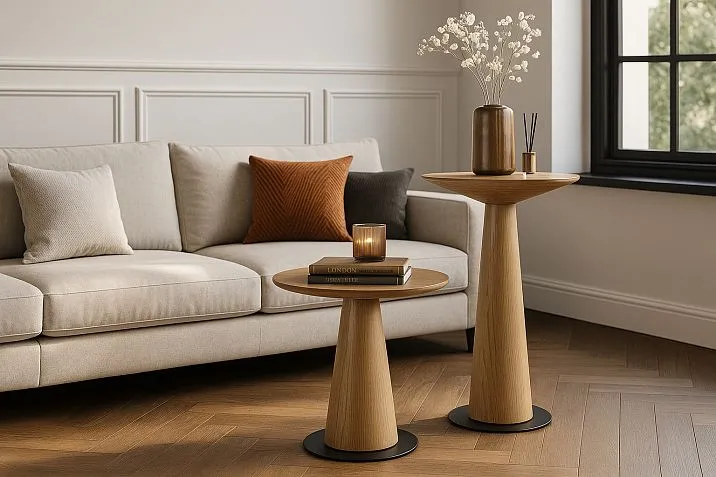
Do you know what distinguishes a genius furniture seller from an average one? Not prices, not assortment, not even showroom layout. The key is understanding that the buyer is not purchasing an interior item, but a piece of their dream of a comfortable home.How to sell furniture properly— an art that can be learned but requires deep understanding of human psychology, knowledge of materials, and impeccable sense of style.
The furniture industry is a special universe, where every purchase becomes an investment in quality of life for years to come. Here, there is no room for chance or impulsive decisions. Every sofa, every table, every cabinet must find its owner through a professional intermediary — a seller who becomes a guide between the client’s dream and the real embodiment of their desires.


Fundamental principles of professional furniture sales




Understanding buyer motivation
What motivates a person to spend significant sums on furniture? A superficial glance suggests obvious reasons: wear and tear of old furniture, moving, changes in life circumstances. But true motivations lie much deeper.
Status and self-identification play a key role in furniture choice. A company executive selects an office not merely for work — it creates a space that speaks to their success, taste, and social standing. A young family furnishes a child’s room not only for the child’s comfort, but also to realize parental ambitions and care.
The emotional component outweighs the rational in most furniture purchases. A chair is bought not for its technical specifications, but for the coziness it promises. A dining table is chosen not by tabletop size, but by imagining family dinners and celebrations.
Our factory also produces:


Expertise as the foundation of trust
The modern furniture buyer is as informed as ever before. The Internet provides access to technical specifications, reviews, comparative analyses. In such a situation, the seller must possess knowledge surpassing that found in open sources.
What new-generation furniture is made of — a question customers must receive comprehensive answers to. Eco-friendliness, durability, ease of care — specific advantages speak louder than abstract 'innovation'.— a question that must receive a thorough and professional answer. Differences between solid oak and veneered MDF, characteristics of various types of furniture hardware, advantages and disadvantages of different upholstery types — every detail shapes the image of a competent specialist.
Knowledge of manufacturing processes, understanding of how raw material quality affects the final product, ability to explain why one model costs more than another — all this creates the foundation of trusting relationships with the client.
Get Consultation
Psychological aspects of interaction with buyers
Customer typology and individual approach
Each buyer is unique, but certain psychotypes exist, understanding which significantly increases sales effectiveness.
The pragmatist is oriented toward functionality, durability, price-to-quality ratio. Such a client values technical specifications, warranties, practical usability. Emotional arguments work poorly — facts, figures, rational justifications are needed.
The aesthete prioritizes beauty, style, alignment with fashion trends. For him, furniture is a means of self-expression, creating a unique atmosphere. Here, stories about design solutions, collection creation histories, emphasis on exclusivity are effective.
The status-conscious buyer seeks confirmation of their position through expensive, prestigious brands. Manufacturer reputation, exclusivity, and the ability to highlight their success are important.
The family-oriented buyer prioritizes safety, comfort for all family members, practicality in maintenance. Material eco-friendliness, structural strength, ease of cleaning — these are priority characteristics.
Non-verbal communication in sales
Most information is conveyed not by words, but by gestures, facial expressions, intonation. An experienced furniture seller reads the client like an open book, adjusting their strategy in real time.
Posture, gait, the buyer’s gaze reveal their mood, willingness to purchase, financial capacity. Crossed arms may signal a defensive stance, frequent glances at the clock — urgency, intense scrutiny of price tags — importance of cost.
The seller’s own non-verbal communication is equally important. Open gestures, confident posture, genuine smile create an atmosphere of trust. Overbearing behavior, restlessness, lack of confidence are instantly perceived by the client and reduce the chances of a successful deal.
Structured approach to the sales process
Preparation Stage
Successful sales begin long before the client arrives in the showroom. Preparing the space, studying new arrivals, analyzing competitive offers — daily work of a professional.
Exhibition should tell a story, create an atmosphere. Not just furniture arranged, but carefully designed interior compositions demonstrating the potential use of each item.Unique InteriorsThey arise from understanding how different elements interact with each other.
Knowledge of the assortment must be absolute. Dimensions, materials, construction features, manufacturing timelines — information that must be instantly accessible. Any hesitation, need to consult catalogs or colleagues reduces client trust.
Establishing contact and identifying needs
The first minutes of interaction determine the entire subsequent course of interaction. Sincere attention to the client, demonstration of willingness to help, professional confidence — elements that form the first impression.
Questions should not merely be polite, but diagnostic. 'For which room are you selecting furniture?', 'What interior style do you prefer?', 'Are there any layout specifics that need to be considered?' — each answer provides valuable information for crafting a personalized offer.
Active listening is a skill that distinguishes professionals from amateurs. It's not just about hearing words, but understanding the underlying message, sensing emotions, noticing doubts. Often, the client doesn't fully understand what they want — the seller's task is to help them articulate their need.
Product presentation
How to turn technical specifications into benefits that are understandable and important to a specific client? This is the art of transforming facts into advantages.
Instead of 'solid oak countertop' — 'natural wood that becomes even more beautiful over time, developing a noble patina'. Instead of 'transformation mechanism' — 'the ability to instantly convert a compact coffee table into a full-sized workspace'.
Demonstration should engage all senses. Allow the client to touch the upholstery texture, show the smooth operation of mechanisms, demonstrate the storage capacity. Furniture must be not only seen, but felt.
Stories of other clients, successful interior solutions, usage examples — social proof works especially effectively in furniture sales. People want to see how their choice has paid off for others.
Specialized techniques for different furniture categories
Cabinet furniture: functionality comes first
Selling cabinets, chests, and shelving requires a special approach. Here, clients are primarily interested in practical aspects: capacity, ease of use, durability.
Demonstrating the internal structure of a cabinet should be accompanied by an explanation of the thoughtful design of each element. Shelves of different heights for various types of clothing, drawers with soft-close mechanisms for small items, rods of different lengths — each detail has its purpose.
Hardware quality is the decisive factor in cabinet furniture. Guides, hinges, and handles must operate flawlessly not only in the showroom but also over years of intensive use. Explaining the differences between cheap and quality hardware often justifies the higher cost of the product.
Soft furniture: comfort as the main argument
how to sell soft furnitureEffective? Here, the emotional component plays a decisive role. Sofas or chairs are not purchased for one day — it's an investment in daily comfort.
Testing is mandatory. The client must sit down, lean back, feel the seat's firmness, the height of the backrest, the comfort of the armrests. Body dimensions, sitting habits, preferences for firmness — individual parameters that cannot be visually determined.
Upholstery materials require detailed explanation. Natural leather, eco-leather, various types of fabric — each material has its own characteristics in care, durability, and appearance. Presence of children, pets, intensity of use — factors influencing upholstery choice.
Transformation mechanisms in sofas and chairs — a separate topic for presentation. It's not just about showing how a sofa unfolds, but explaining the mechanism's convenience, reliability, and frequency of possible use.
Kitchen furniture: the heart of the home requires special attention
The kitchen is a special space where functionality must combine with aesthetics. Here, every centimeter matters, and every element must be thought out in detail.
Kitchen ergonomics — a scientific discipline whose knowledge distinguishes a professional seller. The rule of the working triangle, optimal height of work surfaces, accessibility to frequently used items — principles that must underlie any kitchen project.
Materials for fronts, countertops, and hardware in kitchen furniture are subjected to special loads. Moisture, temperature fluctuations, frequent use require increased durability. Explaining these features helps the client understand the value of quality solutions.
Working with objections and doubts
Price objections
"Too expensive" — the most common objection in furniture sales. Behind this phrase may lie numerous different reasons: actual budget shortage, uncertainty about the value of the offer, an attempt to negotiate.
The cost breakdown technique works especially effectively. Instead of showing the total price, show the cost per day of use over the furniture's lifespan. A quality sofa costing 100,000 rubles with a 10-year lifespan costs less than 30 rubles per day — less than a cup of coffee.
Comparing with alternative solutions helps demonstrate the rationality of the investment. Buying cheap furniture that will need replacing in a few years ultimately costs more than a quality solution with a long lifespan.
Installment plans, financing options, trade-in programs — tools that can reduce financial burden and make the purchase more accessible.
Doubts about quality
Distrust in quality often stems from previous negative experiences or hearsay. The seller's task is to provide objective information and social proof.
Quality certificates, warranty obligations, customer reviews — documentary proof of reliability. But even more important — the opportunity to physically assess quality. Show the strength of connections, smooth operation of mechanisms, finish quality.
Stories of satisfied customers, examples of furniture that has served for decades, photos of products after long-term use — all of this contributes to building trust.
Uncertainty in choice
A wide range of options can paralyze decision-making. Too many choices create anxiety — what if I choose the wrong one?
Structuring choices helps the client focus. Highlighting 2-3 most suitable options, clearly explaining the differences between them, and assisting in prioritization.
Visualizing the result reduces uncertainty. 3D modeling, augmented reality, photo montages — modern technologies allow showing how furniture will look in the client's interior.
Modern trends and their impact on sales
Ecological Sustainability
Customers' ecological awareness is growing every year. Certified wood, non-toxic coatings, recyclability — factors influencing an increasing number of clients' choices.
Knowledge of ecological standards, ability to explain the advantages of eco-friendly materials, understanding of the impact of manufacturing processes on the environment — competencies of a modern furniture seller.
Russian manufacturers are actively developing ecological directions, and this can become an important competitive advantage compared to imported analogs.
Technological Innovations
Smart furniture is no longer exotic. Built-in charging devices, LED lighting, climate control systems, integration with "smart home" systems — features that modern buyers value.
Understanding technological trends, ability to explain the practical value of innovations, capability to demonstrate new features' operation — skills that distinguish a seller from competitors.
Customization and personalization
Standard solutions are giving way to individual projects. Ability to customize dimensions, choose from multiple finish options, add unique elements — trends defining the development of the furniture industry.
where to buy furniture decor— a question increasingly arising when discussing personalization. Decorative elements, carving, inlays allow creating unique pieces.
Organization of sales of own production
From workshop to business
sell furniture made in-house— a task facing many talented artisans. Transitioning from one-off orders to a systematic business requires a fundamental change in approach.
Positioning of own production should be based on unique advantages: individual approach, high quality, ability to implement non-standard solutions. These factors can compensate for higher costs compared to mass production.
Portfolio of works becomes the main sales tool. High-quality photos, detailed project descriptions, stories of creating unique pieces form the image of the master-artist.
Building a client base
For a new producer, it is critically important to focus on the quality of each item. One satisfied client can bring ten new ones — word-of-mouth in the exclusive furniture sector works especially effectively.
How to start selling furniture— of own production? The local market is the optimal starting point. Participation in trade shows, collaboration with interior designers, direct sales through social networks.
The price of one's own labor is a complex issue for many artisans. The cost should include not only materials, but also skill, time, and uniqueness of the solution. Underpricing leads to dumping and devaluation of the entire segment.
Digitalization of furniture sales
Online platforms and marketplaces
The internet has fundamentally changed the way furniture is purchased. Comparing prices, studying reviews, analyzing features — all this happens before visiting a showroom. A modern seller must be prepared for an informed client.
The quality of photos in online furniture sales is crucial. Detailed shots from different angles, interior photos, close-ups of textures and mechanisms — each image should tell a story about the product.
Product descriptions should be comprehensive and clear. Technical specifications, dimensions, construction features, care recommendations — information that the client seeks first.
Social networks as a sales tool
Instagram, VKontakte, Telegram — platforms where preferences are formed and purchase decisions are made. Beautiful interiors, stylish solutions, stories of satisfied clients — content that drives sales.
Storytelling in social networks helps create an emotional connection with the brand. Stories about furniture creation, interviews with artisans, family stories that found their ideal furniture — content that is memorable and motivates purchase.
Virtual and augmented reality technologies
AR furniture try-on in one's own interior — a technology that revolutionizes the selection process. The ability to see how a sofa will look in the living room without leaving home significantly increases purchase confidence.
3D tours of furniture showrooms, virtual consultations, online furniture configurators — tools that are gradually becoming industry standards.
Building long-term relationships with clients
Service as a competitive advantage
In conditions of fierce competition, service becomes the main factor of differentiation. Delivery, assembly, warranty service — each stage must confirm the correctness of the client's choice.
A personalized approach to each client creates a sense of exclusivity. Remembering preferences, informing about new items that may interest, inviting to special events — elements of VIP service.
Loyalty programs
Furniture is not purchased often, but when the need arises, the client turns to where they are remembered and valued. Accumulative discount systems, special offers for loyal clients, priority service — investments in long-term relationships.
Referral programs are especially effective in the furniture business. A satisfied client happily recommends a good salesperson to friends and acquaintances.
Furniture store management
Layout and design of retail space
Furniture display is an art of storytelling. Each zone should demonstrate a certain lifestyle, create an atmosphere, inspire purchase.
Lighting plays a key role in perceiving furniture. Properly adjusted lighting highlights the merits of items, creates a cozy atmosphere, helps clients imagine furniture in their homes.
Navigation through the store should be intuitive. Logical zoning, clear signage, convenient pathways between displays — elements affecting customer comfort.
Staff management
The sales team is the main asset of the furniture business. Regular training, motivational programs, building a team of like-minded individuals — tasks requiring continuous attention from management.
Service standards must be clearly defined and consistently followed. From greeting the client to finalizing the purchase — each stage must match the company’s level.
Analytics and planning
Modern analytics systems allow tracking the effectiveness of each salesperson, popularity of various furniture models, seasonal demand fluctuations. Data becomes the basis for management decisions.
Procurement planning in the furniture business is especially critical due to long production cycles and large inventory volumes. Demand forecasting, trend analysis, seasonality consideration — skills determining business financial efficiency.
The future of the furniture industry
Sustainable Materials and Technologies
Sustainability is no longer just a trend, but a basic requirement. Using renewable resources, minimizing production waste, creating furniture with full recyclability — directions for industry development.
Biomaterials, composites based on natural fibers, innovative wood processing methods — technologies that will define future furniture production.
Personalization and mass customization
Technology allows combining the advantages of mass production with customization. Modular systems, wide configuration options, rapid design changes — trends that will redefine furniture perception.
Artificial intelligence in furniture design will help create optimal solutions for each specific interior and lifestyle of the client.
Circular economy
The concept of material reuse is gradually entering the furniture industry. Buy-back programs, renovation, upcycling turn used furniture into resources for new products.
Furniture rental, subscription models, temporary use services — business models that can radically change attitudes toward furniture ownership.
Conclusion
How to Learn to Sell FurnitureAt a high professional level? It is a path of continuous development, combining deep product knowledge with understanding of human psychology, technical skills with a creative approach.
The furniture industry is experiencing a period of radical change. Digitization, new materials, changing client needs require professionals to be flexible and ready for continuous learning. But the fundamentals remain unchanged: quality product, professional service, genuine desire to help the client create their dream home.
Success in selling furniture is measured not only by sales figures, but also by client gratitude who, years later, remember the professional who helped them make the right choice. Every sofa, every table, every cabinet carries a part of the seller’s soul, their knowledge, and care for the client.
how to sell furniture quicklyWhat skills are most important for a successful furniture salesperson? The recipe is simple and complex at the same time: know the product, understand the client, be sincere in your desire to help. Speed comes with experience, but foundations must be laid from the first day of work.
For decades, STAVROS has demonstrated how combining traditional craftsmanship with modern technologies creates furniture that serves generations. Our sales approach is based on deep understanding of client needs and striving to exceed expectations at every stage of interaction.
Frequently asked questions
What skills are most important for a successful furniture salesperson?
The combination of technical knowledge and interpersonal communication skills determines success in furniture sales. Deep understanding of materials, constructions, production processes must be combined with the ability to listen to the client, identify their true needs, and handle objections. Equally important are patience, empathy, and genuine interest in creating beautiful interiors.
How long does it take to master the profession of a furniture salesperson?
Basic skills can be acquired within 3-6 months of intensive training and practice. However, becoming a true professional is a process that takes years. Continuous learning of new trends, developing understanding of design trends, refining sales techniques require lifelong education throughout one’s career.
How to effectively work with clients who take a long time to decide?
The lengthy selection process is natural for furniture purchases — it is a serious investment. The key to success is maintaining contact without being intrusive. Provide additional information, invite clients to view new items, inform them about promotions. Create an atmosphere where the client feels supported, not pressured.
What mistakes do novice furniture salespeople often make?
The most common mistake is striving to sell the most expensive model without considering the client's real needs and capabilities. Other typical errors include insufficient product knowledge, ignoring the importance of after-sales service, inability to handle objections, and lack of a systematic approach to building relationships with clients.
How to adapt to seasonal fluctuations in the furniture business?
Seasonality in furniture sales is pronounced. The spring-summer period of active renovations and the autumn season for post-vacation setup are peak activity times. During less active periods, focus should be placed on working with corporate clients, preparing for the season, training staff, and developing online sales channels.
Should you specialize in a particular furniture segment?
Specialization offers advantages such as deep expertise and the opportunity to become a recognized expert in a narrow field. However, broad knowledge of the entire product range allows offering comprehensive solutions and working with different client categories. The optimal approach is to have basic knowledge of the entire range while deepening expertise in 1-2 most interesting and promising areas.