












































































Article Contents:
- First Steps: Understanding the Basics of the Furniture Business
- What You Need to Know About Furniture as a Product
- Anatomy of the Furniture Market
- Psychology of the Furniture Buyer: Key to Successful Sales
- Emotional Motivations Behind Buying Furniture
- Customer typology and individual approach
- Techniques for Effective Communication with Clients
- The art of active listening
- Presenting Benefits Through Advantages
- Working with Objections as Opportunities
- Getting Familiar with the Assortment: From Basics to Expertise
- Structured Approach to Learning the Product
- Practical Familiarization with Furniture
- Building trusting relationships with clients
- First Impression: Foundation of Trust
- Building Rapport
- Expert Positioning
- Modern Tools for Selling Furniture
- Digital Assistants for Consultants
- CRM Systems for Managing Relationships
- Specialized Techniques for Different Furniture Categories
- Selling Soft Furniture: Comfort Above All
- Cabinet Furniture: Functionality and Ergonomics
- Kitchen Furniture: The Heart of the Home Requires a Special Approach
- Working with Prices and Financial Issues
- Pricing Psychology
- Working with Price Objections
- Financial tools
- Building long-term relationships with customers
- Post-Sales Service
- Loyalty Programs
- Developing Professional Skills
- Training and Self-Improvement
- Analyzing Your Own Effectiveness
- Working in a Team and Corporate Culture
- Interacting with Colleagues
- Corporate Service Standards
- Time Management and Work Planning
- Effective Use of Working Time
- Working with the Sales Funnel
- Use of modern technologies
- Social networks as a sales tool
- Mobile Applications and Digital Tools
- Specialization and Career Prospects
- Choosing a Specialization
- Career Trajectories
- Psychological Resilience and Motivation
- Working with Rejections and Failures
- Maintaining Motivation
- Ethical Aspects of Sales
- Honesty and Transparency
- Working with Conflict Situations
- Conclusion
- Frequently Asked Questions
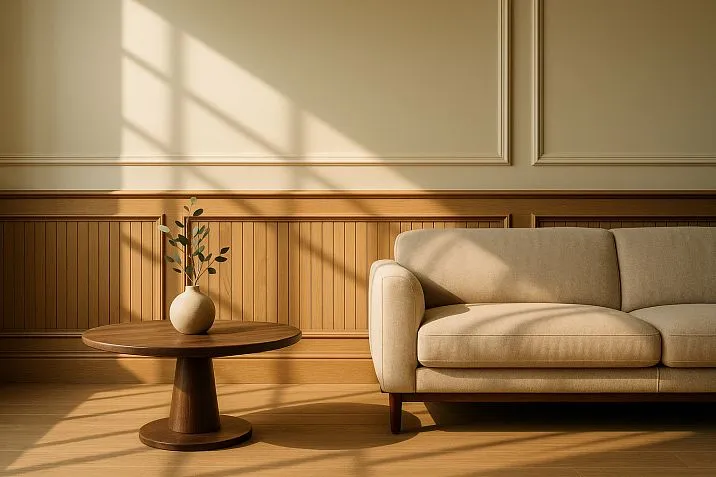
Do you dream of turning communication with people into an art, and a furniture store into a theater where every day stories unfold about how homes become cozier?How to Learn to Sell FurnitureProfessionally — this is a journey that begins with understanding a simple truth: furniture is not bought with the head, but with the heart. Your task as a consultant is to become a guide between the client’s emotional need and the ideal solution.
Why do some salespeople fight for every deal for months, while others effortlessly turn a simple consultation into a joyful purchase? The secret is not in natural talent or luck. Success in furniture sales is a system of knowledge, skills, and approaches that can be studied, practiced, and perfected.
In this guide, we will walk the entire path to becoming a professional — from the first steps in understanding buyer psychology to creating your own consulting style that brings stable income and true satisfaction from work.


First Steps: Understanding the Basics of the Furniture Business




What You Need to Know About Furniture as a Product
Before learning to sell, it is necessary to deeply understand what exactly you are selling. Furniture is a special product. It is not an impulsive purchase like a chocolate bar at the checkout, nor a daily necessity like bread. Furniture is bought for years, often for decades. Each item becomes part of a family’s life, a witness to important moments.
What new-generation furniture is made of — a question customers must receive comprehensive answers to. Eco-friendliness, durability, ease of care — specific advantages speak louder than abstract 'innovation'.Modern manufacturers — knowledge that should become your second nature. Solid wood, MDF, particleboard, various types of plastics, metals — each material has its own characteristics, advantages, and limitations. The client may not be familiar with the nuances, but they feel the confidence of a consultant who can explain the difference between birch plywood and pine panels.
Constructive features of furniture are also critically important to understand. How do different transformation mechanisms work in sofas? Why do some drawer guides last for decades, while others break after a year? Which connections in solid furniture are the most reliable? These knowledge will allow you to speak with clients as an expert with an expert.
Our factory also produces:


Anatomy of the Furniture Market
The modern furniture market is a complex ecosystem where mass producers, exclusive workshops, importers of foreign brands, and design studios coexist. Understanding the market structure will help you correctly position your product and build your argumentation.
The mass segment is represented by large factories producing standardized products in large batches. Here, the main arguments are price accessibility, fast delivery, and wide range of decor options. Customers in this segment are looking for the optimal price-to-quality ratio.
The mid-segment is occupied by regional manufacturers and small factories that can offer a more individualized approach. Here, there is an opportunity for some customization, improved materials, and more careful processing of details.
The premium segment — territory of exclusivity, where each item is a work of art. Here, different laws of sales, different buyer psychology, and different arguments of value apply.
Get Consultation
Psychology of the Furniture Buyer: Key to Successful Sales
Emotional motivations for buying furniture
Nesting — one of the strongest instincts driving furniture purchases. This is especially evident among young families expecting a child or those moving into new housing. Here, functionality is important, but also the feeling that the home is becoming 'real'.
Status positioning plays a significant role, especially when choosing furniture for the living room or office. A leather sofa is not just a place to sit — it's a demonstration of success. A large desk is not just a work surface, but also a symbol of the owner's seriousness.
Care for loved ones motivates the purchase of children's furniture, ergonomic chairs for elderly parents, orthopedic mattresses for a spouse with a back problem. Here, money is not spared — the health and comfort of loved ones are priceless.
Learning to read the client from the first minutes of interaction — a skill that separates professionals from amateurs. Each type of buyer requires its own approach, its own language, its own arguments.
Customer typology and individual approach
The analyst comes prepared. He has studied online reviews, compared features, and created a model comparison table. With such a client, you must speak in facts, figures, and technical details. Emotional arguments are met with skepticism.
The emotional buyer chooses with his heart. It matters to him how the furniture 'feels', whether he likes being near it, whether it harmonizes with his idea of beauty. Here, stories, images, and the possibility of touching and feeling come into play.
The family buyer makes a decision not alone. Often, only one family member visits the store for preliminary research, while the final decision is made collectively. It is important to provide materials for home discussion and suggest a family visit.
The corporate client seeks solutions for offices, hotels, restaurants. Here, durability, compliance with sanitary norms, the ability to deliver large batches, and after-sales service are critical.
Corporate clients are looking for solutions for offices, hotels, restaurants. Here, durability, compliance with sanitary norms, the ability to deliver large batches, and after-sales service are critical.
Techniques for effective communication with clients
The Art of Active Listening
The paradox of professional sales lies in the fact that the best salespeople listen more than they speak. Active listening is not just silence during the client's speech. It is deep immersion into his needs, fears, dreams, and limitations.
Open-ended questions — your main diagnostic tool. Instead of 'Do you need a sofa?', ask 'Tell me, what atmosphere do you want to create in the living room?' Instead of 'What size?', ask 'How do members of your family usually spend time in this room?'
Empathetic listening means not only hearing words but also understanding the emotions behind them. When a client says 'I want something cozy', they may mean completely different things — from soft fabrics to a specific color palette.
Clarifying questions help avoid misunderstandings. 'When you say 'practical furniture', what exactly do you mean?' This simple clarification can radically change the direction of the consultation.
Presenting advantages through benefits
Clients are not interested in features themselves. They care about how these features will improve their lives. The ability to translate technical features into understandable benefits — the foundation of a persuasive presentation.
Don't say 'this sofa has an independent spring block'. Explain: 'thanks to independent springs, if your spouse gets up at night, you won't feel it — each spring works separately, not transmitting vibrations'. Don't list 'MDF facades with PVC film', but tell: 'this surface is not afraid of moisture and is easy to clean — ideal for kitchens where cooking is frequent'.
Working with objections as an opportunity
Client objections are not obstacles to sales, but valuable information about their doubts and fears. Each objection opens a new opportunity to demonstrate expertise and care for the client.
'Too expensive' often means 'I don't understand what I'm paying for'. Your task is not to lower the price, but to increase perceived value. Break down the cost into components, show long-term savings, compare with alternative solutions.
'Need to think about it' may signal uncertainty about the right choice or the need to consult with family. Offer additional guarantees, exchange options, and materials for home discussion.
'It's the same as your neighbors' indicates a need for individuality. Emphasize customization options, unique features, exclusive decor.
Familiarizing with the assortment: from basics to expertise
Structured approach to studying the product
Chaotic familiarity with the assortment leads to confusion and uncertainty during consultation. A systematic approach to studying the product will help you become an expert quickly.
Start with categorization. Divide the entire assortment into logical groups: soft furniture, solid furniture, tables and chairs, children's furniture, bathroom furniture. Within each category, identify subcategories and study them sequentially.
For each model, create a study card: materials, construction, mechanisms, size range, color options, price, main competitors, unique advantages. This will help systematize knowledge and quickly recall necessary information.
Study the history of each model: who the manufacturer is, what technologies are used, whether there are awards and certifications, what customer reviews exist. These details add weight to your recommendations.
Practical familiarity with furniture
Theoretical knowledge must be supported by practical experience. Spend time with each furniture category, study it not only with your eyes but also with your hands.
Test the mechanisms. Lay out all sofa-beds in the showroom, try different adjustments on chairs, open and close all drawers in chests. Only then will you understand the real conveniences and inconveniences of each model.
Assess the quality of assembly. Check the joints of parts, smoothness of hardware operation, quality of surface finishing. This will help you objectively evaluate the product and honestly advise clients.
Study care requirements. What cleaning agents are recommended for different materials? How often should mechanisms be serviced? What might cause damage? These knowledge are critically important for after-sales service.
Building Trusting Relationships with Clients
First impression: the foundation of trust
You have less than a minute to form the first impression that will determine the entire course of further communication. Every detail matters.
Your appearance should match the status of a furniture showroom consultant. This does not necessarily mean expensive clothing, but it must be clean, neat, and stylish. You are the face of the company and an expert in interior design.
First words set the tone for the entire interaction. Forget the cliché 'How can I help you?' Try a more personalized greeting: 'Welcome! What mood do you plan to create in your home?'
Body language speaks louder than words. Open gestures, genuine smiles, upright posture create a sense of competence and friendliness. Avoid crossed arms, fidgeting, and looking away.
Building rapport
Rapport is a psychological connection between people based on mutual understanding and trust. In furniture sales, this is especially important, as the client trusts you to create the atmosphere of their home.
Find common ground. If the client mentions children and you also have children — this is a bridge to understanding. Shared interests, similar situations, familiar places create a sense of 'someone who understands.'
Adjust to the client's communication pace. If they speak slowly and carefully, don't rush them. If they are energetic and speak quickly, match their rhythm. People feel more comfortable with those who are similar to them.
Use the client's name in conversation, but do not overuse it. A name is the most pleasant word for a person, but frequent repetition may be perceived as manipulation.
Expert positioning
The client should perceive you not as a seller trying to push something, but as an expert helping them make the right decision.
Demonstrate deep knowledge, but do not become a walking encyclopedia. Information should be relevant to the client's needs.Unique InteriorsExpertise is created by those who know not only furniture but also design principles.
Be honest in your assessments. If a model has flaws, it's better to honestly mention them than for the client to discover them themselves. Honesty builds trust and reduces returns.
Offer alternatives. An expert always has a Plan B. If the first option doesn't suit, you should have several alternative solutions with justification of their advantages.
Modern tools for furniture sales
Digital assistant for consultants
Modern technologies have fundamentally changed the process of selling furniture. What once required the client's imagination can now be shown visually.
3D visualization allows you to show how furniture will look in the client's interior. Modern augmented reality applications enable you to 'place' a sofa in the customer's living room directly in the showroom, using a smartphone camera.
Furniture configurators allow the client to change colors, sizes, materials in real time and see how the appearance and price of the item change. This is especially effective for modular furniture and kitchens.
Virtual catalogs solve the problem of limited showroom space. On a tablet, you can show thousands of models that physically cannot fit in the showroom.
CRM systems for managing relationships
Professional work with clients requires a systematic approach to collecting and using information.
The client database should contain not only contact information but also style preferences, budget constraints, housing characteristics, and family composition. This information will help in future sales and creating personalized offers.
The interaction history allows each company employee to continue communication with the client from where a colleague left off. This creates a sense of service continuity.
Automatic reminders about important dates — client's birthday, anniversary of purchase, time for scheduled furniture maintenance — help maintain contact with the client and create additional sales opportunities.
Specialized techniques for different furniture categories
Soft furniture sales: comfort above all
Soft furniture is sold through experience. Here, it is critically important to give the client the opportunity to physically assess comfort.
Mandatory testing must take place in a calm environment. Allow the client time to feel the seating, find a comfortable position. Explain what to pay attention to: seat height, seat depth, backrest firmness.
Upholstery materials require tactile demonstration. Allow the client to touch fabric and leather samples, explain differences in care, durability, tactile sensations. Each material has its own story and target audience.
Transformation mechanisms must work flawlessly. Regularly check all mechanisms in display samples. Show the client how the folding works, explain usage specifics.
Built-in furniture: functionality and ergonomics
Built-in furniture is purchased for the long term, so clients carefully study its functionality.
Internal structure must be fully demonstrated. Open all doors, pull out drawers, show shelf adjustment options. Explain the logic of internal space organization.
Hardware quality — this determines the longevity of the furniture. Allow the client to evaluate the smoothness of slides, reliability of hinges, quality of handles. Explain the differences between budget and premium hardware.
Customization options are especially important for built-in furniture. Can dimensions be changed? Add extra sections? Choose a different front color? These options significantly increase the appeal of the offer.
Kitchen furniture: the heart of the home requires a special approach
The kitchen is a special space where functionality must combine with aesthetics at the highest level.
Ergonomic principles must become the foundation of your consultation. Explain the work triangle rule, optimal countertop height, principles of storage system organization.
Kitchen materials are subjected to special loads. Explain the resistance of various finishes to moisture, temperature, aggressive substances. Explain why kitchen furniture costs more than standard built-in furniture.
Appliance integration is becoming increasingly important. Show how furniture can hide household appliances, provide ventilation, create a unified kitchen style.
Working with prices and financial issues
Pricing psychology
Price in furniture sales is not just a number. It is a symbol of value, quality, status. Proper price presentation can significantly influence the purchase decision.
Anchoring is a powerful psychological technique. Start the presentation with more expensive models, creating a price anchor. Against a sofa priced at 300,000, a model at 200,000 seems quite affordable.
Cost breakdown helps make a high price more acceptable. A sofa priced at 150,000 with a 15-year lifespan costs 27 rubles per day — less than a cup of coffee.
Comparison with alternatives should show long-term benefits. Cheap furniture that needs replacing every 3-5 years ultimately costs more than a quality item with a long service life.
Working with price objections
“Expensive” is the most common objection in furniture sales. Behind this word may lie many different reasons.
Determine the real reason. “Expensive” may mean “I don’t see the value,” “I don’t have the money now,” “It’s more expensive than planned,” “It’s more expensive than competitors.” Each reason requires its own approach.
Increase perceived value. Explain the benefits the client will receive. Show details that justify the price. Compare with less quality alternatives.
Offer alternatives. If the budget is limited, find models within an appropriate price range. It’s better to sell something than to lose the client entirely.
Financial tools
Modern financial products can become your allies in increasing sales.
0% installment makes expensive furniture accessible to a wider range of buyers. Explain the terms, show the monthly payment amount, emphasize the absence of overpayment.
Credit can help clients who want to buy furniture now but don’t have the full amount. Partnership with banks simplifies the application process.
Trade-in programs allow clients to get a discount for surrendering old furniture. This solves the disposal problem and reduces the final purchase cost.
Building long-term relationships with clients
After-sales service
Selling furniture is the beginning of a relationship with the client, not its end. Quality after-sales service builds loyalty and generates repeat sales.
Delivery and assembly control — the first test of professionalism after purchase. Ensure the client is satisfied with the quality of logistics partners’ services. Resolve any issues quickly and in the client’s favor.
Scheduled client contacts maintain relationships. A call one month after purchase, birthday congratulations, informing about new arrivals — simple actions that build loyalty.
Warranty service must be flawless. Quick response to complaints, fair resolution of disputes, exceeding client expectations turn a problem into additional loyalty.
Loyalty programs
Regular clients are the foundation of a stable business. They buy more often, spend more, and refer friends.
Accumulative discounts stimulate repeat purchases. A client who received a 10% discount after the first purchase is more likely to return to you than to competitors.
Exclusive offers for regular clients create a sense of special status. Exclusive sales, early previews of new items, personalized discounts.
Referral programs turn satisfied clients into active promoters. A discount for each referred friend motivates recommendations.
Professional skill development
Training and self-improvement
How to Learn to Sell FurnitureAt a high level — this is a continuous learning process. The market constantly changes, new materials, technologies, and design trends emerge.
Trend study must be systematic. Subscribe to industry magazines, attend exhibitions, follow the work of leading designers. Knowledge of current trends increases your expertise in the eyes of clients.
Developing communication skills is no less important than technical knowledge. Read books on sales psychology, attend training, analyze your successful and unsuccessful dialogues with clients.
Studying related fields expands consultation capabilities. Basics of interior design, principles of lighting,where to buy decorfor complementing furniture — knowledge that makes you a universal advisor.
Analyzing your own effectiveness
Professional growth is impossible without honest analysis of results and identifying growth points.
Track your sales statistics. How many clients visited? How many bought? What is the average check? Which objections occurred most frequently? Numbers don’t lie and show the real picture.
Analyze failures. Every lost client is a source of valuable information. What went wrong? Where was interest lost? How could you have acted differently?
Get feedback from colleagues and management. An external perspective often notices what you don’t see yourself. Constructive criticism is the engine of professional growth.
Working in a team and corporate culture
Interaction with colleagues
A furniture store is a team where the success of each member affects the result of all. The ability to work in a team is critically important for overall success.
Exchanging experience with colleagues accelerates professional development. Each salesperson finds their effective methods, and sharing them raises the team’s overall level.
Supporting each other in difficult situations creates a strong team. Helping a colleague with a difficult client, backing up in a challenging situation, joint problem-solving — the foundation of a healthy team.
Healthy competition stimulates growth but should not destroy team spirit. Compete in professionalism, not in attempts to 'steal' clients from colleagues.
Corporate service standards
Unified service standards guarantee quality service regardless of which salesperson the client interacts with.
Appearance standards create a professional image for the team. Uniform dress code, neatness, alignment with the salon’s status — elements of corporate culture.
Verbal standards ensure consistent communication with clients. How to greet a client? How to introduce yourself? How to say goodbye? These details shape the overall impression of the company.
Procedural standards regulate the order of work with the client from the first contact to after-sales service. Clear procedures eliminate errors and ensure service quality.
Time management and work planning
Effective use of working time
Time is the only resource that cannot be increased. Effective time management determines the productivity of work.
Daily planning must take into account the specifics of furniture sales. Use morning hours for working with documents, studying new arrivals, preparing for meetings. Reserve peak hours for clients.
Client prioritization will help focus on the most promising opportunities. Not all salon visitors are equally ready to buy. Learn to quickly assess a client’s potential.
Delegating routine tasks frees up time for working with clients. Document preparation, delivery coordination, minor organizational issues can be assigned to assistants.
Working with the sales funnel
A professional approach to sales requires understanding how clients move through the funnel from first contact to purchase.
Attention-grabbing — the top part of the funnel. Advertising, recommendations, and random visits bring potential clients to the showroom.
Interest awakening happens in the first minutes of interaction. Your task is to engage the client, demonstrate possibilities, and create an emotional connection with the product.
Forming the intent to buy requires serious work on benefits, overcoming objections, and creating urgency for decision-making.
Closing the sale — the culmination of all previous work. But even here, it is important to properly conclude the deal and avoid doubts at the last moment.
Using modern technologies
Social networks as a sales tool
Modern buyers spend a lot of time on social networks, and this space cannot be ignored.
A personal professional account on Instagram or VKontakte can become a powerful tool for demonstrating expertise. Share advice on furniture selection, showcase interesting interior solutions, and talk about new arrivals.
Working with reviews on social networks requires constant attention. Thank positive reviews, and promptly address and resolve negative ones.
Content marketing helps attract potential clients. Useful articles on furniture selection, care, and design trends build an audience of interested people.
Mobile applications and digital tools
A smartphone can become a powerful sales assistant if its capabilities are used correctly.
Design apps allow quickly creating interior visualizations with selected furniture. This is especially effective when working with indecisive clients.
Calculators and configurators help quickly calculate the cost of custom solutions, especially for kitchen furniture.
CRM applications provide access to the customer database, purchase history, and personalized offers directly during client interaction.
Specialization and career prospects
Choosing a specialization
As professional expertise grows, there may be a need to specialize in certain furniture categories or market segments.
Product specialization — expert in kitchens, soft furniture, children's furniture. Deep knowledge in a narrow area allows becoming a recognized expert and working on more complex projects.
Segment specialization — working with VIP clients, corporate clients, designers. Each segment has its own characteristics and requires special skills.
Geographic specialization may be relevant for large companies. Knowledge of regional market specifics, local preferences, and cultural peculiarities.
Career trajectories
Professional growth in furniture sales can follow several directions.
Vertical growth — from sales consultant to senior salesperson, sales department manager, showroom manager. Each level requires developing managerial skills in addition to sales skills.
Horizontal development — transition into adjacent areas: interior design, procurement, marketing, staff training. Sales experience provides a solid foundation for understanding market needs.
Entrepreneurial path — opening your own salon, production, design studio. Sales experience and understanding of customer needs are a good foundation for starting your own business.
Psychological resilience and motivation
Working with rejections and failures
Sales is a profession where rejections are inevitable. It's important to handle them correctly and not lose motivation.
Rejection is not personal — the client is rejecting the product, not you as an individual. This distinction is critically important for psychological health.
Every rejection is an experience for analysis and improvement. What could have been done differently? What signals were missed? How to avoid similar situations in the future?
A statistical approach helps not to get stuck on individual failures. If your conversion rate is 20%, that means one out of five clients will buy. The task is to find that one.
Maintaining motivation
Long-term success in sales requires sustained motivation and continuous development.
Goals and plans provide direction for development. Short-term goals (monthly sales plan) and long-term (career plans) create motivation for daily work.
Celebrating successes is important for maintaining a positive attitude. Every deal, every satisfied client, every achievement of a plan — is a reason for inner satisfaction.
Work-life balance is critically important for long-term effectiveness. Emotional burnout is a professional illness for people working with clients.
Ethical aspects of sales
Honesty and transparency
Long-term success in sales is impossible without honesty and ethical treatment of clients.
Do not promise what you cannot fulfill. Unrealistic delivery times, non-existent product features, unachievable guarantees will eventually backfire against you.
Consult in the client's interest, not just to increase the sale. Sometimes it's better to sell a less expensive item that truly suits the client, rather than a more expensive one that won't meet expectations.
Admit if you don't know the answer. It's better to say 'I'll check and get back to you' than to give inaccurate information that could lead to a wrong decision.
Working with conflict situations
Conflicts with clients are inevitable in sales. It's important to know how to resolve them constructively.
Stay calm regardless of the client's behavior. Your professionalism lies in your ability to remain constructive in any situation.
Listen and understand the reason for the client's dissatisfaction. Often, behind aggression lies fear, disappointment, or misunderstanding.
Offer solutions, not excuses. The client cares not about why the problem occurred, but about getting a solution.
Conclusion
The path to mastery in furniture sales is an exciting journey that combines the art of communicating with people, deep understanding of the product, and the ability to create emotional connections.How to Learn to Sell FurnitureProfessionally — this is not one-time training, but a continuous process of improvement that lasts throughout your career.
Furniture is a special product. It surrounds us at home, at work, in leisure spaces. Each piece of furniture has its own story and becomes part of people's lives for many years. Understanding this uniqueness should become the foundation of your sales approach — you are not just selling a product, you are helping people create spaces for living, working, and relaxing.
Modern technologies provide incredible opportunities for showcasing products, analyzing customer needs, and building long-term relationships. But at the center always remains the human — both the seller and the buyer. Technologies should enhance human communication, not replace it.
Success in furniture sales is built from many components: product knowledge, understanding of buyer psychology, mastery of sales techniques, ability to handle objections, skill in building trusting relationships. But most importantly — a sincere desire to help every client find exactly the solution that will make their life more comfortable and beautiful.
where to buy moldings for decorationorwhere to buy moldingsThese questions from clients open opportunities for comprehensive consultation, when the seller becomes an expert not only in furniture, but also in creating a complete interior.
The profession of a furniture seller offers a unique opportunity to make people a little happier every day by helping them create beautiful and comfortable spaces. This is a job that brings not only material rewards but also moral satisfaction from helping people realize their dream of a beautiful home.
STAVROS Company is a bright example of how traditional craftsmanship can successfully combine with modern sales approaches. Our philosophy is based on a deep understanding that each client is unique, and each product must meet their individual needs and preferences.
Over the years of operation, STAVROS has developed a unique service culture that places the client at the center of all processes. Our consultants are not just salespeople; they are experts in creating beautiful interiors who help each client find the perfect solution for their home or office.
We believe that professionalism in furniture sales begins with genuine interest in the client's needs and deep knowledge of the product. Every STAVROS employee undergoes comprehensive training that includes not only studying the product range but also mastering sales psychology, consultation techniques, and interior design principles.
Frequently asked questions
How much time is required to become a professional furniture seller?
Basic skills can be mastered within 2-3 months of intensive training and practice. However, becoming a true professional is a process that takes 1-2 years of consistent work and self-improvement. The furniture industry is constantly evolving, with new materials, technologies, and trends emerging, so learning continues throughout one’s career.
What personal qualities are most important for a furniture seller?
Key qualities include communication skills, patience, empathy, attention to detail, and stress resilience. It is also important to be curious and willing to continuously learn, as the product range is constantly updated. An aesthetic sense and understanding of interior design principles will be additional advantages.
Is special education required to work as a furniture seller?
Special education is not a mandatory requirement, but it can be beneficial. Design or architectural education provides a solid foundation for understanding interiors. Business or economic education is useful for understanding business processes. The most important thing is the willingness to study the product and develop sales skills.
How to effectively study the furniture assortment?
Start with systematization — divide the assortment into categories and study them sequentially. For each model, create a card with key features, advantages, and price. Physically test the furniture — sit in chairs, check mechanisms, evaluate material quality. Study customer reviews and sales history for each model.
How to work with clients who take a long time to decide?
Long-term pr


