Article Contents:
- Philosophy of successful furniture sales
- Consultant's mindset, not a seller's
- Emotional intelligence as the foundation of success
- Structure of the master sales process
- The Art of First Impression
- Needs diagnosis: the technology of discovery
- Presentation as the art of storytelling
- Working with different furniture categories
- Solid furniture: functionality as philosophy
- Soft furniture: territory of comfort and emotions
- Kitchen Furniture: The Heart of the Home Requires a Special Approach
- Overcoming objections: the art of turning 'no' into 'yes'
- Price objections: working with perception of value
- Doubts about quality: building trust
- Uncertainty in choice: structuring the decision
- Modern technologies in furniture sales
- Digital presentation tools
- Customer Relationship Management systems
- Omni-channel Sales Approach
- Building long-term relationships with customers
- After-sales service as a competitive advantage
- Loyalty programs and relationship development
- Developing Professional Skills
- Continuous learning as a philosophy of growth
- Development of personal qualities
- Managing the furniture business
- Building a Team of Professionals
- Motivation and Employee Compensation System
- Analytics and process optimization
- Trends and the future of furniture sales
- Personalization and customization
- Sustainable Development and Eco-friendliness
- Digital transformation
- Regional specifics and international experience
- Adapting to local specifics
- Studying international experience
- Psychology of space and sales
- Influence of environment on buyer behavior
- Zoning and navigation
- Working with Corporate Clients
- Specifics of B2B furniture sales
- Features of different segments
- Conclusion
- Frequently Asked Questions
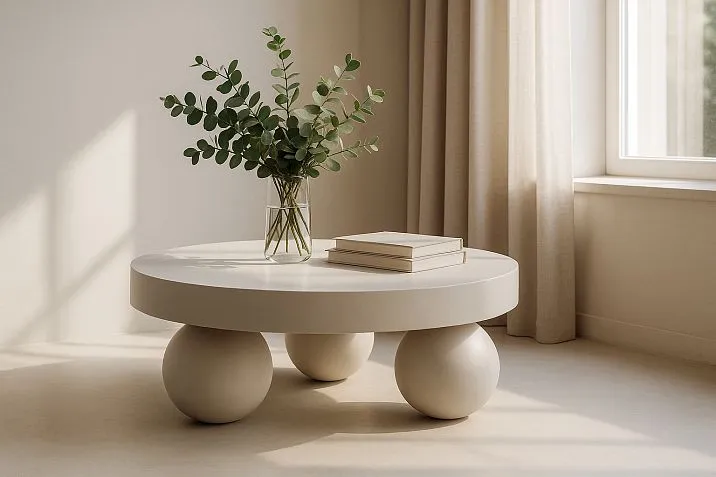
Is there a universal formula for that,how to sell furniture wellOver decades of work in the furniture industry, I've come to understand one simple truth: great furniture salespeople are not born — they are created through a deep understanding of human nature, flawless knowledge of the product, and a passionate desire to help people find their dream home.
Furniture is not just interior decor. It is silent witnesses to our joys and sorrows, keepers of family traditions, creators of cozy and comfortable atmospheres. Every sofa remembers family evenings, every table — important conversations, every wardrobe — stories of generations. Do you understand the full depth of responsibility that rests on the shoulders of anyone helping people choose these companions of life?
In the era of digital technology and limitless choice, the art of furniture sales transforms, but its essence remains unchanged — the ability to see not the product, but the solution to the client's problem, not features, but opportunities for happiness.


Philosophy of successful furniture sales




Consultant mindset, not seller mindset
The first rule of mastery is to stop thinking in terms of 'selling a product' and start thinking about how to solve the client's problem. The buyer does not come for a sofa — they seek a place for family relaxation. They do not choose a wardrobe — they organize space for comfortable living.
This paradigm shift fundamentally changes the approach to communicating with clients. Instead of presenting the product, you begin diagnosing needs. Instead of pressuring for a purchase — you provide consultation for choosing the optimal solution.What new-generation furniture is made of — a question customers must receive comprehensive answers to. Eco-friendliness, durability, ease of care — specific advantages speak louder than abstract 'innovation'.becomes not just technical information, but the key to understanding how long a product will serve the client.
A consultant-expert never rushes to make a decision. They understand that buying furniture is an investment in quality of life for years to come, and haste is inappropriate here. Patience, attention to detail, willingness to explain the same point several times — qualities that distinguish a professional from an amateur.
Our factory also produces:


Emotional intelligence as the foundation of success
Furniture sales are 70% psychology and only 30% knowledge of the product. The ability to read a client's nonverbal signals, sense their emotional state, and adapt your communication style to their specific personality — skills that transform an ordinary salesperson into a master.
A young couple choosing their first furniture radiates excitement and some uncertainty. A mature person updating their interior after significant life changes demonstrates carefulness and caution. A businessman selecting office furnishings focuses on status and functionality.
Each type of client requires its own approach, its own language of communication, its own arguments. Emotional intelligence helps you instantly determine with whom you are dealing and build communication as effectively as possible.
Get Consultation
Structure of the master sales process
The art of the first impression
You have exactly 30 seconds to determine the entire vector of interaction with the client. Sincere smile, confident gait, neat appearance — this is the foundation. But a true professional goes further.
Observation — your secret tool. Notice how the client is dressed, who they came with, what they focus on in the first minutes. These details will tell you more than any direct questions. Expensive accessories signal readiness to invest in quality. A family with children seeks practicality and safety. A lone visitor likely focuses on personal comfort.
The first phrase should not be banal. Forget 'How can I help you?'. Try: 'What mood do you want to create in your home?' or 'For what space are you looking for a solution?'. Such questions immediately shift the dialogue into a constructive direction.
Needs diagnosis: the technology of discoveries
Great salespeople are great detectives. They know how to see true needs behind external requests, emotions behind words, fears behind doubts.
The funnel of questions technique works flawlessly. Start with broad, general questions, gradually narrowing focus to specific details. 'What atmosphere are you creating in your home?' → 'What style do you prefer?' → 'Which colors are you drawn to?' → 'Are there any special requirements for materials?'
Active listening requires full concentration. Don't just hear the words — understand the emotions behind them. The client says 'I want something practical,' but the tone reveals dreams of beauty. Your task is to find a solution that combines practicality with aesthetics.
Clarifying questions — the tool of a professional. 'When you say 'comfortable sofa,' what exactly do you mean?' This phrase helps avoid misunderstanding and precisely hit the need.
Presentation as the art of storytelling
Technical specifications do not inspire anyone. Stories — always inspire. Don't say 'solid oak tabletop' — tell about how natural wood lives and breathes, how it becomes even more beautiful over the years, acquiring a noble patina of time.
Visualization of the future — a powerful tool. Help the client imagine how they will use this furniture. 'Imagine: evening, soft lamp light, you in this armchair with your favorite book, and rain outside...' Such images sell better than any arguments.
Demonstration of advantages should be interactive. Don't just describe the smooth opening of drawers — let the client feel the quality of the guides themselves. Don't describe the comfort of the sofa — offer them to sit and evaluate.
Working with different categories of furniture
Solid furniture: functionality as philosophy
Wardrobes, chests, shelves are chosen by reason, but bought by heart. Clients care about capacity, ease of use, durability, but they make the decision when they see how this furniture will improve their life for the better.
What is cabinet furniture made of?— a question that requires not just listing materials, but explaining their impact on practical use. Laminated board will provide affordable pricing and diverse decor options. MDF allows creating elegant routed fronts. Solid wood will convey a sense of solidity and prestige.
Internal cabinet fillings — territory for the organizer’s creativity. Show how thoughtfully planned storage systems turn chaos into order. Drawers with soft-close mechanisms, adjustable shelves, specialized sections for ties or shoes — every detail should have a practical justification.
Soft furnishings: territory of comfort and emotions
Sofas and chairs — furniture chosen both by body and heart simultaneously. Here, tactile contact is critically important, allowing the client to "try on" the furniture.
Mandatory testing — not formality, but necessity. The client must sit, recline, find a comfortable position. Allow time to feel the cushioning’s resilience, seat height, and seating depth. What seems comfortable at first glance may prove unsuitable with prolonged use.
Upholstery materials require detailed discussion. Natural leather — an investment in prestige and longevity, but demands special care. Eco-leather — a compromise between beauty and practicality. Fabric offers endless variety in textures and colors, but different fabrics have varying durability.
where to buy furniture decor— a question often arising when discussing customization of soft furnishings. Decorative elements, contrasting stitching, unusual buttons can transform a standard model into a unique piece.
Kitchen furniture: the heart of the home requires a special approach
The kitchen is not merely a space for food preparation. It is where culinary masterpieces are born, where families gather, and where friends are welcomed.Unique kitchen interiors— created based on understanding the family’s lifestyle.
Kitchen ergonomics — a science every kitchen furniture consultant must master. The work triangle rule, optimal distances between work zones, countertop height — principles that define daily usability comfort.
what materials kitchen furniture is made of— a topic requiring special attention. The kitchen environment is aggressive: humidity, temperature fluctuations, steam, grease splashes. Materials must withstand these loads for years without losing their appearance.
Overcoming objections: the art of turning "no" into "yes"
Price objections: working with perception of value
"Expensive" — the most common objection in furniture sales. Behind this word may lie numerous different reasons, and your task is to uncover the true one.
The cost breakdown technique works magically. Turn a one-time payment into a daily investment in comfort. A quality sofa costing 120,000 rubles with a 15-year lifespan costs only 22 rubles per day — less than a cup of coffee. This simple calculation radically changes the perception of price.
Comparing alternatives helps demonstrate the rationality of the investment. Buying cheap furniture every 3-4 years ultimately costs more than one quality item. Plus — constant discomfort from searching for replacements, delivery, and assembly.
Demonstrating hidden costs opens eyes to real economics. Cheap furniture often requires additional investments: mattresses for uncomfortable sofas, stands for unstable tables, repairing broken hardware.
Doubts about quality: building trust
Distrust in quality often stems from previous negative experiences or information from the internet. Your task is to provide objective proof of reliability.
Physical demonstration of quality convinces better than any words. Show the strength of joints, smooth operation of mechanisms, quality of finishes. Allow the client to touch materials, assess the weight of hardware, feel the stability of the structure.
Social proof works reliably. Stories of satisfied clients, photos of furniture after years of use, reviews and recommendations — all of this builds trust in quality.
Warranties and certificates — documented proof of manufacturer confidence. Extended warranty programs, international quality certifications, awards and recognitions — facts that are hard to dispute.
Uncertainty in choice: structuring the decision
A wide variety can paralyze decision-making. "Choosing from 100 options" sounds appealing in advertising, but in practice, it creates buyer anxiety.
Structuring the choice — your professional skill. Highlight 2-3 most suitable options based on expressed preferences. Clearly explain the differences between them, emphasizing the advantages of each.
A comparison table helps the client organize information and make a rational decision:
| Criterion | Model A | Model B | Model C |
|---|---|---|---|
| Price | ★★☆ | ★★★ | ★☆☆ |
| Comfort | ★★★ | ★★☆ | ★★★ |
| Durability | ★★★ | ★★☆ | ★★★ |
| Design | ★★☆ | ★★★ | ★★☆ |
Trial use reduces the risk of wrong choice. Suggest the client "try on" the furniture — spend sufficient time in the showroom to form a clear impression.
Modern technologies in furniture sales
Digital presentation tools
3D visualization has revolutionized furniture presentation. The ability to show how specific items will look in the client's interior significantly increases purchase confidence.
Augmented Reality (AR) allows you to 'place' furniture in real space via a tablet or smartphone. The client can see how a sofa will fit into their living room without leaving the showroom.
Configurators allow experimenting with different options. Changing upholstery, dimensions, and module configurations happens in real time with instant cost recalculation.
Customer Relationship Management Systems
CRM systems transform chaotic sales processes into structured systems. Each client receives a personalized card with interaction history, preferences, and deal status.
Automating routine processes frees up time for creative client work. Reminders for scheduled calls, automatic sending of commercial offers, and tracking commitments — features that enhance professionalism.
Sales analytics reveal patterns and improvement opportunities. Which products sell best? Which objections occur most frequently? Which customer sources are most effective? Answers to these questions help optimize operations.
Omni-channel sales approach
Modern clients research products online, visit the showroom for testing, purchase via a mobile app, and receive support through messaging apps. Your task is to ensure a seamless experience at every stage.
Integrating online and offline channels creates a unified information space. Website browsing history, saved items in favorites, previous purchases — information that helps personalize communication.
Messaging apps and chatbots provide 24/7 customer support. Simple questions about availability, pricing, or features can be resolved automatically, while complex issues are escalated to live consultants.
Building long-term relationships with clients
Post-sales service as a competitive advantage
Selling furniture is the beginning, not the end, of the relationship with the client. Quality service builds loyalty and generates referrals.
Delivery and assembly — the first test of professionalism after purchase. Carefulness, punctuality, and competence of assemblers shape the overall impression of the company.
Warranty service should not be a formal obligation, but an opportunity to demonstrate care for the client. Quick response to inquiries, fair resolution of disputes, and exceeding expectations create the foundation for long-term relationships.
Loyalty and relationship development programs
Furniture is not purchased frequently, but when the need arises, the client turns to where they are remembered and valued. A personalized approach to each customer creates a sense of exclusivity.
Customer database — a priceless asset of the company. Purchase dates, preferences, interior specifics, and renovation plans — information that enables offering timely, relevant solutions.
Exclusive events for loyal customers — product launches, design masterclasses, special offers — create a sense of belonging to a special community.
Professional skill development
Continuous learning as a philosophy of growth
The furniture industry develops at rapid pace. New materials, production technologies, and design trends require constant knowledge updates.
Trend analysis must be systematic. International trade shows, industry magazines, and blogs of leading designers — sources of information on industry development directions.
What is better for making furniture— a question whose answer constantly evolves. New composite materials emerge, traditional material processing technologies improve, and environmental requirements grow.
Development of personal qualities
Technical knowledge can be gained from books, but communication skills develop only through practice and self-reflection.
Empathy — the ability to sense the client's emotional state — develops through attentiveness and observation. Learn to read non-verbal cues, listen not only to words but also to tone of voice.
Stress resilience is critically important when working with people. Not every client will be polite and grateful. The ability to remain calm and professional in difficult situations — a sign of mastery.
Creativity helps find non-standard solutions for unique tasks. Each client is unique, and sometimes creative approaches are needed to meet their needs.
Managing the furniture business
Building a team of professionals
how to sell furniture wellBuilding a team starts with selecting the right people. Not everyone can become a successful consultant in a furniture showroom.
Basic requirements include communicativeness, stress resilience, and ability to learn. But there are also specific qualities: aesthetic sense, spatial thinking, patience in handling long sales cycles.
The training system for new employees must be structured and comprehensive. Studying the product range, basics of interior design, sales techniques, handling objections, and using CRM systems — components of comprehensive training.
Motivation and compensation system
An effective motivation system stimulates not only sales volume but also the quality of customer service. Short-term results achieved by pressuring customers damage reputation in the long term.
Combined payment (salary + commission) ensures stable income and motivates achieving high results. Additional bonuses for positive customer reviews, repeat sales, and attracting new clients create the right incentives.
Non-material motivation is equally important. Recognition of achievements, opportunities for career growth, company-funded training, and participation in decision-making foster employee loyalty.
Analytics and process optimization
Key performance indicators (KPIs) must reflect the company's strategic goals:
-
Visitor-to-customer conversion rate
-
Average transaction value
-
Time from first contact to purchase
-
Customer satisfaction level
-
Percentage of repeat purchases
Regular analysis of these metrics reveals problem areas and improvement opportunities. A drop in conversion may indicate issues with staff performance or outdated product assortment.
A/B testing different approaches helps find optimal solutions. Comparing effectiveness of different sales scripts, salon layouts, and pricing strategies based on objective data.
Trends and the future of furniture sales
Personalization and Customization
Mass production is giving way to customization. Customers want furniture tailored to their unique needs and preferences.
Modular systems allow creating an infinite number of configurations from a limited set of basic elements.Unique interior itemsThey are born from creative combinations of standard components.
Digital technologies make customization economically viable. Automated design systems, robotic manufacturing, and digital textile printing are tools for mass personalization.
Sustainable development and eco-friendliness
Customers' ecological awareness is growing, influencing furniture choices. Certified wood, non-toxic finishes, and recyclability are becoming key decision factors.
What quality furniture is made ofIn the context of eco-friendliness, this includes not only natural materials but also production technologies, logistics, and packaging.
Circular economy is changing furniture companies' business models. Buy-back programs, renovation, and upcycling programs turn used furniture into resources for new products.
Digital Transformation
Artificial intelligence is beginning to play a significant role in furniture sales. AI-powered chatbots consult customers, recommendation systems suggest suitable products, and algorithms optimize pricing.
The Internet of Things turns furniture into "smart" devices. Tables with wireless charging, sofas with built-in speakers, cabinets with climate control — today's reality.
Virtual and augmented reality revolutionize furniture selection. Virtual showrooms, AR try-ons in your own interior, immersive presentations of new collections.
Regional characteristics and international experience
Adaptation to local specifics
Unique apartment interiorIn a metropolis, this differs significantly from a suburban home. Understanding local market specifics is critically important for success.
Climate conditions influence material and construction choices. Humid climates require special attention to mold and mildew protection. Sudden temperature fluctuations may cause material deformation.
Cultural traditions and preferences shape demand for specific styles and types of furniture. Love for solid wood furniture in some regions and preference for minimalism in others require different approaches to assortment development.
Studying international experience
Scandinavian furniture design and sales focus on functionality, eco-friendliness, and affordability. Italian tradition emphasizes beauty, sophistication, and status.
The American approach to furniture retail is characterized by scale, standardization of processes, and active use of technology. Asian markets show examples of adapting traditional forms to modern needs.
Studying best practices from other countries helps find ideas for improving one's own work, but requires adaptation to local conditions.
Psychology of space and sales
Influence of environment on customer behavior
Furniture showroom design is not just an aesthetic issue; it is a tool for influencing customers' psychological state.
Lighting profoundly affects the perception of furniture. Warm light creates a sense of coziness and comfort, while cool light emphasizes modernity and technology. Directional lighting highlights key exhibits.
The showroom's color palette should be neutral, allowing furniture to speak for itself. Too bright walls distract attention, while too dark tones create a depressing atmosphere.
Zoning and navigation
Logical showroom layout helps customers orient themselves and find desired products. Clear zoning by furniture type, style, and price segment simplifies the selection process.
Interior compositions demonstrate furniture in the context of real use.Unique Home InteriorIt is created through understanding how different items interact with each other.
Comfortable resting areas allow customers to take their time, contemplate purchases in a relaxed environment. Coffee zones, children's corners, and waiting areas increase visitor loyalty.
Working with corporate clients
Specifics of B2B furniture sales
Sales to organizations require a different approach than working with individual buyers. Here, decisions are made collectively, the process is more formalized, documentation and procedure compliance are crucial.
Presentations for corporate clients should focus on functionality, ergonomics, and compliance with standards. Emotional arguments are less effective than specific facts and figures.
Competitive procedures require careful preparation of commercial proposals. Technical specifications must be executed precisely, documentation must be flawless, and prices must be competitive.
Features of different segments
Office furniture must comply with ergonomic standards, ensure employee comfort, and reflect the company's corporate culture.
The HoReCa segment (hotels, restaurants, cafes) imposes special requirements for durability, ease of maintenance, and compliance with sanitary norms.
Educational institutions seek a balance between functionality, safety, and limited budgets.
Healthcare organizations require strict hygiene standards, use of special materials and finishes.
Conclusion
The mastery lies inhow to sell furniture wellIt comes through years of practice, continuous learning, and sincere desire to help people create beautiful, comfortable spaces for living. This is not just selling products — it is participating in creating homes where people will be happy.
Modern technologies expand presentation and customer interaction possibilities, but the foundation remains unchanged — deep understanding of human needs and professional knowledge of the product.where to buy decorIt becomes not just about the product, but about seeking means for self-expression.
The future of furniture sales belongs to those who can combine advanced technologies with a human approach, mass efficiency with individual care, commercial success with social responsibility.what materials are used to make wooden furnitureIn the future, it will be determined not only by craftsmanship traditions but also by requirements of sustainable development.
Every day in a furniture showroom is an opportunity to make someone's life better, help create a space for happiness, become part of a family's story. This mission makes the furniture sales profession not just a job, but a calling.
STAVROS Company embodies the best traditions of the furniture industry, combining the long experience of craftsmen with innovative production and sales technologies. Our approach is based on a deep understanding that each piece of furniture must not only perform its function but also bring joy to its owners.
We believe that success in furniture sales is built on three pillars: flawless product quality, professional service, and genuine care for customers. Every item created by our craftsmen carries a piece of the creators' soul and becomes the foundation for creatingunique interiorsreflecting the individuality of their owners.
Frequently asked questions
How long does it take to become a professional furniture salesperson?
Basic skills can be mastered in 3-6 months of intensive work and training. However, true mastery is formed over years of practice. Continuous learning of new materials, technologies, design trends, development of sales psychology skills — a process that never ends. Experienced consultants continue to learn even after decades of work in the industry.
What personal qualities are most important for success in furniture sales?
Empathy — the ability to understand the feelings and needs of clients — tops the list of required qualities. Patience is critically important, since furniture purchases are rarely impulsive. Communicativeness, stress resistance, attention to detail, aesthetic taste, and the ability to learn complement the portrait of a successful professional.
How to effectively work with clients who take a long time to decide?
The lengthy decision-making process is natural for furniture purchases. The key is to maintain contact without being pushy. Provide additional information as needed, invite clients to product presentations, inform them about special offers. A CRM system will help track the decision-making stage and allow timely actions.
Should aggressive sales techniques be used in furniture retail?
Aggressive techniques are categorically ineffective in the long term. Furniture is an emotional purchase, and pressure causes resistance. A consultative approach based on identifying and satisfying the client's needs yields the best results and builds a positive reputation.
How to adapt to the digitalization of furniture sales?
Digital technologies complement but do not replace human interaction in furniture sales. Study the capabilities of CRM systems, 3D visualization, and AR technologies. Develop skills in online consultation, social media management, and messaging platforms. The key is to maintain a personal approach and high service quality in the digital environment.
What trends will shape the development of furniture sales in the coming years?
Personalization and customization of products, integration of smart technologies, emphasis on eco-friendliness and sustainable development, growth of omnichannel sales, use of data and analytics to improve the customer experience. Understanding these trends and being ready to adapt are critically important for long-term success in the industry.