Article Contents:
- The History of Wood Turning in the Capital
- Reviving Traditions in the Modern World
- Variety of Wooden Turned Items
- Features of working with different types of wood
- Technological Process of Wood Turning
- Material preparation
- Machine Setup
- Rough processing
- Final machining
- Sanding and Final Finishing
- Wood Turning Masters in Moscow
- Schools and Traditions
- Modern trends
- Where to Order Wood Turning Work in Moscow
- Specialized Workshops
- Private artisans
- Online Platforms
- Pricing Policy for Wood Turning Work in Moscow
- Factors Affecting Cost
- Sample Prices
- How to Choose a Master for Wood Turning Work in Moscow
- Portfolio and Work Experience
- Customer reviews
- Communication and Understanding the Task
- Working Conditions
- Wood Turning as a Hobby
- Courses and Workshops
- Equipment for a Home Workshop
- Wood Turner Communities
- The Future of Wood Turning in Moscow
- Innovations and Technologies
- Ecological trends
- Preservation of Traditions
- Conclusion
In a world where mass production has become the norm, handcrafted items acquire special value. Wood Turning in Moscow It is not merely a craft, but a true art requiring patience, skill, and deep understanding of the material. Every item born on a lathe carries a fragment of the craftsman’s soul, the warmth of his hands, and the unique character of the wood.
Imagine: a piece of wood begins to rotate, the tool touches the surface, and gradually, layer by layer, something wonderful emerges—a vase, a bowl, a decorative furniture element, or even a work of art. This is the magic of transformation, accessible only to those who have mastered the secrets of wood turning.


The History of Wood Turning in the Capital
Wood turning in Moscow has a rich history stretching back to ancient times. Even in the times of Kievan Rus, wood turners created household items that we can now see in museums. Wooden bowls, cups, salt cellars—all were an indispensable part of Russian domestic life.
Over time Wood Turning in Moscow They evolved, absorbing new techniques and styles. In the 18th-19th centuries, when carved furniture became fashionable, wood turning reached incredible heights. Masters created exquisite balusters for staircases, legs for tables and chairs, decorative elements for furniture, which still astonish us with their beauty and elegance.
The Soviet period brought its own changes: wood turning became more industrial, yet did not lose its artistic value. Masters continued to create unique items, passing on their skills from generation to generation.
Today, in the era of digital technology and mass production, Wood Turning in Moscow they are experiencing a true renaissance. People are once again turning to handcraft, valuing the uniqueness and irreplaceability of each item created by a master turner.




The Revival of Traditions in the Modern World
What attracts modern people to turned wooden items? Why, in the age of plastic and synthetics, do we once again turn to wood?
The answer is simple: naturalness, eco-friendliness, uniqueness. Every item created on a lathe is unique. Even if the craftsman works with identical blanks, using the same tools and techniques, the result will always be different. This is due to the very nature of wood — its texture, density, presence of knots and other features.
Moscow master turners today do not merely follow traditions, but also infuse them with new life. They experiment with forms, combine different types of wood, and use modern technologies to create unique items.
Our factory also produces:


Variety of Wooden Turned Items
What can be created on a lathe? The list is truly impressive:
- Tableware: bowls, plates, cups, salt cellars
- Furniture elements: legs for tables and chairs, balusters for staircases
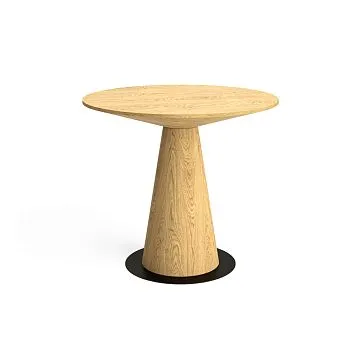
- Decorative items: vases, boxes, candlesticks
- Toys: spinning tops, matryoshkas, chess pieces
- Musical instruments and their parts
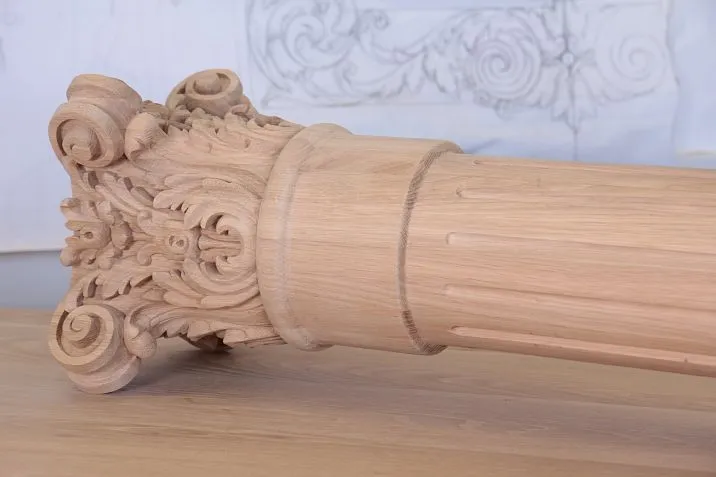
- Architectural elements: columns, capitals
Each category of items requires a special approach, specific tools, and techniques. A master turner must possess not only technical skills but also an artistic vision, sense of proportion, and harmony.
Get Consultation
Features of Working with Different Types of Wood
Choosing wood for turning is a whole science. Each type has its own characteristics that must be considered during work.
Softwoods (linden, aspen, pear) are easy to work with, allowing the creation of items with thin walls and fine details. They are ideal for beginners and for making decorative items.
Hardwoods (oak, beech, ash) are more demanding to work with, but the result is worth the effort. Items made from hardwoods are distinguished by their strength, durability, and noble texture.
Exotic woods (merbau, olive wood, rosewood) allow the creation of truly unique items with unusual texture and color. Working with such woods requires special skill and experience.
Moscow masters skillfully use the characteristics of each type of wood, creating items that delight the eye and serve for many years.
Technological Process of Wood Turning
Creating an item on a lathe is a complex process requiring not only technical skills but also artistic vision. Let us consider the main stages of this fascinating process.
Material preparation
Everything begins with selecting the right blank. The craftsman carefully examines the wood, assessing its quality, presence of knots, cracks, and other defects. For turning, it is important that the wood is well-dried — this prevents deformation of the finished item.
The blank is processed into an approximate shape of the future item. If creating a hollow form (e.g., bowls or vases), a hole may be pre-drilled in the blank.
Mounting on the Lathe
The blank is securely fastened on the lathe. Depending on the type of item, different mounting methods are used:
- Between centers — for long parts (balusters, furniture legs)
- In the chuck — for bowls, vases, and other hollow forms
- On the faceplate — for flat items (plates, dishes)
Properly securing the blank is the key to safe and quality work.
Rough machining
At this stage, the craftsman gives the blank an approximate shape of the future product. Large cutting tools are used, which quickly remove excess material. The work is performed at medium spindle speeds.
Rough machining requires strength and precision. The craftsman must feel the material, understand how it reacts to the tool, and be able to control the cutting process.
Finishing machining
After the blank has acquired the desired shape, finishing machining begins. The craftsman uses finer cutting tools, works at high spindle speeds, achieving a perfectly smooth surface.
At this stage, the true skill of the turner is revealed. Precise movements, feeling the material, understanding how the finished product will look — all of this comes with experience.
Grinding and finishing
The final stage — grinding the product. The craftsman uses sandpaper of various grits, starting with coarse and gradually moving to finer grades. The result — a perfectly smooth surface, ready for finishing.
Finishing may include applying oils, waxes, varnishes, or other protective and decorative coatings. The choice of coating depends on the purpose of the item and the desired effect.
Artisans Woodturning in Moscow
Moscow is renowned for its master turners, whose work is known far beyond the capital. These people do not merely master lathe techniques — they create true works of art.
Schools and traditions
In Moscow, there are various schools of turner craftsmanship, each with its own traditions and characteristics. Some masters adhere to classical forms and techniques, while others experiment, creating modern, avant-garde pieces.
Family workshops occupy a special place, where secrets of the craft are passed down from generation to generation. Such workshops preserve unique techniques and methods that cannot be found in textbooks.
Modern trends
Modern Moscow turners actively use new technologies and materials. Computer modeling allows creating complex shapes, while modern CNC machines bring the most daring ideas to life.
However, despite technological progress, manual work remains a priority. A true master always feels the material, understands its properties, and knows how to work with its natural beauty.
Where to order Wood Turning in Moscow
If you have decided to order a wooden turned item, you have several options:
- Specialized Workshops
- Private artisans
- Online platforms uniting various performers
Each option has its own advantages and features. Let's examine them in detail.
Specialized workshops
In Moscow, many workshops specializing in wooden turning operate. These workshops usually have professional equipment, experienced masters, and can handle orders of any complexity.
Advantages of working with workshops:
- Quality warranty
- Ability to handle complex and large orders
- Professional approach to work
Among well-known Moscow workshops, one can highlight 'WoodTurn', 'TurnArt', 'WoodPro', and others. Each has its own specialization and working characteristics.
Private masters
Private turners are true artists, creating unique items. Working with such a master allows you to obtain a truly exclusive item, crafted according to all your wishes.
Advantages of working with private masters:
- Individual approach
- Opportunity to participate in the creation process
- Uniqueness and exclusivity of the result
You can find a private craftsman through social networks, specialized forums, or by recommendation from acquaintances.
Online platforms
Modern technologies allow you to order turned items without leaving home. Online platforms such as PROFI.RU unite numerous masters and workshops offering their services.
Advantages of working through online platforms:
- Wide selection of performers
- Ability to compare prices and conditions
- Presence of reviews from previous clients
When choosing a performer through an online platform, pay attention to the master's rating, reviews, and portfolio.
Pricing policy for Wood Turning in Moscow
The cost of turning work depends on many factors: complexity of the item, selected wood species, volume of work, master's qualification, and other parameters.
Factors Affecting Cost
- Complexity of the item. A simple cylindrical shape will cost significantly less than a complex hollow shape with thin walls.
- Wood species. Items made from exotic species (palisander, ebony, amaranth) will cost more than those made from traditional species (pine, birch, linden).
- Size of the item. The larger the item, the more material and time is required to manufacture it.
- Finishing treatment. Complex finishing (carving, inlay, special coatings) increases the cost of the item.
- Urgency of execution. Urgent orders usually cost more.
Sample prices
Here are sample prices for some types of turning work in Moscow:
- Turning of a simple part: from 500 rub./pc.
- Manufacture of decorative item: from 1000 rub./pc.
- Furniture leg (by drawing): from 800 rub./pc.
- Souvenir products: from 300 rub./pc.
- Restoration of wooden items: from 600 rub./pc.
These prices are approximate and may vary depending on the specific performer and order conditions.
How to choose a master for Woodturning in Moscow
Choosing a master or workshop is a responsible step that affects the quality of the future item. What should you pay attention to when selecting a performer?
Portfolio and work experience
First, pay attention to the master's portfolio. It gives an idea of the style of work, level of skill, and range of capabilities.
Work experience is also important. An experienced master not only masters the technique but also understands the characteristics of different wood species, knows how to work with material defects, and knows how to achieve the best result.
Customer reviews
Reviews from previous clients can tell a lot about the master: his punctuality, responsibility, attitude toward work. Pay attention not only to ratings, but also to the content of the reviews.
Communication and understanding the task
It is important that the master understands your wishes and can propose optimal solutions. A good performer asks clarifying questions, suggests options, and discusses details.
If the master does not delve into your wishes or cannot clearly explain the work process, this may be a sign of unprofessionalism.
Working conditions
Discuss all working conditions with the master: deadlines, cost, payment terms, warranties. Everything must be transparent and clear for both parties.
A good master is always ready to discuss these issues and find a compromise solution that takes into account the interests of both sides.
Turning as a hobby
Wood Turning in Moscow It is not only professional activity, but also an engaging hobby that is becoming increasingly popular among Moscow residents.
Courses and workshops
Many courses and workshops on turning are held in Moscow. They are designed for different levels of preparation: from beginners who have never held a tool in their hands to experienced masters who wish to learn new techniques.
On such courses, you will not only master the technique of working on a lathe, but also become familiar with different types of wood, learn how to choose tools, and discover secrets of finishing products.
Equipment for a home workshop
If you have decided to seriously pursue turning, you will need your own lathe. The modern market offers a wide selection of lathes for home use:
- Mini-lathes for small items
- Desktop lathes of medium power
- Professional lathes for serious work
When choosing a lathe, pay attention to its power, maximum size of the workpiece, ability to adjust rotational speed, and presence of additional functions.
In addition to the lathe, you will need cutting tools of various shapes and sizes, measuring instruments, protective equipment (glasses, respirator), and materials for finishing products.
Turner communities
In Moscow, there are communities of enthusiasts of turning, where you can exchange experience, get advice, and showcase your work. Such communities often organize meetings, exhibitions, and joint projects.
Participation in such communities is an excellent way to develop in your chosen hobby, find like-minded people, and get inspiration for new projects.
The future Woodturning in Moscow
What awaits turning in the future? What are the prospects for this ancient craft in the modern world?
Innovations and technologies
Modern technologies are actively being introduced into turning. Computer modeling, CNC machines, new materials and tools — all this expands the possibilities for masters, allowing them to create items that were previously impossible.
However, technology does not replace skill and experience. It merely complements them, giving the master new tools to realize their ideas.
Ecological Trends
In the era of ecological awareness, wooden items are becoming increasingly popular. They are eco-friendly, safe, and pleasant to touch. Wooden turned items are not only beautiful, but also eco-friendly.
Moscow masters actively support this trend, using wood from sustainable sources, eco-friendly coatings and materials.
Preserving traditions
Despite all innovations, it is important to preserve the traditions of turning. Moscow masters respectfully treat their ancestors' heritage, preserving and developing traditional techniques and methods.
Passing knowledge and experience to the next generation of masters is an important task undertaken by professional communities, schools, and workshops.
Conclusion
Wood Turning in Moscow This is a wonderful world where traditions meet innovations, where each piece is unique and irreplaceable. This craft requires not only technical skills but also artistic vision, sensitivity to the material, and understanding of its natural beauty.
Moscow turners continue and develop the traditions of this ancient craft, creating items that delight the eye and soul, serve for many years, carry the warmth of human hands and the energy of living wood.
If you have decided to order a turned item or learn this craft independently, Moscow offers you many opportunities. Choose a master or course that meets your expectations and needs, and immerse yourself in the wonderful world of turning art.
Remember: every turned item is not just an object — it is a story told by the craftsman through wood, a fragment of nature transformed by human hands, a link between the past and the future, between tradition and innovation.