Article Contents:
- Fundamental Differences Between Frame and Base: Engineering Analysis of Structures
- Table Frame: Comprehensive Engineering System
- Table Base: Specialized Support Module
- Engineering Differences and Areas of Application
- Typological Classification of Wooden Frame Systems
- Classic Four-Point Frames: Traditional Efficiency
- Solid Bases: Architectural Variety of Solutions
- Transformable and Multi-Functional Systems
- Wood Frame Materials Science: Properties and Characteristics of Species
- Oak: Benchmark Characteristics of Hardwood
- Beech: Technological Excellence of Central European Wood
- Spruce: Coniferous Alternative for Budget Segment
- Premium Species: Ash and Maple in High-End Furniture
- Professional Methodology for Selecting Wooden Frame Systems
- Engineering Analysis of Structural Strength
- Compatibility Analysis with Countertop Materials
- Aesthetic Integration and Stylistic Compatibility
- Do-It-Yourself Manufacturing Technology: Professional Approach
- Material and Technical Preparation for Production
- Precision Processing and Fitting of Components
- Assembly Technology and Quality Control
- Specialized Constructions for Dining Areas
- Ergonomic Requirements for Dining Furniture
- Influence of Countertop Geometry on Base Construction
- Special Requirements for Kitchen Furniture
- Height-Based Constructions: Bar and Work Tables
- Engineering Features of High Constructions
- Ergonomics of High Work Surfaces
- Composite materials in high-rise structures
- Calculation and analysis of load characteristics
- Methodology for calculating load-bearing capacity
- Experimental verification of calculations
- Influence of operational factors on strength
- Comparative analysis of materials: wood versus alternatives
- Technical advantages of wood
- Ecological and aesthetic aspects
- Economic efficiency of life cycle
- Economics of the market for wooden frames
- Pricing structure
- Factors Affecting Cost
- Regional market specifics
- Professional maintenance and long-term operation
- Preventive maintenance systems
- Seasonal maintenance and climate adaptation
- Specialized protective systems
- Specialized applications and niche solutions
- Commercial furniture for food service establishments
- Office and reception furniture
- Exclusive furniture for private interiors
- Innovative trends and technologies of the future
- Integration of digital technologies
- Ecological innovations
- Functional integration
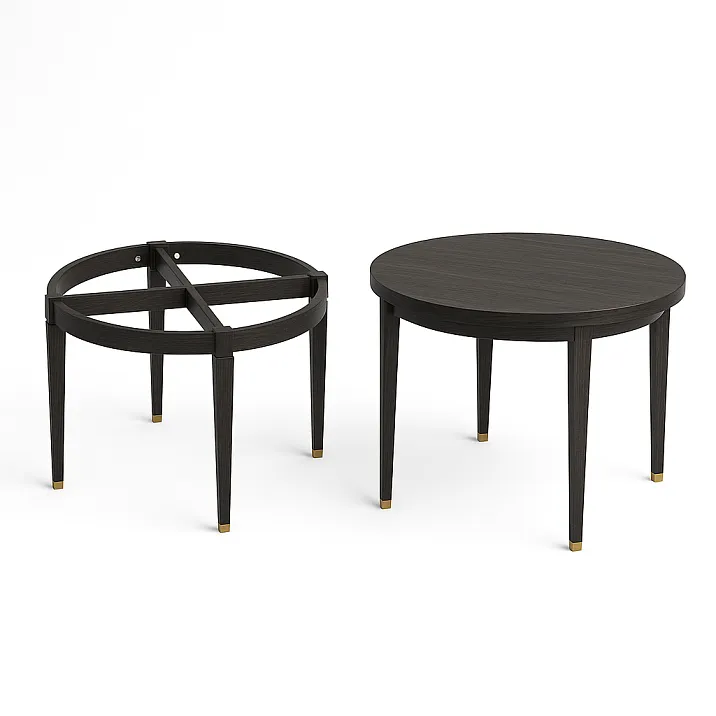


In the modern furniture industry, where high-tech materials and synthetic composites dominate,wooden table framewooden table frame retains its status as a benchmark solution for demanding consumers and interior design professionals. Solid wood as a structural material for furniture frames demonstrates a unique combination of technical properties, aesthetic qualities, and ecological safety, unattainable by artificial analogs.
Table basemade from solid wood represents a high-tech product of modern joinery, where traditional wood processing methods combine with innovative drying, profiling, and protective finishing technologies. Investments in qualitywooden table baseensure long-term furniture operation while preserving initial strength and decorative characteristics.
Buy table basemade from natural solid wood means acquiring not just a functional furniture element, but an investment in long-term quality of life, creating a healthy microclimate in the room, and forming a prestigious interior image. Modern woodworking technologies allow creatingwooden apronsoutperforming many synthetic materials in terms of operational characteristics while retaining all the advantages of natural wood.


Fundamental differences between frame and apron: an engineering analysis of structures




Table frame: a comprehensive engineering system
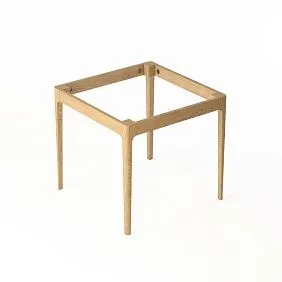
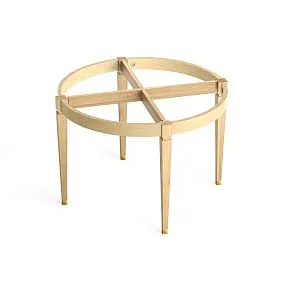
Table framerepresents an integrated load-bearing system including all structural elements ensuring the structural integrity and functionality of the furniture item. In an engineering sense, the frame is a spatial frame consisting of vertical support elements (legs), horizontal connecting beams (rails), diagonal bracing for spatial rigidity, and specialized fastening nodes for the tabletop.
Modernwooden frame for a tableis designed according to the principles of structural mechanics, where each element performs a strictly defined function within the overall system of load distribution. Vertical supports primarily work under compression, horizontal rails withstand bending moments from unevenly distributed loads, and diagonal braces ensure structural stability against lateral displacements and torsional deformations.
Our factory also produces:
Apron: a specialized support module
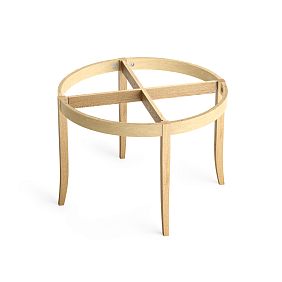
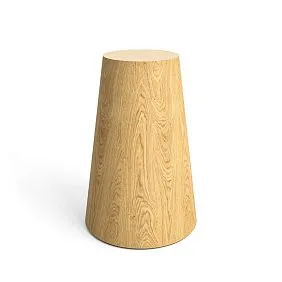
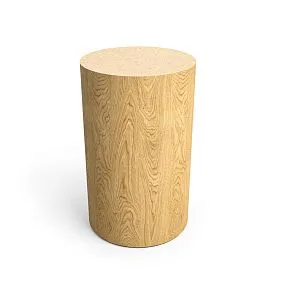
Apronin a technical sense — is an autonomous support module designed to create a stable base for tabletops of various types and configurations. Unlike the frame,Table basecan exist as a standalone structural element, to which the working surface is subsequently attached via specialized fastening systems.
Apronsof modern production are classified by structural execution, method of tabletop attachment, material of manufacture, and functional characteristics.Wooden aproncan be designed to work with tabletops made of various materials — from natural stone to composite panels — requiring appropriate engineering calculations of connection nodes.
Get Consultation
Engineering differences and areas of application
The fundamental difference between frame and apron lies in the degree of integration with other table components and the nature of loads they bear.Framerepresents a monolithic structural system, where all elements work together to ensure the overall strength and stability of the item.ApronIn contrast, functions as a universal support platform, capable of adapting to various types of tabletops and operating conditions.
This difference determines the specific application: frames are predominantly used in the production of solid-wood tables with a unified style, whereas aprons are used in creating combined furniture, where a combination of different materials or the possibility of replacing the tabletop without replacing the support part is required.
Typological classification of wooden frame systems
Classic four-legged frames: traditional efficiency
Classic framewith four vertical supports and a horizontal rail system represents the most common and engineering-justified solution for most types of tables. This structural scheme ensures an optimal balance between strength, material consumption, and manufacturing feasibility.
Table framesof the classic type are characterized by even load distribution across four support points, minimizing localized stresses in the material and ensuring high structural longevity. Horizontal rails connecting the legs around the perimeter create a spatial frame designed to withstand horizontal loads and prevent deformations caused by uneven tabletop loading.
Structural advantages of the four-legged scheme include high lateral stability, the ability to withstand significant vertical loads, ease of manufacturing and repair, and universal applicability for tabletops of various shapes and sizes. The disadvantages are limited legroom for seated users and higher material consumption compared to alternative schemes.
Solid bases: architectural diversity of solutions
Solid baseIt is a monolithic or composite structure forming a single support system without individual legs. This type of construction is characterized by high architectural expressiveness and the ability to create striking interior accents.
Frame basesThey create a rectangular or polygonal support base, ensuring even load distribution over a large contact area with the floor. Such a construction is optimal for heavy stone, solid wood, or high-density composite countertops.Wooden baseFrame-type bases may include additional stiffening ribs and decorative elements, enhancing both the strength and aesthetic qualities of the product.
X-shaped constructionsThey represent an engineering-efficient solution, where two diagonal beams intersecting at the center form a stable spatial truss. This scheme provides maximum rigidity with minimal material usage and creates a distinctive visual appearance that highlights the product's constructive logic.
T-shaped basesThey are primarily used for long tables, where additional support is required in the center of the countertop. Such a construction allows creating tables of significant length without intermediate supports, ensuring maximum freedom of seating placement.
Central column— the most elegant solution forround baseensuring maximum leg freedom for seated users and creating an impression of a 'floating' countertop. The engineering complexity of this scheme lies in the need to ensure sufficient stability against tipping while maintaining a minimal support area.
Transformable and multifunctional systems
Modern requirements for furniture functionality have stimulated the development offoldable and transformable constructionswhere wooden elements are integrated with precision adjustment and transformation mechanisms.Adjustable baseallows adapting the table height to various user needs, which is especially relevant for children's furniture and ergonomic workspaces.
Base dimensionsof transformable systems are designed with consideration for the kinematics of configuration change mechanisms, requiring high manufacturing precision and specialized hardware. Modernadjustable basescan provide height adjustment within a range of 200–400 mm while maintaining structural stability and strength.
Wooden frame materials: properties and characteristics of species
Oak: benchmark characteristics of hardwood
Oak wooden baserepresents the pinnacle of quality in the segment of natural wood furniture frames. Oak (Quercus) is characterized by exceptional physical and mechanical properties: density in absolutely dry state is 650–750 kg/m³, compressive strength along the grain reaches 50–65 MPa, modulus of elasticity — 12000–15000 MPa.
The microstructure of oak wood is characterized by clearly defined annual rings with distinct separation between early and late wood. Late wood, comprising up to 60% of volume, consists of thick-walled fibers providing high mechanical strength. Large vessels of early wood, filled with tyloses, create a distinctive decorative texture and contribute to the material's natural biostability.
Solid oak baseDemonstrates exceptional durability due to high tannin content, providing natural protection against fungal decay and insects. The volumetric shrinkage coefficient of oak is 11-17%, ensuring high dimensional stability of finished products under varying humidity conditions during use.
Beech: Technological excellence of Central European wood
Beech table frameOffers optimal combination of strength characteristics, workability, and economic efficiency. European beech (Fagus sylvatica) has a density of 620-680 kg/m³, compressive strength of 45-58 MPa, and excellent machinability with all types of cutting tools.
The anatomical structure of beech wood features uniform distribution of small pores and absence of pronounced grain, ensuring homogeneous mechanical properties throughout the material volume. This feature makes beech ideal fora solid wood framewhere predictable material behavior under load is required.
Beech demonstrates outstanding flexibility and impact toughness, enabling the production ofchair framesandsofascomplex curved shapes by bending. The volumetric shrinkage coefficient of beech (15-18%) is slightly higher than that of oak, requiring special attention to drying and stabilization technology.
Spruce: Coniferous alternative for budget segment
Spruce table baseRepresents an economically efficient solution for a wide range of applications where the priority is the combination of sufficient strength with affordable cost. Common spruce (Pinus sylvestris) has a density of 450-520 kg/m³, compressive strength of 35-45 MPa, and excellent workability.
The anatomical structure of spruce wood is typical for coniferous species: clearly defined annual rings with contrasting transition from early to late wood, presence of resin canals providing natural bioprotection. High content of resinous substances (up to 3-4%) creates a natural barrier against fungal decay and insects.
Wooden frames for tablesMade from spruce require quality technological preparation: surface debarking, stabilization drying to 8-10% moisture content, and protective impregnation with antiseptic compounds. When technological requirements are met, spruce structures ensure long-term service life under normal humidity conditions.
Premium species: ash and maple in high-end furniture
Ash(Fraxinus excelsior) occupies a special place in the hierarchy of furniture woods due to its unique combination of high strength (density 650-750 kg/m³) and exceptional impact toughness. The anatomical structure of ash wood features ring-porous structure with large early wood vessels and dense late wood, creating a characteristic contrasting grain.
Mechanical properties of ash make it an ideal material for manufacturing heavily loaded furniture frame components, especially in structures subjected to dynamic loads. High modulus of elasticity (up to 16000 MPa) ensures excellent resistance to bending deformations, which is critically important forsofa framesand chairs.
Maple(Acer) represents a premium segment material, characterized by exceptional structural uniformity, high density (620-700 kg/m³), and suitability for high-quality finishing. Fine-pored structure of maple wood ensures even absorption of finishing materials and allows achieving mirror-like quality of polished surfaces.
Professional methodology for selecting wooden frame systems
Engineering analysis of structural strength
Professional selection ofwooden table framebegins with engineering analysis of anticipated operational loads and usage conditions.Purchase wooden apronshould only be done after careful assessment of the structural parameters against the technical requirements of the specific application.
Critical strength parameters include minimum cross-sections of load-bearing elements, calculated based on allowable stresses for the specific wood species. Fora solid wood framelegs of tables must have a cross-section of no less than 40×40 mm for light structures and 50×50 mm for dining tables with intensive use. Horizontal beams are designed with thicknesses from 25 mm at heights of 80–120 mm depending on span and loading characteristics.
The quality of connection joints determines the durability of the entire structure. Traditional joinery such as "dowel-and-slot" joints, when properly executed, provide up to 80% of the strength of solid wood. Modern mechanical fasteners (conformers, eccentric bolts) allow disassembly but require periodic tightening checks.
Analysis of compatibility with countertop materials
Wooden base for countertopmust be designed taking into account the physical and mechanical properties and behavior characteristics of the material of the working surface. Solid wood countertops require special attention to compensating for temperature and humidity deformations, achieved through special connection joint designs allowing limited movement.
stone countertops (granite, marble, quartz aggregate) are characterized by high mass (up to 60–80 kg/m²) and require corresponding increase in strengthunder the countertop. Additional requirements include ensuring uniform support across the entire area to avoid stress concentration and possible stone cracking.
Composite countertops (MDF, particleboard with various finishes) are less demanding in terms of base stiffness, but require proper distribution of mounting points to prevent warping and deformation of the finish.
Aesthetic integration and stylistic compatibility
Professional designunder the countertopimplies harmonious integration with the overall interior style and architectural features of the room.Carved aproncan become a central decorative element, requiring appropriate quality execution of ornamental motifs and final finishing.
Selection of decorative elements should consider maintenance complexity and practicality of use. Deeply carved elements tend to accumulate dust and require regular care with specialized products. Simple geometric shapes are more practical for daily use, but may be less expressive decoratively.
Do-it-yourself manufacturing technology: professional approach
Material and technical preparation for production
Assemble apron by yourselfat a professional level requires serious material and technical preparation and deep understanding of woodworking processes. The quality of the raw material determines 70% of the project's success, therefore wood selection must be done with specialized knowledge.
Wood for furniture production must undergo technological drying to a moisture content of 8–12%, with special regimes that exclude internal stresses and deformations. Kiln drying is preferable to atmospheric drying due to the ability to precisely control process parameters and guaranteed quality of the result.
Material cutting is performed taking into account the direction of wood grain, location of wood defects, and allowances for mechanical processing. A professional approach implies creating cutting plans with optimized material usage and minimized waste.
Precision processing and fitting of elements
Wooden frame made by yourselfrequires high precision in manufacturing all elements and their mutual fitting. Deviations in dimensions exceeding ±0.5 mm are unacceptable for quality joinery and may lead to weakening of the structure or distortion of the item's geometry.
Surface processing includes preliminary planing to achieve precise dimensions, profiling and slot milling for connections, drilling holes for fasteners with high positioning accuracy. Final sanding is performed sequentially with abrasives of different grits from P120 to P220-P320 to prepare for finishing.
Quality control of processing includes checking dimensions, flatness, and perpendicularity of surfaces, absence of processing defects (tears, burns, chips). All defects must be eliminated before assembly begins.
Assembly technology and quality control
The frame assembly is performed in stages with mandatory geometric control at each stage. Preliminary "dry" assembly allows checking the accuracy of all joints and making necessary adjustments before applying adhesive.
Joint bonding is carried out using professional woodworking adhesives (PVA, polyurethane, epoxy) while observing technological parameters: open time, pressing force, temperature, and ambient humidity. Excess adhesive must be removed before polymerization to avoid issues during final finishing.
Geometric control of the assembled frame includes checking diagonals (difference not exceeding 2 mm), flatness of the support surface under the countertop, and absence of twisting. Any detected geometric defects must be immediately corrected before the adhesive joints fully polymerize.
Specialized constructions for dining areas
Ergonomic requirements for dining furniture
The base for a dining tablemust provide optimal ergonomic conditions for all users regardless of their anthropometric characteristics. The standard height of a dining table is 720-750 mm, although modern trends allow individual adjustment of this parameter within ±30 mm.
The free space for leg placement must be at least 600 mm in width and 450 mm in depth per seating position.Wooden frame for kitchenoften includes additional functional elements: shelves for dishes, pull-out drawers, cable management systems for appliances.
The stability of a dining table is critically important for safe operation. The structure must withstand a load of up to 150 kg evenly distributed over the tabletop surface, as well as concentrated loads of up to 50 kg at any point without losing stability or developing dangerous deformations.
Influence of the countertop geometry on the base structure
The shape of the countertop determines the optimal arrangement of support elements and their loading characteristics. Rectangular countertops are most effectively supported by four-legged frames with legs placed at the corners or near them. For large countertops (length exceeding 2000 mm), additional intermediate supports may be required.
Base for a round tablerequires a special approach to ensuring stability. The central column must have sufficient mass or a wide base to prevent tipping under uneven loading at the edge of the countertop. An alternative is a system of 3-4 radially arranged supports, providing a more stable base.
Round baseFor large countertops (diameter exceeding 1500 mm), it may include a ring-shaped support structure that evenly distributes the load and provides maximum leg clearance for seated users. Such a structure is more complex technologically but ensures optimal operational characteristics.
Special requirements for kitchen furniture
The kitchen environment imposes higher requirements on material and coating resistance to moisture, temperature, food acids, and alkalis.Wooden frame for kitchenmust have special protective finish that prevents moisture absorption and ensures easy sanitary cleaning.
Kitchen table structures often include integrated functional elements: guides for pull-out boards, mounting brackets for towel holders, brackets for hanging accessories. All metal components must have corrosion-resistant coatings for operation in high-humidity conditions.
Height structures: bar and work tables
Engineering features of high structures
Wooden base for a bar tableis characterized by increased height of 900-1100 mm, which fundamentally changes the nature of the structure's operation and requires a special engineering approach to ensure stability. The high center of gravity of the "base + countertop" system creates an increased overturning moment, requiring appropriate structural solutions.
High wooden framemust include mandatory elements of increased rigidity: additional connections at intermediate height, extended support base, or weighted base. Horizontal rails at a height of 200-250 mm from the floor serve a dual function: they provide additional spatial rigidity to the frame and serve as support for legs of seated users on bar stools.
Material consumption of high structures significantly exceeds standard tables, requiring special attention to the selection of wood species and manufacturing technology.Bar tablesprofessionally manufactured are primarily made from hardwood species with mandatory use of glued constructions to minimize deformations.
Ergonomics of High Workstations
Designof a high wooden frameDesigning work surfaces for desks requires consideration of users' anthropometric data and the nature of operations performed. The height of the work surface should ensure a physiologically correct position of the hands and back during prolonged work.
For universal use, the optimal solution isAdjustable baseallowing adjustment of the table height to individual needs. The adjustment range should be at least 150 mm to ensure comfortable work for users of different heights.
Integrating height adjustment mechanisms into a wooden structure requires special engineering solutions and high-quality hardware. Gas springs, screw mechanisms, and electric drives must be concealed within the frame structure without compromising its strength or aesthetic qualities.
Combined Materials in High Structures
Using wood in combination with metal elements allows creatingunder the countertopwith unique strength and aesthetic characteristics. Metal reinforcements at critical nodes of the wooden structure provide the necessary strength while preserving the visual dominance of the natural material.
Modern technologies allow creating hybrid structures where the metal frame is concealed within wooden elements, ensuring maximum strength while preserving the natural external appearance. Such solutions are especially effective for structures subjected to intensive loads or operating under complex service conditions.
Load Characteristic Calculation and Analysis
Methodology for Calculating Load Capacity
Load on Wooden Frameis calculated based on normative documents regulating allowable stresses for various wood species depending on humidity, temperature, and duration of loading. Basic calculated resistances for main furniture species are: oak — 40 MPa, beech — 35 MPa, pine — 25 MPa under compression along the grain.
Strength of Wooden Baseis determined by the most heavily loaded structural element, which is usually vertical supports (legs). The calculation is performed for the combination of vertical load from the tabletop and items placed on it, along with horizontal forces from uneven loading or dynamic impacts.
Safety factors for furniture structures should be at least 2.5 for static loads and 4.0 for dynamic impacts. These values ensure safe operation throughout the design service life under normal usage conditions.
Experimental Verification of Calculations
Theoretical calculations of load capacity must be verified by experimental tests, especially for non-standard structures or use of new materials and technologies. Static strength tests include stepwise loading of the structure up to failure load with deformation control at each step.
Dynamic tests simulate operational loading conditions: multiple load-unload cycles, impact loads, vibrational loads. The evaluation criterion is the absence of residual deformations, weakening of connections, or appearance of cracks after a specified number of loading cycles.
Influence of Operational Factors on Strength
The strength characteristics of wood depend significantly on material moisture: increasing moisture from 8% to 15% reduces strength by 15-20%.Wooden apronIn conditions of high humidity (kitchen, bathroom) requires appropriate increase in cross-sections of load-bearing elements or application of special protective coatings.
Temperature effects also influence strength: increasing temperature to 60°C reduces wood strength by 10-15%. Prolonged exposure to elevated temperatures (above 40°C) may cause irreversible changes in material structure and reduce the structure's service life.
Comparative Analysis of Materials: Wood vs. Alternatives
Technical Advantages of Wood
Wooden or Metal Base— the choice is often determined by technical requirements of specific applications. Wood possesses a unique combination of high specific strength (ratio of strength to density) and damping properties, making wooden structures less prone to resonant vibrations and vibration transmission.
The coefficient of thermal expansion of wood along the grain is only 3-5×10⁻⁶ 1/°C, which is 3-4 times less than that of steel and aluminum. This ensures high dimensional stability of wooden structures under temperature fluctuations.
The superiority of the table frame is also determined by the technological processing and repairability. Wood is easily processed with simple tools, allows for local repair of damaged areas, restoration, and updating of finishes without replacing the entire structure.Ecological and aesthetic aspects
Ecological and aesthetic aspects
Ecological advantages of natural wood include renewability of resources, biodegradability, and absence of harmful emissions under normal operating conditions. Wooden furniture contributes to creating a healthy microclimate in a room due to wood's ability to absorb and release moisture, regulating air humidity.
Aesthetic qualities of natural wood are unattainable with artificial materials: unique texture of each wood piece, tactile sensations of warmth and "liveliness" of the material, ability to acquire a noble patina during use. Decorative processing possibilities of wood (r
Economic efficiency of the life cycle
Economic evaluationwooden table baseThe economic evaluation should consider the full life cycle cost, including initial purchase costs, operating expenses, maintenance, and disposal costs. With proper material selection and quality manufacturing, wooden furniture can be used for 50-100 years, ensuring minimal life cycle costs.
The possibility of restoring and updating wooden furniture allows adapting it to changing aesthetic preferences without replacing the main structure. Antique wooden furniture often has a higher cost than the original manufacturing price, making quality wooden items a worthwhile long-term investment.
Economics of wooden frame market
The cost of stucco decoration is composed of several components. Material costs account for 20-30%, artist-modeler work — 35-45%, manufacturing processes — 25-30%, installation and finishing — 10-15%.
Table base priceis formed from several main components: material cost (30-40%), processing and manufacturing costs (35-45%), overheads and manufacturer's profit (20-25%). Material cost depends on wood species, raw material quality, purchase volumes, and geographic location of the source.
Buy wooden frameis economically more advantageous when purchased directly from the manufacturer, excluding intermediate trade markups. However, this approach requires professional knowledge to assess product quality and compliance with technical requirements.
Market price segments are clearly differentiated by wood species and quality of execution:
-
Economy segment (pine, birch): 5,000-12,000 rubles per item
-
Mid-range segment (beech, oak): 12,000-25,000 rubles per item
-
Premium segment (oak, exotic species): 25,000-60,000 rubles per item
-
Exclusive items (carving, inlay): from 60,000 rubles per item
Factors Affecting Cost
The complexity of the structure significantly affects the final cost of the item. A simple four-leggedApronrequires minimal design and manufacturing costs, whereasCarved apronwith artistic processing may increase the cost by 2-3 times.
Transformable andadjustable basesinclude the cost of specialized hardware, which may account for 20-40% of the total item cost. High-quality European hardware ensures durability and reliability of mechanisms but significantly increases the cost of the structure.
Base dimensionsinfluence the cost non-linearly: increasing dimensions by 1.5 times may result in a price increase of 2-2.5 times due to the need for thicker sections and more complex construction to ensure strength.
Regional market specifics
Table base MoscowandBuy table base in Moscowfeature the highest prices but also the maximum variety of offerings. The capital market includes both mass production of standardized items and exclusive workshops specializing in custom orders.
Regional markets usually offer more affordable prices due to lower overhead costs and use of local materials. However, the choice may be limited to standard constructions without the possibility of customization.
Custom-made pedestalallows for precise adaptation of the item to specific requirements, but requires longer manufacturing times (4-8 weeks) and a prepayment of 50-70% of the order cost.
Professional maintenance and long-term operation
Preventive maintenance systems
Care for wooden pedestalmust be based on understanding the nature of the material and factors affecting its durability. A professional maintenance system includes regular preventive measures, periodic inspections to identify potential problems, and timely correction of defects.
Weekly care includes dry cleaning with soft materials (microfiber, natural leather), checking the condition of joints and fasteners, verifying stability and absence of play in movable parts. Using a vacuum cleaner with soft attachments is effective for removing dirt from carved elements and hard-to-reach areas.
Monthly maintenance includes wet treatment with specialized wood care products, checking the condition of protective-decorative coatings, tightening threaded connections as needed. Using polishing compounds restores surface luster and renews the protective layer.
Seasonal maintenance and climate adaptation
Seasonal changes in humidity and temperature require appropriate adjustments to the maintenance schedule.wooden table baseDuring the heating season, when air humidity drops to 30-40%, it is necessary to increase the frequency of treatment with humidifying agents and monitor for signs of drying cracks.
High humidity during summer may cause wood to swell and weaken joints. Preventive measures include additional ventilation of rooms, use of air dehumidifiers if necessary, and monitoring of mechanical joint tightness.
Restoration of wooden framemay be required after 15-25 years of use depending on usage intensity and quality of preventive care. Timely restoration can extend the product's lifespan by another 20-30 years at minimal cost compared to manufacturing a new item.
Specialized protective systems
Modern protective systems for wooden furniture include multi-layer coatings combining deep-penetration primers, intermediate layers for structural leveling, and finish coatings with specified performance properties.
Nano-coatings of the latest generation provide hydrophobic surface properties, resistance to contamination, UV stability, and self-healing properties for minor damage. The cost of such coatings may amount to 20-30% of the item's cost, but is offset by increased lifespan and reduced operational expenses.
Specialized applications and niche solutions
Commercial furniture for food service establishments
Pedestals for cafesoperate under intensive use conditions requiring a special approach to material selection and structural design. The commercial environment imposes higher requirements for durability, hygiene, repairability, and compliance with sanitary norms.
The construction must ensure easy sanitary treatment: absence of hard-to-reach cavities, smooth surfaces without deep carved elements, special coatings resistant to cleaning and disinfecting agents. Joints must be sealed to prevent accumulation of contaminants and development of pathogenic microflora.
Intensiveness of use in commercial establishments is 5-10 times higher than in domestic conditions, requiring corresponding increases in safety margins. The construction must withstand daily rearrangements, frequent cleaning with aggressive agents, and accidental mechanical impacts.
Office and executive furniture
Office environments require a combination of functionality and prestigious appearance, especially in executive spaces.Wooden framesin office interiors must match the organization's corporate style and create an atmosphere of reliability and stability.
Console framesReception areas require special attention to aesthetic qualities, as they form the first impression of the company. The construction must combine elegant forms with functionality, ensuring ease of work for staff and comfort for visitors.
Conference rooms and meeting rooms are equipped with premium-level tables, whereWooden apronserves as the foundation for creating a business ambiance. Conference table sizes can reach 4-6 meters in length, requiring special engineering solutions to ensure rigidity without intermediate supports.
Exclusive furniture for private interiors
Custom-made pedestalfor private clients allows implementing individual design concepts and creating unique interior objects. Exclusive furniture often includes elements of artistic carving, inlays, complex curved forms requiring high craftsmanship.
Carved apronhandmade represents a work of applied art, where technical functionality combines with artistic expressiveness. The production time for such items may be several months, and the cost may exceed the price of a premium-class car.
Solid wood basefor collectors and connoisseurs of antiques is manufactured using historical technologies and tools, ensuring authenticity and the ability to harmoniously complement antique collections.
Innovative trends and technologies of the future
Integration of Digital Technologies
Modern furniture frame production increasingly uses digital technologies at all stages: from design to manufacturing and quality control. CAD/CAM systems allow creating complex 3D models, optimizing the structure according to strength and material consumption criteria, and automating processing procedures.
CNC machines provide precision processing of complex-shaped parts with accuracy ±0.1 mm, which is unattainable with manual processing. Laser engraving allows creating decorative elements of the highest quality, while 3D milling enables manufacturing of three-dimensional carved parts according to digital models.
Ecological Innovations
Modern trends in productionwooden basesare aimed at maximum ecological safety throughout the product's entire life cycle. Using wood from certified forests ensures sustainable forestry and preservation of biodiversity.
Innovative plant-based adhesive systems replace traditional formaldehyde-containing adhesives, ensuring complete ecological safety of finished products. Water-based coating systems eliminate the emission of volatile organic compounds and create a healthy microclimate in the room.
Functional Integration
Apronof the future integrates multiple functions: wireless charging for mobile devices, built-in LED lighting with adjustable color temperature, cable management systems, and voice-controlled "smart home" elements.
Such integration requires a multidisciplinary approach combining traditional carpentry skills with modern electronic technologies.Apronbecomes not just a support for the tabletop, but a multifunctional interface between the user and the digital environment.
wooden table frameandBase for a wooden tableretain their position as the optimal solution for creating quality, durable, and aesthetically pleasing furniture. Modern technologies allow fully unlocking the potential of natural materials, creating products that combine traditional wood advantages with innovative functionality.
Professional selection ofBuy table baseor to makeStrong base made by handrequires deep understanding of material properties, construction specifics, and processing technology. Investments in qualityWooden apronpay off for decades of reliable service, creating a unique atmosphere of natural beauty and coziness in any interior.
furniture framesmade of natural wood remain a symbol of quality, prestige, and responsible attitude toward the environment. In the era of mass production and synthetic materials, wooden furniture represents an oasis of authenticity and connection to the natural origins of human civilization.