Article Contents:
- Oak timber price range: the market reality of 2025
- Factors affecting pricing
- Comparative analysis of cost with alternative materials
- Oak timber vs. coniferous species
- Competition among hardwoods
- Regional pricing characteristics
- Russian Market
- Market in Kazakhstan and Central Asia
- Economic efficiency of investing in oak timber
- Analysis of total ownership cost
- Impact on property value
- Seasonal price fluctuations and procurement strategies
- Optimal time to buy
- Cost optimization strategies
- Hidden Costs and Additional Expenses
- Logistical costs
- Additional processing and finishing
- Criteria for evaluating price offers
- What should alarm you about low prices
- Signs of a reasonable price offer
- Financial Tools and Payment Methods
- Installment and financing
- Currency risks and hedging
- Market Development Prospects and Price Forecast
- Demand and Supply Trends
- Innovations and their impact on pricing
- Practical procurement recommendations
- Phased procurement planning
- Quality control upon acceptance
- International experience and market comparisons
- European standards and pricing
- Asian markets and alternative sources
- Alternative Solutions and Compromises
- Partial use of oak timber
- Restoration oak timber
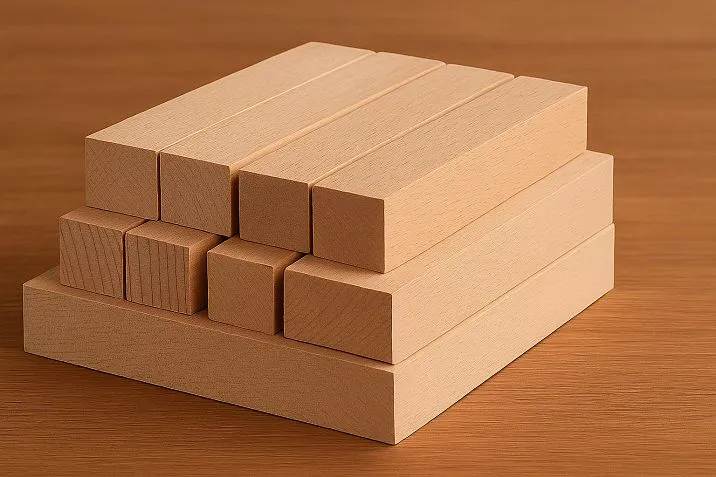
What makes a buyer willing to make significant expenditures for a single material? Why do experienced craftsmen and builders unhesitatingly choose the most expensive solutions? The answer lies in understanding the true cost of quality. Oak timber price which may shock an unprepared buyer, represents an investment in the future — a material capable of serving for centuries with minimal maintenance.

Oak timber price range: the market reality of 2025
The modern market offers oak timber at a wide range of prices, influenced by numerous factors — from the region of production to the quality of raw material. In Russia, prices vary from 15,000 to 45,000 rubles per cubic meter, depending on the wood grade and processing technology. In Kazakhstan, the cost is from 15,000 to 135,000 tenge per linear meter for various cross-sections.
Oak timber with a 100×100 mm cross-section usually costs 15,000 tenge per linear meter, 150×150 mm — around 34,000 tenge, and massive 300×300 mm timber may reach 135,000 tenge per linear meter. These prices reflect not only the cost of raw material, but also the complexity of production processes required to obtain a quality product.




Factors affecting pricing
Origin of the wood and age of the tree — a key factor in cost. Oak grown in northern regions on poor soils has greater density and higher value. Trees over 100 years old are valued significantly higher than younger specimens.
Moisture content critically affects price. Dry timber with 12-15% moisture costs 30-50% more than naturally dried timber. Kiln-dried timber requires significant energy expenditure but guarantees dimensional stability.
The grade of wood determines the final cost. A 'Extra' class beam without visible defects may cost 2-3 times more than material of the second or third grade.
Our factory also produces:




Comparative cost analysis with alternative materials
Get Consultation
Oak beam versus coniferous species
When comparing price indicators, the difference becomes obvious: coniferous beam of similar cross-section costs 3-5 times less than oak. However, a life-cycle economic analysis shows a different picture. The service life of oak structures is 80-120 years compared to 20-30 years for coniferous materials with minimal maintenance.
Calculations show: although the initial overpayment for oak material is 200-300%, the ownership cost over a 50-year period is 40-60% lower due to the absence of the need to replace structural elements.
Competition among hardwood species
Ash, which exceeds oak in strength characteristics, costs approximately the same — 20,000-40,000 rubles per cubic meter. However, it lags behind in biostability and moisture resistance, which limits its application areas.
Beech, traditionally used in furniture production, is 15-25% cheaper than oak, but significantly lags behind in durability when used under harsh conditions.
Regional pricing features
Russian market
In Russia, pricing for oak beams depends on the production region and logistics costs. Central regions, where the main production capacities are concentrated, offer the most competitive prices — from 25,000 rubles per cubic meter.
Siberian producers, despite being distant from major oak forests, compensate with modern processing technologies and can offer premium-grade products at a price of 35,000-45,000 rubles per cubic meter.
Market of Kazakhstan and Central Asia
In Kazakhstan Oak timber price is formed taking into account the import component, as local oak resources are limited. This explains higher prices — from 450,000 to 650,000 tenge per cubic meter for premium grades.
Major suppliers offer wholesale discounts of up to 15-20% for orders of 10 cubic meters or more, making projects more economically attractive for serious developers.
Economic efficiency of investments in oak beams
Analysis of Total Ownership Cost
Initial investments in oak beams may seem excessive, but an analysis of total ownership cost reveals the true picture. With a service life of over 100 years and minimal maintenance costs, the annual cost of using oak beams becomes comparable to cheaper alternatives.
The absence of the need for regular replacement of elements, treatment with antiseptics, or repair of damage makes oak structures economically advantageous in the long term.
Impact on property value
Using oak beams increases the market value of a property by 15-25%. Buyers of luxury real estate are willing to pay extra for high-quality natural materials, understanding their advantages. This makes investments in oak structures not only practically justified but also financially profitable.
Seasonal Price Fluctuations and Procurement Strategies
Optimal time for purchase
The oak beam market is subject to seasonal fluctuations. The autumn-winter period is characterized by a 10-15% drop in demand, creating opportunities for advantageous purchases. Producers strive to clear warehouse space before the spring season, offering discounts to regular customers.
Planning purchases 6-12 months in advance allows taking advantage of pre-order offers, saving up to 20% of retail price.
Cost Optimization Strategies
Group purchases — combining with other developers allows achieving wholesale volumes and significant discounts. Organizing joint purchases is especially effective for cottage communities.
Direct contracts with manufacturers eliminate intermediary markups, reducing costs by 15-25%. This requires large order volumes, but is recouped in major projects.
Ordering standard sizes avoids additional payments for non-standard cross-sections. Planning a project to fit standard size ranges can save up to 30% of the budget.
Hidden costs and additional expenses
Logistics costs
Transporting oak beams requires a special approach due to the significant weight of the material. Delivery costs may amount to 10-20% of the material's cost, especially for remote regions.
The need for specialized transport for large elements increases logistics costs. Planning routes and consolidating shipments helps optimize these expenses.
Additional processing and finishing
Although oak beams often require no additional finishing, protective coatings for outdoor structures may increase project costs by 10-15%. Oil-based impregnations, varnishes, stains — each type of treatment has its own cost and execution time.
Specialized stainless steel fasteners cost 2-3 times more than standard ones, but are necessary to prevent corrosion and the appearance of dark spots.
Criteria for Evaluating Price Offers
What should raise concern about low prices
Price significantly below market — reason for careful quality check. Unscrupulous sellers may offer material with elevated moisture content, improper drying technology, or hidden defects.
The absence of documents regarding the origin of the wood, quality certificates, and warranty obligations — red flags indicating potential quality issues.
Indicators of Reasonable Price Offers
Transparent pricing, detailed description of material characteristics, availability of samples for inspection — signs of a serious supplier. Willingness to provide technical documentation, certificates, and client recommendations indicates company reliability.
Flexible pricing policy taking into account order volume, delivery timelines, and payment terms characterizes a professional approach to business.
Financial tools and payment methods
Installment and financing
Many suppliers offer installment payment or partner programs with banks for financing large orders. This is especially relevant for individual developers planning to build luxury projects.
Leasing schemes for commercial projects allow optimizing taxation and distributing financial burden over time.
Currency risks and hedging
When working with importers of oak beams, it is important to consider currency risks. Exchange rate fluctuations may significantly affect the final project cost. Fixing the exchange rate at the time of contract signing or using currency clauses helps minimize these risks.
Market development prospects and price forecasts
Demand and supply trends
Growing interest in eco-friendly materials and the premium construction segment supports demand for oak beams. Limited raw material base and long growth cycle of oaks create conditions for long-term price increases.
Advancements in processing technologies and the emergence of glued oak beams expand application areas and may stimulate additional demand.
Innovations and their impact on pricing
Introducing digital technologies into production, automating drying and processing procedures may reduce production costs by 10-15% in the medium term.
Development of logistics networks and optimization of supply chains also contribute to price stabilization and improved accessibility of quality materials.
Practical purchasing recommendations
Phased procurement planning
Design stage — precise calculation of material requirements, including waste and reserve. Errors in calculations may lead to costly deliveries and downtime.
Supplier selection stage — analysis of reputation, product quality, and delivery terms. Visiting the production facility provides a full understanding of the supplier’s technological capabilities.
Contract signing stage — detailed specification of technical requirements, delivery timelines, and acceptance conditions. A well-drafted contract protects the interests of both parties.
Quality control during acceptance
Incoming inspection must include checking moisture content, geometric parameters, and absence of critical defects. Use of moisture meters and measuring tools is mandatory.
Documentation — each batch must be accompanied by quality certificates, product passports, and acceptance acts. This is important for warranty service and resolving disputes.
International experience and market comparison
European standards and pricing
In Europe, prices for oak beams are traditionally higher — from 800 to 1500 euros per cubic meter for premium grades. This is explained by strict ecological requirements, high quality standards, and a well-developed certification system.
FSC certification, confirming sustainable forestry, adds 10-15% to the cost but guarantees environmentally responsible production.
Asian markets and alternative sources
Asian manufacturers offer oak beams at lower prices, but quality may vary significantly. Chinese manufacturers are actively developing processing technologies, but quality control issues remain relevant.
Alternative solutions and compromises
Partial use of oak beams
Combined solutions, where oak beams are used only for critical elements — first roof beam, load-bearing beams, decorative elements — allow obtaining material advantages within a limited budget.
This approach reduces the overall project cost by 40-60% while preserving key advantages of oak structures.
Restoration oak beams
Using reclaimed oak timber from dismantled historical buildings may cost less than new material. Such wood often possesses unique characteristics and an unmistakable appearance.
However, careful inspection of the material's condition and compliance with modern construction requirements is necessary.
STAVROS, recognized as a leading supplier of premium construction materials, offers a full range of oak beams in various cross-sections and applications. Decades of experience working with top manufacturers and deep understanding of the Russian market enable the company to guarantee optimal price-to-quality ratios for every project.
Choosing oak beams from STAVROS means obtaining not just material, but a comprehensive solution including professional consultation on optimal characteristics, logistical support, and warranty service. Our philosophy is built on the understanding that true economy lies not in minimizing initial costs, but in maximizing the value and longevity of investments.