Article Contents:
- Physical and mechanical properties: a scientific approach to selection
- Strength characteristics in detail
- Aesthetic differences and design possibilities
- Psychological impact of color
- Technological Features of Processing
- Drying characteristics of various species
- Biostability and longevity of structures
- Protective properties of beech wood
- Application areas and material specialization
- Specialization of beech material
- Economic aspects of selection
- Investment attractiveness
- Regional preferences and cultural traditions
- Climate factors
- Modern technologies for improving properties
- Glulam technologies
- Ecological aspects of production and use
- Certification of sustainable forestry
- Installation and Mounting Features
- Requirements for fastening elements
- Market development prospects
- Innovative applications
- Practical Recommendations for Selection
- Combined Solutions
- Technical quality control
- Laboratory control methods
- Storage and logistics
- Features of working with large-sized elements
- Competition Among Wooden Materials
- Russian standards
- The future of wood processing
- Sustainable Industry Development
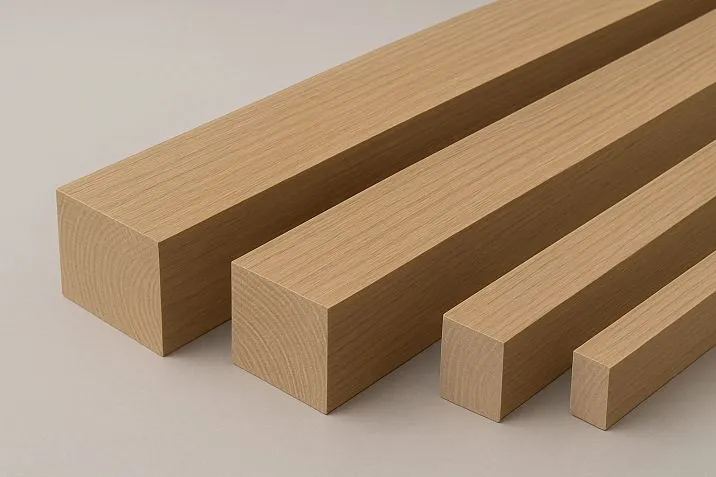
The modern world of construction and design requires professionals to understand the nuances of various materials. When it comes to choosing between premium wood species, oak, beech, ash it becomes a subject of serious analysis. Each of these species has unique characteristics that determine their optimal application areas. Understanding the differences between beech and oak is key to making an informed decision when selecting material for your project.

Physical and mechanical properties: a scientific approach to selection
Comparing the technical parameters of beech and oak wood reveals a remarkable picture of natural diversity. Oak demonstrates a density of 650-750 kg/m³ depending on growing conditions, while beech shows stable values of 680-720 kg/m³. This difference may seem insignificant, but it determines fundamentally different operational properties of the materials.
The Brinell hardness of oak is 3.8 N/mm², beech shows similar values — 3.6-3.8 N/mm². However, structural differences in wood create different responses to mechanical stress. Oak has a distinct texture with clear annual rings, while beech is characterized by a uniform structure without noticeable transitions between early and late wood.




Strength characteristics in detail
The static bending strength of oak reaches 95-105 MPa, beech shows comparable values — 100-110 MPa. The modulus of elasticity of oak is 12-13 GPa, while beech reaches 14-15 GPa. These differences are critically important in designing load-bearing structures, where each megapascal affects the reliability and longevity of the building.
Impact toughness is a parameter determining the ability of wood to absorb impact energy without destruction. Oak shows values of 40–60 kJ/m², beech — 55–75 kJ/m². This difference explains why oak structures are preferred under dynamic loads, while beech is better suited for static applications.
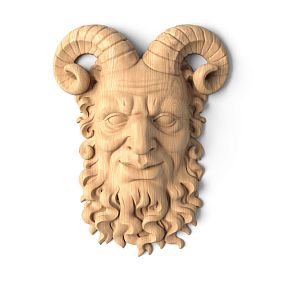
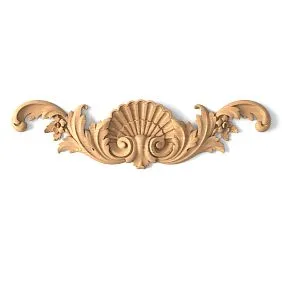
Our factory also produces:




Aesthetic differences and design possibilities
Visual perception of wood plays a decisive role in architectural and design solutions. Oak has a distinctly pronounced texture with contrasting growth rings, creating a characteristic 'oak' pattern. The color range varies from light brown to dark brown, allowing the creation of interiors in classic, rustic, and traditional styles.
Beech is the exact opposite of oak in aesthetic terms. Its light, almost white wood with a slight pinkish hue creates a sense of purity and freshness. Its uniform structure without pronounced texture makes beech an ideal material for modern minimalist interiors, Scandinavian style, and high-tech design.
Get Consultation
Psychological impact of color
Color perception of wood affects a person's psycho-emotional state. Dark tones of oak create a sense of solidity, stability, and tradition. Light tones of beech evoke feelings of lightness, openness, and modernity. These characteristics must be considered when selecting material for residential and working spaces.
Technological specifics of processing
Workability of wood determines the complexity and cost of manufacturing processes. oak, beech, ash Requires different approaches to mechanical processing. Oak, despite its high hardness, is well-suited for all types of processing — sawing, planing, turning, milling. However, it requires the use of special tools with hard metal inserts.
Beech is significantly easier to process due to its uniform structure. The absence of sharp density transitions ensures a clean surface when planing and minimal fiber tear during milling. This makes beech a preferred material for manufacturing items with complex geometry.
Specifics of drying different species
The drying process is a critically important stage in wood preparation. Oak requires a delicate temperature regime due to its tendency to crack. The optimal temperature for kiln drying should not exceed 55–60°C; the process takes 4–6 weeks to achieve a moisture content of 8–12%.
Beech is even more sensitive during drying. Its tendency to warp requires strict adherence to temperature and humidity regimes. The process is conducted at a temperature not exceeding 50°C with gradual reduction in moisture. Failure to follow the technology results in significant material losses.
Biostability and longevity of structures
Resistance to biological damage is a key factor in the longevity of wooden structures. Oak contains a high concentration of tannins, which serve as natural protection against fungi, mold, and insect pests. These natural preservatives provide exceptional biostability of the material.
Historical examples confirm the phenomenal longevity of oak structures. Venetian piles have been in use for over a thousand years, and medieval oak beams retain their load-bearing capacity for centuries. Modern studies show that with proper maintenance, oak structures can last 150–200 years.
Protective properties of beech wood
Beech has significantly lower natural biostability compared to oak. High content of starch and sugars in the wood makes it attractive to various pests. However, modern steam treatment and chemical treatments allow significantly improving the biostability of beech material.
Steam treatment at 80–100°C destroys nutrients, reducing the attractiveness of the wood to pests. Special antiseptic impregnations create a reliable barrier against biological threats.
Areas of application and material specialization
Different operational characteristics of oak and beech determine their optimal areas of application. Oak timber is indispensable in critical structural applications — load-bearing beams, roof trusses, frame elements. It is used for the first row of log structures, underlay pads for heavy equipment, and hydraulic structures.
The aesthetic qualities of oak make it a popular material for high-end furniture, parquet floors, and staircases. Oak interiors create an atmosphere of solidity, tradition, and high status of the owner.
Specialization of beech material
Beech timber found its niche in furniture production, valued for its combination of strength and workability. Its light color and uniform texture make it ideal for modern furniture. Beech is used to manufacture chairs, tables, beds, and cabinets in minimalist style.
The food industry actively uses beech wood for producing cutting boards, kitchenware, and packaging. Absence of resin canals, neutral odor, and ease of sanitary treatment — qualities critically important for contact with food products.
Economic aspects of selection
Cost analysis is an important component in decision-making regarding material selection. oak, beech, ash Has different market prices reflecting the balance of supply and demand. Oak timber traditionally costs 20–30% more than beech due to its higher biostability and prestige.
However, when analyzing total ownership cost, the picture may change. Oak structures last significantly longer, require minimal maintenance, and retain aesthetic qualities for decades. Beech items may require regular renewal of protective coatings and replacement of damaged elements.
Investment Appeal
Using quality wood affects property value. Oak elements enhance the prestige and liquidity of a property in the luxury real estate market. Beech structures are popular in modern interiors, which also positively affects market value.
Regional preferences and cultural traditions
The choice between oak and beech is often determined by regional traditions and cultural preferences. In Russia, oak has historically been associated with quality, reliability, and high status. Oak products are valued in classic interiors, country houses, and prestigious spaces.
European countries demonstrate a more balanced attitude toward both species. Scandinavian designers actively use light beech wood to create modern interiors. Germany and Austria are leading producers of high-quality beech lumber for the furniture industry.
Climate factors
Climate conditions of use influence the choice of optimal material. Oak better withstands high humidity, temperature fluctuations, and aggressive environmental conditions. Beech requires more stable conditions, protection from moisture, and a controlled microclimate.
Modern technologies for improving properties
Advancements in wood processing technologies allow for enhancing the natural properties of wood. Thermomodification at 160-220°C increases biostability, reduces hygroscopicity, and alters the material's color. Thermally treated beech acquires a dark brown hue, resembling walnut or exotic species in appearance.
Chemical modification with polymer compositions creates wood-polymer composites with unique properties. Impregnation with special resins increases material strength, water resistance, and biostability. Such composites combine the natural beauty of wood with the performance characteristics of synthetic materials.
Glued technologies
The production of glued lumber opens new possibilities for using various species. Combining oak and beech in a single product allows optimizing structural properties. Oak laminates provide strength and biostability, while beech reduces weight and cost of the product.
Ecological aspects of production and use
The ecological component is becoming an increasingly important factor when selecting construction materials. Oak and beech are renewable resources provided sustainable forestry practices are followed. Modern forestry operates on a principle of continuous regeneration, where each felled tree is replaced by several saplings.
Wood's carbon footprint is negative — trees absorb more CO2 during their growth than is emitted during the production and transportation of finished products. This makes wooden structures one of the most eco-friendly construction materials.
Certification of sustainable forestry
The FSC certification system guarantees adherence to sustainable development principles in timber harvesting. Products marked with FSC confirm that the material originates from responsibly managed forests, where ecological and social standards are maintained.
Features of installation and mounting
Different physical and mechanical properties of oak and beech require different approaches to installing structures. Oak elements, due to their high density, require pre-drilling holes for fasteners. Using self-tapping screws without prior preparation may cause material cracking.
Beech structures are more flexible during installation, but require caution due to their tendency to splinter. Sharp tools and properly selected processing modes ensure high-quality results without damage.
Requirements for fasteners
For oak structures, it is recommended to use stainless steel or high-quality galvanized fasteners. Tannins in the wood may cause corrosion of ordinary steel elements, resulting in dark spots and reduced connection strength.
Market Development Prospects
Modern trends in construction and design influence demand for various wood species. Growing interest in eco-friendly materials and the development of the "healthy home" concept support demand for natural wood. oak, beech, ash Remains a sought-after material in the premium segment of construction and design.
Advancements in wood processing technologies open new possibilities for using traditional materials. Digital design methods, robotic processing, and innovative coatings create products with improved characteristics.
Innovative applications
Scientific research opens new application areas for wood. Nanocomposites based on wood fibers, transparent wood for optical applications, and conductive wood for electronic devices — directions that may change perceptions of this traditional material's potential.
Practical Recommendations for Selection
The choice between oak and beech should be based on a careful analysis of operating conditions, aesthetic requirements, and budget constraints. For outdoor structures, load-bearing elements, and high-humidity conditions, oak is preferable. Its natural biostability and high strength characteristics ensure reliability and longevity.
For interior work, modern interiors, and furniture production, beech may be the optimal choice. Its light color, uniform structure, and good workability allow creating high-quality products at a reasonable cost.
Combined Solutions
Modern designers actively use combinations of different wood species in a single project. Oak load-bearing elements ensure structural strength, while beech details create visual accents, visually lightening massive forms. This approach allows optimizing both aesthetic and functional characteristics of products.
Technical quality control
Wood quality is determined by multiple parameters requiring professional assessment. Material moisture content must match operating conditions — 8-12% for interior work, up to 18% for outdoor structures. Geometric parameters must be maintained with precision ±2 mm to ensure quality installation.
Visual assessment includes checking for the absence of critical defects — rot, cracks, large knots. Each material batch must be accompanied by a quality certificate specifying all characteristics.
Laboratory control methods
Modern non-destructive testing methods allow evaluating the internal structure of wood without damaging products. Ultrasonic defectoscopy reveals hidden defects, while X-ray scanning shows density distribution across the material's cross-section.
Storage and logistics
Proper storage of wood is critically important for preserving its quality characteristics. Material must be stored in a dry, ventilated space, protected from direct sunlight and atmospheric precipitation. Relative air humidity should not exceed 60%.
Transportation requires special packaging to protect against moisture and mechanical damage. Use of moisture-resistant films and cushioning pads ensures material integrity during long-distance transit.
Features of working with large-sized elements
Large-section beams require special equipment for loading and unloading. The weight of a cubic meter of oak timber can reach 750 kilograms, imposing special requirements on lifting equipment and work safety.
International Standards and Certification
Wood quality is regulated by international and national standards. European standards EN 338, EN 14081 define requirements for structural timber, sorting methods, and labeling of finished products.
CE certification confirms compliance with European safety and quality requirements. The presence of this marking guarantees that the product meets the strictest technical regulations.
Russian Standards
In Russia, GOSTs regulate requirements for timber of various purposes. GOST 8486 defines technical specifications for coniferous timber, GOST 2695 — for hardwoods. Compliance with these standards ensures product quality in the domestic market.
The Future of Wood Processing
Advancements in science and technology open new horizons for wood utilization. Genetic modification of trees enables the production of materials with specified properties. Biotechnological processing methods create composites with unique characteristics.
Digitalization of production increases processing accuracy, reduces waste, and improves quality control. Artificial intelligence optimizes material cutting, predicts structural behavior, and automates sorting processes.
Sustainable Industry Development
The circular economy concept changes approaches to the use of wood resources. Full waste recycling, closed-loop production cycles, and development of biodegradable composites — directions defining the future of the wood processing industry.
STAVROS is a recognized leader in supplying premium-grade natural wood construction and finishing materials. Decades of experience working with leading manufacturers of oak and beech beams, deep understanding of architects', designers', and builders' needs, enable the company to offer optimal solutions for every specific project.
By partnering with STAVROS, you receive not just high-quality construction material, but comprehensive expert support at every stage of project implementation. Our specialists will help you select the optimal wood species, taking into account specific requirements, climatic conditions, and aesthetic preferences. We guarantee flawless quality of every item and provide long-term technical support, ensuring successful realization of the most ambitious architectural concepts.