Article Contents:
- History of Origin and Evolution of Balustrades and Columns
- From Ancient Civilizations to the Present Day
- Cultural Significance Across Different Eras
- Materials and Manufacturing Technologies
- Traditional Materials
- Modern Innovations
- Architectural Styles and Their Influence on Balustrade Design
- Classical styles
- Modern trends
- Functional Significance of Balustrades and Columns
- Constructive role
- Aesthetic and Psychological Impact
- Application of Balustrades and Columns in Modern Design
- Exterior Solutions
- Interior solutions
- Technical Aspects of Design and Installation
- Calculation of Strength and Stability
- Features of Installing Different Types of Balustrades
- Care and restoration
- Methods of Preservation and Restoration
- Modern Conservation and Protection Methods
- Economic Aspects
- Cost and Return on Investment
- Comparison of Different Materials and Technologies
- Ecological Aspects
- Sustainable Development and Material Selection
- Innovative Eco-Solutions
- Balustrades and Columns in Different Types of Buildings
- Residential Buildings
- Public buildings
- Industrial and Specialized Facilities
- Personalization and Individual Design
- Author's solutions
- Adaptation to Special Requirements
- Conclusion: Timeless Elegance and Modern Possibilities

In the world of architectural design, there are elements that have retained their relevance and aesthetic value through the centuries. Balustrade Columns One such element, combining the elegance of classical style with the practicality of modern solutions. What makes this architectural element so popular? Why do designers and architects continue to turn to this classical solution? Let’s delve into the world of architectural aesthetics and functionality, uncovering all aspects of this remarkable element.


History of Origin and Evolution of Balustrades and Columns




From Ancient Civilizations to the Present Day
Balustrades and columns have a rich history dating back to ancient times. The first columns appeared in ancient Egyptian architecture about 5,000 years ago, serving not only a structural but also a sacred function. They symbolized the connection between earth and sky, between the world of humans and the divine realm.
In ancient Greece, columns became the foundation of architectural orders — Doric, Ionic, and Corinthian — each with its own unique proportions and decorative elements. The Greeks perfected the art of columns, creating a system of proportions that is still considered the standard of harmony and beauty.
As for balustrades, their prototypes can be found in ancient Roman architecture, where they were used to enclose terraces and balconies. However, balustrades truly flourished during the Renaissance, when Italian architects, inspired by ancient heritage, began actively incorporating this element into their projects.
became an indispensable part of the lavish decorative furnishings of palaces and mansions. Masters of that time created true works of art, decorating balustrades with intricate carvings, sculptural elements, and gilding. Balustrade Columns Neoclassicism restored the strictness and simplicity of ancient models to balustrades and columns, while in the eclectic and modern periods, these elements took on new, sometimes unexpected forms, reflecting the creative pursuits of architects of that time.
Classicism restored the strictness and simplicity of ancient models to balustrades and columns, while in the eclectic and modern eras, these elements took on new, sometimes unexpected forms, reflecting the creative explorations of architects of that time.
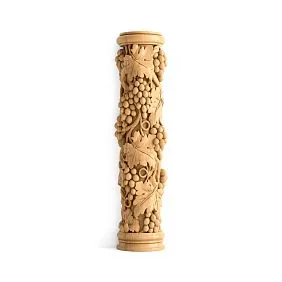
Our factory also produces:




Cultural significance across different eras
In different historical periods, balustrades and columns carried different symbolic meanings. In antiquity, they symbolized order and harmony; in the Middle Ages, they represented aspirations toward the divine; in the Renaissance, they signified a return to classical ideals of beauty.
Interestingly, in different cultures, these architectural elements acquired their own unique characteristics. For example, in Eastern architecture, columns were often more slender and elegant than in the West, and balustrades could be adorned with complex geometric patterns reflecting Islamic tradition’s avoidance of depicting living beings.
In Russia, balustrades and columns gained widespread popularity from the 18th century, when, following Peter I’s decree, active construction in European styles began. The palaces and estates of Russian nobility were adorned with refined balustrades, often crafted from marble or cast iron.
Get Consultation
Materials and Manufacturing Technologies
Traditional Materials
Historically, balustrades and columns were made from natural materials, each with its own advantages and specific applications:
- Stone — marble, granite, limestone. These materials are distinguished by durability, strength, and natural beauty. Marble balustrades, for example, still adorn many historic buildings, preserving their elegance and nobility for centuries. However, working with stone requires high craftsmanship and specialized tools, making such items relatively expensive.
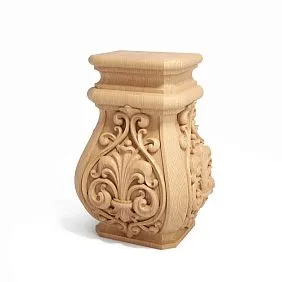
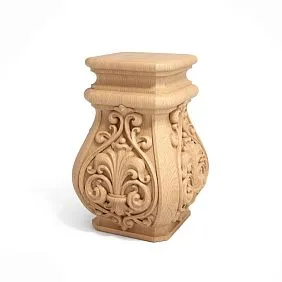
- Wood — oak, beech, ash, walnut. Wooden balustrades columns were always valued for the warmth and coziness they brought to interiors. Wood is easily carved, allowing for the creation of complex decorative elements. With proper treatment and maintenance, wooden balustrades can last for decades, retaining their beauty and strength.
- Metal — cast iron, bronze, wrought iron. Metal balustrades became especially popular in the 19th century, when advances in metallurgy enabled the creation of delicate, elegant structures. Cast iron casting is characterized by high strength and durability, while wrought iron items possess uniqueness and artistic value.
Modern innovations
Today, production technologies balustrades columns have advanced significantly, offering new materials and manufacturing methods:
- Polymer concrete — a material combining the strength of concrete with the lightness of polymers. Polymer concrete products can mimic the texture and color of natural stone, yet they are lighter, cheaper, and easier to install.
- Fiberglass — a modern composite material distinguished by high strength, lightness, and resistance to atmospheric effects. Fiberglass balustrades can imitate any traditional materials, from marble to wood.
- Aluminum — a lightweight, strong, and corrosion-resistant metal increasingly used for manufacturing balustrades in modern buildings. Aluminum balustrades can be painted in any color or have an anodized coating mimicking bronze or brass.
- 3D printing — an innovative technology enabling the creation of balustrades with complex shapes at minimal time and material costs. Using a 3D printer, one can reproduce historical balustrade samples or create unique original designs.
Despite the emergence of new materials, traditional natural materials have not lost their popularity. For example, wooden balustrades are still highly valued for their ecological properties, aesthetic qualities, and ability to create a warm, cozy atmosphere in interiors.
Architectural styles and their influence on balustrade design
Classic styles
In classical architecture Balustrade Columns plays a crucial role in shaping the overall appearance of a building. Each architectural style has its distinctive features:
- Renaissance — balustrades from this period are characterized by harmonious proportions and restrained decoration. Balusters often take the shape of vases or gourds, and columns follow classical orders, especially Ionic and Corinthian.
- Baroque — this style is characterized by lavish, dynamic forms. Baroque balustrades are adorned with intricate carvings, volutes, and plant motifs. Columns may be twisted or decorated with relief.
- Rococo — distinguished by elegance and asymmetry. Rococo balustrades often feature curved lines and are decorated with shell, floral, and scroll motifs.
- Neoclassicism — a return to strict ancient forms. Neoclassical balustrades have clear, minimalist lines, and columns strictly adhere to the proportions of classical orders.
- Empire — a monumental style characterized by massive forms and military symbolism. Empire balustrades are often adorned with images of eagles, laurel wreaths, and military trophies.
Modern trends
In modern architecture, balustrades and columns acquire a new sound, reflecting current trends and technological possibilities:
- Minimalism - simple, concise forms, absence of decoration, use of modern materials (glass, metal, concrete). Minimalist balustrades often consist of simple horizontal rails on vertical posts.
- High-tech - use of high-tech materials (stainless steel, glass, composites), emphasizing the technical character of structures. Balustrades in the high-tech style may include LED lighting, cable systems, glass panels.
- Eco-style - emphasis on natural materials and eco-friendliness. Balustrades in eco-style are often made from untreated wood, bamboo, stone, preserving their natural texture.
- Fusion - blending of different styles and eras. Balustrades in fusion style may combine classical forms with modern materials or, conversely, modern forms with traditional decorative techniques.
- Parametricism - a new direction in architecture based on using computer algorithms to create complex, organic forms. Parametric balustrades may have smooth, flowing lines resembling natural structures.
Functional role of balustrades and columns
Constructive Role
Beyond decorative function, Balustrade Columns they perform an important structural role:
- Columns serve as supports for floors, arches, and vaults. They evenly distribute loads and transfer them to the foundation. In modern architecture, columns are often part of a building's structural frame.
- Balustrades ensure safety, preventing falls from height. They are installed on staircases, balconies, terraces, along edges of height differences.
- The combination of balustrades and columns creates a stable structure capable of withstanding significant loads, including wind and snow.
Aesthetic and psychological impact
Architectural elements exert a strong influence on the perception of space and a person's emotional state:
- Vertical rhythm of columns creates a sense of solemnity, grandeur, and upward aspiration. Columnar galleries in temples and public buildings psychologically tune a person to a higher plane.
- Horizontal lines of balustrades balance verticals, creating a sense of stability and calm. They visually expand space, making it more harmonious.
- Play of light and shadow on textured surfaces of balustrades and columns adds depth and expressiveness to space, making it more lively and dynamic.
- Tactile sensations from touching a balustrade - smooth marble, warm wood, or cool metal - complement visual perception, enriching sensory experience.
Application of balustrades and columns in modern design
Exterior solutions
In exterior building design, balustrades and columns continue to play an important role:
- Facades - columns can serve as both a structural element and a decorative accent, highlighting the status of the building. Modern architects often reinterpret classical forms, creating columns of unusual shapes or made from non-traditional materials.
- Terraces and verandas - balustrades serve not only as barriers but also as decorative elements defining the style of the entire exterior. For country houses, wooden balustrades are popular; for city mansions, stone or metal ones.
- Garden architecture - pavilions, pergolas, and gazebos with columns and balustrades create a romantic atmosphere reminiscent of classical parks. Modern garden balustrades are often made from weather-resistant materials - polymer concrete, fiberglass, or specially treated wood.
- Landscape design - balustrades can be used to decorate retaining walls, bridges, viewing platforms. They help structure garden space, creating clear boundaries between different functional zones.
Interior solutions
Inside rooms Balustrade Columns find equally diverse applications:
- Staircases - balustrades are a key design element of staircases, defining their style and character. In classical interiors, carved wooden balustrades are popular; in modern interiors, combinations of metal and glass are common.
- Inter-level partitions - in two-story apartments and houses, balustrades are often used to enclose the second level, creating a visual connection between floors.
- Space zoning - columns can serve as zoning elements in spacious rooms, visually separating, for example, a living room and dining room, while maintaining spatial unity.
- Decorative elements - miniature columns can be used as stands for sculptures, vases, or flowers. Fragments of balustrades can become original wall decor or even furniture items.
Technical aspects of design and installation
Strength and stability calculation
When designing balustrades and columns, numerous technical parameters must be considered:
- Loads - static (weight of the structure and permanent loads), dynamic (wind, snow loads, human impact), seismic (in seismically active areas).
- Materials - their strength characteristics, durability, resistance to atmospheric effects, temperature fluctuations, and biological factors.
- Geometry - optimal proportions ensuring both aesthetic qualities and structural reliability. For example, the height of a balustrade should be at least 90-110 cm to ensure safety.
- Connections - methods of attaching balusters to handrails and bases, joining individual sections of balustrades, and securing columns to foundations and floors.
Installation features of various types of balustrades
The installation process of balustrades and columns depends on their type, material, and specific conditions:
- Stone balustrades require a strong foundation capable of supporting their significant weight. Individual elements are connected using special adhesives or metal fasteners.
- Wooden balustrades are installed with consideration for possible dimensional changes in wood due to humidity fluctuations. Elements are joined using dowels, slots, glue, and screws.
- Metallic balustrades are secured using welding, bolted connections, and special fasteners. It is important to provide anti-corrosion protection at connection points.
- Glass balustrades require special precision during installation. They can be mounted in special profiles, point holders, or clamping systems.
Maintenance and restoration
Methods of preservation and restoration
To preserve the beauty and functionality of balustrades and columns, regular maintenance and timely restoration are required:
- Stone items require periodic cleaning from dirt, treatment with hydrophobic compounds to protect against moisture, and restoration of chips and cracks using special compounds.
- Wooden balustrades require regular renewal of protective coatings (varnish, oils, paints), protection against insect pests, and restoration of damaged elements by insertion or complete replacement.
- Metallic structures require protection against corrosion, renewal of paint coatings, correction of deformations, and replacement of worn fasteners.
- Restoration of historical balustrades and columns is a specialized field requiring specific knowledge and skills. Restorers strive to preserve the original material as much as possible, using reversible methods and materials compatible with historical ones.
Modern protective and conservation methods
Today, there are numerous innovative materials for protecting and conserving architectural elements:
- Nanotechnological coatings - create an invisible protective film on the surface, repelling water and dirt, and preventing microbial growth.
- Consolidants - compounds that strengthen the structure of stone or wood without altering their appearance.
- New-generation biocides - protect materials from biological damage (mold, mildew, algae, insects) while being safe for humans and the environment.
- Restoration compounds - replicate the texture and color of original materials while offering improved strength and durability characteristics.
Economic Aspects
Cost and return on investment
Investments in quality balustrades columns have their own economic justifications:
- Initial costs depend on the material, design complexity, and size of the structure. The most expensive are items made of natural stone and artistic casting, while the most affordable are made of modern composite materials.
- The longevity of quality balustrades and columns can reach decades, even centuries, making them a worthwhile long-term investment. Stone and bronze items can serve for centuries, while wooden ones can last for decades with proper care.
- Increasing property value - exquisite architectural details significantly increase the market value of a building. Studies show that homes with classical architectural elements often sell 15-20% higher than similar properties without such details.
- Operating expenses include costs for regular maintenance, periodic restoration, and replacement of individual elements. These expenses can be minimized by choosing high-quality materials and professional installation.
Comparison of different materials and technologies
When selecting material for balustrades and columns, it is important to consider the price-to-quality ratio:
- Natural stone - high cost, maximum durability, prestige, minimal operating expenses.
- Wood - medium cost, good durability with proper care, warmth and eco-friendliness, medium operating expenses.
- Metal - from medium to high cost (depending on metal type and work complexity), high durability, variety of design solutions, low operating expenses.
- Polymer concrete, fiberglass - low cost, good durability, imitation of expensive materials, low operating expenses.
- Glass - from medium to high cost (depending on glass type and mounting system), modern appearance, visual lightness, medium operating expenses.
Ecological aspects
Sustainable development and material selection
In the modern world, ecological aspects of construction and design are gaining increasing importance:
- Material eco-friendliness - natural materials (stone, wood) have minimal carbon footprint and do not emit harmful substances. When choosing wood, it is important to ensure it comes from sustainably managed forests.
- Energy consumption during production - processing stone and wood requires less energy than producing metal or composite materials. However, modern technologies allow reducing energy consumption for these materials as well.
- Recyclability - metal balustrades can be fully recycled at the end of their service life, wooden ones can be used as biomass, stone ones can be crushed into gravel or reused.
- Local production - using local materials and manufacturers reduces carbon footprint by minimizing transportation costs.
Innovative eco-solutions
The modern industry offers innovative eco-friendly solutions for producing balustrades and columns:
- Recycled materials - balustrades made from recycled aluminum, plastic, and composite materials based on recycled glass.
- Bio-composites - materials based on plant fibers (linen, hemp, bamboo) and biodegradable polymers.
- Solar balustrades - innovative structures with integrated solar panels that generate electricity.
- Green columns - structures integrated with vertical greening, improving microclimate and purifying air.
Balustrades and columns in different types of buildings
Residential buildings
In private homes and apartment buildings, balustrades and columns serve both functional and aesthetic roles:
- Private homes - balustrades decorate porches, terraces, balconies, and interior staircases. Columns may be part of a portico or support an awning over the entrance. The style of these elements usually matches the overall architectural solution of the house.
- Townhouses - balustrades are often used to decorate small balconies and terraces, creating a unified architectural ensemble for the entire complex.
- Apartment buildings - in luxury residential complexes, balustrades and columns are used to decorate entrance areas, loggias, and usable rooftops. They emphasize the building's status and create an atmosphere of luxury.
- Penthouses - spacious penthouse terraces are often enclosed by elegant balustrades that not only ensure safety but also create the feeling of being in a classical palace.
In public buildings, balusters perform an important functional role, ensuring the safety of pedestrian movement. Here, strength characteristics and durability of the items are especially important.
In public buildings Balustrade Columns often plays a symbolic role, emphasizing the significance of the institution:
- Government buildings - colonnades and balustrades symbolize stability, reliability, and continuity of traditions. They are often executed in classical style, using natural, durable materials.
- Museums and theaters - these elements highlight the cultural significance of the building, creating a solemn atmosphere. In historical buildings, original balustrades and columns are preserved, while in modern ones, they are often given new interpretations.
- Hotels and restaurants - balustrades and columns create an atmosphere of luxury and comfort. Depending on the establishment's concept, they may be executed in classical, ethnic, or modern styles.
- Shopping centers - in modern shopping malls, these elements are often used in atriums, on escalators, and in rest zones. They help structure large spaces and create memorable interiors.
Industrial and special facilities
Even in utilitarian buildings, balustrades and columns find their application:
- Industrial buildings - functional balustrades are used to enclose service areas, staircases, and passageways. They are made from strong, corrosion-resistant materials.
- Sports facilities - balustrades enclose stands, VIP boxes, and viewing platforms. They must withstand significant dynamic loads.
- Transport terminals - in airports, train stations, and seaports, balustrades and columns often become part of the navigation system, helping to orient visitors in space.
- Medical facilities - in modern clinics, these elements are made from hygienic, easy-to-clean materials, often with antibacterial properties.
Personalization and individual design
Custom Solutions
An individual approach to designing balustrades and columns allows creating unique, memorable solutions:
- Artistic carving - unique patterns, coats of arms, monograms can be carved on wooden or stone balustrades, reflecting the tastes and status of the owner.
- Sculptural elements - balustrades may include sculptural images of people, animals, mythical creatures, creating a unique artistic image.
- Integration with lighting - modern technologies allow embedding lighting systems into balustrades and columns, creating striking illumination and enhancing the expressiveness of architectural forms.
- Combining materials - combining different materials (stone and metal, wood and glass) allows creating original design solutions that reflect the owner's individuality.
Adaptation to special requirements
Modern balustrades columns can be adapted to specific conditions and requirements:
- Accessibility for people with disabilities - balustrades can be designed according to universal design requirements, including additional handrails at convenient heights and tactile elements for visually impaired individuals.
- Safety for children - in households with young children, balustrades are designed to prevent children from slipping between balusters, avoiding sharp corners and protruding elements.
- Climate adaptation - for different climate zones, appropriate materials and structural solutions are selected: moisture-resistant for maritime climates, temperature-resistant for continental climates, UV-resistant for southern regions.
- Seismic resistance - in seismically active areas, balustrades and columns are designed to withstand possible earthquakes, using flexible connections and seismic-resistant materials.
Conclusion: timeless elegance and modern possibilities
Balustrade Columns This is an architectural element that, having passed through millennia, has not lost its relevance in the 21st century. Combining functionality and aesthetics, these elements continue to adorn buildings of various purposes, from private homes to public institutions.
Modern technologies have expanded the creative possibilities for architects and designers, offering new materials, production methods, and installation techniques. At the same time, traditional solutions have not lost their value, continuing to embody the ideals of classical beauty and harmony.
When choosing balustrades and columns for your project, it is important to consider not only aesthetic preferences but also functional requirements, climate characteristics, and economic possibilities. Properly selected and high-quality architectural elements will delight the eye and serve faithfully for many years.
STAVROS offers a wide range of high-quality balustrades columns and other architectural elements made from solid wood. Years of experience, modern equipment, and highly skilled specialists enable STAVROS to create products that combine traditional craftsmanship with innovative technologies. Whether it's a classic carved balustrade for a historic mansion or a modern minimalist solution for an urban apartment, STAVROS guarantees impeccable quality, strict adherence to deadlines, and an individual approach to every project.