Article Contents:
- Philosophy of architectural harmony
- Origins of architectural tradition
- Variety of forms and styles
- Precision-crafted balusters: classic elegance
- Carved balusters: art in wood
- Flat balusters: modern functionality
- Materials: choice for durability and beauty
- Wood: natural beauty and eco-friendliness
- Natural stone: eternal beauty
- Metal: modernity and reliability
- Functional aspects: safety and comfort
- Safety requirements
- Ergonomic features
- Stylistic solutions for different architectural styles
- Classic style: Eternal elegance
- Russian style: national character
- Scandinavian style: minimalism and functionality
- Modern Style: Innovations and Experiments
- Manufacturing technologies: from traditions to innovations
- Handcrafted work: uniqueness of each item
- Machine production: precision and economy
- Combined technologies: the best of both worlds
- Installation and mounting: professional approach to every detail
- Preparatory work
- Fastening technology
- Final finishing
- Care and maintenance: preserving beauty for years
- Care for Wooden Balusters
- Care for stone balusters
- Care for Metal Balusters
- Economic aspects: investments in beauty and functionality
- Factors Affecting Cost
- Cost Optimization
- Long-term perspective
- Trends in development: looking into the future
- Eco-Friendly Materials
- Smart technologies
- Customization
- Conclusion

A veranda is not just an addition to a house, it is a place where a special atmosphere of coziness and harmony is born. Here, one welcomes sunrises with a cup of aromatic coffee, spends evenings with family, receives guests. And precisely balusters for verandas they become those elegant details that transform an ordinary structure into a true work of architectural art.
What makes these decorative posts so significant in creating a unique veranda appearance? Why are they capable of radically changing the perception of the entire structure? Let's dive into the wonderful world of architectural beauty and functionality.


Philosophy of architectural harmony
Each veranda tells its own story. One embodies classic rigidity, another breathes rustic coziness, and the third impresses with modern minimalism. And in each of these stories, the veranda balusters play the role of main narrators, creating a unique architectural dialogue between the house and its surrounding space.
Imagine a veranda without these elegant vertical elements — it loses its completeness, becoming an ordinary platform with railings. But once properly selected balusters are installed, the space transforms, acquires character and individuality.




Origins of architectural tradition
The history of balusters traces back to deep antiquity. Their name derives from an ancient Greek word meaning "pomegranate flower," which already speaks for itself about the ancient masters' pursuit of beauty and elegance. These architectural elements have traveled a long path from Assyrian royal palaces to modern suburban homes, retaining their core function — the harmonious blend of practicality and aesthetics.
During the Renaissance, balusters became a symbol of aristocracy and refined taste. Great architects of that time used them not merely as functional elements, but as a means of artistic expression, capable of imparting a unique expressiveness and nobility to a structure.
Our factory also produces:


Variety of forms and styles
Modern veranda balusters impress with a variety of forms, styles, and finishes. Each type has its own characteristics and application area, enabling the creation of unique architectural solutions for any building style.
Get Consultation
Turned balusters: classical elegance
Turned balusters represent the embodiment of classical canons of beauty. Their smooth lines and symmetrical forms create a sense of harmony and completeness. These items are crafted on lathes, allowing for perfect geometry and flawless surface finish.
The distinctive feature of turned balusters is their versatility. They look equally well in classical interiors as well as in modern minimalist solutions. Their restrained elegance does not overload the space, but rather imparts it with nobility and refinement.
Carved balusters: art in wood
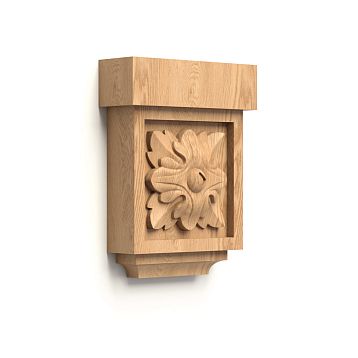
Carved balusters are true works of art, created by talented masters. Each element here is meticulously designed: from the overall composition to the finest details of ornamentation. Such balusters for verandas can transform an ordinary extension into a true architectural masterpiece.
Carving can vary in complexity and style. Simple geometric patterns suit Scandinavian or modern styles, while intricate floral ornaments become an ideal complement for homes in Russian or classical styles.
Flat balusters: modern functionality
Flat balusters represent a more modern solution, especially popular in recent years. Their main advantage is the ability to create a continuous decorative pattern, where each element is part of the overall design.
These balusters are installed closely together, forming a unified composition. This not only ensures reliable protection but also creates a unique decorative effect, transforming the veranda railing into a true work of art.
Materials: choice for durability and beauty
Choosing a material for veranda balusters is not only an aesthetic question, but also a practical one. Each material has its advantages and characteristics that must be considered when planning construction or veranda renovation.
Wood: natural beauty and eco-friendliness
Wood remains the most popular material for making balusters. This is not accidental — wood combines natural beauty, eco-friendliness, and relative ease of processing. Each wood species has its unique characteristics and application area.
Oak — the king among wood species. Its strength and durability are legendary. Oak balusters can serve for decades without losing their functional qualities. The noble texture of oak imparts the veranda with a special solidity and respectability.
Larch — ideal choice for regions with harsh climates. This species possesses natural resistance to moisture and temperature fluctuations. Larch balusters do not require frequent treatment with protective compounds, making them especially practical for outdoor use.
Spruce — a democratic option that does not fall short in beauty compared to more expensive species. Properly treated spruce serves long and reliably, and its light tone is perfect for creating light, airy veranda interiors.
Natural stone: eternal beauty
Stone balusters — a choice for those who value solidity and monumentality. Granite, marble, sandstone — each of these materials can impart the veranda with a unique character and highlight the owner's status.
The main advantage of stone balusters is their practically unlimited service life. They are not afraid of any weather conditions, require no special care, and over time become even more beautiful, acquiring a noble patina of time.
Metal: modernity and reliability
Wrought and cast metal balusters open up boundless creative possibilities. Metal allows creating the most complex and refined forms that cannot be realized in other materials.
Modern corrosion protection technologies for metal make such balusters practically eternal. They are not afraid of rain, snow, or temperature fluctuations, maintaining their original appearance for many years.
Functional aspects: safety and comfort
Balusters for verandas are not only decorative elements but also important functional components that ensure safety and comfort of space usage. Properly designed and installed balusters create a reliable barrier that protects against accidental falls and provides convenient support.
Safety requirements
Modern building codes establish clear requirements for the height and strength of railings. The height of the balustrade should be at least 90 centimeters, and the distance between balusters should not exceed 15 centimeters. These requirements are especially important if there are small children in the house.
Ergonomic features
Ergonomic features
The convenience of using a veranda largely depends on the proper design of the railing. Handrails should have a comfortable grip shape and be positioned at an optimal height. The surface should be smooth, free of burrs and sharp edges that could cause injury.
Special attention should be paid to joints and connections. They should be made in such a way as to eliminate the possibility of clothing getting caught or injury from accidental contact.
Stylistic solutions for different architectural styles
The choice of balusters for a veranda is largely determined by the overall architectural style of the house and the owner's personal preferences. Each style has its own distinctive features and requires a corresponding approach to selecting decorative elements.
Classic Style: Eternal Elegance
The classical style never goes out of fashion. It is based on principles of harmony, proportionality, and restrained luxury. balusters for verandas In the classical style, balusters are characterized by strict geometric forms, symmetry, and noble proportions.
Typical elements of classical balusters include smooth transitions between different parts, clearly defined bases and capitals, restrained decoration. The color palette is usually limited to natural shades of wood or stone, sometimes complemented by white or cream colors.
Russian style: national character
Russian architectural style is characterized by rich decoration, complex forms, and an abundance of carved elements. Balusters in the Russian style impress with the skill of execution and the depth of artistic concept. Here you can find floral ornaments, geometric patterns, and stylized depictions of animals and birds.
A distinctive feature of the Russian style is the pursuit of maximum expressiveness of each element. Balusters here are not merely functional details, but full-fledged works of decorative-applied art capable of telling a whole story.
Scandinavian style: minimalism and functionality
The Scandinavian style has gained popularity due to its practicality and simplicity. Balusters in this style are characterized by simple forms, absence of excessive decoration, and emphasis on the natural beauty of the material.
The main principles of the Scandinavian style are functionality, eco-friendliness, and comfort. Balusters here serve primarily practical purposes, and their beauty lies in perfect proportions and quality of execution.
Modern style: innovations and experiments
The modern style opens up boundless opportunities for experimenting with forms, materials, and colors. Here you can encounter ultra-modern metal constructions, unusual combinations of various materials, and bold color solutions.
The main feature of the modern style is the freedom of creativity and the absence of rigid canons. Balusters can have the most unexpected shapes and serve not only functional but also artistic roles, becoming true art objects.
Manufacturing technologies: from traditions to innovations
Modern manufacturing technologies for veranda balusters combine centuries-old craftsmanship traditions with the latest technical achievements. This allows creating products that are not only beautiful but also meet the highest standards of quality and durability.
Handmade: uniqueness of each item
Handmade balusters are an art passed down from generation to generation. Each item created by a master's hands is unique and irreplaceable. Even when producing a series of identical balusters, each one will have its own characteristics, giving the entire structure a special liveliness and expressiveness.
Hand carving allows creating the most complex and refined ornaments that cannot be reproduced by machine. The master can take into account all the features of the material, its texture and structure, creating a truly perfect item.
Machine production: precision and economy
Modern machine production allows manufacturing balusters with high precision and in large quantities. This makes quality products more accessible and enables the implementation of large-scale projects.
CNC machines are capable of reproducing the most complex shapes with millimeter precision. This is especially important when manufacturing serial products, where each baluster must be absolutely identical to the others.
Combined technologies: the best of both worlds
The most promising approach is combining machine and hand production. The main form of balusters is manufactured on a machine, ensuring geometric accuracy and high surface quality. Then, the item is hand-finished, allowing unique details to be added and giving it individuality.
This approach allows combining the economic efficiency of machine production with the artistic possibilities of handcraft, creating items that meet the highest standards.
Installation and mounting: a professional approach to every detail
The quality of installing balusters for verandas is no less important than the quality of the items themselves. Proper mounting ensures not only the reliability and longevity of the structure, but also its aesthetic appeal.
Preparation Work
The success of the entire project largely depends on the quality of preparatory work. First and foremost, it is necessary to carefully measure all dimensions and create a detailed installation plan. This will help avoid errors and ensure perfect fitting of all elements.
Special attention should be paid to preparing the foundation. It must be perfectly level, strong, and capable of supporting the load of the entire structure. Any unevenness or defects in the foundation may lead to problems during operation.
Fastening Technology
There are several ways to mount balusters, each with its own advantages and area of application. The choice of a specific method depends on the material of the balusters, the type of foundation, and the operating conditions.
The most common method is mounting using tenons and mortises. This method ensures a strong connection and allows the structure to be disassembled if necessary without damaging the elements.
For heavy stone balusters, mounting on special metal sleeves, which are embedded into the foundation, is used. This method ensures maximum strength and durability of the connection.
Final finishing
After installation, all elements of the structure must undergo final finishing. This includes sanding joints, removing minor defects, and applying protective coatings.
The quality of final finishing largely determines the appearance of the finished structure. Even the highest quality balusters may look unattractive if the installation is done carelessly.
Maintenance and care: preserving beauty for many years
Proper care of balusters for verandas — a guarantee of their longevity and preservation of their original beauty. Each material requires its own approach and special care products.
Care for wooden balusters
Wood is a living material that requires regular attention and care. The main enemies of wood are moisture, ultraviolet radiation, and insect pests. Protection against them is provided by special impregnations and lacquer coatings.
Regular cleaning from dust and dirt not only maintains an attractive appearance but also prevents moisture accumulation, which can lead to rot. For cleaning, use soft brushes and special agents that do not damage the protective coating.
Renewing the protective coating should be done every 2-3 years, depending on operating conditions. This will help preserve not only the appearance but also the structural integrity of the wood.
Care for stone balusters
Natural stone is one of the most durable materials, but it also requires certain care. The main task is protection against contamination and maintaining the natural beauty of the material.
Regular cleaning with water and mild detergents will help remove surface contaminants. For more serious stains, special agents may be required, selected depending on the type of stone.
Some types of stone require periodic treatment with protective compounds that prevent moisture penetration and salt formation.
Care for metal balusters
Metal balusters require protection against corrosion. Modern coatings provide reliable protection for many years, but periodic inspection and renewal of coatings in damaged areas are necessary.
Cleaning of metal surfaces should be done using non-abrasive agents to avoid damaging the protective coating. When corrosion spots are detected, they should be immediately cleaned and treated with anti-corrosion compounds.
Economic aspects: investments in beauty and functionality
Choosing balusters for verandas is not only an aesthetic issue but also a wise investment. Quality items can serve for decades, paying for themselves through longevity and minimal maintenance costs.
Factors Affecting Cost
The cost of balusters depends on many factors: material, manufacturing complexity, production method, size, and quantity. The most affordable are simple turned balusters made of pine; the most expensive are carved items made of precious wood or natural stone.
However, when assessing cost, it is important to consider not only initial expenses but also operating costs. Low-quality, inexpensive items may require frequent repairs or replacement, which in the end will cost more than purchasing quality balusters.
Cost Optimization
There are several ways to optimize costs without compromising quality. One of them is choosing the optimal price-to-quality ratio. Not always the most expensive items are the best choice for a specific project.
Another approach is combining different materials and technologies. For example, one can use simple balusters for the main part of the railing and a few decorative elements for accents.
Long-term perspective
When planning the budget, it is important to consider the long-term perspective. Quality balusters not only last longer but also require less maintenance. Moreover, they increase the overall property value, which is especially important when planning to sell the house in the future.
Trends in development: looking toward the future
The world of architecture and design is constantly evolving, and veranda balusters are not left out of these processes. Modern trends are focused on seeking new materials, technologies, and design solutions.
Eco-Friendly Materials
Growing attention to environmental issues stimulates the development of new materials and technologies. Composite materials, combining the advantages of various components while being completely safe for the environment, are emerging.
Recycled materials are also finding increasing application. Balusters made from recycled plastic or composite materials based on wood waste combine eco-friendliness, durability, and an attractive appearance.
Smart Technologies
Integrating smart technologies into architectural elements is another promising trend. Balusters with built-in lighting, motion sensors, or even security systems no longer seem like science fiction.
Such solutions not only enhance functionality but also open up new opportunities for creating unique design effects.
Customization
Modern technologies allow creating fully customized solutions for each project. 3D modeling and printing, laser cutting, and other innovative methods make it possible to manufacture unique balusters according to individual sketches.
This opens up boundless creative possibilities and allows creating truly unique architectural solutions.
Conclusion
Veranda balusters are much more than just functional railing elements. They are an important part of the architectural appearance of a house, capable of radically changing the perception of the entire structure. Properly selected and professionally installed balusters transform an ordinary veranda into a place where one wants to spend time, where a special atmosphere of coziness and harmony is born.
Choosing balusters is a responsible decision that requires consideration of many factors: from the architectural style of the house to the climatic conditions of the region. But with the right approach, the result will exceed all expectations, creating not just a beautiful, but also functional space that will delight owners for many years.
In a world where technology develops at an incredible speed, it is important not to forget about timeless values — beauty, quality, and craftsmanship. balusters for verandas They embody these principles, combining tradition and innovation, functionality and aesthetics.
STAVROS Company has been a recognized leader in the production of high-quality architectural elements made of solid wood for many years. Our long-standing experience, modern equipment, and team of talented craftsmen enable us to create products that not only meet the highest quality standards but also embody the best traditions of woodworking. Choosing STAVROS products means investing in beauty, reliability, and longevity, creating a space that will delight you and your loved ones for many years.