Article Contents:
- History of balusters: from ancient columns to modern woodworking masterpieces
- Origin and evolution of balusters through the centuries
- Cultural significance of balusters in different architectural styles
- Variety of materials for baluster manufacturing
- Wooden balusters: the nobility of natural material
- Stone and concrete balusters: eternal classic
- Metallic balusters: strength and elegance
- Glass and composite balusters: innovations in design
- Styles and forms of balusters: from classicism to avant-garde
- Classic baluster forms and their features
- Modern design solutions for baluster decoration
- Ethnic and regional characteristics of balusters
- Technical aspects of baluster selection and installation
- Calculation of baluster and railing parameters
- Technologies for mounting and installing balusters
- Maintenance and care of balusters made from various materials
- Balusters in modern interiors and exteriors
- Railings as elements of architectural composition
- Balusters in various interior styles
- Landscape solutions using balusters
- Manufacturing and restoration of balusters
- Traditional technologies for manufacturing wooden balusters
- Modern industrial methods of producing balusters
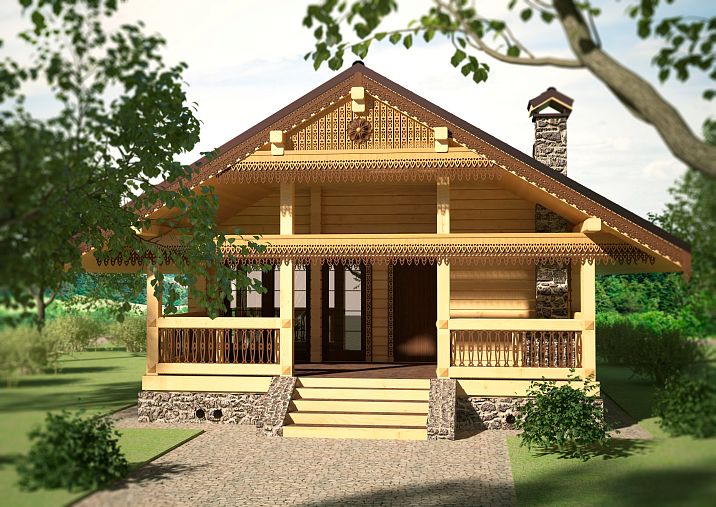
In the world of architectural design, there are elements capable of transforming ordinary space into a work of art. One such element is balusters for railings – elegant vertical posts forming the basis of railings and giving staircases, terraces, and balconies a unique appearance. These architectural details, rooted in antiquity, are experiencing a true rebirth today, becoming not just functional elements but also striking accents in interior and exterior design.
Modern balusters for railings – a harmonious blend of centuries-old woodworking traditions and innovative manufacturing technologies. They embody not only aesthetic beauty but also the highest functionality, ensuring the safety and longevity of structures. In this article, we will delve into the wonderful world of balusters, uncover their historical significance, diversity of forms and materials, and share secrets for choosing the perfect balusters for your space.


History of balusters: from ancient columns to modern woodworking masterpieces




Origin and evolution of balusters through the centuries
The history of balusters spans millennia, tracing its roots to the architecture of ancient Assyria and Egypt. Initially, these elements were miniature columns supporting railings. The term 'baluster' derives from the Italian 'balaustro', meaning 'wild pomegranate'—the shape of the first balusters of the Renaissance period resembled the flower of this plant.
In ancient Greece and Rome, balustrades with elegant balusters adorned temples and palaces, symbolizing the status and wealth of their owners. The Middle Ages introduced Gothic motifs into baluster design—elongated forms and pointed elements. The Renaissance gifted the world with classical balusters, characterized by the shape of a vase or pear, which are still considered the epitome of elegance.
They combine the best traditions of the past with innovative design approaches. They can be either classical or avant-garde, but invariably remain a symbol of refined taste and attention to detail.
Modern balusters for railings They combine the best traditions of the past with innovative design approaches. They can be either classical or avant-garde, but invariably remain a symbol of refined taste and attention to detail.
Our factory also produces:


Cultural significance of balusters in different architectural styles
Balusters have always been more than just a functional element—they reflected the spirit of the era and the cultural values of society. In Renaissance Italy, richly decorated balustrades demonstrated the skill of stone and wood carvers. In the French palaces of the Louis XIV era, gilded balusters symbolized royal power and grandeur.
In Russian architecture of the 18th-19th centuries, balusters acquired a distinctive national character, blending European traditions with local motifs. Wooden carved balusters became an indispensable part of the Russian terem, while stone balusters adorned the palace ensembles of St. Petersburg.
In Victorian England, complex balustrades with turned balusters emphasized the status of the bourgeoisie, while in colonial American architecture, balusters became a symbol of connection to European roots.
Today, balusters continue to play an important role in shaping the architectural appearance of buildings and interiors. They can preserve historical authenticity in restoration projects or create ultra-modern compositions in avant-garde spaces.
Get Consultation
Variety of materials for manufacturing balusters
Wooden balusters: the nobility of natural material
Wood remains the most popular material for making balusters, and this is not surprising. Wooden balusters for railings possess unparalleled warmth, ecological friendliness, and aesthetic appeal. Each type of wood imparts a unique character to balusters:
- Oak – symbol of strength and durability. Oak balusters withstand significant loads, are resistant to moisture and mechanical damage. Their noble texture and warm golden hue make them ideal for classical interiors.
- Beech – a universal material with a uniform structure, allowing the creation of balusters with complex shapes and finely detailed work. Beech balusters are distinguished by their light tone and elegance.
- Ash – a strong and elastic wood with a distinctive texture. Ash balusters are easily stained, allowing for various color effects.
- Walnut – a luxurious dark brown material with a silky sheen. Walnut balusters become a focal point in interiors, symbolizing status and refined taste.
- Larch – the champion of longevity among coniferous species. Larch balusters are ideal for exterior balustrades due to their high resistance to atmospheric effects.
Modern wood processing technologies allow creating balusters of any complexity – from classical turned forms to original designer solutions. Special impregnations and lacquers provide protection against moisture, ultraviolet radiation, and biological damage, significantly extending the service life of wooden balusters.
Stone and concrete balusters: eternal classic
Stone – a material tested over millennia. Stone balusters embody monumentality and solidity, becoming not just a decorative element, but a true architectural statement.
- Marble – the aristocrat among stones. Marble balusters, with their unique vein patterns and noble sheen, create an atmosphere of palace luxury. They are ideally suited for classical interiors and exteriors in Mediterranean style.
- Granite – symbol of strength and durability. Granite balusters can withstand extreme loads and atmospheric effects, retaining their original appearance for centuries. The variety of granite shades allows selecting balusters to match any color scheme.
- Limestone – a warm and malleable material, allowing the creation of balusters with delicate carving and complex decoration. Limestone balusters with a patina of time impart a unique charm to spaces reminiscent of old estates.
- Artificial stone and concrete – a modern alternative to natural stone. Technologies allow creating balusters indistinguishable from marble or granite, yet significantly more affordable. Concrete balusters can imitate any texture and color, while possessing high strength and frost resistance.
Stone balusters are especially effective in landscape design – they harmoniously blend with natural surroundings, creating majestic balustrades for terraces, park staircases, and viewing platforms.
Metallic balusters: strength and elegance
Metal opens up boundless possibilities for creating balusters of the most diverse forms – from strict geometric to delicate artistic compositions.
- Wrought iron – the classic of artistic metalworking. Wrought iron balusters can be either minimalist and strict or richly decorated with floral motifs, spirals, and scrolls. They fit perfectly into interiors in the styles of classicism, baroque, or art nouveau.
- Brass and bronze – noble metals with a warm golden sheen. Balusters made of these materials become true interior ornaments, especially when combined with wooden railings and steps.
- Stainless steel – a choice for modern minimalist interiors. Steel balusters with chrome or matte surfaces create a sense of lightness and airiness, ideally complementing glass and concrete.
- Aluminum – a lightweight and strong material, resistant to corrosion. Aluminum balusters can imitate any metal thanks to modern coating technologies, while being significantly lighter and easier to install.
Metallic balusters are often combined with other materials – wood, glass, stone – creating original designer solutions. Combined balustrades, where metallic balusters are paired with wooden railings or stone bases, have gained particular popularity.
Glass and composite balusters: innovations in design
Modern technologies have introduced new materials into the world of balusters, opening unprecedented possibilities for design.
- Tempered glass – a revolutionary solution for modern interiors. Glass balusters create a sense of weightlessness, visually expanding the space and allowing maximum light penetration. At the same time, they are completely safe due to the multiple safety factor of tempered glass.
- Acrylic and polycarbonate – transparent materials that imitate glass but are lighter and more impact-resistant. They allow creating futuristic balustrades with a floating effect.
- Composite materials – innovative solutions based on polymers reinforced with fibers. Composite balusters combine lightness, strength, and resistance to atmospheric effects. They can imitate any traditional material – from wood to stone – but require no complex maintenance.
- Polyurethane – a material that allows creating balusters with complex relief and fine detailing. Polyurethane balusters are significantly lighter than wooden or stone counterparts, resistant to moisture and UV radiation, and do not rot or attract insects.
Innovative materials open new horizons for designers, enabling the creation of balustrades that would be impossible using traditional technologies. They are especially in demand in modern architecture, where lightness, transparency, and eco-friendliness are valued.
Styles and shapes of balusters: from classic to avant-garde
Classic baluster shapes and their features
Classical balusters for railings have a recognizable silhouette, formed during the Renaissance and Baroque periods. Their main shapes include:
- Pear-shaped balusters – with a characteristic expansion at the bottom, resembling the shape of a pear or vase. This shape is considered the classic baluster standard and is ideally suited for traditional interiors.
- Column-shaped balusters – slender and elegant, with a uniform diameter throughout their height. They are often adorned with fluting (vertical grooves) in the style of ancient columns.
- Balusters with a taper – featuring a narrowing in the central part, creating a dynamic and graceful silhouette. Such balusters are especially effective in long balustrades, where the rhythmic alternation of expansions and contractions creates a striking play of light and shadow.
- Spiral balusters – with a helical pattern winding around a central axis. They add dynamism and movement to balustrade design, becoming a striking interior accent.
Classic balusters are often adorned with carved elements – acanthus leaves, rosettes, pearls, ovals, and other motifs borrowed from ancient architecture. The proportions of classic balusters adhere to strict rules based on the principles of the golden section, ensuring their harmonious and balanced appearance.
Modern design solutions for balusters
Modern baluster design moves away from strict classical canons, offering bold and original solutions:
- Minimalist balusters – simple geometric forms without decorative elements. They can be made in the shape of simple cylinders, parallelepipeds, or cones, creating clean lines and emphasizing the architectural concept of space.
- Asymmetric balusters – with non-standard placement of elements and a shifted center of gravity. Such balusters become independent art objects, attracting attention with their unusual shape.
- Sculptural balusters – original works that go beyond the traditional understanding of balusters. They may depict human figures, animals, plants, or abstract compositions, transforming the balustrade into a true gallery of art.
- Light balusters – an innovative solution with built-in lighting. Made from transparent or semi-transparent materials, such balusters create a magical atmosphere in the evening, illuminating the space with soft, diffused light.
Modern designers often experiment with material combinations, creating balusters from wood and metal, glass and stone, composites and natural materials. This approach allows achieving unique aesthetic effects and highlighting the individuality of the interior.
Ethnic and regional characteristics of balusters
Balusters in different cultures acquired unique features reflecting local traditions and aesthetic preferences:
- Eastern balusters – distinguished by rich carving with geometric patterns, arabesques, and calligraphic motifs. Moroccan balustrades with delicate balusters create an atmosphere of Eastern fairy tale and luxury.
- Scandinavian balusters – minimalist and functional, with minimal decoration and emphasis on the natural beauty of wood. They often have simple geometric shapes and light finishes characteristic of Nordic design.
- Russian balusters – richly carved with traditional Slavic motifs: solar symbols, plant ornaments, birds, and animals. Wooden carved balusters were an essential part of Russian terem and boyar palaces.
- Mediterranean balusters – primarily made of stone or terracotta, with characteristic rounded shapes and patina of time. They fit perfectly into the architecture of Italian villas and Spanish patios.
- Asian balusters – featuring distinctive motifs of Eastern philosophy and religion. Japanese and Chinese balustrades often include symbolic depictions of dragons, phoenixes, bamboo, and other significant elements in these cultures.
Ethnic characteristics of balusters allow creating authentic interiors reflecting the cultural heritage of different peoples. They become not just decorative elements, but carriers of specific cultural traditions, bringing a unique atmosphere and philosophy into the space.
Technical aspects of baluster selection and installation
Calculation of balustrade and baluster parameters
Correct calculation of balustrade dimensions and proportions is essential not only for aesthetic appeal but also for structural safety. When designing, the following parameters must be considered:
- Balustrade height – according to building codes, it should be at least 90–100 cm from the floor or step surface. For childcare facilities and locations with heightened safety requirements, the height may be increased to 110–120 cm.
- Distance between balusters – a critically important parameter for safety. According to regulations, the distance between balusters must not exceed 10–12 cm to prevent a child from slipping between them.
- Baluster diameter and cross-section – depend on the material of manufacture and the load the balustrade must withstand. For wooden balusters, the optimal diameter is 5–8 cm; for metal, 2–4 cm; for stone, 8–15 cm.
- Baluster spacing – determined based on the total balustrade length and number of balusters. The optimal spacing is 15–20 cm center-to-center between adjacent balusters, ensuring both safety and aesthetic appeal.
- Load on the balustrade – according to building codes, the balustrade must withstand a horizontal load of at least 50 kg/m. For public buildings and areas with large crowds, this value increases to 100 kg/m and above.
Baluster mounting technologies
Technologies for mounting and installing balusters
Secure baluster mounting – the foundation of the balustrade’s longevity and safety. Mounting methods depend on the baluster material and structure type:
- Mounting wooden balusters:
- Dowel joint – a classic method where the baluster has dowels at the ends that fit into corresponding slots in the rail and handrail. This is the most reliable and aesthetically pleasing mounting method.
- Bolted connection – the baluster is secured using a bolt passing through the handrail and base. Mounting points are concealed with decorative caps.
- Mounting on metal pins – holes are drilled in the baluster for metal pins, which are then inserted into corresponding holes in the handrail and base.
- Mounting metal balusters:
- Welded connection – the most robust method, where balusters are welded to the metal frame of the balustrade.
- Threaded connection – balusters have threads at the ends and are screwed into special sockets in the handrail and base.
- Flanged mounting – the baluster has a decorative flange secured to the surface using bolts or screws.
- Installation of stone and concrete balusters:
- Mounting on cement mortar – a traditional method where balusters are set into cement-sand mortar with metal dowels for reinforcement.
- Mounting with adhesive compounds – a modern method using specialized stone adhesives that provide high-strength bonding.
- Mounting on metal frame – balusters have internal holes for metal rods forming a hidden balustrade frame.
- Mounting glass balusters:
- Point mounting – using special clamps or spider systems that secure glass panels without drilling.
- Mounting in profile – glass panels are installed in an aluminum or steel profile mounted on the base.
- Combined mounting – combination of point supports and horizontal rails to enhance structural rigidity.
Regardless of the mounting method chosen, ensure reliable waterproofing at all joints, especially for outdoor balustrades exposed to atmospheric conditions.
Care and maintenance of balusters made from various materials
Proper care of balusters significantly extends their service life and preserves their aesthetic appeal:
- Care for wooden balusters:
- Regular treatment with protective compounds – varnish, oil, or wax – to prevent wood from drying out and cracking.
- Periodic surface polishing to remove minor damage and refresh protective coating.
- Protection from direct sunlight and humidity fluctuations that may cause deformation of wooden elements.
- Treatment with antiseptics to prevent fungal and insect damage, especially for outdoor balustrades.
- Maintenance of metal balusters:
- Regular inspection for corrosion and timely treatment with anti-corrosion compounds.
- Touching up areas with damaged finish to prevent rust spread.
- Periodic polishing of chrome and brass balusters with special compounds to maintain shine.
- Checking the reliability of fastenings and tightening threaded connections as needed.
- Care for stone and concrete balusters:
- Regular treatment with hydrophobic compounds to protect against moisture and prevent efflorescence.
- Cleaning with soft brushes and special non-acidic cleaning agents.
- Filling cracks and chips with special repair compounds matched to stone color and texture.
- Periodic inspection of the foundation and base of the balustrade to prevent settlement and deformation.
- Maintenance of glass balusters:
- Regular cleaning of dust and fingerprints with special glass cleaning agents.
- Checking the integrity of glass panels and reliability of fasteners.
- Protection against mechanical damage, especially in areas with heavy traffic.
- Timely replacement of damaged elements to ensure structural safety.
Preventive maintenance of balustrades is recommended at least twice a year, and for outdoor structures — before and after the winter season, when the risk of damage from temperature and humidity fluctuations is highest.
Balusters in modern interior and exterior design
Balustrades as elements of architectural composition
Balustrades with elegant balusters play an important role in shaping the architectural appearance of a building, fulfilling both functional and aesthetic purposes:
- Terrace and balcony balustrades — create safe barriers while simultaneously forming an expressive facade silhouette. They can emphasize horizontal divisions of the building, create rhythmic compositions, and serve as transitional elements between architecture and surrounding landscape.
- Parapets and attic balustrades — balustrades crowning the top of a building, visually increasing its height and creating an expressive facade finish. Such balustrades often have decorative functions and may include complex compositions of balusters of various shapes.
- Guardrails for retaining walls and staircases — form the architectural appearance of landscape compositions, linking different levels of the site into a unified ensemble. Balustrades of open staircases often become central elements of park compositions, creating grand perspectives and scenic viewpoints.
- Decorative screens and space dividers — modern applications of balustrades in architectural interiors. Lacy baluster constructions can serve as semi-transparent partitions, creating zoning without fully separating space.
In modern architecture, balustrades are often used as references to historical styles, creating a dialogue between tradition and innovation. They can be exact replicas of historical examples in restoration projects, or creative interpretations of classical forms in a modern context.
Balusters in various interior styles
balusters for railings remarkably versatile and can seamlessly fit into interiors of various stylistic directions:
- Classic style — requires strictly proportional balusters with symmetrical shapes, often with carved elements. Preferred materials are noble woods (oak, walnut, mahogany) or natural stone (marble, limestone). Balustrades in the classical style are characterized by monumentality and grandeur, emphasizing the status and respectability of the space.
- Baroque and Rococo – suggest richly decorated balusters with abundant carved elements, gilding, and complex curved forms. Such balustrades become true works of art and central elements of interior design, showcasing the virtuosity of master carpenters.
- Neoclassicism – returns to strict classical forms, but with a modern interpretation. Balusters have clear proportions, minimal decoration, and noble restraint. They are often executed in monochromatic color schemes, emphasizing the purity of lines and forms.
- Art Deco – combines geometric clarity with luxurious materials. Balusters in this style may be crafted from exotic woods, polished metal, or marble with contrasting veins. Characterized by stepped forms, zigzag motifs, and contrasting color combinations.
- Minimalism – prefers simple geometric forms without decorative elements. Balusters may be made as sleek cylinders, rectangular posts, or thin metal rods. Often, combinations of metal and glass are used, creating an effect of lightness and transparency.
- Loft – embraces industrial aesthetics with the use of raw materials. Balusters may be crafted from aged metal, pipes, industrial profiles, or roughly processed wood. Characterized by the combination of various textures and intentional ruggedness of forms.
- Scandinavian style – values naturalness and functionality. Balusters are made from light-colored woods with minimal processing, highlighting the natural beauty of the material. Forms are simple and concise, often featuring elements of traditional Scandinavian design.
- Eco-style – focuses on natural materials and organic forms. Balusters may be crafted from unprocessed tree trunks, bamboo, rattan, or recycled materials. Characterized by asymmetry and preservation of the natural texture of materials.
The choice of balustrade style should harmonize with the overall interior concept, supporting its main lines and accents. Balusters can serve as either a neutral background element or a striking accent, setting the tone for the entire space.
Landscape solutions using balusters
Balustrades with balusters play an important role in organizing garden space, creating architectural accents and functional zones:
- Terraces and verandas – balustrades not only ensure safety but also create a transitional zone between the house and the garden. The material of balusters often complements the house’s architecture, forming a unified ensemble. Popular are stone, concrete, or wooden balusters, resistant to atmospheric effects.
- Garden staircases – balustrades emphasize their direction and rhythm, creating grand perspectives. Particularly striking are wide grand staircases with massive balusters leading to central elements of landscape composition – fountains, gazebos, or viewing platforms.
- Retaining walls and terrain elevations – balustrades visually soften sharp height differences, creating smooth transitions between garden levels. They can serve as a base for vertical greening, where climbing plants are planted between balusters.
- Bridges and crossings – balustrades ensure safety while simultaneously creating a romantic atmosphere. Traditional wooden or wrought iron balusters on garden bridges become a classic element of landscape design.
- Water feature framing – balustrades around ponds and fountains create a clear boundary between water and land, preventing accidental falls while simultaneously forming an impressive reflection on the water surface.
In landscape design, the choice of baluster materials is especially important, as they must withstand temperature fluctuations, humidity, ultraviolet radiation, and biological influences. Optimal options include natural stone, specially treated wood, concrete with protective impregnation, or metal with anti-corrosion coating.
A modern trend is combining classical balustrades with contemporary landscape design elements – lighting, built-in flowerbeds, or automated irrigation systems. This approach allows creating unique garden compositions that blend traditional aesthetics with modern technologies.
Manufacturing and restoration of balusters
Traditional technologies for manufacturing wooden balusters
Manufacturing wooden balusters – is an art requiring skill and understanding of material properties. Traditional techniques, passed down from generation to generation, include:
- Turning – a classic method of creating balusters, where the blank rotates around its axis, and the craftsman uses special chisels to form the desired profile. This method allows creating balusters with perfectly symmetrical cross-sections and smooth transitions between elements.
- Hand carving – used to create decorative elements on balusters – botanical ornaments, heraldic motifs, fluting, and other embellishments. The craftsman uses a set of chisels of various shapes, sequentially removing excess material and forming relief.
- Carving with a milling machine – a technology for creating balusters with asymmetrical cross-sections or complex shapes. The blank is sequentially processed from different sides on a milling machine, forming edges and transitions according to a template.
- Segmental assembly – a method allowing the creation of large and complex balusters from several parts. Individual elements are manufactured independently and then joined using glue and dowels to form a single structure.
The traditional process of manufacturing a wooden baluster includes several stages:
- Material selection and preparation – the wood must be well-dried (moisture content no more than 8–12%), free of knots and cracks in areas intended for decorative elements.
- Blank creation – the timber is processed to achieve the correct geometric shape, serving as the basis for further work.
- Marking main elements – boundaries of future transitions, expansions, and contractions are marked on the blank.
- Turning or milling – forming the main silhouette of the baluster according to the drawing or pattern.
- Hand finishing – creating decorative elements that cannot be achieved on a machine.
- Sanding – sequential surface processing with abrasive materials of decreasing grit size to achieve ideal smoothness.
- Final finishing – application of protective and decorative coatings (varnishes, stains, waxes, oils) to impart the desired color to the baluster and protect it from external influences.
Traditional techniques require significant time investment but allow for the creation of unique balusters with individual character and the highest level of craftsmanship.
Modern industrial methods of baluster production
Modern baluster production combines traditional techniques with innovative technologies, ensuring high precision, repeatability, and efficiency:
- CNC machining (Computer Numerical Control) – revolutionary technology enabling the creation of balusters of any complexity with micron-level precision. A computer model of the baluster is converted into a program for the machine, which automatically performs all operations for shaping the profile and decorative elements.
- Laser cutting and engraving – technology enabling the creation of highly complex decorative elements on baluster surfaces with incredible precision. Particularly effective for metal and acrylic balusters, as well as for creating inlays in wooden items.
- Injection molding – method of producing balusters from polymers, aluminum alloys, and other materials with low melting temperature. Allows creating items with complex geometry at minimal time investment per unit.
- 3D printing – innovative technology offering limitless possibilities for creating balusters of unique shapes. Particularly effective for prototyping and manufacturing single units with complex geometry.
- Rotational molding – technology for creating hollow balusters from polymer materials. Allows obtaining lightweight yet strong items that mimic heavy stone or wooden balusters while significantly reducing weight.
Industrial baluster production has several advantages:
- High precision and repeatability – all items in a batch are identical, which is critically important for creating harmonious balustrades.
- Efficiency – modern technologies allow significantly reducing production time and lowering the cost of items.
- Ability to work with a wide range of materials – from traditional (wood, metal, stone) to innovative composites and polymers.
- Ecological safety – modern production lines are equipped with filtration and recirculation systems minimizing environmental impact.
- Production flexibility – ability to quickly switch from one model to another without significant retooling costs.
Despite all the advantages of industrial methods, many connoisseurs still prefer handcrafted balusters, possessing an irreplaceable character and energy that cannot be reproduced even on the most advanced equipment.