













































































TR12 Polystyrene HI WOOD 12mm x 12mm x 2.7m: Professional Solution for Interiors
Dimensions and Options
Have questions?
Customers also buy

Polina Sh.
February 4, 2026
Went on a tour. To say I'm delighted is an understatement. The largest production facility in Russia, impressive in its scale and dedication to the craft! It was very interesting and informative. You can immediately see - true masters of their trade! We were welcomed in the best possible way, were polite...
Elena B.
January 29, 2026
Thank you for always having a magnificent assortment and the possibility of manufacturing standard products to non-standard, individual dimensions. Special thanks to manager Oksana for her efficiency and quality of services provided.
Elena K.
January 27, 2026
The moldings are high-quality and beautiful, they were packaged very securely, I will order again, I liked everything!
More than 20 years on the market
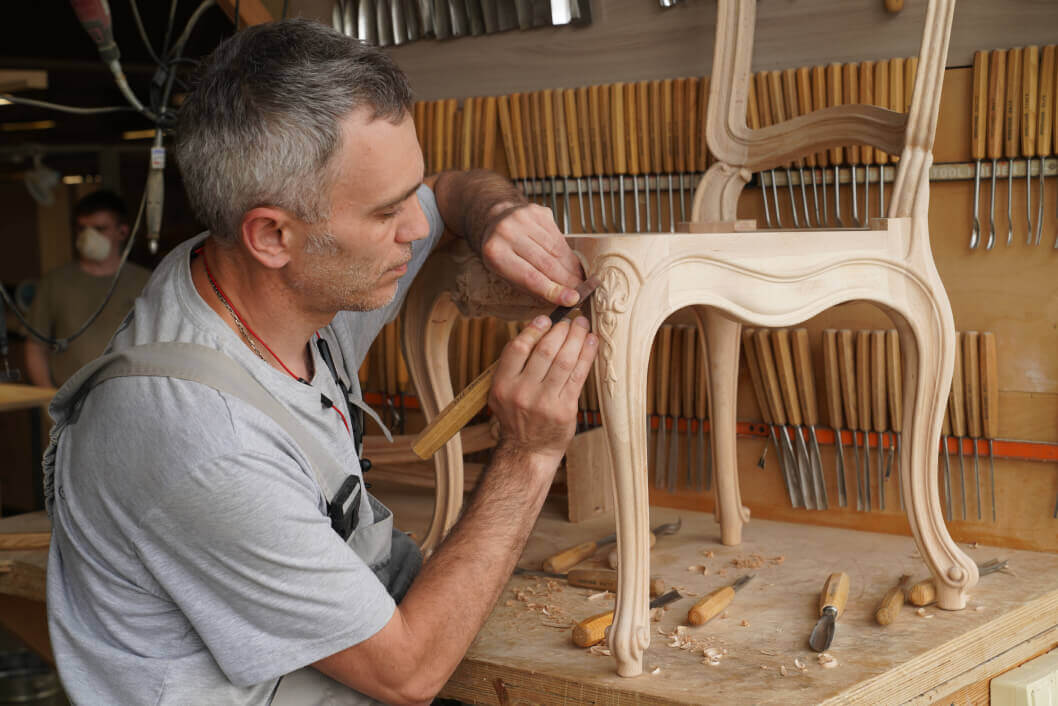
The company's success began in 2002, when two artists — Andrey Ragozin and Evgeny Tsapko — created a small creative workshop for producing wooden carved items. The masters' work was quickly noticed, and within a year they were invited to participate in the reconstruction of the Konstantinovskiy Palace in Strelna.
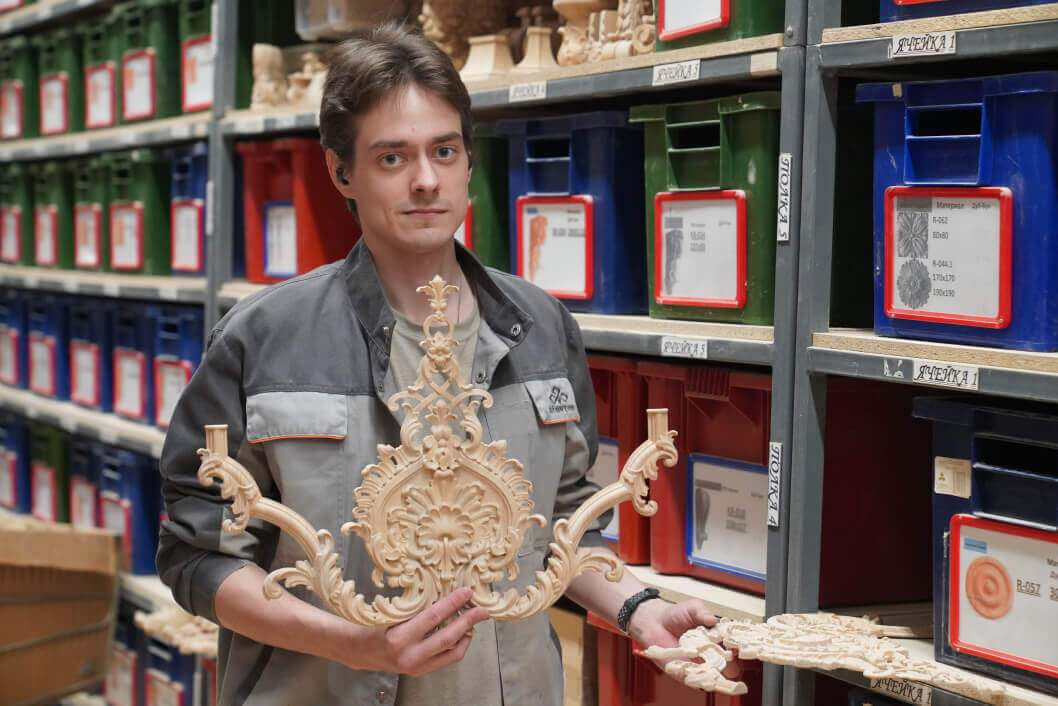
After the success of this project, the company focused on recreating palace interiors, furniture, church furnishings, and carved decorations in various artistic styles. They worked with cultural heritage sites: The Hermitage, the Alexandrovsky Palace, the Troitsko-Izmaylovsky Cathedral, the Sheremetyevsky Mansion, and many others.
The masters' task — and still is — to create wooden items with the highest level of detail and understanding of every element, based on impeccable knowledge of artistic laws and interior styles.
STAVROS Guarantees
Quality of products without complaints
We save your time, peace of mind, and budget
Large warehouse program
We solve your tasks with maximum speed
Adherence to production deadlines
Streamlined process reduces all risks
Delivery from 1 piece throughout Russia
Quality service regardless of order volume
Your positive business reputation
Reliable partner — the foundation of your business
More products in the molding category
Frequently asked questions
Our showrooms are located in Saint Petersburg and Moscow. Production is located in Saint Petersburg.
Moscow contacts: https://www.stavros.ru/contacts_all/?tab=msk
Contacts of Saint Petersburg: https://www.stavros.ru/contacts_all/?tab=spb
- Send request by email [email protected]
- Write to us at WhatsApp
- Order by phone 8 (800) 55-46-75
- Visit our showroom in Saint Petersburg and Moscow
Yes, we ship orders throughout Russia and to CIS countries.
We cooperate with transportation companies such as СДЭК and DPD.
You can also arrange pickup of your order through any convenient transportation company for you.
Delivery cost depends on the size, weight of the item, and delivery address.
When placing an order, the delivery cost is calculated automatically and displayed as a separate line on our website.
Prices and availability of items on the website are always current. Data is updated daily.
Note: items in stock are stored on the warehouse in unpolished form and shipped within 3 working days.
If the item is not in stock, average production time: 5–10 working days.
This is the quality of polishing of the items.
Standard — machine polishing, at a more attractive price.
Prestige — detailed hand polishing, items do not require further work.
More details: https://www.stavros.ru/information/kachestvo/
This is the type of veneer of the items.
Under enamel: produced by gluing wooden laminates without color and texture matching. Contrast tonal and textural differences are noticeable. This blank should be chosen if the item is intended for opaque coating.
Under tinting: produced by gluing wooden laminates with color and texture matching. Tonal and textural differences may occur. This blank should be chosen if the item is intended for semi-transparent finish.
More details: https://www.stavros.ru/information/kachestvo/
Beech — dense, non-porous wood, most often used for items covered with enamel.
Oak — dense, porous wood with clearly visible natural grain. Due to its strength and decorative properties, it is often used in items with semi-transparent coating, highlighting the wood pattern.
Custom-made, if non-standard items are required, we can produce products from other types of wood, including blanks provided by the customer, manufactured according to our technical specifications.
All our furniture legs can withstand a vertical load of at least 100 kg.
Average production time for custom-made items: 5–10 working days.
Most items are stored on the warehouse in unpolished form. We need time to polish and pack orders.
Yes, we manufacture non-standard items according to individual projects, but we only accept orders with a minimum quantity.
We can manufacture items of the desired size, but we only work with bulk orders. For details, please consult the sales department manager.
Yes, some of our products can be used outdoors. For example, polyurethane items, as well as carved door casings made of pine.
Other items are produced to order using PUR glue, if minimum quantity is available. No warranty is provided for such products, as outdoor conditions are considered aggressive.
Yes, we paint items when ordering products for a total amount of 150,000 rubles or more.
- Dust removal. After sanding, the surface must be dusted.
- Priming. Apply primer in an even layer.
- Matting. After the primer has fully dried, the surface should be matted (lightly sanded for better adhesion).
- Finish coating. Apply finish coating: lacquer or enamel, in 2 layers, with interlayer drying.
More details: https://www.stavros.ru/information/sovety/
Apply adhesive to the decor. Place it on the surface and press briefly. Then, lift the decor from the surface and leave it open for 3–5 minutes. Press the decor firmly onto the surface and hold for 5–10 seconds.
More details: https://www.stavros.ru/information/sovety/
Ideally, you should prepare a design project before placing an order.
You can do this yourself by downloading drawings of our products from our website, or you can order a project from us.
If the number of decorative elements and fittings is small, our company's manager can assist you with selection.
Unfortunately, this service is not provided.
The packaging method depends on the type of items, but in each case, we ensure sufficient protection for safe transportation.
We most often use corrugated cardboard and stretch film. Fragile items are additionally secured on a rigid base to prevent damage during transport.
We ship all items starting from 1 piece.
Room measurements and item installation can be performed by our partners — carpentry companies represented in most regions of Russia.
Often searched in category Molded decor
1618
1483
1256
1145
347
221
72
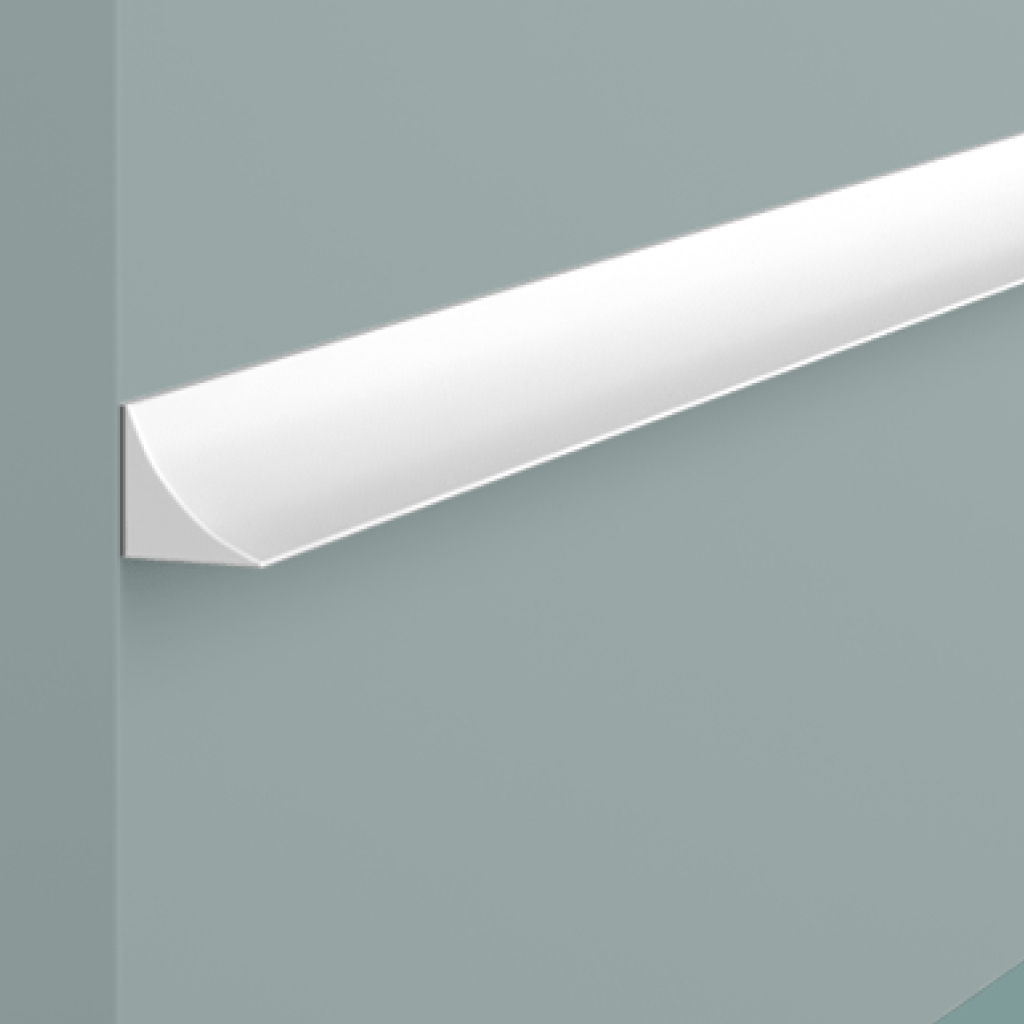
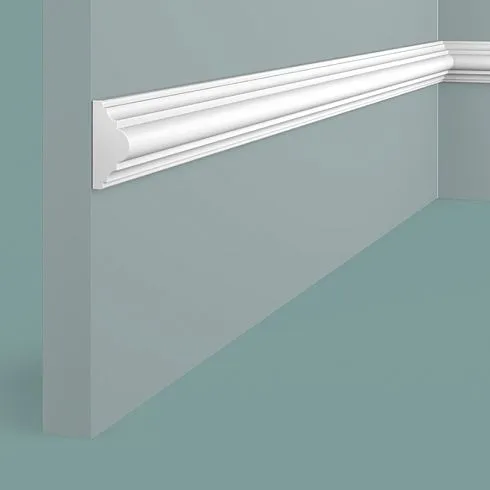
TR12 from manufacturer Hi Wood is an innovative decorative solution with a compact profile of 12mm x 12mm and an extended panel length of 2.7 meters. This product, manufactured by a partner of Stavros, combines classic elegance of form with modern production technologies. The ideal square proportions of the profile make the molding a universal tool for creating refined interior compositions in any style.
Polystyrene moldingTechnical Parameters and Construction Features
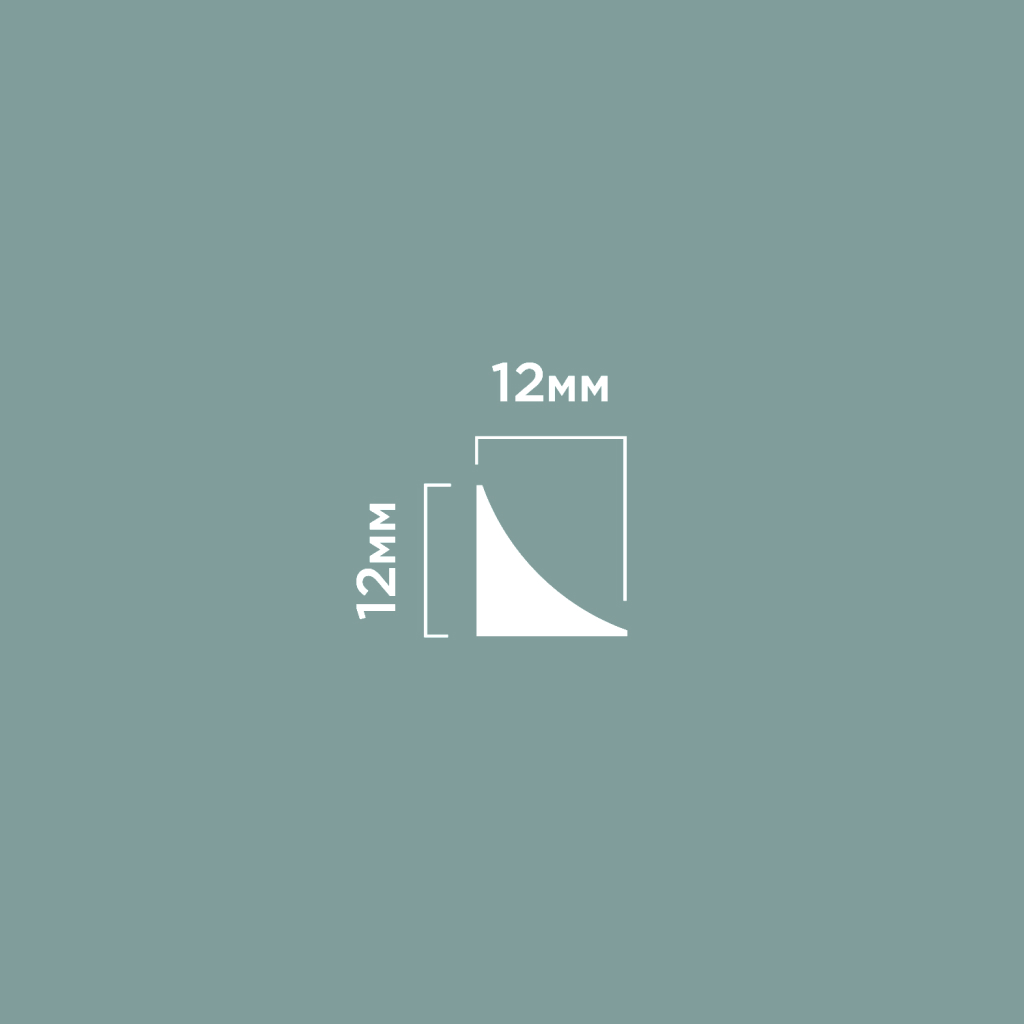
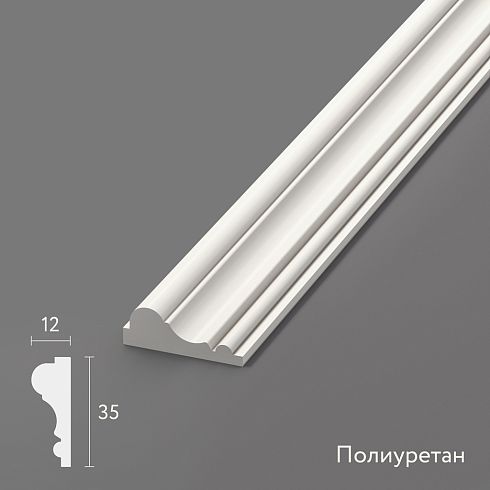
TR12 has carefully designed technical characteristics that ensure maximum functionality and aesthetic appeal. The profile has a symmetrical shape with a width of 12 millimeters and a height of 12 millimeters, creating harmonious proportions and allowing the product to fit organically into any space.
wall molding polystyreneThe extended panel length of 2.7 meters is a significant advantage compared to standard two-meter products. This allows for a significant reduction in the number of joints during installation, especially in rooms with high ceilings or when creating extended decorative elements. Fewer joints mean faster installation, material savings, and a better finished appearance.
The weight of one TR12 panel is only a few hundred grams due to the use of lightweight polystyrene. This is critically important during high-altitude installation, as it significantly reduces physical strain on the installer and simplifies working with the material. The lightweight nature also reduces requirements for adhesive bond strength and allows for simpler mounting methods.
The geometric accuracy of the profile is guaranteed by modern Hi Wood production equipment. Dimensional deviations do not exceed 0.5 millimeters, ensuring perfect element alignment and a professional appearance of the finished composition. The molding surface is perfectly smooth, without bubbles, dents, or other defects.
TR12 is produced from a special modified polystyrene formula with enhanced mechanical properties. The material has increased resistance to impact loads, which is especially important in high-traffic areas, children's rooms, and public spaces. Impact resistance prevents chipping and cracking under accidental mechanical impacts.
Polystyrene impact-resistant wall moldingThe material density is optimized to achieve a balance between lightness and strength. The profile is sufficiently rigid to maintain its shape during transportation and installation, yet does not impose excessive load on the supporting surface. The material structure is uniform along the entire length of the panel, eliminating weak spots and ensuring uniform properties of the product.
Advantages of Polystyrene as a Material
Manufactured from modern polymer material that possesses a unique set of properties, making it an ideal choice for interior decorative elements.
Impact-resistant polystyrene wall moldingPolystyrene's water resistance is absolute — the material does not absorb water even with prolonged contact with a humid environment. This means the molding can be safely used in bathrooms, showers, saunas, pools, and kitchens. The material does not swell, deform, or lose its properties when the air humidity changes from 0 to 100 percent. Such water resistance is unattainable for gypsum, wood, or MDF.
Polystyrene's biological resistance guarantees protection against mold, fungi, bacteria, and insects. The material is not a nutrient medium for microorganisms, does not attract moths, beetles, or other pests. This ensures the product's longevity and safety for health, especially important for people prone to allergies and asthma.
Temperature stability allows for operation
TR12 over a wide temperature range from -40 to +70 degrees Celsius. The material does not become brittle in cold and does not soften upon heating within normal room temperatures. This makes the molding suitable for use in unheated rooms, balconies, and loggias.polystyrene molding on the wallPolystyrene's chemical inertness means resistance to most household chemicals. The molding can be wiped with water-based cleaning solutions, soapy water, and alcohol solutions without damaging the material. However, contact with solvents, acetone, and other aggressive organic liquids should be avoided.
The ecological safety of modern polystyrene is confirmed by certificates and research. The material does not contain heavy metals, formaldehyde, phenols, or other harmful substances. Under normal operating conditions, polystyrene does not emit any vapors into the air and is completely safe for human health and pets.
Ease of processing — an important advantage for DIY installation.
The material is advantageous precisely due to the possibility of installation without special skills. The material is easily cut with ordinary tools, does not require special equipment, and produces minimal dust during processing.buy polystyrene moldingPolystyrene's paintability opens up unlimited possibilities for color decoration. The material accepts water-based, acrylic, and latex paints excellently. Paint applies evenly, does not run, and does not form streaks. If necessary, the molding can be repainted unlimited number of times.
The longevity of polystyrene products under proper use is several decades. The material does not age, does not yellow, and does not lose strength over time. UV stabilizers in the polymer composition protect against sun fading. Hi Wood manufacturer guarantees preservation of the product's properties throughout its entire service life.
The durability of polystyrene products, when properly used, is several decades. The material does not age, yellow, or lose strength over time. UV stabilizers in the polymer composition protect against fading from sunlight. The manufacturer Hi Wood guarantees the preservation of the product's properties throughout its entire service life.
Multifunctionality and Areas of Application
how to cut polystyrene moldingTR12 and how to use it — these questions interest everyone planning decorative interior design. The profile's versatility allows implementing the most diverse design concepts.
Creating wall panels and frames — the most common application of molding. Using TR12, you can create rectangular, square, or complex geometric compositions on walls. Such panels imitate classic latticework, visually structure space, add depth and volume to flat surfaces. The 12x12 millimeter profile size is ideal for creating noticeable yet non-dominant frames.
Framing mirrors, paintings, and photographs — the second most popular application. TR12 molding creates an elegant frame that highlights the value of the artwork or decorative element without drawing attention away. The square cross-section of the profile provides expressive play of light and shadow, adding volume to the composition.
Creating color zones is an effective design technique.Buy polystyrene molding for wallIt is suitable for creating clear boundaries between wall sections with different finishes. This can be dividing a wall into upper and lower parts with subsequent coloring in different colors, or creating an accent zone with wallpaper against a painted wall.
Trimming door and window openings with molding adds grandeur and completeness to the interior. TR12 is used to create additional decorative framing around the casings, visually enhancing the significance of the opening and drawing attention to it. This effect is especially striking with contrasting molding color.
Decorating furniture and built-in structures is a popular direction among furniture makers and carpenters. Molding is glued to cabinet, chest, or drawer fronts, creating a relief surface and imitating expensive panel furniture. This allows transforming simple MDF or particleboard furniture into a classic look.
Ceiling decoration using molding creates a coffered ceiling effect. TR12 is mounted to the ceiling, forming a grid of squares or rectangles. The inner areas can be painted in a contrasting color or left to match the ceiling. This solution visually lifts the ceiling and adds luxury to the interior.
Creating decorative niches and recesses visually is possible through proper use of molding and lighting effects. Gluing a molding frame and painting the inner part in a darker shade can create an illusion of a recess in the wall. Inside such a "niche" artworks or decorative items are placed.
Space zoning is especially relevant in studios and large open-plan rooms. Vertical molding stripes on walls visually divide space into functional zones without erecting partitions. This preserves the feeling of spaciousness while adding structure to the interior.
Professional Installation and Mounting
How to cut polystyrene moldingFor precise joints — a key issue for quality installation. Proper selection of tools and cutting techniques determines the final result.
Construction knife with retractable blade — basic tool for cutting polystyrene molding. For work, use sharp replaceable blades that cut rather than tear the material. The blade should be replaced at the first signs of dullness. Cut along a metal ruler or square, making several passes with gradual deepening. One sharp cut may result in chipping or an uneven edge.
Metal hacksaw with fine teeth — optimal tool for working with studding. Fine teeth ensure a clean cut without chips or scratches. When using a hacksaw, avoid excessive pressure — let the tool cut by its own weight. Excessive pressure may deform the profile or result in an uneven cut.
Studding — necessary tool for cutting molding at an angle. Professional studding allows accurately setting 45 and 90-degree angles, which is critically important for creating neat internal and external corners. The molding is placed in the studding and held by hand, then cut with a hacksaw.
Jigsaw is suitable for large-scale work and allows cutting molding faster than manual tools. Use a fine-toothed blade for wood or plastic. Work at medium speeds without engaging the pendulum motion. Jigsaw is especially convenient for making decorative cuts or adjusting the length of several boards.
Miter saw — professional tool ensuring the most accurate and clean cut. The saw allows setting any cutting angle with precision down to fractions of a degree. This is an ideal solution for professional installers or large-scale projects. However, for occasional home repairs, purchasing a miter saw may be unnecessary.
Surface preparation — foundation of quality installation. Walls or ceilings must be completely clean, dry, and dust-free. Remove all contaminants, grease stains, and remnants of old finishes. Completely remove peeling paint or wallpaper. Irregularities exceeding 2-3 millimeters must be leveled with putty.
Priming the surface increases adhesive bond of the glue to the substrate. Deep-penetration primer is applied with a roller or brush and must be fully dry before starting installation. Priming is especially important for loose, porous, or old surfaces. Primer binds dust and creates a strong base for glue.
Installation line marking is performed using a laser or bubble level. For creating frames and panels, carefully measure all dimensions and mark outlines on the wall with a pencil. Accurate marking is essential for symmetry and correct geometry of the composition. Checking horizontal and vertical alignment is mandatory.
Choosing the right glue is critically important for long-term adhesion.wall molding polystyreneDo not use solvent-based adhesives — they damage polystyrene. Suitable options: acrylic construction adhesives in tubes, special polystyrene glue, water-based liquid nails, polymer adhesives such as "Titan" or "Moment Mount".
Glue is applied to the back of the molding in dots or thin lines. Do not apply too much glue — excess will squeeze out along the edges and dirty the wall. Optimal application is dots spaced 10-15 centimeters apart for lightweight molding. After application, wait 1-3 minutes for the glue to thicken.
Attaching molding requires care and precision. The element is applied to the wall strictly according to the marking and pressed firmly along its entire length. The pressing must be even — do not press harder on one end. For temporary fixation during drying, use painter’s tape applied over the molding to the wall.
Corner joints — the most critical operation in installation. For internal and external corners, molding is cut at 45 degrees. It is important to correctly determine the cutting direction for each element. Joints must be as tight as possible, with a gap not exceeding 0.5 millimeters. If necessary, ends can be sanded with fine-grit sandpaper.
Longitudinal joints are made with a straight 90-degree cut. Ends must be perfectly flat and perpendicular. When gluing, the jointed elements must be pressed tightly together by their ends. A small gap is acceptable, as it will be filled with sealant.
Final finishing includes sealing joints and seams. After the glue has fully dried (usually 24 hours), joints are carefully filled with white acrylic sealant. Sealant is applied from a tube with a fine nozzle or using a putty knife. Excess is immediately wiped off with a damp sponge. After the sealant dries, joints can be lightly sanded.
Painting molding — final stage of finishing. Before painting, the surface can be primed with acrylic primer for better paint adhesion. Paint is applied with a brush or roller in 2-3 coats, with full drying between coats. Painter’s tape is used to protect the wall from accidental paint splashes.
Required Tools and Materials
For quality installationpolystyrene molding impact-resistantTR12 requires a specific set of tools and consumables.
Measuring tools include a tape measure at least 5 meters long (considering the extended length of the 2.7-meter blade), a laser or bubble level 60-100 centimeters long, a metal square, a metal ruler 50-100 centimeters long, a construction pencil for marking, and a protractor for measuring non-standard angles in complex compositions.
Cutting tools consist of a construction knife with a set of replaceable blades, a metal hacksaw with fine teeth, a plastic or metal studding for angled cuts, a jigsaw with fine-toothed blades for wood (optional), and a miter saw (for professional use).
Glue application tools include a construction glue gun for tubes, a notched or smooth putty knife for spreading glue, and a brush for applying primer and glue to hard-to-reach areas.
Fixation materials include 3-5 cm wide painter’s tape for temporary fixation, possibly tacks or small nails for additional fixation during drying, and supports or braces for supporting long sections.
Installation consumables include polystyrene glue (acrylic construction glue in 300-400 ml tubes), deep-penetration primer for surface preparation, white acrylic sealant for sealing joints and seams, and finishing putty for filling large gaps.
Finishing materials include P120-P180 grit sandpaper for sanding joints, acrylic primer for the first coat before painting, water-based or acrylic paint in desired color, colorant for achieving the desired shade if needed, rollers and brushes for painting.
Additional equipment may include a construction fan to speed up glue drying (use with caution), a vacuum cleaner for cleaning sawdust and dust, rags and sponges for surface cleaning, containers for mixing paint and primer.
Care and Operation Rules
Impact-resistant polystyrene wall moldingTR12 requires no complex maintenance, but following simple rules will extend its service life and preserve its original appearance.
Regular dry cleaning is the main form of care. It is sufficient to wipe the molding with a dry, soft microfiber or flannel cloth once every 1-2 weeks. A soft vacuum cleaner attachment on minimum power can also be used. This prevents dust accumulation, which over time may penetrate the paint and degrade the appearance.
Wet cleaning is performed as needed, usually once every 2-3 months. A slightly damp (not wet!) cloth, soaked in clean water or a mild neutral detergent solution, is used. Abrasive cleaning agents, stiff brushes, or abrasive-sided sponges must not be used — they scratch the surface.
Protection against mechanical damage is important, especially during the first month after installation, when the glue reaches maximum strength. Avoid striking the molding with heavy objects, do not lean on it when moving furniture. During other renovation work in the room, the molding should be protected with painter’s tape or film.
The operating temperature range allows using the molding in heated and unheated rooms. However, avoid placing moldings within 30 centimeters of powerful heat sources — convector heaters, fireplaces, radiators. Prolonged exposure to temperatures above 70 degrees may cause deformation.
UV protection is ensured by selecting paint with UV filters. Although polystyrene contains UV stabilizers, paint may fade in sunlight. In rooms with large windows and direct sunlight, it is recommended to use quality paints with fade resistance.
Preventive inspection is recommended twice a year — in spring and autumn. The reliability of the molding’s attachment to the wall, absence of peeling sections, condition of joints and seams, presence of cracks or other damage are checked. Timely detection and correction of minor defects prevent their development.
Repairing minor damage is usually simple. Small scratches are covered with acrylic paint of the appropriate shade using a fine artist’s brush. Small chips are filled with acrylic putty, sanded with fine sandpaper after drying, and painted. If a section of molding peels off, it can be re-adhered after cleaning the surfaces.
Molding can be repainted an unlimited number of times. Before applying a new color, the surface must be cleaned of dust and grease, lightly sanded to improve adhesion. New paint is applied in 2-3 layers. This allows refreshing the interior without dismantling decorative elements.
Comparative analysis with alternative materials
Choosingpolystyrene molding on the wallTR12, it is important to understand its advantages and differences from products made of other materials.
Gypsum moldings — a classic material with a multi-century history of use. Gypsum allows creating very detailed ornaments and complex profiles. However, gypsum products have significant drawbacks: their large weight requires strong mounting, brittleness makes transportation and installation difficult, fear of moisture limits use in dry rooms, high cost and need for professional installation increase the overall project cost.
Polyurethane moldings are often positioned as a premium alternative. Polyurethane is denser than polystyrene, has a sharper relief, and better imitates plaster molding. However, for simple profiles like TR12, the advantages of polyurethane are practically imperceptible. Polyurethane products cost 2-3 times more than polystyrene, are heavier, and require stronger adhesives.
Wooden moldings — a traditional choice for classic interiors. Natural wood has a noble texture, is pleasant to the touch, and creates a special atmosphere. However, wooden products require regular care, fear moisture and temperature fluctuations, may deform and crack, require mechanical fastening with nails or self-tapping screws, and cost several times more than polystyrene.
MDF moldings represent an affordable alternative to wood. MDF has a wood grain structure, is easy to paint, and can have a laminated finish to mimic wood. However, MDF is even more afraid of moisture than wood — when wet, it swells and breaks down, the material is heavier than polystyrene and requires mechanical fastening, and produces a lot of fine dust when cut.
PVC moldings — a budget plastic option. PVC profiles are moisture-resistant, do not fear temperature fluctuations, and are inexpensive. However, they have a characteristic plastic sheen that is difficult to hide with painting, look cheap and less noble than polystyrene, have a limited selection of profiles, and may yellow over time under UV exposure.
Polystyrene moldings — the most budget-friendly option. Polystyrene is lightweight and inexpensive, but has a granular structure visible even after painting. The material is very brittle, easily breaks and crumbles, and poorly retains shape during prolonged use. Polystyrene significantly outperforms polystyrene in all parameters.
Design Concepts and Stylistic Solutions
buy polystyrene moldingTR12 is suitable for realizing diverse stylistic concepts in interior design.
Classic style implies creating symmetrical compositions with proper geometry. Molding is used to form rectangular wall panels, frame doors and windows, and divide walls horizontally. Classic interiors usually use white or light molding against pastel walls. Gold or patina finishes can be applied to create a luxurious effect.
Neoclassicism allows a freer interpretation of classical canons. Moldings can be painted in contrasting colors — dark on light walls or vice versa. Asymmetric compositions, non-standard panel sizes, and combinations with modern materials are permitted. Neoclassical style combines the elegance of classicism with the functionality of modernity.
Modern minimalist style uses moldings moderately and purposefully. Simple geometric frames highlight functional zones or create accents. The color palette is usually monochromatic — white on white, gray on gray. The effect is achieved through volume and play of light, not color contrasts.
Scandinavian style prefers lightness and airiness. Moldings are used in white on white or light-gray walls. Compositions are simple, without excess. The goal is to add structure and interest to the space while preserving the feeling of openness and light. TR12, with its compact profile, perfectly matches Scandinavian aesthetics.
Loft and industrial styles can unexpectedly effectively use moldings. The contrast between rough textures (brick, concrete) and elegant decorative elements creates an interesting tension. Moldings are usually painted in dark colors (black, graphite, dark gray) or metallic shades (steel, bronze).
Provence and French country styles use moldings to create a romantic atmosphere. Wall panels, mirror frames, and furniture decoration — all are characteristic of Provence style. Moldings are painted in pastel tones (light blue, lavender, mint, cream) or left white.
Art Deco implies luxury and geometry. Moldings are used to create strict geometric compositions — vertical lines, concentric frames, symmetrical patterns. Painting in gold, silver, black, or their combinations creates the characteristic Art Deco glamorous atmosphere.
Color Schemes and Painting Techniques
Paintingwall-mounted impact-resistant polystyrene moldingTR12 opens up vast creative possibilities.
Monochromatic 'tone-on-tone' scheme implies painting the molding in the wall color. The decorative effect is created through volume rather than color contrast. Light falling on the molding at an angle creates shadows and highlights that emphasize the relief. This technique creates a restrained elegance and suits minimalist interiors.
Contrasting scheme uses opposite or significantly different colors. White molding on a dark wall or dark molding on a light wall creates a clear graphic composition. A contrasting solution makes the molding a dominant decorative element, attracts attention, and structures the space. Requires precise execution — any mistakes will be noticeable.
Accent scheme implies painting the molding in a bright color that appears in the interior through textiles or accessories. This could be blue, green, red, yellow — any color that repeats in cushions, curtains, or decorative items. Such a solution unifies interior elements into a single composition.
Metallic finishes create the effect of expensive moldings. Gold, silver, bronze, copper tones are applied using special paints with metallic pigment. Patina technique — applying dark paint into profile grooves — can be used to create an aged effect. Metallic moldings look luxurious in classical and glamorous interiors.
Gradient coloring is a modern technique creating a smooth color transition. The molding can be painted with a transition from one shade to another along its length or height. The technique requires certain skills but creates a unique effect. Gradient can be tonal (from light to dark of one color) or chromatic (from one color to another).
Two-color coloring uses two colors on one molding. For example, the main part of the profile is painted one color, while the protruding edge is painted another. This emphasizes the profile's geometry and creates additional depth. The technique requires care and use of painter's tape for clear edges.
Economic Efficiency and Material Calculation
how to cut polystyrene moldingand how much is needed — practical questions for project planning.
Calculating the amount of molding begins with measuring the perimeters of all frames or the length of linear sections. Add 15-20% to the total for cutting angles and possible waste. Considering that TR12 strip length is 2.7 meters, you can calculate the required number of pieces. It is better to purchase material with a reserve — buying the exact same molding later may be problematic.
Project cost includes not only the price of molding but also consumables. However, overall costs for polystyrene molding will be significantly lower than alternatives. Savings are achieved through the low price of the material, the possibility of self-installation without hiring specialists, and minimal tool requirements.
Comparison with gypsum molding shows a 5-10 times savings. Gypsum moldings are 3-4 times more expensive, and their installation requires professionals, doubling the cost. Polystyrene molding can be installed by yourself over the weekend, saving on labor.
Comparison with polyurethane shows a 2-3 times savings for comparable results. For simple profiles, the visual difference between polystyrene and polyurethane is negligible, but the price difference is significant.
Long-term savings are linked to the absence of the need for regular maintenance and repairs. Polystyrene molding does not require regular repainting, restoration, or replacement of elements over decades of use.
Recommendations for selection and purchase
When purchasingpolystyrene molding on wall buyTR12, it is important to pay attention to several aspects.
Quality check when selecting includes visual inspection of each strip. The molding must be perfectly flat without bends, twists, or sagging. The surface should be smooth, without bubbles, dents, scratches, or chips. The profile geometry should be consistent along the entire length of the strip. The color should be uniform without spots or streaks.
Transportation conditions are important for preserving material integrity. Molding should be transported horizontally, preferably in original packaging or wrapped in protective film. It is not permissible to stand strips vertically on one end — this may cause deformation. When transported in a car, molding should be placed on a flat surface.
Storage until installation should be performed in a dry room at a temperature from +5 to +30 degrees. Molding should be stored horizontally on a flat surface. It is not permissible to stack strips more than 10 — lower ones may deform under the weight of upper ones. The room must be protected from direct sunlight and sharp temperature fluctuations.
Choosing a reliable supplier guarantees product authenticity and compliance with stated characteristics. Company Stavros, as an official partner of manufacturer Hi Wood, offers original products with quality guarantee. Avoid purchasing from dubious sellers — high risk of receiving counterfeit or low-quality products.
Conclusion
Molding TR12 POLYSTYRENE HI WOOD 12mm x 12mm x 2.7m represents an excellent solution for decorative finishing of modern interiors.Polystyrene moldingIt combines accessibility, practicality, and wide decorative possibilities.
Increased strip length of 2.7 meters is a significant advantage, allowing to reduce the number of joints and speed up installation. Ideal square profile proportions of 12x12 mm create a striking play of light and shadow, sufficiently noticeable but not dominant. Impact-resistant polystyrene formula from Hi Wood guarantees durability and resistance to everyday mechanical impacts.
Versatility of application makes TR12 suitable for any stylistic direction — from strict classicism to modern minimalism. Lightweight material and simple installation allow for self-installation, significantly reducing overall project cost. Moisture resistance expands application areas, including bathrooms and kitchens.
Production by Hi Wood, partner of company Stavros, guarantees European quality and compliance with all technical standards. Ecological safety of the material is confirmed by certificates, allowing use of molding in any rooms, including children's rooms and bedrooms.
Economic efficiency is obvious when comparing with alternative materials. Polystyrene molding is significantly cheaper than gypsum, polyurethane, or wooden analogs with comparable decorative qualities. Possibility of self-installation and minimal maintenance requirements further reduce overall costs.
Choosing molding TR12 from Hi Wood through company Stavros, you get high-quality European-level material, professional consulting support, and manufacturer warranty. This is the optimal choice for those who value the combination of quality, practicality, aesthetics, and reasonable price in creating unique interior solutions.
Your request has been sent!
Our manager will contact you within 5 minutes